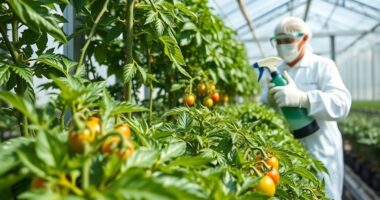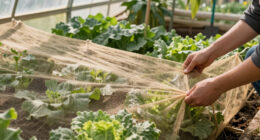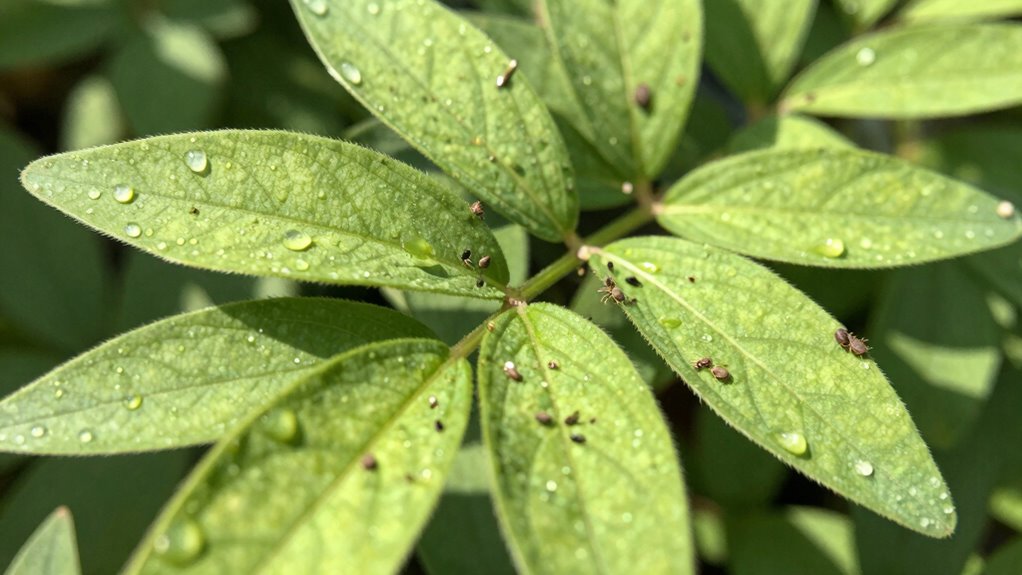

To prioritize plant health as your first pest strategy, focus on maintaining nutrient-rich, balanced soil and regular testing. Keep your plants vigorous with proper watering, fertilizing, and organic matter. Healthy plants naturally resist pests and diseases. Practice good garden hygiene, rotate crops, and encourage beneficial insects. Early detection of stress signs allows quick action before pests take hold. By supporting your plants’ overall well-being, you’ll create a natural pest barrier—discover how to strengthen this approach further.
Key Takeaways
- Prioritize maintaining nutrient-rich, healthy soil through testing and organic amendments to support resilient plant growth.
- Keep plants vigorous with proper watering, fertilizing, and pruning to naturally deter pests.
- Regularly monitor plants for early stress signs and pest activity for prompt intervention.
- Enhance plant health by using crop rotation, companion planting, and garden hygiene practices.
- Foster a balanced ecosystem by encouraging beneficial insects and minimizing chemical use.
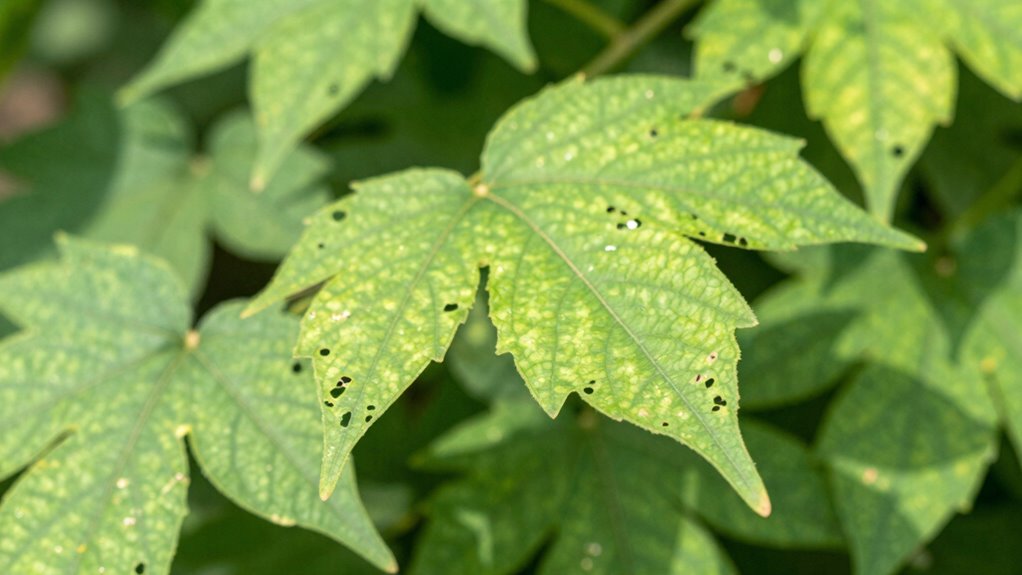
Understanding plant health is essential if you want your garden to thrive. When your plants are healthy, they’re naturally better equipped to resist pests and diseases. A key part of this is paying attention to soil nutrients, which serve as the foundation for strong, resilient plants. Healthy soil rich in essential nutrients encourages vigorous growth, making it harder for pests to take hold. If your soil is depleted or imbalanced, plants become weak and more vulnerable to infestations. Regularly testing your soil and amending it with organic matter or fertilizers can help maintain ideal nutrient levels. This proactive approach not only supports plant vitality but also acts as a form of pest prevention, reducing the likelihood of pest problems before they start.
Healthy soil and balanced nutrients strengthen plants and help prevent pest problems proactively.
Thinking about plant health from a pest prevention perspective shifts your focus from reactive treatments to proactive care. Instead of waiting for pests to appear and then reacting with pesticides, you aim to create an environment where pests are less inclined to settle. Healthy plants with strong stems, lush foliage, and vibrant colors naturally deter many pests. You should also consider crop rotation and companion planting, which can disrupt pest life cycles and make your garden less attractive to common invaders. These strategies, combined with maintaining soil nutrients, create an environment less hospitable to pests, saving you time and effort on chemical controls. Additionally, understanding plant health can help you identify early signs of stress or deficiencies that might otherwise go unnoticed until pests become a problem. Recognizing early symptoms of plant stress allows for timely interventions that strengthen overall resilience. Incorporating soil health practices further enhances plant vigor and pest resistance, creating a robust foundation for your garden. A balanced ecosystem also relies on maintaining garden hygiene, which is vital for preventing pest habitats and keeping the garden environment healthy. Regularly removing dead or diseased plant material prevents pests from finding shelter and breeding grounds. Mulching can also help prevent weed growth, which often acts as a hiding spot for pests. Additionally, encouraging beneficial insects like ladybugs and predatory beetles enhances pest control naturally. These predators keep pest populations in check and reduce the need for chemical interventions, which can harm your plants and beneficial insects alike. Moreover, creating a balanced ecosystem within your garden supports natural pest regulation and promotes overall plant health. Staying vigilant by inspecting your plants frequently is also crucial, as early detection of pest activity allows you to take targeted action before the problem escalates. Sometimes, simply handpicking pests or using organic sprays can be enough to keep populations under control. Remember, healthy plants are less attractive to pests, so your primary focus should be on maintaining overall plant vigor through proper watering, fertilizing, and soil care. By thinking about plant health as your first line of pest prevention, you create a resilient garden that’s easier to maintain, more productive, and less dependent on chemical solutions.

MySoil Soil Test Kit, Unlock Your Lawn & Garden Potential, Complete & Accurate Nutrient and pH Analysis with Recommendations Tailored to Your Soil and Plant Needs
- Professional Soil Testing Kit: Accurately measures nutrients and pH
- Fast Results: Receive analysis in 6-8 days
- Versatile Compatibility: Suitable for all soil types and plants
As an affiliate, we earn on qualifying purchases.
As an affiliate, we earn on qualifying purchases.
Frequently Asked Questions
What Are the Most Common Signs of Poor Plant Health?
You can spot poor plant health through signs like yellowing leaves, stunted growth, or spots on foliage. These symptoms often point to issues with plant nutrition or pest problems. It’s crucial to observe closely to identify pests early and guarantee your plant gets the right nutrients. Regular pest identification helps prevent damage, while proper nutrition supports overall plant vitality, reducing susceptibility to pests and diseases.
How Does Soil Quality Affect Plant Pest Resistance?
Soil quality directly influences your plant’s pest resistance through the soil microbiome and nutrient balancing. A healthy soil microbiome promotes beneficial microbes that combat pests and support plant immunity. When you focus on nutrient balancing, your plants get the essential nutrients they need, making them stronger and less attractive to pests. By maintaining healthy soil, you bolster your plants’ natural defenses, reducing pest problems before they start.
Can Plant Health Improvement Reduce Pesticide Use?
Yes, improving plant health can reduce pesticide use. When you select pest-resistant varieties and practice companion planting, your plants become naturally less vulnerable to pests. Healthy plants with strong roots and good soil foster robust growth, making them less attractive to pests. This integrated approach minimizes the need for chemical interventions, promoting eco-friendly gardening and healthier yields. Consistently nurturing plant health is key to sustainable pest management.
What Are Natural Ways to Boost Plant Immunity?
Did you know healthy plants are 50% less susceptible to pests? To boost plant immunity naturally, attract beneficial insects like ladybugs and lacewings that prey on pests. Use organic fertilizers to enhance soil nutrients, strengthening plants’ defenses. Regularly prune and provide proper watering to reduce stress. These methods create a resilient plant environment, decreasing your reliance on chemical pesticides and promoting a healthier, pest-resistant garden ecosystem.
How Often Should I Monitor Plant Health?
You should monitor your plant health regularly, ideally once a week, to catch issues early. Consistent monitoring frequency allows you to detect pests and diseases before they spread or cause significant damage. During each check, look for signs like discolored leaves or holes, which aid in pest detection. Staying vigilant helps you respond promptly, keeping your plants healthy and minimizing the need for chemical treatments.
Conclusion
By prioritizing plant health, you turn your garden into an impenetrable fortress against pests. When your plants are thriving, they stand tall like skyscrapers, resilient and unyielding. Remember, a healthy plant is your best defense — it’s like having an army of tiny warriors fighting off invaders every day. So, nurture your plants with care, give them what they need, and watch your garden flourish into a pest-resistant paradise that’s practically invincible.