
TL;DR

Get garden gear delivered free with Prime
- Fast, free delivery on millions of items
- Prime Video, Amazon Music and more included
- Member-only deals all year
Gardeners often unknowingly create conditions for aphid infestations through four common mistakes. Correcting these can help prevent widespread damage. Experts emphasize proactive management now.
Gardening enthusiasts are being advised to review their practices as four common mistakes are identified as major contributors to aphid infestations, which can quickly damage plants and reduce yields. Experts highlight that addressing these errors now can help gardeners prevent severe outbreaks and maintain healthy gardens.
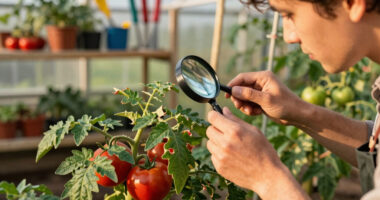
According to horticultural specialists, the first mistake is over-fertilizing plants, especially with nitrogen-rich fertilizers, which promotes lush, tender growth that attracts aphids. The second error involves improper plant spacing, leading to poor air circulation that creates humid environments favorable for aphid proliferation. Third, many gardeners neglect early detection, allowing aphid populations to grow unchecked before intervention. Finally, some gardeners rely solely on chemical pesticides without integrated pest management strategies, which can exacerbate the problem by killing beneficial insects that naturally control aphids.
These mistakes are confirmed to contribute to the rapid spread of aphids, which are sap-sucking insects capable of damaging leaves, stems, and even transmitting plant diseases. Experts from the National Garden Association emphasize that understanding and correcting these errors can significantly reduce aphid populations and protect plant health.
Why Correcting These Mistakes Is Crucial for Garden Health
Addressing these common errors is vital because aphids can cause extensive damage to a wide range of garden plants, including vegetables, flowers, and shrubs. Large infestations weaken plants, stunt growth, and can lead to secondary issues such as mold and disease transmission. By preventing these infestations early, gardeners can reduce reliance on chemical controls, promote healthier ecosystems, and ensure more productive and resilient gardens.
As an affiliate, we earn on qualifying purchases.
Background on Aphid Infestations and Garden Practices
Aphids are among the most common pests affecting gardens worldwide. They reproduce rapidly and can develop into large colonies within days. Historically, infestations have been linked to specific gardening practices, notably excessive fertilization and poor plant spacing. Recent advice from horticultural experts stresses that many infestations could be mitigated through better garden management, especially early detection and integrated pest control strategies.
In recent years, the rise of chemical pesticide dependence has led to resistance and secondary pest problems, prompting a shift toward more sustainable practices. Understanding the environmental factors that foster aphid growth is key to developing effective prevention methods.
Uncertainties About Long-Term Effectiveness of Corrective Measures
While experts agree that correcting these four mistakes can reduce aphid issues, it remains unclear how quickly these measures will impact existing large infestations. Additionally, the effectiveness of integrated pest management strategies varies depending on local conditions and specific plant types. Further research is needed to determine optimal intervention timelines and methods for different garden environments.
Next Steps for Gardeners to Prevent and Manage Aphids
Gardeners are advised to review and adjust their fertilization routines, ensure proper spacing, and monitor plants regularly for early signs of aphids. Implementing biological controls, such as introducing ladybugs or lacewings, can help manage populations naturally. Experts recommend incorporating these practices into routine garden maintenance and seeking advice from local extension services for tailored solutions.
Key Questions
How can I tell if my plants have an aphid problem?
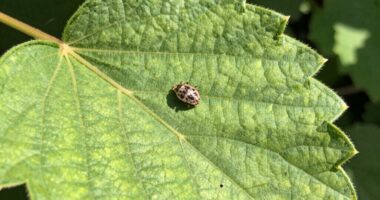
Look for small, soft-bodied insects on new growth, curled or yellowing leaves, and sticky honeydew residue. Early detection is key to controlling outbreaks.
Are chemical pesticides effective against aphids?
While chemical pesticides can kill aphids, they may also harm beneficial insects. Integrated pest management strategies are recommended for sustainable control.
Can natural predators control aphid populations?
Yes, introducing or encouraging beneficial insects like ladybugs and lacewings can help keep aphid numbers in check naturally.
What is the best time to treat aphids in my garden?
Early detection and treatment are most effective. Regular monitoring during the growing season allows for prompt action before infestations become severe.
How long does it take to see results after correcting these mistakes?
Results can vary depending on the severity of the infestation and the measures taken, but improvements are often noticeable within one to two weeks with consistent management.
Source: rss
Halloween Picks
halloween
As an affiliate, we earn on qualifying purchases.