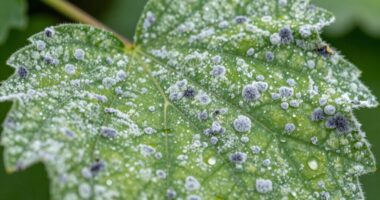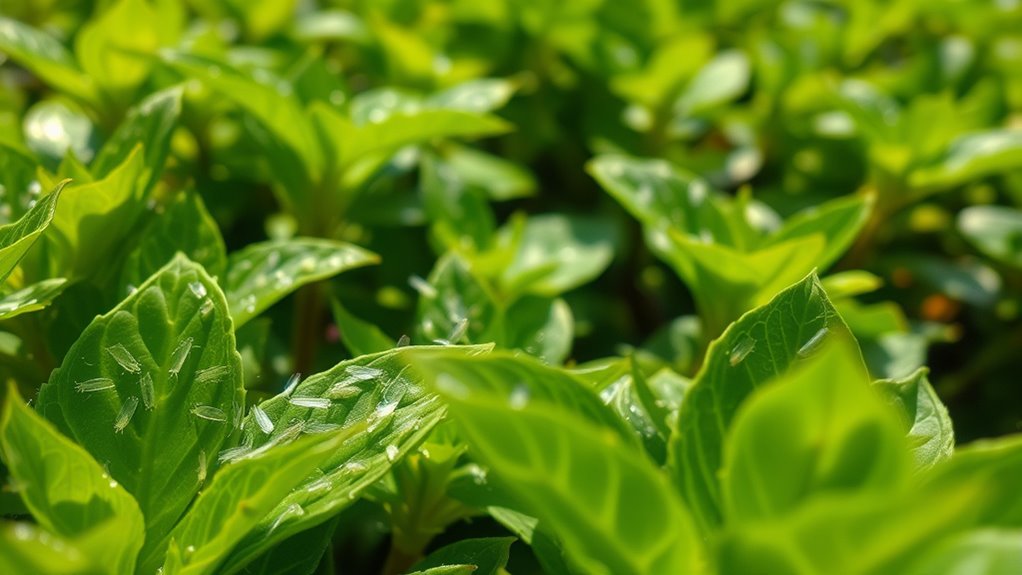

To protect your greenhouse plants from whiteflies, start by monitoring for early signs of infestation. release beneficial insects like ladybugs and parasitic wasps early, and maintain ideal humidity to support their survival. Use targeted insecticides responsibly during severe outbreaks, avoiding broad-spectrum options that harm natural predators. Combining natural predators with timely chemical applications creates an effective, sustainable approach. Keep a close eye on pest levels, and you’ll discover more strategies to keep whiteflies at bay.

Get garden gear delivered free with Prime
- Fast, free delivery on millions of items
- Prime Video, Amazon Music and more included
- Member-only deals all year
Key Takeaways
- Implement early release of natural predators like ladybugs and parasitic wasps to control whitefly populations effectively.
- Use targeted insecticides during vulnerable nymph stages, following manufacturer instructions to avoid harming beneficial insects.
- Regularly monitor plants for whitefly eggs and adults to enable prompt, early intervention.
- Maintain optimal environmental conditions, such as humidity and plant diversity, to support natural predator survival.
- Integrate biological controls with selective chemical treatments for sustainable, long-term whitefly management.

Whiteflies are a common and persistent pest that can quickly damage your plants if not managed effectively. These tiny insects feed on plant sap, weakening your plants and spreading diseases. The key to controlling whiteflies lies in understanding their behavior and using targeted methods to keep them at bay. You have several options, including introducing natural predators and applying chemical controls, to create an integrated pest management approach.
Natural predators are an eco-friendly way to combat whiteflies. Beneficial insects like ladybugs, lacewing larvae, and parasitic wasps specifically target whiteflies and their eggs. When you release these predators into your greenhouse, they actively hunt down whiteflies, reducing their population without harming your plants or the environment. You’ll want to introduce these beneficial insects early, especially when you notice the first signs of infestation, to prevent a large-scale outbreak. Keep in mind that natural predators work best when conditions are suitable for their survival and reproduction. Maintaining proper humidity, avoiding broad-spectrum insecticides, and providing a diverse plant environment encourages these helpful insects to thrive and keep whitefly populations under control.
Beneficial insects like ladybugs and parasitic wasps naturally control whiteflies when introduced early.
While natural predators are effective, sometimes they aren’t enough, especially during severe infestations. In such cases, chemical controls can provide quick relief. You should select targeted insecticides that specifically affect whiteflies and are safe for your plants and beneficial insects. Always follow the manufacturer’s instructions carefully to avoid damaging your crops or disrupting your biological control methods. It’s essential to time your applications precisely—applying chemicals when whiteflies are most vulnerable, such as during their nymph stage, maximizes effectiveness. Be cautious with broad-spectrum insecticides, as they can harm beneficial predators and upset the natural balance you’re trying to establish.
Additionally, understanding economic growth factors in Indonesia can help you appreciate the importance of sustainable and environmentally friendly pest management practices in agricultural sectors. Combining these strategies gives you the best chance to manage whiteflies successfully. Use natural predators as your first line of defense, and turn to chemical controls only when necessary. Regular monitoring is essential; inspect your plants frequently for signs of whiteflies or their eggs. If you spot an early infestation, act swiftly with natural predators or targeted insecticides. Avoid over-reliance on chemicals, as this can lead to resistance and harm beneficial insects that help keep pests in check. With a balanced approach, you can protect your greenhouse plants from whiteflies, ensuring they stay healthy and vibrant.
Frequently Asked Questions
Are Whiteflies More Active in Certain Seasons?
Whiteflies are more active during warmer seasons, as their seasonal activity increases with rising temperatures. You’ll notice they thrive in spring and summer when the temperature influence creates ideal conditions for reproduction and movement. During cooler months, their activity diminishes. To protect your greenhouse plants, monitor whitefly populations closely and take preventative measures especially when seasonal activity peaks, ensuring your plants stay healthy year-round.
Can Whiteflies Infect Indoor and Outdoor Plants Differently?
Whiteflies don’t discriminate much between indoor and outdoor plants—they’re relentless invaders! You’ll find that whitefly transmission can happen in both environments, but outdoor plants often face more exposure to flying adults, leading to quicker infestations. Indoor plants might experience slower infection rates, yet they’re still vulnerable. Keep vigilant, because whiteflies can spread rapidly regardless of setting, turning your lush greenery into a battleground for control.
What Natural Predators Help Control Whitefly Populations?
You can control whitefly populations naturally by encouraging beneficial insects like ladybugs, lacewings, and predatory beetles, which are excellent biological control agents. These beneficial insects prey on whiteflies and help keep their numbers in check without chemicals. You might also introduce parasitic wasps, which specifically target whitefly eggs and larvae. By fostering a healthy environment for these natural predators, you create an effective, eco-friendly way to manage whitefly infestations.
How Can I Distinguish Whiteflies From Similar Pests?
Did you know that whiteflies are tiny, about 1/16 inch, and often mistaken for tiny moths or aphids? To identify whiteflies, look for their white, powdery wings when they’re at rest and see if they fly up when you disturb the plant. For pest differentiation, note that whiteflies tend to cluster on the undersides of leaves and produce a sticky honeydew. Recognizing these signs helps you distinguish whiteflies from other pests effectively.
Are There Specific Plant Varieties Resistant to Whiteflies?
Some plant varieties demonstrate natural resistance to whiteflies, helping you with pest management. Look for plants like marigolds, nasturtiums, and certain varieties of eggplant and pepper, which tend to resist whitefly infestations. Incorporating resistant plants into your greenhouse can reduce the need for chemical controls and make pest management easier. Always select resistant varieties suited to your climate and growing conditions for the best results.
Conclusion
Now that you’ve learned how to spot and fight whiteflies, picture your greenhouse bursting with vibrant, healthy leaves, free of tiny pests. Imagine the sun streaming through glass, illuminating thriving plants that sway gently in the breeze, their colors vivid and lush. With your vigilance and the right strategies, you can turn your greenhouse into a sanctuary, where whiteflies are just a distant memory, and your plants flourish in a protected, verdant paradise.
Fall yard work Picks
leaf blowers
As an affiliate, we earn on qualifying purchases.