
To make pest control less stressful, start with natural deterrents like peppermint oil sprays, vinegar, and citrus peels near entry points. Perform weekly inspections to catch issues early, sealing cracks and fixing screens promptly. Manage your environment by ensuring good ventilation, reducing clutter, and keeping spaces dry. Practice good hygiene by keeping counters clean, storing food properly, and emptying trash regularly. Staying proactive with these steps helps prevent infestations and eases pest problems—keep going to discover more effective tips.
Listen free for 30 days with Audible
Thousands of audiobooks and originals — cancel anytime.
As an affiliate, we earn on qualifying purchases.
Key Takeaways
- Conduct weekly inspections to identify and address pest entry points early, preventing larger infestations.
- Seal cracks, repair screens, and close gaps to block pest access before problems develop.
- Maintain cleanliness by wiping surfaces, storing food properly, and removing clutter to reduce attractants.
- Use natural deterrents like essential oils and citrus peels around entry points for ongoing pest prevention.
- Ensure good ventilation and environmental management to create an inhospitable space for pests.
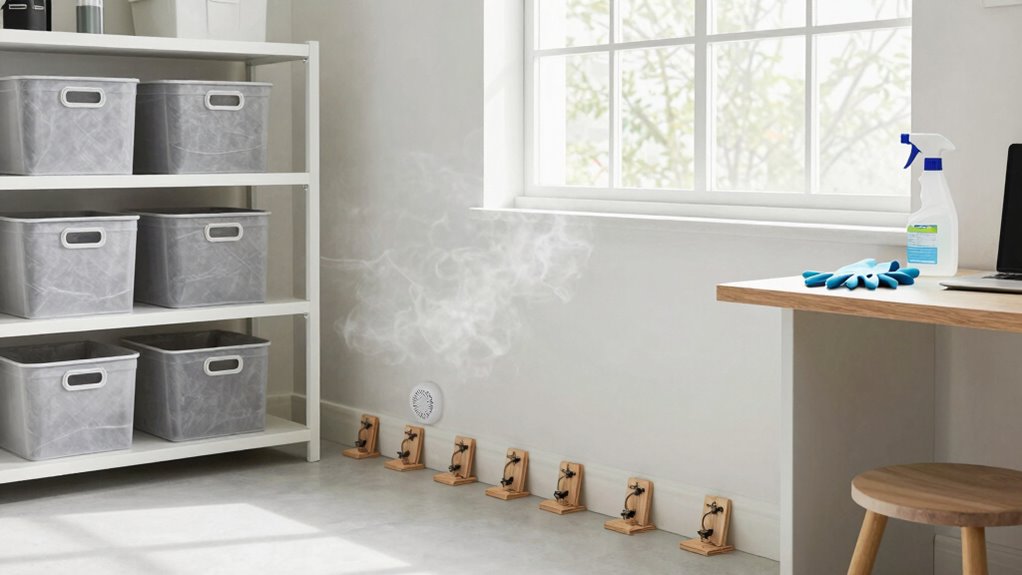
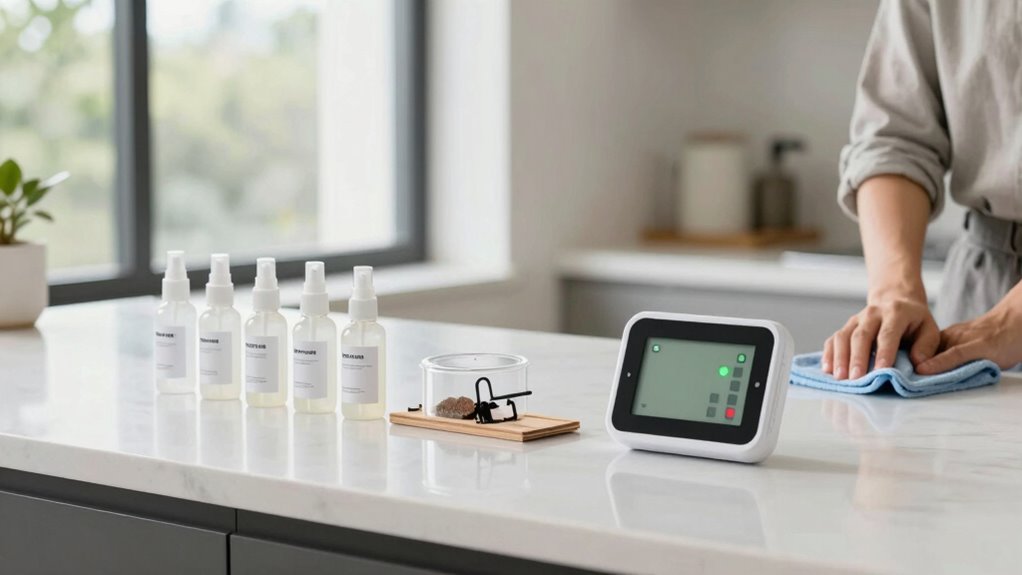
Have you ever wondered how to keep pests from invading your home? It’s a common concern, and establishing a solid prevention routine can make a huge difference. The key is to be proactive, using simple methods that don’t require heavy chemicals or costly treatments. Natural deterrents are a great place to start. Items like essential oils, vinegar, or citrus peels can discourage pests from settling in. For example, spraying a mixture of peppermint oil and water around entry points can repel ants and spiders without harming your family or pets. Similarly, placing citrus peels near doorways or windows acts as a natural barrier. These deterrents are easy to use and safe, giving you peace of mind. Incorporating indoor air quality considerations into your routine can also support healthier living conditions and help deter pests that thrive in poorly ventilated spaces. Good ventilation reduces moisture and stagnant air, making your home less attractive to pests.
Next, a regular DIY inspection is essential. Take a walk around your home at least once a week, checking for signs of pests or potential entry points. Look for tiny holes in window screens, gaps around pipes, or cracks in the foundation. During your inspection, keep an eye out for food crumbs, standing water, or clutter, all of which attract pests. When you find a problem area, address it immediately. Seal cracks with caulk, fix damaged screens, and clear away clutter that provides hiding spots. This routine not only prevents pests from gaining entry but also helps you spot issues early, making pest control less stressful and more manageable. Maintaining a clean environment, including proper ventilation, can further reduce the chances of pest infestations by discouraging damp or stagnant areas that pests favor. Regularly checking entry points ensures small openings don’t become an easy pathway for unwelcome visitors.
Incorporating these habits into your weekly routine keeps pests at bay and reduces the need for chemical treatments. It’s about creating an environment that’s less inviting and more difficult for pests to survive in. Additionally, maintaining cleanliness is crucial—wipe down counters, store food in airtight containers, and regularly empty trash. These simple steps remove the food sources pests crave, making your home less attractive to them.
As an affiliate, we earn on qualifying purchases.
Frequently Asked Questions
How Often Should I Review My Pest Prevention Routine?
You should review your pest prevention routine at least every three to six months. Regular routine assessments help you identify new vulnerabilities or pest activity, allowing you to make prevention updates promptly. Staying proactive guarantees your pest control measures remain effective and tailored to current conditions. By consistently checking and updating your routine, you minimize pest risks and maintain a pest-free environment with less stress.
Are There Eco-Friendly Pest Control Options Available?
Yes, eco-friendly pest control options are available. You can use natural remedies like essential oils, garlic, or vinegar to repel pests. Organic solutions such as diatomaceous earth or botanical insecticides also work effectively without harming the environment. These methods are safe for your family and pets, reducing chemical exposure. Incorporating these eco-friendly options into your routine makes pest control more sustainable, affordable, and less stressful for everyone involved.
Can I Implement the Routine Myself or Need Professional Help?
This routine is so simple, you’ll feel like you’re a pest control superhero! You can definitely try DIY implementation if you’re comfortable with basic tasks like sealing cracks and maintaining cleanliness. However, for more complex issues or persistent pests, professional assistance is your best bet. Professionals bring expertise and tools that make pest control more effective and less stressful, ensuring pests stay gone for good without you having to lift a finger beyond your comfort zone.
What Are Signs That Pest Control Measures Are Failing?
You’ll notice pest control measures are failing if pest behavior persists or worsens despite treatments. Look for infestation signs like droppings, gnaw marks, or unusual odors. If pests return quickly or seem unaffected, it’s a clear sign that the routine isn’t working. Regular monitoring helps you spot these signs early, so you can adjust your approach or call in professionals to guarantee the problem gets resolved effectively.
How Does Weather Affect Pest Prevention Strategies?
Weather can totally sabotage your pest prevention plans! You might think they’re foolproof, but temperature fluctuations and seasonal variations can turn your efforts upside down. Sudden cold snaps or scorching heat cause pests to change their habits, making them more likely to invade. You need to stay vigilant, adjusting your strategies as weather shifts, because pests are masters of adaptation, and ignoring these changes can lead to a pest invasion disaster.
Conclusion
By following this prevention routine, you can greatly reduce the chances of a pest invasion and enjoy a pest-free home. Remember, about 50% of pest problems are caused by preventable conditions, meaning your proactive efforts truly make a difference. Staying vigilant and maintaining these simple habits not only makes pest control less stressful but also saves you time and money in the long run. Take charge today for a healthier, pest-free environment tomorrow.
Baby shower & registry season Picks
baby registry must-haves
As an affiliate, we earn on qualifying purchases.