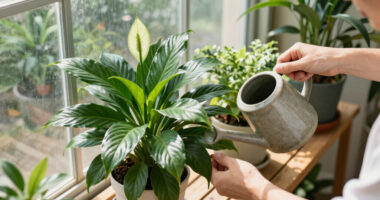
By regularly inspecting your plant’s root zone, you catch problems early and improve overall health fast. Gently check soil moisture, look for signs of root rot, and guarantee roots are firm and light-colored. Proper aeration and avoiding overwatering encourage strong roots that support healthy growth. This proactive habit helps you spot stress or disease before they spread. Keep practicing this routine, and you’ll discover simple ways to boost your plant’s vitality and resilience.

Get garden gear delivered free — and shop member deals
- Fast, free delivery on millions of items
- Access to Prime Big Deal Days deals on October 6–7
- Prime Video, Amazon Music and more included
Key Takeaways
- Regularly inspect roots to detect early signs of disease or stress before visible symptoms appear.
- Gently dig around plants to assess root color, firmness, and overall health, preventing root rot and decay.
- Ensure soil is well-aerated and properly drained to promote healthy root growth and prevent suffocation.
- Adjust watering practices based on root zone condition to avoid overwatering or underwatering.
- Proactive root checks facilitate timely soil amendments and care adjustments for stronger, more resilient plants.
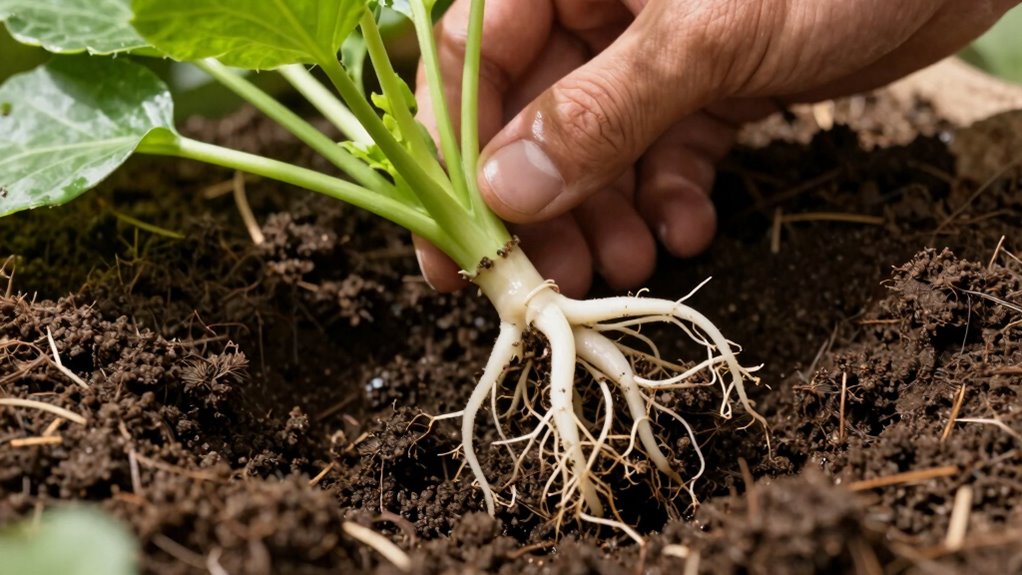
Understanding the health of your plants begins with checking the root zone habit. This is the foundation of good plant care because roots directly influence how well your plant grows, absorbs nutrients, and withstands stress. When you regularly examine the root zone, you gain insight into what your plant needs and can prevent problems before they escalate. One of the first things to assess is soil aeration. Healthy roots require well-aerated soil that allows oxygen to reach the roots. If the soil is compacted or waterlogged, roots can suffocate or develop root rot, leading to wilting and yellowing leaves. To improve soil aeration, you might need to loosen the soil or add organic matter, which creates air pockets and enhances drainage. Knowing whether your soil is properly aerated helps you decide if you need to adjust your watering schedule or amend the soil.
Your watering schedule plays an essential role in maintaining a healthy root zone. Overwatering can drown roots, causing them to rot, while underwatering can leave roots dry and unable to absorb nutrients. Checking the root zone habit involves feeling the soil to determine its moisture level. If the soil remains wet for too long, you need to cut back on watering and ensure your plant has proper drainage. If it dries out quickly, you might need to water more frequently or adjust your watering technique. A consistent, appropriate watering schedule prevents stress and promotes strong root development. Remember, watering deeply and infrequently encourages roots to grow downward, making your plant more resilient. Regularly monitoring soil moisture levels is a crucial aspect of effective plant care. Additionally, understanding the soil health helps you maintain an optimal environment for root growth and overall plant vitality. Being aware of soil composition can also help you select the best amendments to support healthy roots. Incorporating soil testing can provide specific insights into nutrient levels and pH, further supporting your efforts. It’s also beneficial to observe the overall root system regularly to identify early signs of stress or disease.
Beyond moisture levels, pay attention to the roots themselves. Gently dig around the plant to inspect the root system—healthy roots are firm and white or light tan. If you see black, mushy, or foul-smelling roots, it’s a sign of root rot or disease. Address this promptly by trimming affected roots and improving soil conditions. Regularly checking the root zone habit allows you to catch issues early and make the necessary adjustments. This habit helps you understand the subtle signs your plant shows when it’s stressed, enabling you to act quickly before visible symptoms appear. When you integrate root zone checks into your routine, you’re not just reacting to problems—you’re proactively creating an environment where your plants thrive. This simple habit can greatly boost plant health, ensuring your garden remains vibrant, lush, and resilient.
As an affiliate, we earn on qualifying purchases.
Frequently Asked Questions
How Often Should I Check My Plant’s Root Zone?
You should check your plant’s root zone weekly to monitor soil moisture and root growth. Regular inspections help you catch issues early, like overwatering or root rot, which can hinder root development. Gently remove the top layer of soil to see if it’s moist and observe root health. Adjust watering schedules accordingly, ensuring roots stay healthy and your plant thrives. Consistent checks boost overall plant care and growth.
What Tools Are Best for Inspecting Roots Safely?
Think of yourself as a root detective. Use a small, gentle trowel or a hand fork to carefully lift the soil, revealing root visibility without damage. A moisture meter helps assess soil moisture levels, indicating root health. Avoid sharp tools that could harm roots; instead, opt for soft brushes or your fingers for delicate inspections. These tools let you check roots safely, ensuring your plant stays healthy.
Can Root Zone Checks Prevent Plant Diseases?
Yes, checking the root zone can prevent plant diseases. By inspecting soil moisture levels regularly, you catch overwatering or drainage issues early, reducing root rot risks. You can also detect pests hiding around roots before they spread, preventing infestations. Consistent root zone checks help you identify problems early, maintain healthy soil conditions, and promote strong root growth, which ultimately keeps your plants healthier and disease-free.
How Do I Know if Roots Are Healthy or Rotting?
You can tell if roots are healthy or rotting by gently removing the plant and inspecting the roots. Healthy roots are firm, white, and smell fresh, while rotting roots show signs of decay—brown or black color, mushiness, and a foul odor. Improving soil aeration helps prevent root decay by promoting oxygen flow, which keeps roots healthy. Regular checks help you catch issues early before serious damage occurs.
Is Root Zone Checking Necessary for All Plant Types?
Like a knight checking his armor, you should check the root zone for most plant types, especially those in containers or prone to root issues. This helps you guarantee proper soil aeration and perform nutrient analysis, preventing rot and promoting healthy growth. However, some hardy plants may not require frequent inspections. Regular checks allow you to catch problems early, giving your plants the best chance to thrive.
Conclusion
By adopting the “check the root zone” habit, you’re fundamentally becoming a detective of your plant’s health, catching problems before they spread roots deep. This simple yet powerful habit acts as a compass, guiding you to better care and vibrant growth. Just like tending a delicate garden, it requires attention and care—but the reward is a thriving, happy plant that responds to your nurturing touch. Keep checking, keep growing.
Fall Picks
fall essentials
As an affiliate, we earn on qualifying purchases.