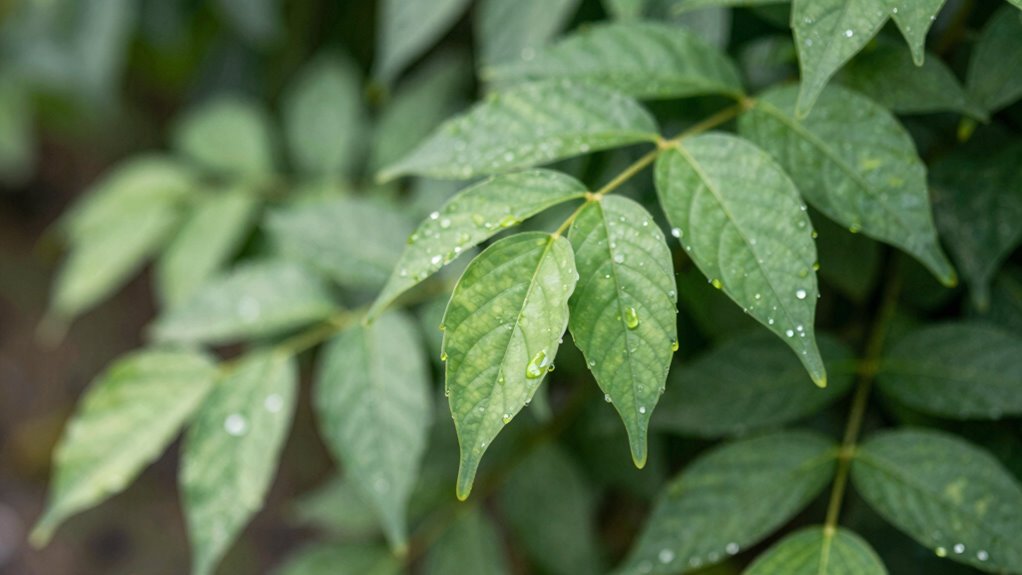

Plants need a quiet period to conserve energy, recover from stress, and prepare for future growth. During these times, they slow down their development, shed leaves, and reduce metabolic activity, especially in response to environmental changes like cold, drought, or low light. Supporting these phases helps your plants stay healthy and resilient. If you want to understand how to recognize and support these natural cycles, you’ll find helpful details ahead.

Get garden gear delivered free with Prime
- Fast, free delivery on millions of items
- Prime Video, Amazon Music and more included
- Member-only deals all year
Key Takeaways
- Quiet periods allow plants to conserve energy and recover from stress, promoting healthier growth when conditions improve.
- They help plants adapt to environmental changes like cold, drought, or low light, ensuring resilience.
- During these times, plants focus on essential functions, strengthening roots and reducing unnecessary metabolic activity.
- Recognizing quiet periods guides better care practices, such as adjusting watering and temperature to support recovery.
- These phases enhance long-term vitality, leading to stronger, more vigorous growth in favorable seasons.
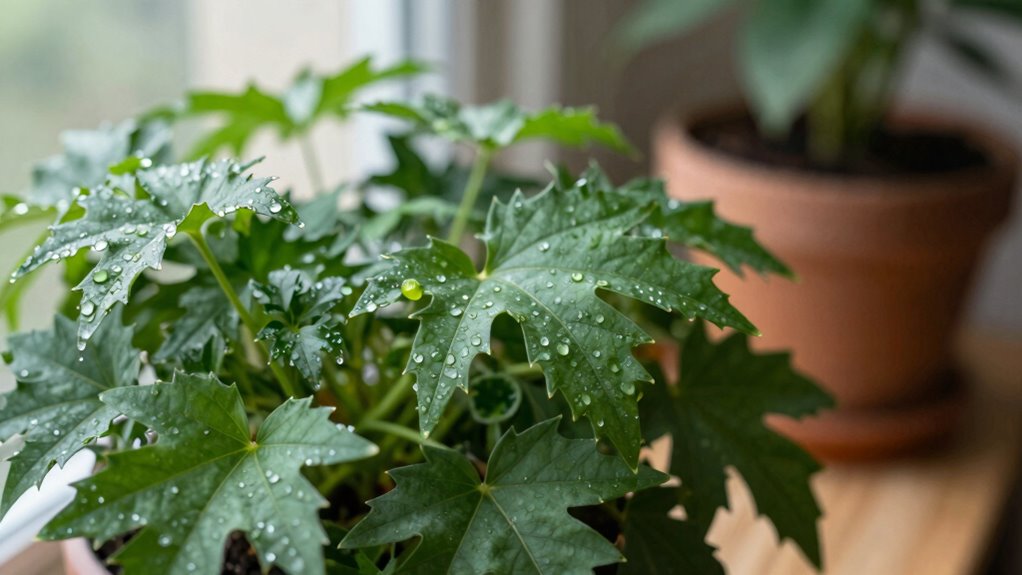
Plants go through quiet periods where they conserve energy and slow their growth, often in response to environmental changes or seasonal shifts. During these times, they pause their usual rapid development to focus on essential functions like root strengthening and stress recovery. This phase is a crucial part of their growth cycles, helping them adapt to changing conditions and prepare for future growth spurts. Instead of continuously investing energy into new leaves, stems,, or flowers, plants slow down, conserving resources until the environment becomes more favorable.
This slowdown isn’t a sign of weakness but a strategic move. When conditions are less than ideal—like during colder months, droughts, or periods of low light—plants can’t sustain their usual pace. Instead, they shift into a quiet mode to minimize stress and prevent damage. During these periods, they often shed leaves or reduce metabolic activity, which helps them recover from stressors like weather fluctuations or pests. Recognizing these natural growth patterns allows you to better understand how plants adapt and thrive across seasons. Understanding how plants manage their energy reserves during dormancy can also inform your care practices. Additionally, knowing about seasonal changes can help you anticipate what your plants need during different times of the year.
By doing so, they guarantee their survival and can bounce back stronger when conditions improve. Their growth cycles are finely tuned to these natural rhythms, allowing them to synchronize their active phases with the most advantageous times of the year. Understanding why some plants need a quiet period helps you appreciate their natural rhythms. It’s not a sign of neglect or poor health but a necessary adaptation. Recognizing the importance of plant growth cycles and respecting these natural patterns allows you to provide the right environment, whether that means offering a cooler space during winter or reducing watering during dormancy. Recognizing their need for stress recovery during these phases allows you to better support their health and ensure they come back vigorous and full of life when the time is right. Embracing these quiet periods ultimately leads to stronger, more resilient plants that can flourish year-round.
indoor plant grow light for dormancy
As an affiliate, we earn on qualifying purchases.
As an affiliate, we earn on qualifying purchases.
Frequently Asked Questions
How Do I Know When My Plant Needs a Quiet Period?
You’ll notice your plant needs a quiet period if growth slows down or stops, especially after vigorous growing phases. During this time, it’s easier to focus on growth stimulation and nutrient absorption, allowing the plant to recover and strengthen. Keep an eye out for signs like drooping leaves or reduced new growth. Providing a period of rest helps your plant optimize its energy, leading to healthier, more robust growth when active again.
Can Plants Recover if They Miss Their Quiet Period?
Yes, plants can recover if they miss their quiet period, but it may take time. Missing dormancy cycles can cause growth suppression and stress, which might weaken the plant. To help, provide ideal care, such as proper watering and nutrients, and give the plant a rest period when possible. With patience, many plants can rebound and resume healthy growth, especially if they’re otherwise healthy.
Are Quiet Periods Necessary for All Types of Plants?
Think of plants as musicians needing rest between performances; not all require quiet periods. While some plants thrive with uninterrupted growth, others depend on these pauses to adjust to environmental factors like light, water, and temperature. Quiet periods aren’t necessary for all types of plants, but understanding each plant’s unique needs helps maximize their growth. Recognizing these differences ensures you provide the right environment for healthy, vigorous plant development.
How Long Should a Plant’s Quiet Period Last?
A plant’s quiet period should last through its natural dormancy phase, which varies by species, typically ranging from a few weeks to several months. During this time, growth cycles slow down, and the plant conserves energy. You should observe signs like leaf drop or slowed growth to determine when dormancy begins and ends. Ensuring the quiet period aligns with its natural cycle helps the plant recharge and grow stronger later.
What Are the Signs of Stress During a Plant’s Quiet Period?
Think of your plant’s quiet period as a lull in a symphony—you’ll notice subtle signs of stress that act like discordant notes. Look for slowed growth regulation, wilting leaves, or discoloration, which signal your plant is under stress. These stress indicators show it’s struggling to adjust or recover. Paying close attention helps you support its needs, ensuring it can bounce back and thrive once the quiet period ends.
Conclusion
Think of a plant’s quiet period as a lullaby, a gentle pause in nature’s symphony. During this time, just like a night’s rest restores a dreamer, the plant gathers strength beneath the surface, preparing for new growth. Embrace these quiet moments, for they’re not empty but full of promise—seeds of resilience waiting to bloom. Sometimes, in silence, nature whispers its most powerful truths, teaching us patience and the beauty of stillness.
Fall yard work Picks
leaf blowers
As an affiliate, we earn on qualifying purchases.