To build a low-waste greenhouse, choose durable, eco-friendly, and locally sourced materials like reclaimed wood and recycled metal. Capture rainwater for irrigation and use solar energy to power equipment. Maximize sunlight exposure, insulate efficiently, and implement water-saving techniques to reduce resource use. Incorporate composting and reusable tools to minimize waste. Focusing on these sustainable practices helps you create an eco-friendly growing space. If you want to explore more ways to make your greenhouse truly sustainable, keep exploring!
Prime for Young Adults — start your free trial
Fast free delivery, streaming and member deals for eligible 18–24 year olds.
As an affiliate, we earn on qualifying purchases.
Key Takeaways
- Use reclaimed, recycled, and locally sourced materials to construct a durable, eco-friendly greenhouse.
- Install rainwater harvesting systems to provide sustainable irrigation and reduce water waste.
- Design for maximum passive solar exposure and incorporate eco-friendly insulation to minimize energy use.
- Implement composting and recycling systems to manage organic waste and promote soil health.
- Power the greenhouse with renewable energy, like solar panels, to reduce reliance on non-renewable resources.

Have you ever wondered how to create a greenhouse that minimizes waste and maximizes sustainability? Building a low-waste greenhouse starts with choosing the right materials. Opt for sustainable materials that are durable, eco-friendly, and often locally sourced. Reclaimed wood, recycled metal, and bamboo are excellent options because they reduce the demand for new resources and help cut down on waste. When possible, select materials that can be reused or repurposed, so your greenhouse remains environmentally friendly over its lifespan. Using sustainable materials not only minimizes your carbon footprint but also promotes a circular approach to building.
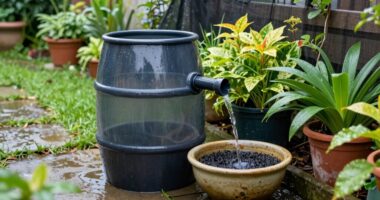
Incorporating rainwater harvesting into your greenhouse design is a smart way to further cut waste and support sustainable growing practices. Installing a rainwater collection system allows you to capture and store rainwater for irrigation, reducing reliance on municipal water supplies. You can set up a simple system with gutters, downspouts, and storage tanks made from recycled or non-toxic materials. Using harvested rainwater ensures your plants get clean, chemical-free water, which promotes healthier growth and minimizes runoff that could harm local ecosystems. Plus, harvesting rainwater is an effective way to conserve water during dry seasons, helping you maintain consistent moisture levels without waste. Additionally, using rainwater harvesting components made from eco-friendly materials can enhance your system’s sustainability. Incorporating energy-efficient design principles can further optimize resource use and minimize environmental impact. Implementing water-saving irrigation techniques can also contribute significantly to reducing overall water use.
To maximize your greenhouse’s sustainability, guarantee your design promotes energy efficiency. Incorporate passive solar principles by positioning your greenhouse to maximize sunlight exposure and using insulation made from eco-friendly materials. This reduces the need for artificial heating and cooling, further lowering resource consumption. Consider installing solar panels to power any necessary equipment, such as fans or automated watering systems. These investments in renewable energy sources keep your greenhouse off the grid and minimize its environmental impact.
Another important aspect is waste management. Create a composting system within or near your greenhouse to recycle organic waste into nutrient-rich soil. This not only reduces waste but also provides a natural fertilizer for your plants, closing the loop in your growing cycle. Avoid single-use plastics by choosing reusable pots, trays, and tools. When you do need to purchase supplies, prioritize products made from biodegradable or recycled materials. Exploring sustainable building practices can further enhance your greenhouse’s eco-friendliness and longevity.
Building a low-waste greenhouse is about making mindful choices at every stage—from selecting sustainable materials and harvesting rainwater to designing for energy efficiency and composting organic waste. Each step helps you reduce your environmental footprint while creating a productive, resilient growing space. With careful planning and commitment, you can enjoy a thriving garden that’s aligned with the principles of sustainability and waste reduction.
As an affiliate, we earn on qualifying purchases.
Frequently Asked Questions
What Are the Best Sustainable Materials for Greenhouse Framing?
You should choose sustainable materials like recycled plastics for framing, as they’re durable and eco-friendly. Incorporate solar panels to power your greenhouse sustainably, reducing reliance on external energy sources. Using recycled plastics minimizes waste and decreases environmental impact while providing strong, weather-resistant support. Combining recycled plastics with solar panels creates an energy-efficient, low-waste greenhouse that supports your sustainable growing goals effectively.
How Can I Reduce Water Usage in My Greenhouse?
You can reduce water usage in your greenhouse by implementing water conservation strategies and efficient irrigation systems. Use drip or soaker hose irrigation to deliver water directly to plant roots, minimizing waste. Collect rainwater for supplemental watering, and monitor soil moisture regularly to avoid overwatering. Mulching helps retain soil moisture, reducing the need for frequent watering. These practices optimize water use, supporting sustainable, low-waste growing.
What Eco-Friendly Heating Options Are Available?
Ever imagined your greenhouse warming naturally, reducing your energy bills? Solar heating is a fantastic eco-friendly option, harnessing the sun’s energy to keep your space warm. Compost heating is another sustainable choice, generating heat as organic matter decomposes. Both options cut down on fossil fuel use, making your greenhouse more environmentally friendly. By choosing solar or compost heating, you support low-waste growing while maintaining an ideal climate for your plants.
How Do I Manage Pests Without Harmful Chemicals?
You manage pests effectively by using companion planting, which naturally repels or confuses pests, and biological control, introducing beneficial insects like ladybugs or predatory wasps to target harmful pests. Regularly inspect your plants, remove diseased or infested leaves, and maintain good airflow to prevent pest build-up. Combining these eco-friendly strategies keeps your greenhouse pest-free without resorting to harmful chemicals, supporting sustainable, low-waste growing.
What Are Cost-Effective Ways to Recycle Greenhouse Waste?
Imagine transforming waste into wealth within your greenhouse. You can use simple composting techniques, like bin or trench composting, to turn plant scraps into rich soil. Implement waste reduction strategies by sorting and reusing materials, such as repurposing containers and recycling plastic pots. These methods are cost-effective, easy to manage, and minimize waste, creating a sustainable cycle that supports your low-waste growing goals while saving money and nurturing healthy plants.
Conclusion
As you finish building your low-waste greenhouse, think of it as planting a tiny seed of change. Just like a gardener nurtures each sprout, your mindful choices now will grow into a flourishing eco-friendly oasis. With patience and care, your greenhouse becomes a beacon of sustainability—proof that even a small garden can ripple outward, inspiring others to cultivate greener, waste-free futures. Your journey is the seed; watch it blossom into lasting impact.
NFL season / tailgating Picks
team gear
As an affiliate, we earn on qualifying purchases.