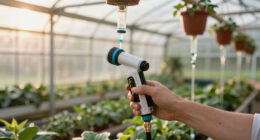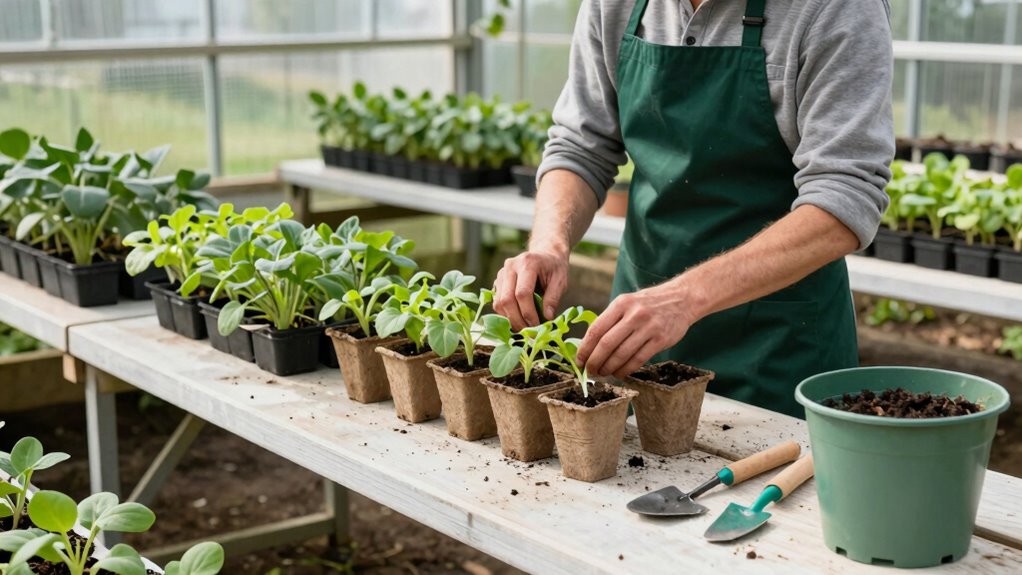
To keep your benches cleaner and smarter, adopt a low-waste potting routine by choosing biodegradable or recycled containers, which break down naturally and reduce clutter. Collect organic scraps for composting, using designated bins for easy sorting. Reuse potting mixes when possible, and replenish soil with compost instead of buying new. Use controlled watering cans to minimize spills, and organize your workspace for efficiency. Keep these habits in mind, and you’ll discover more tips to boost your gardening eco-friendly.
Key Takeaways
- Use biodegradable or reusable containers to reduce waste and keep benches tidy.
- Implement composting to manage organic waste and enrich soil naturally.
- Organize tools and waste bins to streamline cleanup and recycling processes.
- Practice mindful watering and soil handling to minimize spillage and mess.
- Select eco-friendly materials and techniques to promote a cleaner, smarter gardening routine.
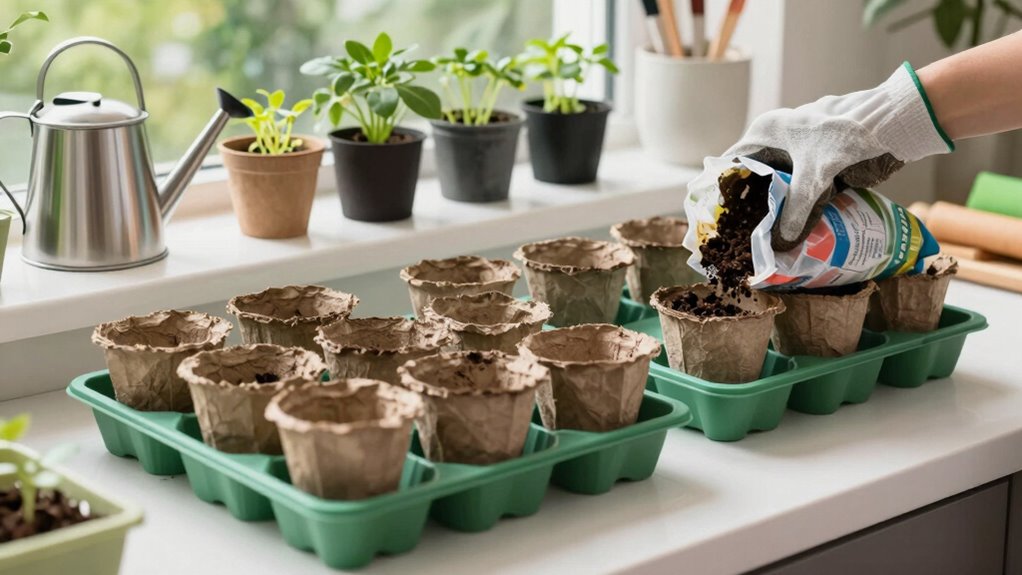
Have you ever wondered how to create a lush garden while minimizing waste? If so, adopting a low-waste potting routine can transform your gardening approach and keep your benches cleaner and smarter. The key is to focus on sustainable materials that reduce the need for frequent replacements and to incorporate composting techniques that recycle organic waste back into your garden. By doing so, you not only cut down on trash but also promote healthier plants and a more eco-friendly environment.
Start by choosing sustainable materials for your containers and tools. Look for pots made from recycled plastics, biodegradable ceramics, or natural fibers that decompose safely over time. These options last longer and reduce the environmental impact compared to traditional plastic pots. When it’s time to repot or clean your tools, avoid using disposable items. Instead, invest in durable, reusable containers, pruning shears, and gloves that can withstand multiple seasons. This approach minimizes waste and saves you money in the long run.
Composting techniques are central to a low-waste routine. Collect organic scraps like vegetable peels, coffee grounds, and grass clippings, and turn them into rich compost that feeds your plants. Composting isn’t complicated; you simply need a designated bin or pile, a balance of greens and browns, and regular aeration. This process reduces kitchen waste, cuts down on trips to the trash, and creates a natural fertilizer that promotes healthy, vigorous growth. Incorporating composting techniques into your routine can significantly reduce your overall waste footprint. Additionally, understanding the importance of biodiversity can help you select plants and practices that support local ecosystems and enhance garden resilience.
When potting plants, consider using compost as part of your soil mix. It enriches the soil naturally and improves water retention, which means fewer watering sessions and less runoff. To further reduce waste, reuse potting mix from previous seasons if it’s still healthy, or replenish it with compost instead of buying new soil every year. This practice minimizes packaging waste and saves money. Also, be mindful of watering habits—using a watering can with a controlled flow reduces excess runoff and waste.
Finally, maintaining a tidy workspace involves sorting your waste properly. Keep separate bins for recyclable plastics, compostable organic waste, and non-recyclables. This simple step helps you stay organized and ensures that each type of waste gets disposed of correctly, reducing contamination and promoting recycling. With these sustainable materials and composting techniques in your routine, you’ll keep your benches cleaner, your garden healthier, and your environmental footprint smaller. Transitioning to a low-waste potting routine isn’t just good for your garden; it’s good for the planet.
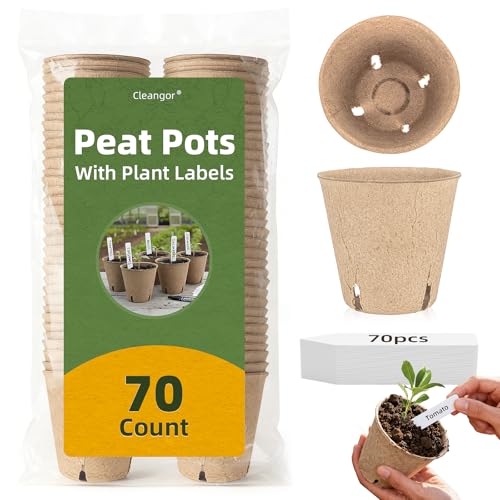
CLEANGOR 70Pcs Biodegradable 3.15” Peat Pots with 70Pcs Plant Labels, Biodegradable Seed Starter Pots with Drainage Holes, Nursery Pots for Seedlings, Herbs, Vegetables, Flowers, Gardening Kit
【Value 70+70 Gardening Kit】 Tired of transplant shock that kills your delicate seedlings? Our Cleangor peat pots solve…
As an affiliate, we earn on qualifying purchases.
As an affiliate, we earn on qualifying purchases.
Frequently Asked Questions
What Materials Are Best for a Low-Waste Potting Routine?
You should choose eco-friendly containers like reusable pots or biodegradable options, which reduce waste and are better for the environment. Use biodegradable mulches to help retain moisture and suppress weeds without creating trash. These materials keep your potting routine low-waste, making your gardening more sustainable. By selecting eco-conscious containers and mulches, you support a cleaner, smarter gardening process that minimizes waste and benefits the planet.
How Can I Recycle or Reuse Potting Supplies Effectively?
A stitch in time saves nine, so start recycling your potting supplies today. You can reuse biodegradable containers for multiple planting cycles, reducing waste. Compost your used potting soil and organic materials using effective composting techniques to turn waste into nutrient-rich compost. When containers are no longer usable, recycle them properly or repurpose them around your garden. This approach minimizes waste, supports sustainability, and keeps your benches cleaner and smarter.
What Are Common Mistakes to Avoid in Low-Waste Potting?
You should avoid overusing soil and neglecting sterilization, which can lead to pests and diseases. Always sterilize your soil to prevent pest infestations, and don’t reuse unclean containers that might harbor pests or pathogens. Be cautious with fertilizers and amendments, only applying what’s needed. Keep your workspace clean, and regularly check for pests. Proper soil sterilization and pest prevention are key to maintaining a low-waste, efficient potting routine.
How Does Low-Waste Potting Impact Plant Health?
Low-waste potting benefits plant health by enhancing soil enrichment, which provides essential nutrients and promotes strong growth. It also aids pest prevention by reducing excess materials that pests thrive on, creating a healthier environment. When you adopt this routine, you help your plants develop resilient roots and resist diseases, all while minimizing waste. This balanced approach keeps your plants vibrant and your workspace clean and efficient.
Are There Specific Tools That Minimize Waste During Potting?
Did you know that using compostable containers can cut waste by up to 50%? You should definitely consider biodegradable tools like wooden dibblers, bamboo trowels, and compostable pots. These minimize waste, reduce plastic pollution, and are eco-friendly. By choosing such tools, you not only keep your workspace cleaner but also support sustainable practices, making your potting routine smarter and more environmentally responsible.

Red Gorilla Small Flexible Plastic Tub, Toy Storage, Laundry, Gardening & More, 14 Liter/3.7 Gallons, Pistachio
Flexible tub that is built to last! It is perfect for use around the home, in the garden…
As an affiliate, we earn on qualifying purchases.
As an affiliate, we earn on qualifying purchases.
Conclusion
By adopting this mindful, low-waste potting routine, you’ll not only nurture your plants but also nurture nature. Keep your benches beautiful by banishing bulk waste and embracing biodegradable basics. Be bold, be balanced, and bring brilliance to your gardening. With a little effort and eco-friendly finesse, you’ll find your forging a fresher, cleaner, smarter space—one small step toward sustainability that makes a significant difference. Let your gardening grow greener, smarter, and more sustainable today!

EPICA Countertop Compost Bin Kitchen | 1.3 Gallon | Odorless Composting Bin with Carbon Filters | Indoor Compost Bin with Lid | Stainless Steel Kitchen Composter for Food Scraps & Waste Recycling
FEATURED IN BON APPETIT & FORBES: Recognized by renowned magazines, EPICA’s compost bin is a perfectly sized marvel…
As an affiliate, we earn on qualifying purchases.
As an affiliate, we earn on qualifying purchases.

2 Gallon Watering Can, Garden Watering Can Outdoor, Plant Water Can with Removable Long Spout and Stainless Steel Sprinkler Head, Large Plastic Outdoor Watering Cans for Gardening Flower Plants
[A THOUGHTFUL ASSISTANT FOR GARDENING LOVERS]-Compared with most of the large watering can on the market, our watering…
As an affiliate, we earn on qualifying purchases.
As an affiliate, we earn on qualifying purchases.