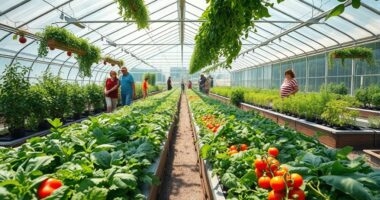
Gardening for wellness boosts your mental clarity, reduces stress, and creates a calming space that enhances your mood. It improves indoor air quality by filtering toxins, supporting respiratory health, and adding natural beauty to your home. Engaging in sustainable practices like composting helps you reduce waste and connect with nature more deeply. Embracing these habits promotes a balanced lifestyle rooted in mindfulness and environmental responsibility. Keep exploring to discover how these tips can transform your well-being and daily routine.
Key Takeaways
- Gardening reduces stress and boosts mood by creating calming, nature-connected indoor and outdoor spaces.
- Growing plants improves air quality, filtering toxins and supporting respiratory health.
- Composting food and yard waste promotes environmental responsibility and provides natural nutrients for plants.
- Engaging in sustainable gardening practices fosters mindfulness, patience, and a deeper understanding of ecological cycles.
- Cultivating a garden enhances overall well-being, responsibility, and confidence, supporting a balanced, eco-friendly lifestyle.

Gardening is more than just a hobby—it’s a powerful way to boost your mental and physical well-being. When you bring indoor plants into your space, you create a calming environment that not only beautifies your home but also enhances your mood. The simple act of caring for houseplants can reduce stress and anxiety, giving you a sense of achievement and connection to nature, even when you’re indoors. Plus, indoor plants like pothos, snake plants, or peace lilies improve air quality by filtering toxins, making your living space healthier and more vibrant.
Incorporating organic composting into your gardening routine takes your wellness benefits further. Instead of tossing food scraps and yard waste into the trash, you transform them into nutrient-rich compost that feeds your plants naturally. This process isn’t just sustainable; it’s therapeutic. As you turn kitchen waste into compost, you engage in a mindful activity that fosters patience and attentiveness. Watching the decomposition process unfold and knowing you’re reducing waste can give you a sense of purpose and environmental responsibility. Plus, using organic compost in your garden or for your indoor plants ensures they receive natural nutrients, leading to healthier growth and fewer chemical dependencies.
By practicing organic composting, you also develop a deeper understanding of the lifecycle of plants and the importance of sustainable practices. It connects you to a cycle that’s essential for the health of the planet and your own well-being. As you nurture your compost pile, you’ll notice that this routine becomes a grounding activity—one that encourages patience and mindfulness. It’s a way to turn everyday waste into a valuable resource, reinforcing your commitment to eco-friendly living. When your plants thrive thanks to organic compost, you experience the satisfaction of nurturing life in a sustainable manner, boosting both your confidence and your sense of contribution to the environment.
Integrating indoor plants and organic composting into your lifestyle can also motivate you to adopt other healthy habits. The sense of responsibility you develop as a plant caregiver can extend into other areas of wellness, like balanced eating, regular exercise, or mindful relaxation. These practices collectively promote a holistic approach to health, rooted in sustainability and connection with nature. So, every time you water your indoor plants or turn kitchen scraps into compost, you’re actively supporting your mental clarity, physical health, and environmental impact—all crucial components of a wellness-focused life.
Frequently Asked Questions
How Does Sustainable Gardening Improve Mental Health?
Sustainable gardening boosts your mental health by engaging you in mindfulness practices, helping you stay present and focused. As you tend to plants, you naturally practice stress reduction techniques that lower anxiety and boost your mood. The act of nurturing your garden provides a sense of accomplishment and calm, which can improve overall mental well-being. Plus, being outdoors and connected to nature enhances your emotional resilience and promotes a positive outlook.
What Are the Best Native Plants for Eco-Friendly Gardens?
Your garden can become a paradise with native flora that truly transforms your outdoor space. Opt for pollinator plants like milkweed, bee balm, and coneflowers, which attract essential pollinators and support local ecosystems. These native plants thrive with minimal effort, reduce water usage, and are adapted to your region’s climate. By choosing native flora, you create an eco-friendly garden that benefits both the environment and your own wellbeing.
How Can Gardening Support Local Biodiversity?
You can support local biodiversity through gardening by creating pollinator habitats that attract bees, butterflies, and other beneficial insects. Plant native species and avoid invasive ones, which helps control invasive species and preserves native ecosystems. By providing diverse habitats and food sources, your garden encourages a thriving local ecosystem, benefiting wildlife and maintaining ecological balance. Your efforts foster resilience and guarantee the health of your community’s natural environment.
Are There Specific Tools to Reduce Gardening Waste?
Did you know that reducing gardening waste can cut your trash by up to 30%? To achieve this, you should consider recycling garden waste through composting or mulching. Using biodegradable tools also helps, as they break down naturally and lessen environmental impact. These strategies make your gardening more sustainable, preventing unnecessary waste while supporting a healthier planet. So, invest in recycling garden waste and choosing eco-friendly tools today!
How Does Composting Contribute to Sustainable Wellness?
Composting boosts sustainable wellness by enriching your soil naturally and reducing waste. When you compost, you recycle organic materials, turning kitchen scraps and yard waste into nutrient-rich soil. This process lessens the amount of waste sent to landfills, lowering greenhouse gases. As a result, you support a healthier environment and create healthier plants, which benefits your overall wellbeing. It’s a simple, effective way to promote eco-friendly habits that nourish both the earth and your wellness.
Conclusion
Imagine planting a seed today that grows into a healthier, happier you tomorrow. Just like tending a garden, caring for yourself through sustainable habits nurtures your mind and body. Studies show that gardening reduces stress and boosts mood, proving it’s more than just a hobby—it’s a pathway to wellness. So, dig in, get your hands dirty, and watch how cultivating green spaces can transform your life, one mindful step at a time.