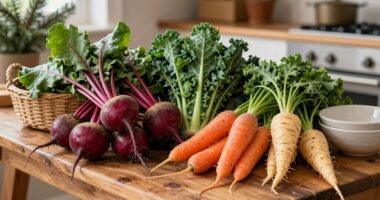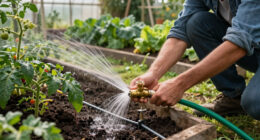
Establishing a consistent greenhouse routine—by regularly planting, maintaining, and harvesting—makes using homegrown food much easier. It allows you to enjoy fresh produce year-round, reduces reliance on store-bought items, and simplifies meal planning. Staying organized and connected with your plants guarantees a steady supply of veggies and herbs whenever you need them. If you keep this habit, you’ll find harvesting and incorporating your homegrown bounty into daily meals becomes second nature. Keep going to learn more tips for success.

Get garden gear delivered free with Prime
- Fast, free delivery on millions of items
- Prime Video, Amazon Music and more included
- Member-only deals all year
Key Takeaways
- Establishing a consistent routine of indoor greenhouse maintenance simplifies crop management and ensures continuous harvests.
- Incorporating climate control allows for extended growing seasons and reliable conditions, making homegrown food more accessible year-round.
- Using integrated sustainable practices like composting and rainwater harvesting streamlines resource use and promotes easy, eco-friendly food production.
- Starting seedlings early in the greenhouse accelerates growth, providing quicker access to fresh, homegrown produce.
- Regular monitoring and adjustments foster healthy plants, reducing waste and making harvests more predictable and easier to utilize.
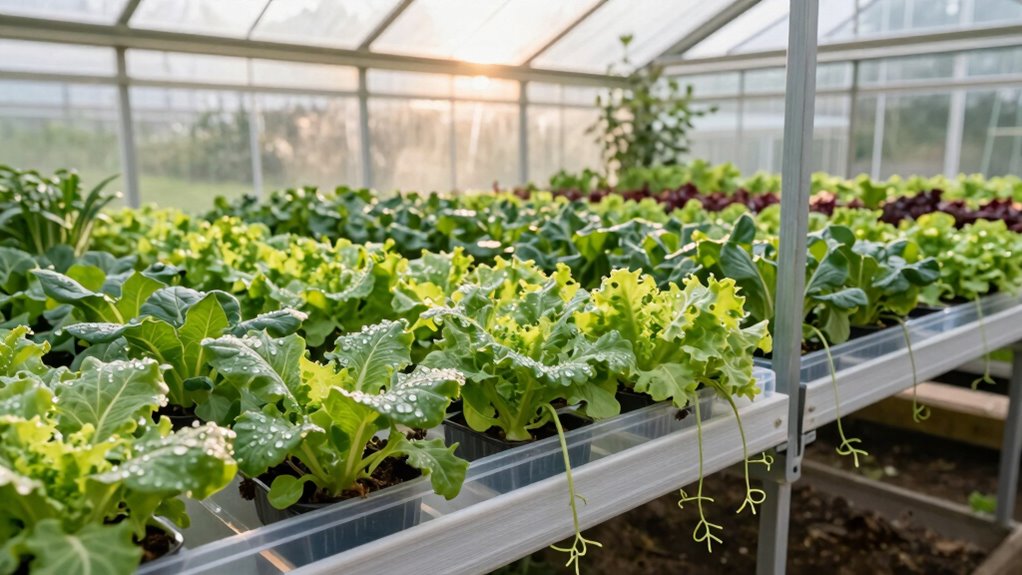
Creating a greenhouse at home can transform your gardening routine into a simple and rewarding lifestyle habit. With a greenhouse, you gain control over your environment, making it easier to grow fresh, homegrown food year-round. This setup aligns perfectly with urban gardening, allowing you to maximize limited space while boosting your self-sufficiency. Instead of relying solely on outdoor garden plots, you create a dedicated indoor or semi-indoor space that’s protected from harsh weather, pests, and unpredictable climate changes. This means you can enjoy fresh vegetables, herbs, and even small fruiting plants regardless of the season, making your meal planning more flexible and sustainable.
Transform your gardening routine with a greenhouse—grow fresh food year-round and maximize limited urban space sustainably.
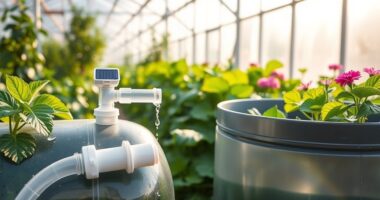
Investing in a greenhouse encourages sustainable practices naturally. You reduce your dependence on store-bought produce, which often involves long transportation routes and packaging waste. Growing your own food minimizes your carbon footprint and promotes eco-friendly habits. You can also incorporate composting and rainwater harvesting into your greenhouse system, further enhancing your commitment to sustainability. These practices make your garden more self-sufficient, reducing waste and conserving resources. Plus, a greenhouse allows you to experiment with organic methods, avoiding harmful chemicals and pesticides, which benefits both your health and the environment.
Once you set up your greenhouse, you’ll find it easier to integrate regular gardening into your daily routine. The controlled environment means you don’t have to wait for perfect weather or worry about pests destroying your crops. You can start seedlings early in the season and extend your growing period far beyond what outdoor gardening permits. This consistent access to fresh produce simplifies shopping and meal prep, encouraging healthier eating habits. As you become more involved in urban gardening through your greenhouse, you’ll develop a deeper understanding of plant care, soil health, and sustainable farming techniques, making your efforts more effective and enjoyable.
Additionally, maintaining a greenhouse encourages mindfulness and a connection to nature, which can be especially valuable if you live in a busy city. It becomes a peaceful retreat where you can unwind and focus on nurturing your plants. Over time, this habit becomes second nature, seamlessly fitting into your lifestyle. The ease of growing your own food in a greenhouse not only saves money but also reduces food waste, as you harvest only what you need. By adopting this lifestyle habit, you turn gardening from a seasonal chore into a year-round, sustainable activity that enriches your life and promotes healthier living. Incorporating climate control into your greenhouse setup can further improve your gardening success and extend your growing seasons even more.
As an affiliate, we earn on qualifying purchases.
Frequently Asked Questions
How Much Does Setting up a Greenhouse Typically Cost?
Setting up a greenhouse usually costs between $1,000 and $10,000, depending on size, materials, and features. You should consider cost considerations like sturdy framing, glazing options, and ventilation. For budget planning, start small with DIY kits or basic structures, then upgrade as needed. Keep in mind that additional costs like heating, irrigation, and maintenance can add up, so plan accordingly to stay within your budget.
What Are the Best Plants to Grow in a Greenhouse?
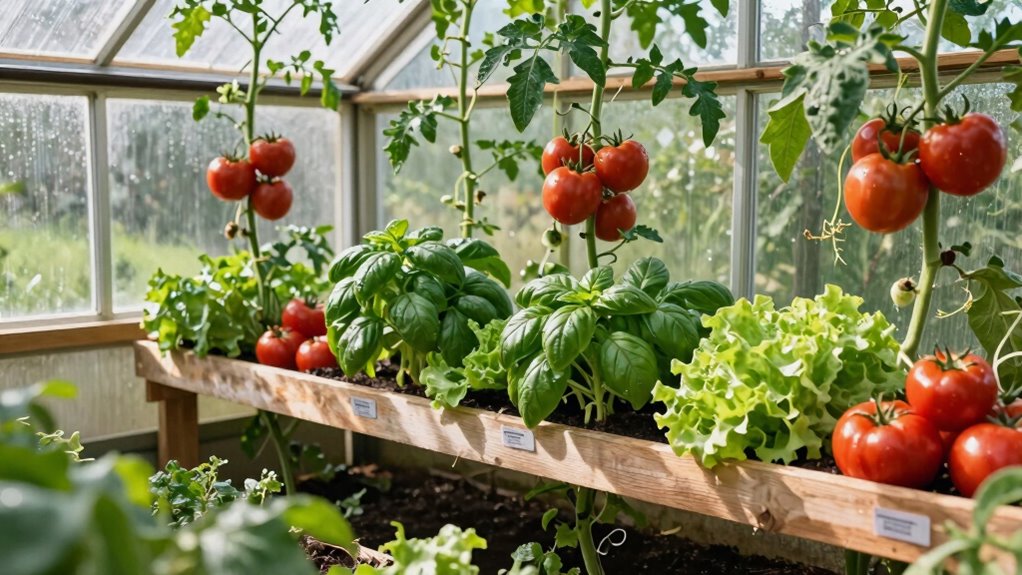
You should grow plants like tomatoes, peppers, herbs, and leafy greens in your greenhouse. These thrive in controlled environments, making plant pest management easier and reducing the need for pesticides. Use organic fertilization to promote healthy growth and flavor. Regularly monitor your plants, ensuring they stay pest-free and well-nourished, which leads to a bountiful harvest and delicious, homegrown food.
How Much Space Is Needed for a Small Greenhouse?
Think of a small greenhouse as your cozy spaceship, needing about 6 to 8 feet wide and 8 to 12 feet long. You’ll want to optimize plant spacing to prevent overcrowding, allowing each plant room to thrive. Use greenhouse accessories like shelves and adjustable vents to maximize space and control climate. With this setup, you can comfortably grow a variety of vegetables and herbs, turning even a compact space into a lush haven.
What Are Common Greenhouse Climate Control Methods?
You can control your greenhouse climate effectively with methods like vertical aeration, which improves airflow and prevents overheating, and humidity regulation, essential for healthy plant growth. Use exhaust fans or vents for ventilation, and deploy humidifiers or dehumidifiers to maintain ideal moisture levels. Combining these techniques helps create a stable environment, making it easier to grow and use homegrown food efficiently.
How Often Should I Water Greenhouse Plants?
You should water your greenhouse plants when their soil feels dry about an inch below the surface. Establish a consistent watering schedule, typically every 1-2 days, depending on the plant type and weather conditions. Proper plant hydration is essential, so monitor your plants daily to prevent overwatering or underwatering. Adjust your watering routine as needed, especially during hotter or cooler days, to keep your plants healthy and thriving.
Conclusion
By adopting a greenhouse lifestyle habit, you turn your backyard into a thriving oasis where homegrown food becomes your freshest, easiest bounty. Just like a well-tended garden blooms with life, this habit cultivates a seamless flow from planting to plate. Embrace this approach, and you’ll find that harvesting your own produce feels as natural as the sun rising—making your homegrown meals not just easier, but truly a part of your everyday rhythm.
Halloween Picks
halloween
As an affiliate, we earn on qualifying purchases.