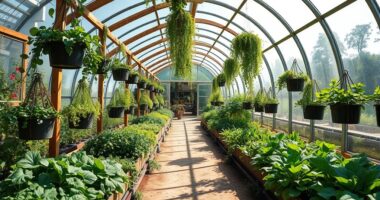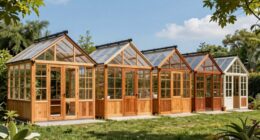
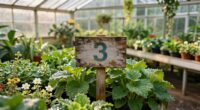
By embracing the Slow Food Movement alongside greenhouse growing, you can enjoy fresh, local produce year-round while supporting sustainability and community resilience. Greenhouses extend growing seasons, making seasonal eating possible even during off months. This approach reinforces mindful, quality-focused choices and reduces reliance on imports, lowering environmental impact. Continuing this path helps you connect more deeply with local land cycles and promotes a resilient, eco-friendly food system—there’s more to discover about making this sustainable lifestyle work for you.
Key Takeaways
- Greenhouse growing enables year-round access to local, seasonal foods, supporting the Slow Food Movement’s emphasis on quality and sustainability.
- The Slow Food Movement encourages mindful, slow practices that include extending the growing season through greenhouse cultivation.
- Greenhouses reduce reliance on imported produce, aligning with local food sovereignty and decreasing environmental impact.
- Incorporating greenhouse-grown produce helps create resilient, autonomous local food systems consistent with Slow Food principles.
- Supporting greenhouse practices promotes sustainable farming, preserves local varieties, and fosters a deeper connection to land and seasonal cycles.

Have you ever wondered how eating locally can transform your diet and support your community? When you choose to prioritize local foods, you’re not just making a healthier choice for yourself—you’re actively participating in strengthening food sovereignty. Food sovereignty means having control over your food sources, supporting local farmers, and ensuring that your community’s agricultural systems are resilient and sustainable. By focusing on seasonal eating, you align your diet with nature’s cycles, which means consuming foods at their peak freshness and nutritional value. This practice reduces reliance on imported produce and encourages a deeper connection to where your food comes from.
Eating seasonally might seem limiting at first, but it actually opens up a world of variety throughout the year. As you embrace the rhythms of local harvests, you learn to appreciate the natural ebb and flow of available produce. This approach not only benefits your health but also diminishes your carbon footprint, since seasonal foods require less energy-intensive methods to grow and transport. When you buy in sync with local harvests, you’re supporting farmers who work hard to bring fresh, nutritious foods to market, which in turn bolsters the local economy. Additionally, understanding the importance of spiritual energy can help deepen your connection to the land and your food choices, fostering mindfulness and gratitude for nature’s cycles.
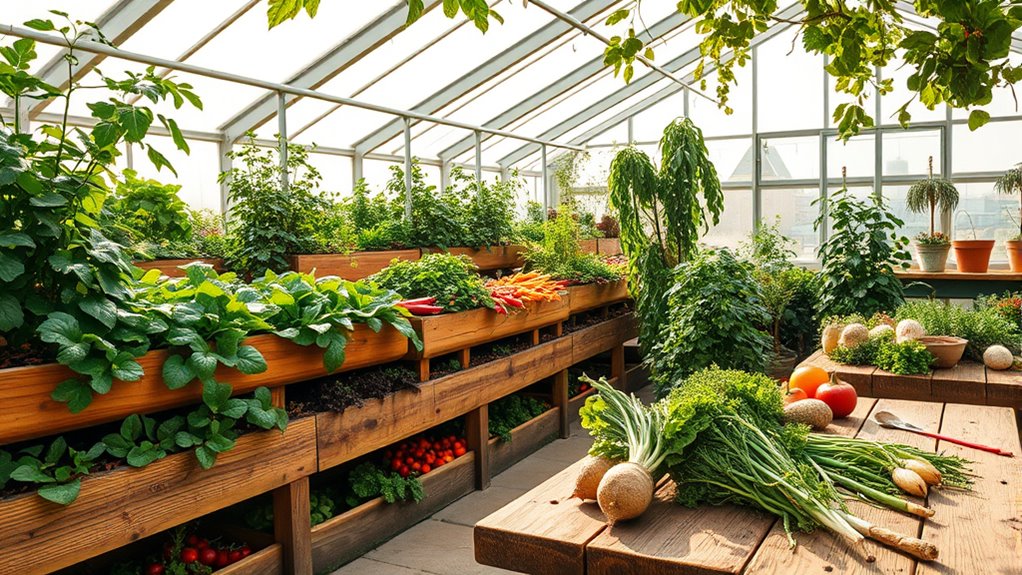
The slow food movement champions this idea by emphasizing quality, tradition, and sustainability over convenience. It encourages you to take the time to select, prepare, and savor foods that are grown nearby, fostering a relationship with your food that’s rooted in respect and mindfulness. Greenhouse growing plays a crucial role here, extending the growing season and allowing you to enjoy fresh produce during months when outdoor harvesting isn’t possible. This technology helps bridge the gap between seasons, making it feasible to eat locally all year round without sacrificing variety or freshness.
By incorporating greenhouse-grown vegetables and fruits into your diet, you support sustainable farming practices that reduce the need for long-distance transportation. This not only conserves energy but also helps maintain the integrity of local food systems. As you prioritize eating seasonally and supporting greenhouse cultivation, you contribute to a more resilient, autonomous food system—one that’s less vulnerable to global supply chain disruptions.
Ultimately, choosing to eat locally year-round, whether through seasonal eating or greenhouse-grown produce, empowers you to take control of your food choices. It’s a meaningful way to promote food sovereignty, reduce environmental impact, and cultivate a deeper appreciation for the natural cycles that sustain us. This conscious approach to eating aligns your habits with the health of your community and the planet, making every meal a step toward a more sustainable future.
Frequently Asked Questions
How Does Greenhouse Growing Impact Local Biodiversity?
Greenhouse growing can impact local biodiversity by reducing plant diversity in natural habitats, as it often relies on monocultures or non-native species. This practice can disrupt ecosystem balance, making local ecosystems more vulnerable to pests and diseases. When you focus on greenhouse cultivation, you may unintentionally diminish the variety of native plants, which are essential for maintaining healthy, resilient ecosystems and supporting diverse wildlife.
Are There Cost Differences Between Traditional and Greenhouse Farming?
You’ll find that greenhouse farming often has higher upfront costs, with costs comparison showing significant investment in technology and infrastructure. However, it can be more economically viable over time due to extended growing seasons and higher yields. Traditional farming tends to be cheaper initially but may face seasonal limitations. Your decision hinges on balancing these costs against potential gains, ensuring sustainable, year-round local food production that supports your community’s needs.
What Are the Environmental Impacts of Greenhouse Agriculture?
Greenhouse agriculture impacts the environment by reducing urban pollution and conserving water, but it also has drawbacks. You might notice lower emissions due to controlled environments, yet energy use for heating and cooling can increase, contributing to pollution. Water conservation is often a benefit, but if not managed carefully, greenhouse systems can still strain local water resources. Overall, it offers a balance, but mindful management is key to minimizing environmental impacts.
How Can Consumers Support Greenhouse Growers Locally?
You can support local greenhouse growers by shopping at farmers’ markets and joining community-supported agriculture programs. These options connect you directly with farmers, ensuring your money helps sustain local produce. By choosing these avenues, you promote environmentally friendly practices and reduce your carbon footprint. Plus, you get fresh, seasonal foods while strengthening your community’s economy. Your support encourages sustainable greenhouse farming and helps keep local food options available year-round.
What Are Innovative Technologies Enhancing Greenhouse Sustainability?
Imagine greenhouses as thriving ecosystems powered by innovation. You can see vertical farming stacking crops skyward, maximizing space and reducing land use. Solar panels and wind turbines harness renewable energy, turning sunlight and breeze into clean power. These technologies boost sustainability by lowering carbon footprints and conserving resources. As a consumer, supporting these advancements helps create resilient, eco-friendly food systems, making your local produce fresher, greener, and better for the planet.
Conclusion
By choosing to eat local year-round, you support sustainable farming and enjoy fresher, tastier food. It’s easier than you think to adapt your habits and make a positive impact on the environment. Isn’t it worth considering how your choices can help preserve our planet for future generations? Small changes in your eating habits can create big ripples. So, why not start today and embrace the slow food movement for a healthier, more sustainable world?