The most overlooked greenhouse number by beginners is humidity. Many forget how vital it is for plant health, growth, and disease prevention. Proper humidity levels ensure nutrient absorption, prevent mold, and keep plants strong. Fluctuations can stress plants and disrupt your care routine. Mastering humidity control with the right tools and techniques can transform your greenhouse’s success. Keep going, and you’ll find easy tips to stabilize your environment and boost your harvest.
Listen free for 30 days with Audible
Thousands of audiobooks and originals — cancel anytime.
As an affiliate, we earn on qualifying purchases.
Key Takeaways
- Many beginners overlook the importance of monitoring actual humidity levels rather than just temperature.
- The critical number is the optimal humidity range specific to each plant species.
- Ignoring consistent humidity tracking leads to stress, disease, and slowed growth.
- Proper placement and calibration of hygrometers ensure accurate humidity readings.
- Maintaining stable humidity levels is essential for healthy transpiration, nutrient uptake, and overall plant vitality.

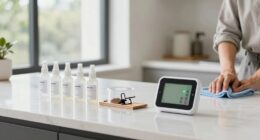
TempPro TP50 Digital Hygrometer Indoor Thermometer Room Thermometer
- Wellness Indicator: Air condition status with icons
- High Accuracy & Fast Updates: ±2-3%RH and ±1°F, updates every 10 seconds
- Record High & Low: Displays temperature and humidity extremes
As an affiliate, we earn on qualifying purchases.
As an affiliate, we earn on qualifying purchases.
Why Humidity Monitoring Is Critical for Greenhouse Success

Monitoring humidity levels is essential because it directly affects plant health and growth in your greenhouse. When humidity is just right, it supports ideal plant transpiration, allowing plants to absorb nutrients efficiently and maintain healthy growth. Different plants thrive in specific humidity zones, so knowing your greenhouse’s humidity helps you create the perfect environment. If humidity is too high, plants may struggle with excess moisture, leading to issues like mold or disease. Too low, and plants can suffer from dehydration and slowed growth. By keeping a close eye on humidity levels, you can adjust ventilation, misting, or heating systems to maintain the perfect balance. Understanding humidity management is crucial for optimizing plant development, ensuring your plants stay healthy, vigorous, and productive. Proper environmental controls enable precise adjustments to support your plants’ needs and prevent problems before they occur. Additionally, incorporating reliable sensor technology can help you monitor these levels continuously and make timely adjustments. Real-time data from advanced sensors allows for more proactive climate control, further safeguarding plant health.
How Humidity Levels Impact Plant Growth and Disease
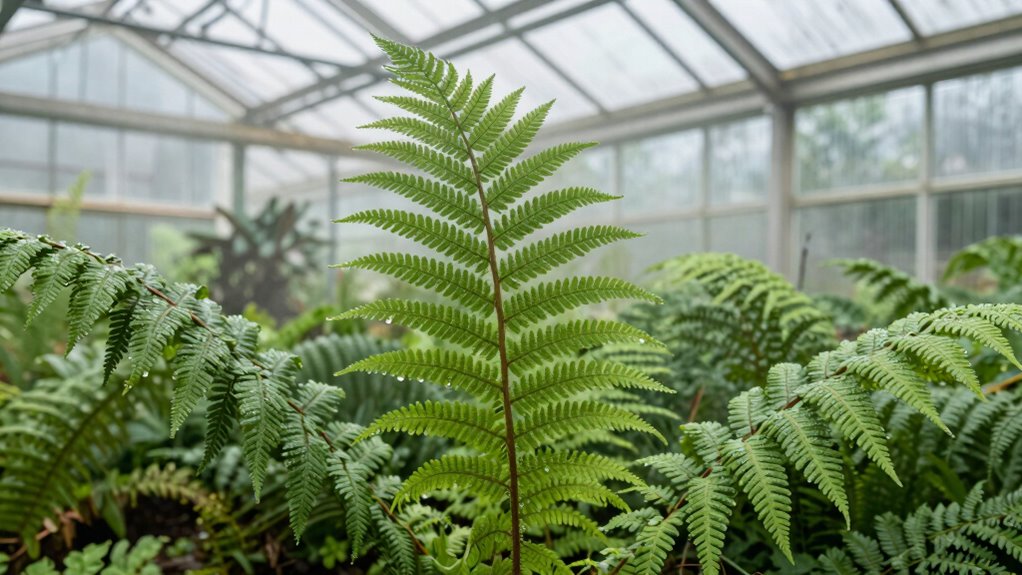
Humidity levels directly influence how well your plants grow and their susceptibility to disease. Too high humidity encourages plant disease by creating a damp environment that fungi and bacteria thrive in. Conversely, low humidity can stress plants, slowing growth and weakening their defenses. Proper air circulation helps maintain ideal humidity, reducing the risk of disease and promoting healthy growth. When humidity is balanced, plants develop stronger stems and vibrant foliage. Additionally, air circulation plays a crucial role in preventing the buildup of excess moisture, further protecting plants from disease. Monitoring and adjusting humidity ensures your plants stay healthy and resilient. Maintaining optimal humidity is essential for the overall health and aesthetic of your greenhouse environment. Understanding how humidity levels interact with plant health can help you create a more robust and thriving greenhouse ecosystem. Proper humidity management also benefits plant transpiration, aiding nutrient uptake and overall vitality. Regularly assessing environmental factors helps optimize conditions for plant growth and disease prevention.
Avoid These Common Mistakes When Managing Greenhouse Humidity
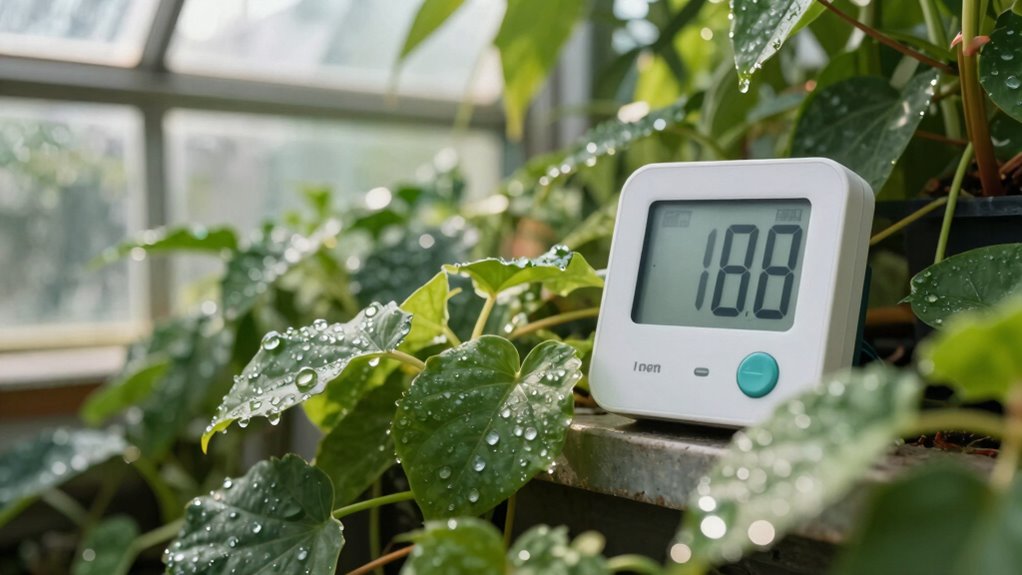
Many beginners overlook the importance of monitoring humidity levels, which can lead to plant stress or disease. Using the wrong equipment or ignoring proper ventilation can worsen these issues quickly. Paying attention to these common mistakes helps you maintain a healthy, balanced greenhouse environment. Additionally, understanding the Keys to Creative Entrepreneurship can inspire innovative solutions for managing your greenhouse more effectively. Incorporating reliable environmental monitoring tools ensures you stay on top of humidity and temperature fluctuations, preventing costly mistakes. Understanding the contrast ratio of your equipment can also help optimize your greenhouse conditions by providing clearer, more detailed visuals for plant monitoring. Integrating smart home automation systems can further enhance your ability to control and respond to environmental changes efficiently.
Overlooking Humidity Levels
One of the biggest mistakes beginners make is overlooking humidity levels, which can lead to unhealthy plant growth or disease problems. When humidity is too high or low, it disrupts plant transpiration and creates uneven humidity gradients inside your greenhouse. This imbalance can cause stress, poor nutrient uptake, and increase disease risk. To avoid this, regularly monitor humidity levels with a reliable gauge. Maintaining proper airflow to prevent stagnant air pockets and ensure even moisture distribution is also crucial, as air circulation plays a vital role in humidity control. Additionally, understanding ideal humidity ranges for your specific plants can significantly improve their health and growth. Proper ventilation strategies are essential for maintaining consistent humidity levels. Addressing humidity levels helps your plants transpire properly and promotes a healthy, disease-free environment. Furthermore, incorporating climate control systems can help automate and stabilize humidity, reducing manual adjustments and maintaining optimal conditions. Being aware of humidity fluctuations can help you anticipate and prevent potential problems before they escalate.
Using Wrong Equipment
Using the wrong equipment can undermine your efforts to maintain proper greenhouse humidity. Inadequate tools may lead to fluctuating moisture levels, affecting plant nutrition and seed selection. For example, using a basic humidifier instead of a professional-grade model can cause inconsistent humidity, harming plant growth. To avoid this, choose equipment suited to your greenhouse size and plant needs. Ensuring consistent readings with accurate monitoring tools is essential for optimal conditions. Additionally, selecting appropriate equipment tailored to your specific greenhouse environment helps maintain stable conditions, supporting healthy growth and better plant nutrition. Proper equipment maintenance is also crucial to prevent malfunctions that could disrupt humidity control.
Ignoring Ventilation Needs
Neglecting proper ventilation can quickly lead to excessive humidity levels, creating an environment perfect for mold, diseases, and pest problems. Without good ventilation design, your greenhouse struggles to maintain ideal conditions. To avoid this, focus on airflow optimization by ensuring vents, fans, and open spaces work together effectively. Poor ventilation traps moisture, raising humidity and risking plant health. Additionally, integrating smart ventilation systems can help monitor and adjust airflow automatically for optimal conditions. Understanding airflow dynamics is crucial to creating a balanced environment that prevents these issues from developing. Recognizing how air circulation patterns influence moisture distribution can further enhance your ventilation strategy. Proper ventilation planning is essential for maintaining a healthy growing environment and preventing humidity-related problems.
Best Tools and Techniques to Measure Greenhouse Humidity
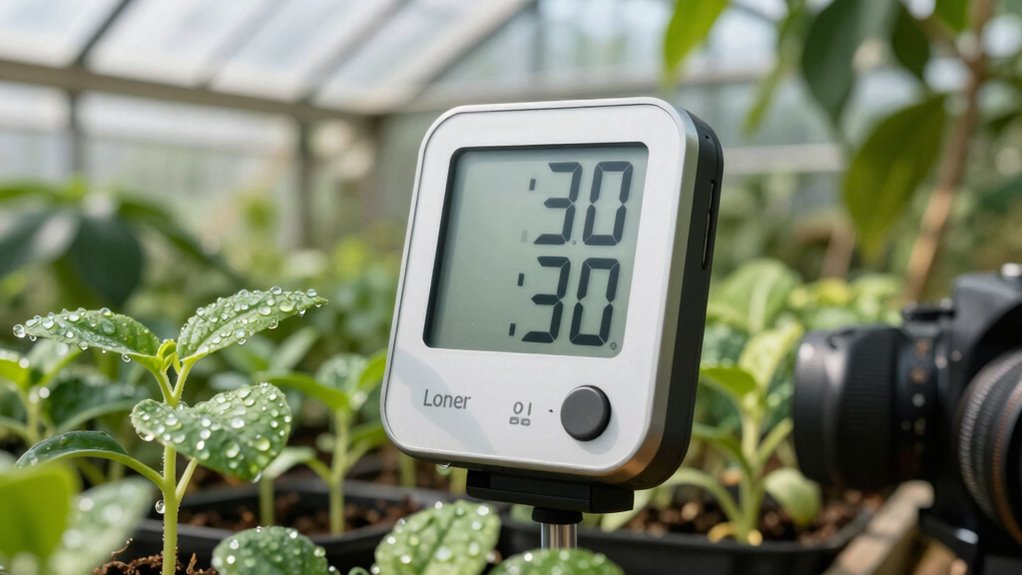
To keep your greenhouse humidity in check, you need reliable tools like accurate hygrometers. Proper placement is key—avoid spots with direct sunlight or drafts—so you get true readings. Learning to interpret these levels helps you adjust your environment effectively and keep your plants healthy.
Choosing Accurate Hygrometers
Choosing the right hygrometer is vital for accurately measuring greenhouse humidity, as not all tools provide the same level of precision. An accurate hygrometer helps you monitor soil moisture, essential for plant health, and maintain ideal temperature control. To guarantee reliability, look for devices with digital readouts, calibration options, and quick response times. Avoid cheap analog models that often drift or give inconsistent readings. Consider a hygrometer with a built-in thermometer for combined data, simplifying your monitoring process. Regular calibration and comparison with a known standard improve accuracy. Remember, precise humidity measurement supports better soil moisture management and temperature regulation, leading to healthier plants. Selecting a high-quality hygrometer is a small investment that greatly impacts your greenhouse’s success.
- Digital with calibration features
- Combined hygrometer and thermometer
- Quick response time
Best Placement Strategies
Where should you position your hygrometers to get the most accurate readings? Place them at plant canopy level, away from vents, doors, or direct sunlight. Avoid areas with fluctuating temperatures, as these skew humidity measurements. Positioning hygrometers correctly helps you monitor not just humidity but also soil nutrients, which influence plant health. Proper placement supports ideal pest control by detecting humidity spikes that favor mold or pests. Keep sensors in shaded, well-ventilated spots, ensuring consistent readings. Regularly calibrate your hygrometers to maintain accuracy. Using multiple sensors in different zones provides an all-encompassing humidity profile. This strategic placement helps you make precise adjustments, creating a balanced environment that supports healthy plant growth, better soil nutrient management, and effective pest control.
Interpreting Humidity Levels
Ever wondered how to accurately interpret humidity levels in your greenhouse? Understanding moisture levels is key to effective humidity control, ensuring your plants thrive. To do this, you need reliable tools and techniques. Use digital hygrometers for precise readings, and place them at plant canopy height for accuracy. Regularly monitor these levels to identify trends and adjust your environment accordingly. Keep an eye on ambient humidity, especially during seasonal changes or weather shifts. Proper interpretation helps prevent issues like mold or dehydration.
- Calibrate your hygrometers regularly for reliable data
- Record readings at different times to track fluctuations
- Combine digital and analog tools for exhaustive insights
Simple Tips for Maintaining the Right Humidity in Your Greenhouse
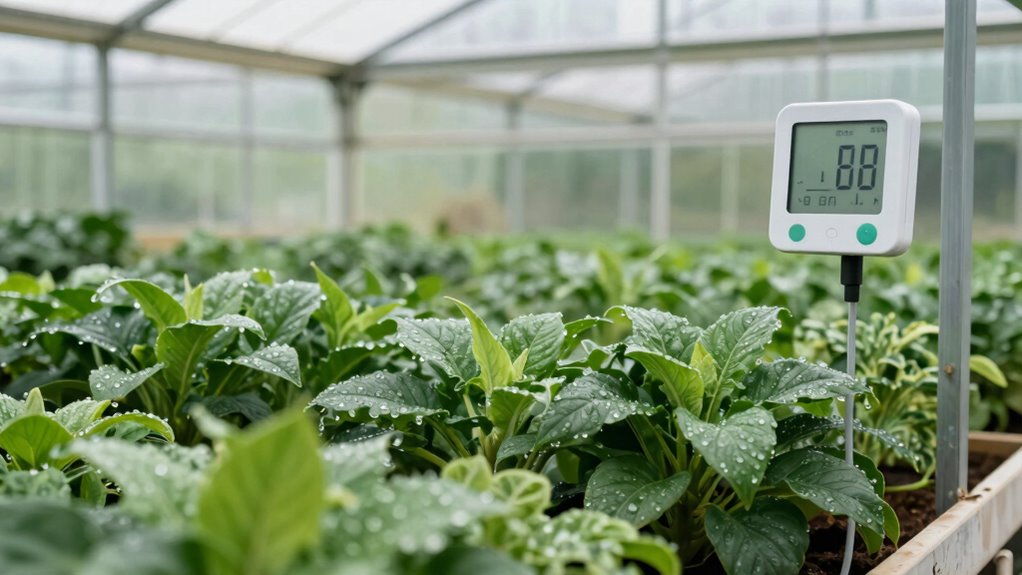
Maintaining the right humidity levels in your greenhouse is essential for healthy plant growth, and it’s easier than you might think. To improve humidity control, start by monitoring your environment regularly with a hygrometer. Use simple methods like misting or placing water trays to boost humidity when needed, especially during dry spells. Conversely, increase ventilation or use exhaust fans to lower humidity if it gets too high. Remember, humidity directly affects plant transpiration, helping plants absorb nutrients efficiently. Consistent checks and adjustments ensure your plants stay in the ideal humidity range. Keep a routine, and don’t hesitate to tweak your methods based on seasonal changes or plant needs. Proper humidity management promotes vigorous growth and minimizes disease risk.
How Humidity Fluctuations Affect Your Plant Care Routine
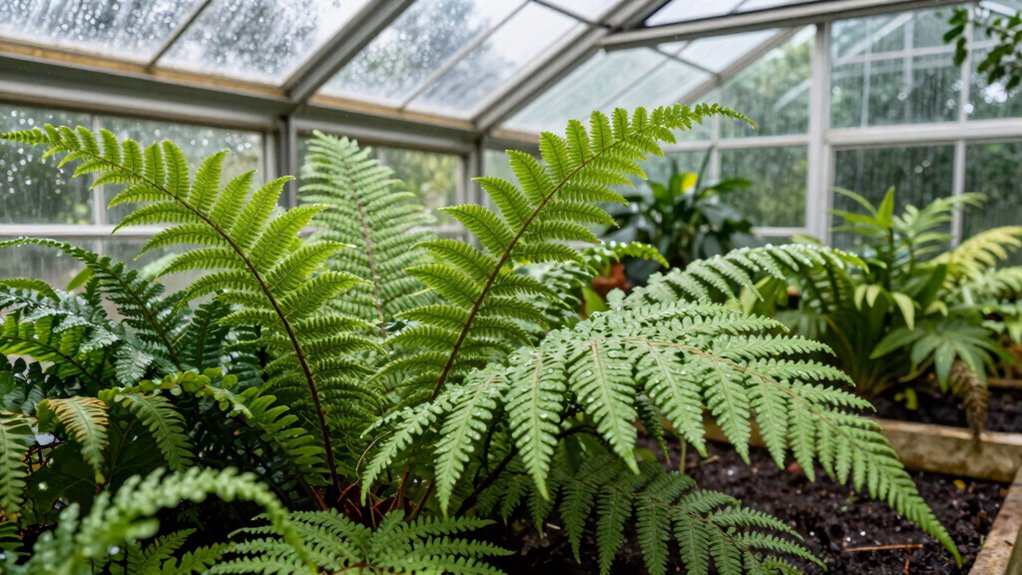
Fluctuations in humidity levels can considerably disrupt your plant care routine, making it harder for your plants to thrive. When humidity drops suddenly, soil moisture evaporates faster, leading to dry roots and stressed plants. Conversely, high humidity can cause excessive moisture, increasing the risk of mold and pests. These fluctuations require you to adjust watering schedules frequently. Additionally, inconsistent humidity can weaken plant defenses, making pest control more challenging. You might notice pests like spider mites or aphids appearing when conditions shift unexpectedly. To manage this, monitor humidity levels closely and maintain stable conditions. Staying consistent helps keep soil moisture balanced and reduces pest problems, ensuring your plants stay healthy and resilient.
- Soil moisture levels stay steady, preventing stress
- Pest populations are less likely to explode
- Your routine becomes more predictable
Troubleshooting Humidity Problems and Preventing Mold

When humidity levels become unbalanced, mold can quickly develop on your plants or inside your greenhouse. To prevent this, monitor soil moisture regularly, ensuring it stays within ideal ranges. Overly moist soil creates a breeding ground for mold and fungi, so avoid overwatering and improve drainage if needed. Proper ventilation is essential; it helps regulate humidity and reduces stagnant air, which can harbor pests and mold spores. Keep pest control measures in place, as pests can damage plants and create entry points for mold. Use fans or exhaust systems to circulate air and maintain consistent humidity levels. Regularly inspect plants for early signs of mold or pests, and act immediately to keep your greenhouse environment healthy and mold-free.
Why Paying Attention to Humidity Can Boost Your Greenhouse Harvest
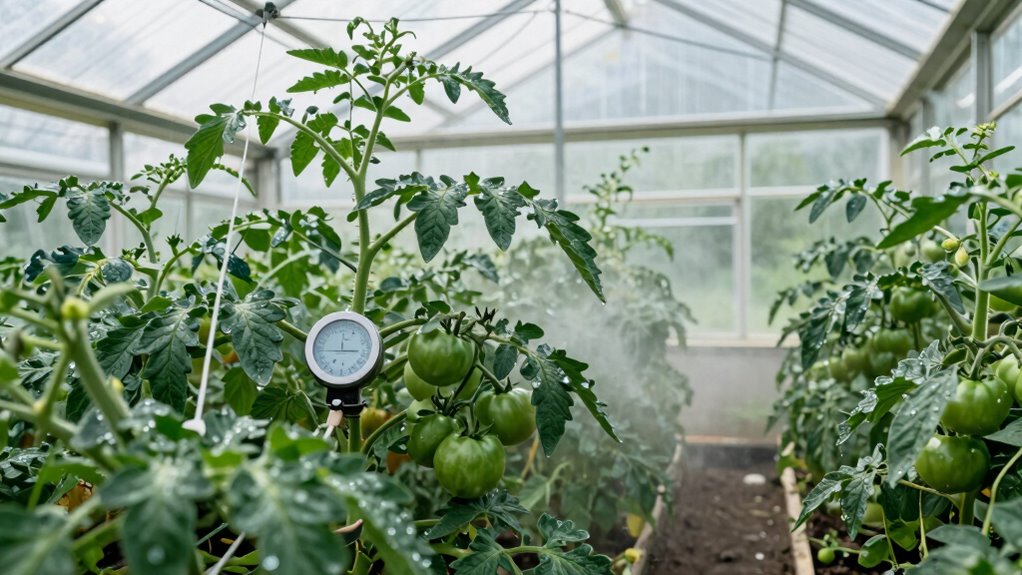
Have you ever noticed how the right humidity levels can make a difference in your greenhouse’s productivity? Proper humidity control influences plant transpiration, which is crucial for nutrient uptake and growth. When humidity is too low, plants struggle to absorb water, leading to stunted growth. Conversely, high humidity can encourage mold and disease. By monitoring and adjusting humidity, you optimize conditions for healthy transpiration, boosting yields.
- Promotes healthy plant transpiration for better nutrient absorption
- Prevents mold and disease caused by excess moisture
- Guarantees consistent growth and higher harvest quality
Paying attention to humidity helps you create an ideal environment for your plants, maximizing your greenhouse’s potential. Small adjustments in humidity control can make a significant difference, turning a good harvest into a great one.
Frequently Asked Questions
What Is the Ideal Humidity Level for Different Types of Greenhouse Plants?
You should aim for humidity levels between 50-70% for most greenhouse plants. This range optimizes climate control, preventing diseases and supporting healthy plant transpiration. For tropical plants, 60-80% humidity mimics their natural environment, while succulents prefer drier conditions of 30-50%. Maintaining proper humidity guarantees your plants thrive, reduces stress, and encourages vigorous growth, making your greenhouse more productive and enjoyable.
How Often Should I Check Humidity Levels in My Greenhouse?
You should check your greenhouse’s humidity levels daily to maintain ideal climate control and prevent issues. Regular monitoring helps you quickly spot fluctuations that could lead to pests or plant stress. Use a reliable hygrometer, especially during seasonal changes, and adjust ventilation or humidifiers as needed. Consistent checks ensure your plants stay healthy, reduce pest problems, and keep the environment suitable for growth.
Can Too Much Humidity Harm My Plants, and How?
Think of your greenhouse as a delicate dance floor—too much humidity can throw off the rhythm. Excess humidity hampers humidity control, causing plants to struggle with transpiration, the process they use to absorb water and nutrients. When humidity is too high, plants can develop mold, root rot, and fungal diseases. Keep humidity in check to maintain healthy transpiration and prevent these harmful issues.
What Are the Best Affordable Tools for Measuring Greenhouse Humidity?
You should look for cost-effective sensors and DIY humidity meters to measure greenhouse humidity accurately. Affordable digital hygrometers are easy to find online or at garden centers, providing reliable readings without breaking the bank. DIY options, like repurposing Arduino or Raspberry Pi kits with humidity sensors, let you customize your setup. These tools help you monitor humidity levels closely, ensuring your plants stay healthy and thriving.
How Does Humidity Affect Watering Schedules and Plant Nutrition?
Humidity acts like a silent conductor, guiding your plants’ needs. When humidity is high, you can stretch out watering frequency because plants lose less moisture. Conversely, low humidity makes your plants thirstier, demanding more frequent watering. Proper humidity levels also boost nutrient absorption, helping roots soak up essential minerals better. Keep an eye on humidity to fine-tune your watering schedule and make certain your plants stay healthy and vibrant.
Conclusion
By paying close attention to your greenhouse’s humidity levels, you can prevent issues like mold and improve plant growth. For example, a beginner who ignored humidity fluctuations ended up with mold outbreaks that ruined their crops. But by monitoring moisture and adjusting vents or humidifiers, you’ll keep conditions ideal and boost your harvest. Don’t overlook this simple number — it truly makes all the difference in your greenhouse success.
Flea & tick season Picks
flea and tick prevention
As an affiliate, we earn on qualifying purchases.