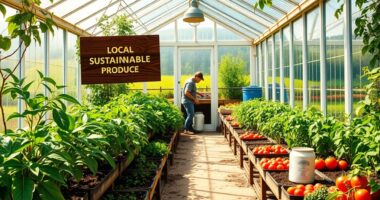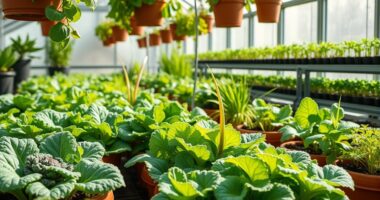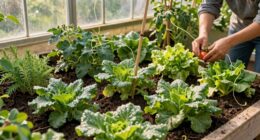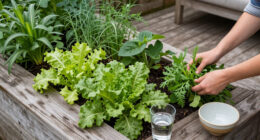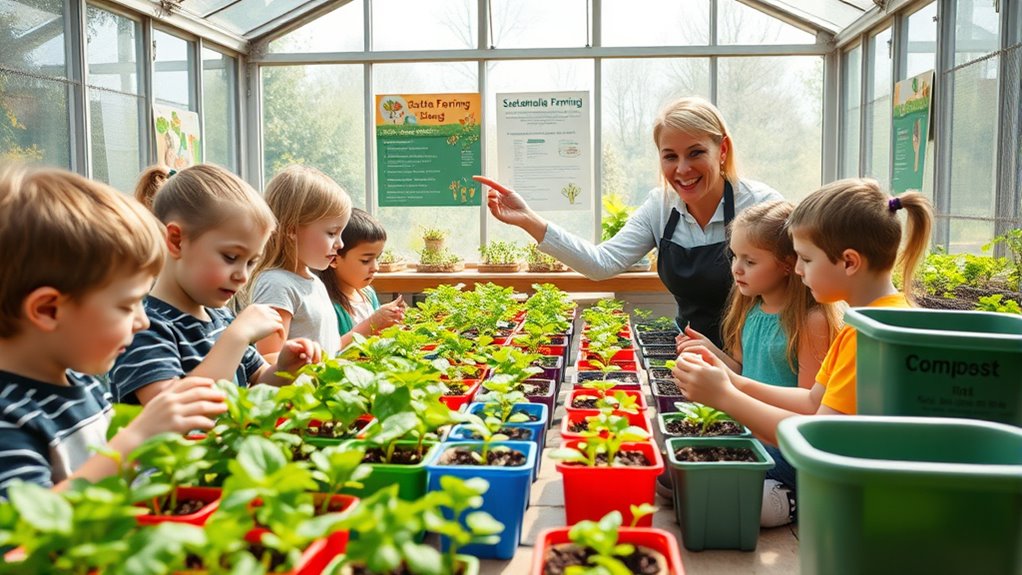
Teaching kids about sustainable living through greenhouse projects helps them see how renewable resources like sunlight, rain, and wind can be reused. You can show them how growing plants locally reduces carbon footprints and promotes eco-friendly habits. Hands-on activities like composting teach waste reduction and resource conservation. By involving children in energy-efficient practices, you give them practical ways to care for the environment. Keep exploring to discover how these projects can shape their eco-conscious future.

Get garden gear delivered free — and shop member deals
- Fast, free delivery on millions of items
- Access to Prime Big Deal Days deals on October 6–7
- Prime Video, Amazon Music and more included
Key Takeaways
- Greenhouse projects teach kids about renewable resources like sunlight and rainwater, emphasizing sustainable usage.
- They demonstrate waste reduction through composting, highlighting waste as a valuable resource.
- Growing local food indoors reduces transportation emissions and promotes eco-friendly, sustainable practices.
- Passive solar heating in greenhouses introduces energy efficiency and natural resource conservation.
- Such projects foster environmental responsibility and early adoption of eco-conscious habits in children.
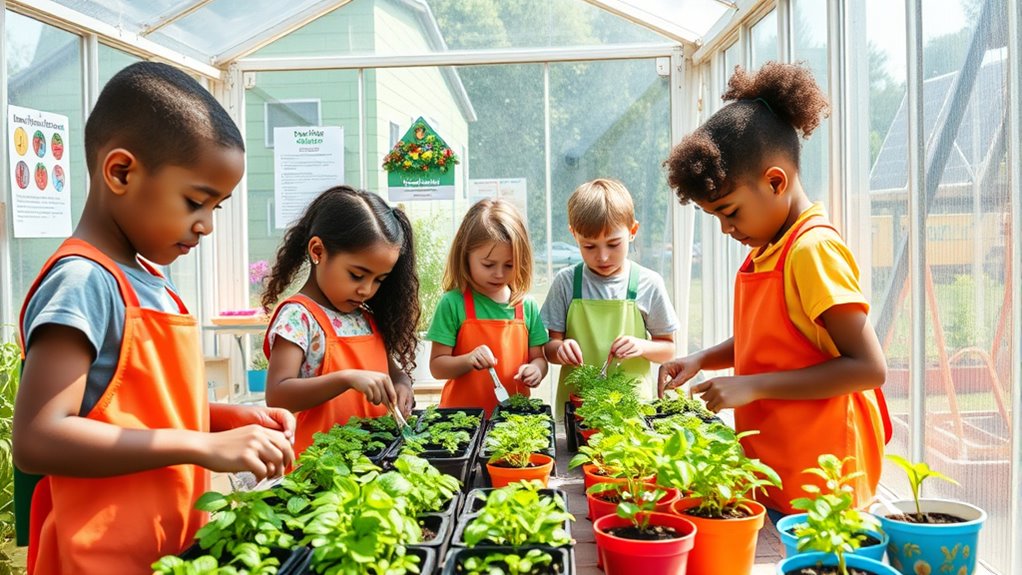
Have you ever wondered how you can make a real difference in protecting the environment? One powerful way is by teaching kids about sustainable living through hands-on projects like greenhouse gardening. These projects not only educate young minds but also foster a sense of responsibility toward conserving our planet’s resources. When you introduce children to the concept of renewable resources, you’re helping them understand that some materials, like sunlight, wind, and rain, can be used repeatedly without depleting natural supplies. Greenhouse projects exemplify this by demonstrating how plants grow using renewable resources such as sunlight and rainwater, making them ideal for teaching sustainable practices.
Teaching kids about renewable resources through greenhouse gardening fosters responsibility and sustainable habits.
As you guide children through building and maintaining a greenhouse, emphasize the importance of waste reduction. Show them how composting kitchen scraps and garden waste can create nutrient-rich soil, reducing the need for chemical fertilizers. This hands-on activity instills the idea that waste isn’t just trash but a valuable resource that can be reused to support plant growth. By involving kids in composting and recycling efforts within the greenhouse, you’re teaching them to think critically about waste management and how small changes can lead to significant environmental benefits.
Encouraging children to grow their own plants inside a greenhouse also opens their eyes to the importance of local food production. They quickly realize that growing their own fruits, vegetables, and herbs reduces the need for transportation, which in turn cuts down on greenhouse gas emissions. This understanding fosters a mindset of sustainability, where they see firsthand how their actions can reduce their carbon footprint. It’s a simple yet effective way to teach that supporting local, sustainable practices benefits both the environment and communities.
Moreover, greenhouse projects serve as an engaging platform to discuss energy efficiency. You can introduce concepts such as passive solar heating, where sunlight naturally warms the greenhouse, reducing the need for artificial heating. This demonstrates that sustainable living isn’t just about what we do but also how we do it—using natural energy sources wisely. Kids learn to appreciate the power of renewable resources and how to incorporate them into daily life, making sustainability an integral part of their worldview.
In addition, understanding juice extraction from oranges can teach children about resource use and efficiency, emphasizing how much effort goes into producing natural products and the importance of conserving these resources. In essence, by involving children in greenhouse projects, you’re equipping them with practical knowledge about renewable resources, waste reduction, and sustainable habits. These lessons empower them to become environmentally conscious individuals who understand that their choices matter. Teaching sustainability through such interactive projects lays the foundation for a generation committed to protecting the planet now and in the future.
Frequently Asked Questions
How Do Greenhouse Projects Impact Children’s Understanding of Climate Change?
Greenhouse projects boost your children’s climate awareness and sense of environmental responsibility by giving them hands-on experience. As they nurture plants and observe growth, they understand how ecosystems work and the importance of sustainable practices. This active involvement helps kids see the direct impact of their actions on the environment, fostering a deeper connection to climate change issues and inspiring them to become eco-conscious adults.
What Are the Costs Associated With Starting a Greenhouse Educational Program?
You might think starting a greenhouse educational program is costly, but with careful budget considerations, it’s manageable. Initial expenses include greenhouse materials, tools, and educational resources. Funding sources like grants, community donations, or school budgets can cover these costs. While upfront investment varies, many programs find that sustainable funding and low-cost materials make the project affordable, providing a valuable hands-on learning experience without breaking the bank.
How Can Schools Maintain Greenhouse Projects During Extreme Weather Conditions?
To maintain your greenhouse projects during extreme weather, focus on building climate resilience and emergency preparedness. You can reinforce structures with sturdy materials, install storm shutters, and guarantee proper drainage. Regularly update safety protocols and have backup power sources ready. These steps help protect your greenhouse and sustain your educational efforts, even in adverse conditions. Staying proactive ensures your students continue learning about sustainability despite weather challenges.
Are There Age-Specific Greenhouse Activities Suitable for Very Young Children?
Yes, you can engage very young children with age-specific greenhouse activities like creating sensory gardens and simple seed planting. These activities stimulate their senses, foster curiosity, and teach basic plant care, all suited for their developmental level. You’ll find that involving them in watering, observing sprouting seeds, and exploring different textures keeps them interested and helps develop their understanding of nature, sustainability, and responsibility in a fun, hands-on way.
How Do Greenhouse Projects Incorporate Local Biodiversity and Native Plants?
You incorporate local biodiversity and native plants into greenhouse projects by selecting native species that thrive in your region. This approach promotes biodiversity preservation and creates a habitat that supports local pollinators and wildlife. You can design the greenhouse to showcase native plants, educate kids about local ecosystems, and foster a sense of environmental stewardship. This hands-on method helps children understand the importance of biodiversity and native plant conservation firsthand.
Conclusion
By guiding kids through greenhouse projects, you gently nurture their understanding of sustainability, like planting seeds that bloom into mindful habits. Each small lesson acts as a gentle breeze, encouraging them to grow into eco-conscious individuals. As they tend to their plants, they learn that caring for the environment is a delicate dance—one that starts with simple actions and blossoms into a brighter, greener future for everyone.
Fall yard work Picks
leaf blowers
As an affiliate, we earn on qualifying purchases.