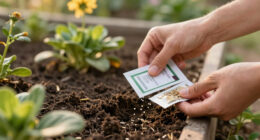
City greenhouses powered by hydroponic systems can turn unused urban spaces into productive farms, providing fresh, local produce to your community. You’ll see how vertical stacking and soil-free growing maximize limited space and reduce water use, making farming possible everywhere. These greenhouses increase food security, cut down on food miles, and connect residents to sustainable food sources. Keep exploring to see how urban farms can transform your neighborhood and support local resilience.
Listen free for 30 days with Audible
Thousands of audiobooks and originals — cancel anytime.
As an affiliate, we earn on qualifying purchases.
Key Takeaways
- City greenhouses utilize hydroponic systems to grow fresh produce efficiently in limited urban spaces.
- They enable year-round cultivation, ensuring continuous food supply regardless of weather conditions.
- Urban greenhouses reduce food miles, lowering carbon emissions and supporting local food security.
- Integrating greenhouses with community programs like CSA fosters community engagement and access to fresh food.
- These sustainable practices help address food deserts and promote resilient, self-sufficient urban neighborhoods.
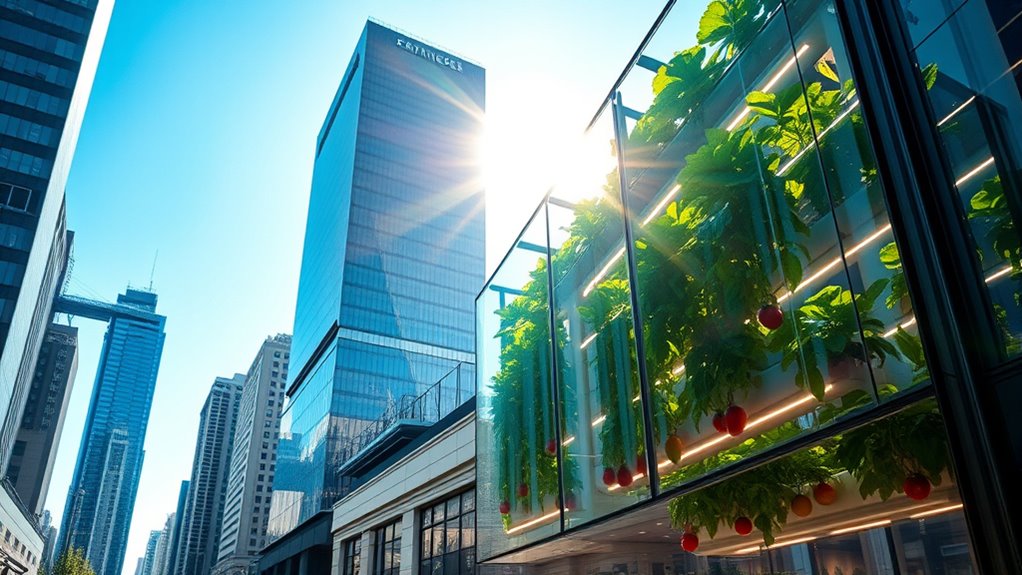
Have you ever wondered how cities are transforming their unused spaces into productive green areas? One innovative approach is through urban farming, where rooftops, vacant lots, and abandoned structures become vibrant centers of food production. Central to this movement are hydroponic systems, which allow you to grow plants without soil, using nutrient-rich water instead. These systems are perfect for urban environments because they maximize space, reduce water usage, and enable year-round growing regardless of outside weather conditions. When you incorporate hydroponic setups into city greenhouses, you create efficient, high-yield farms that can supply fresh produce directly to local communities.
By adopting hydroponic systems, you’re not only increasing local food security but also reducing the carbon footprint associated with transporting food over long distances. City greenhouses equipped with these systems can operate vertically, stacking multiple layers of crops in confined spaces, which further boosts productivity. Imagine stepping into a greenhouse where leafy greens, herbs, and even strawberries flourish in a compact area, all maintained with minimal water and no soil. This approach aligns perfectly with sustainable urban development and helps address food deserts in underserved neighborhoods. Additionally, integrating seed-based diets into urban farming initiatives can diversify the types of crops grown and improve nutritional variety in community diets.
Another powerful element of urban farming is community supported agriculture (CSA). When you participate in CSA programs, you’re directly connecting with local farmers or urban growers, often within the city itself. These programs typically involve residents purchasing shares upfront, which support the farm’s operations, in exchange for regular deliveries of fresh, seasonal produce. This model fosters a sense of community and trust, as you get to know your food’s origins and see firsthand how your investment helps sustain local agriculture. In urban settings, CSA programs often partner with city greenhouses to distribute produce, making fresh food more accessible to residents who might otherwise struggle to find quality, affordable options.
Together, hydroponic systems and community supported agriculture create a resilient and inclusive urban farming landscape. They empower city dwellers to participate actively in food production, whether by growing their own vegetables in small hydroponic setups or by supporting local farms through CSA memberships. This not only shortens supply chains but also educates communities about sustainable farming practices. As cities continue to prioritize green spaces and local food systems, these methods prove that urban farming isn’t just a trend—it’s a practical, scalable solution for feeding communities, improving local health, and building stronger, more sustainable neighborhoods. Additionally, implementing high-efficiency growing methods in urban farms can further optimize yields and resource use.

Urban Bloom Hydroponic Herb Growing Kits – Catnip – Indoor Garden System in a Mason Jar – Herb Garden Kit for an Indoor Greenhouse – Indoor Plant Hydroponic Growing System w/Fresh Herb Seeds
- Grow Fresh Catnip Indoors: Hydroponic system for easy herb growth
- Enhance Home Cooking: Fresh herbs for flavorful dishes
- Indoor Gardening Made Easy: No green thumb or outdoor space needed
As an affiliate, we earn on qualifying purchases.
As an affiliate, we earn on qualifying purchases.
Frequently Asked Questions
What Are the Startup Costs for Urban Greenhouses?
When considering startup costs for urban greenhouses, you should focus on a clear cost estimation to plan effectively. Your expenses include land or leasing fees, greenhouse materials, equipment, and initial plant stock. Funding sources like grants, loans, or investor support can help cover these costs. Carefully researching these options guarantees you secure enough capital, making your project feasible and sustainable from the start.
How Do City Greenhouses Impact Local Food Prices?
City greenhouses can substantially influence local food prices by improving urban food access and enhancing local food affordability. When you have access to fresh produce from nearby greenhouses, you often pay less because transportation costs decrease. This reduces overall food prices and makes healthy options more affordable. As a result, communities benefit from increased food security, and residents enjoy easier access to nutritious, locally grown food, fostering healthier lifestyles.
What Are Common Challenges Faced by Urban Farmers?
You face many challenges as an urban farmer, from fostering community engagement to managing pests effectively. Building strong connections with neighbors encourages support and participation, while diligent pest management protects your crops. Balancing limited space with sustainable practices demands creativity and persistence. You must navigate regulations, secure resources, and adapt to unpredictable weather. Despite these hurdles, your dedication transforms city spaces into thriving green havens that nourish and inspire your community.
Can Urban Greenhouses Operate Year-Round?
You might wonder if urban greenhouses can operate year-round. The good news is, with proper climate control, they can. You’ll manage temperature, humidity, and light to create ideal conditions regardless of outside weather. This allows you to grow a diverse range of crops throughout the year. By maintaining consistent climate control, you guarantee food production continues, supporting your community’s needs no matter the season.
How Do Urban Greenhouses Reduce Environmental Footprints?
You can see how urban greenhouses reduce environmental footprints through sustainable practices and water conservation. By using efficient systems like drip irrigation and rain harvesting, you minimize water waste. They also utilize renewable energy sources and eco-friendly materials, cutting down on emissions and waste. This approach not only promotes healthier environments but also demonstrates how city greenhouses can create sustainable food sources while protecting the planet for future generations.
Conclusion
Imagine a future where city greenhouses not only feed your community but also restore hope and sustainability. Some say urban farming is just a trend, but the truth is it’s a powerful movement reshaping how we see food and our cities. By embracing this change, you help create healthier, more resilient neighborhoods. So, next time you pass a city greenhouse, remember—your support could turn this idea into a thriving reality for everyone.
Flea & tick season Picks
flea and tick prevention
As an affiliate, we earn on qualifying purchases.