TL;DR

Get garden gear delivered free — and shop member deals
- Fast, free delivery on millions of items
- Access to Prime Big Deal Days deals on October 6–7
- Prime Video, Amazon Music and more included
An Amateur Gardening report outlines seven ways to support garden birds in winter, including seasonal feeding, cleaning feeders weekly and changing bird-bath water daily. It also recommends leaving seed heads and planting berries to provide natural food, while noting that crowded feeders can contribute to the spread of disease.
An Amateur Gardening report has outlined seven ways people can feed garden birds more safely this winter, recommending seasonal feeding, weekly feeder cleaning, fresh water and plants that provide food and shelter. The guidance matters because birds congregating at feeders can be exposed to trichomonosis, a contagious disease linked in the report to declines among some garden species.
The report recommends putting food out during the colder months, which it defines as November 1 to April 30, and pausing feeder provision from May 1 to October 31, when seeds and insects are more available in gardens, as outlined in these fall bird-care tips. In winter, suitable supplementary foods include birdseed, peanuts, fat and suet balls. The seasonal dates are the report’s guidance, not a rule that every garden or species must follow.
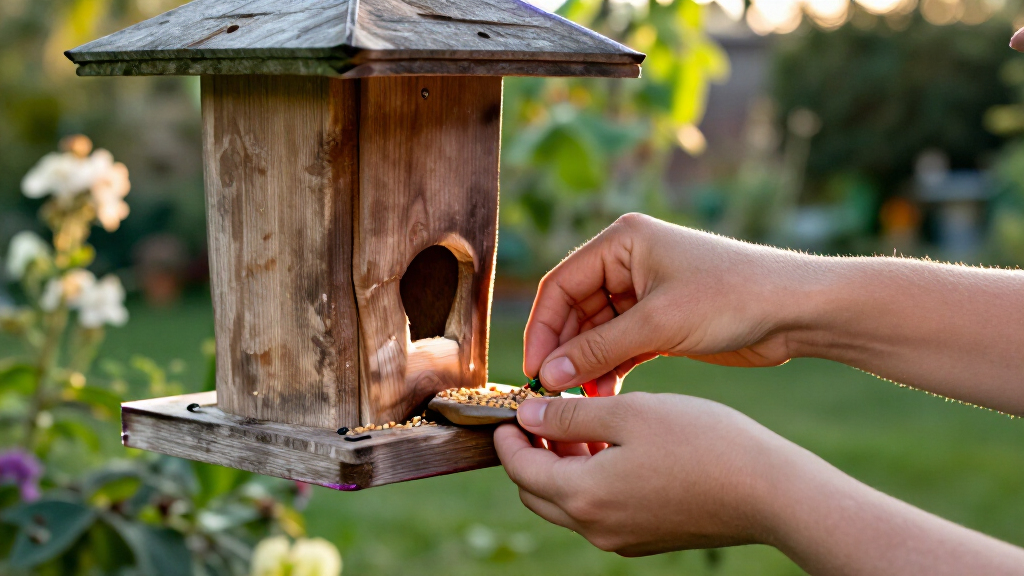
To reduce the chance of disease spreading where birds gather, the report advises using hanging feeders instead of placing food on flat surfaces, cleaning feeders weekly with warm soapy water and a non-toxic disinfectant, and moving them to a different garden location each week. It also says to keep food dry and avoid hanging feeders beneath trees or near bird roosts, where droppings can contaminate them.
Amounts and replacement schedules matter too: seed and peanuts should be eaten within one to two days, fat or suet balls replaced every seven days, and mealworms removed before dusk, especially when scattered on the ground. For water, the report recommends changing bird-bath water daily and using tap water, and a waiting branch by the bird bath can offer birds a place to perch. It also encourages gardeners to leave some seed heads standing and to grow flowers and berry-producing plants that offer food or cover, among other ways to support migrating birds in the garden.
Reducing Disease at Feeders
Feeding can provide supplementary food when natural sources are less plentiful, but bringing birds together in one place can also create conditions for disease transmission. The report cites trichomonosis as a concern because it can spread where birds gather, including at feeders. Cleaning equipment, keeping food dry and avoiding crowded feeding points are practical steps intended to reduce those risks.
The report says greenfinch numbers have fallen by more than 65% over three decades and notes the species moved from seventh place in the RSPB’s Big Garden Birdwatch top ten in 1979 to 18th in the year referenced by the report. Those figures are presented as context for concern about garden birds; the article does not establish that feeding practices or trichomonosis alone caused the decline.
Habitat choices can extend support beyond food put in a feeder. Seed heads, berry-producing shrubs and plants that attract insects may offer birds natural feeding opportunities, while foliage can provide cover. The report’s message is to combine careful supplementary feeding with a garden that supplies resources in its own right.
As an affiliate, we earn on qualifying purchases.
Seasonal Food and Garden Habitat
The report frames bird feeding as seasonal rather than constant. It says gardens can offer seeds and insects during the warmer months, then recommends resuming feeder use in winter, from November through April. This is presented as general gardening advice; conditions and food availability can vary between locations and years.
Its planting suggestions include sunflowers, coneflowers, teasel and black-eyed Susan, whose seed heads can feed birds after flowering. Hawthorn and rowan produce berries eaten by birds including thrushes, blackbirds and starlings, while holly can provide cover as well as berries. The report also describes nasturtiums attracting caterpillars, which can provide food for nesting birds and chicks.
The seven practical themes are seasonal feeding, feeder hygiene and placement, portion control, clean water, retaining seed heads, planting seed-producing flowers, and growing berry or cover plants. Together, they address both direct feeding and the wider condition of a garden as winter approaches.
““feed seasonally” and “feed safely””
— The Royal Society for the Protection of Birds, as cited by Amateur Gardening
Limits of the Feeding Advice
The report offers practical recommendations but does not provide detailed research citations for each feeding schedule or cleaning measure. It also does not quantify how much any one step reduces disease risk. Its account links crowded feeding sites with possible spread of trichomonosis, but does not show that feeders are the sole source of infection or explain the causes of the wider bird-population trends it cites.
The report’s reference to the greenfinch’s position in “this year’s” Birdwatch ranking does not specify the year in the supplied material, so that ranking cannot be dated precisely here. Nor does the guidance address every local circumstance, species or change in weather. Readers should treat the dates and routines as the report’s general advice, not a guarantee that disease will be prevented.
Routine Care Through Winter
The report’s recommendations point to a repeating winter routine: provide appropriate food, check that it stays dry, remove leftovers on the suggested schedule, clean feeders weekly and refresh bird-bath water each day. Moving feeders to a new spot each week is also part of its advice. The report does not announce a new programme or a scheduled follow-up; these are steps gardeners can apply throughout the recommended feeding season.
As spring approaches, its guidance is to pause feeder feeding from May 1 and allow natural sources such as insects and garden seeds to play a larger role. Gardeners can also keep suitable seed heads and berry plants in place for wildlife rather than clearing every spent plant. The source does not give a single measure for judging whether these changes improve local bird numbers.
Key Questions
When does the report recommend feeding garden birds?
It recommends feeding from November 1 to April 30 and pausing feeder feeding from May 1 to October 31, when natural food may be more available.
How often should bird feeders be cleaned?
The report advises cleaning feeders weekly with warm soapy water and a non-toxic disinfectant. It also recommends moving feeders to a different spot each week and keeping food dry.
How often should bird-bath water be changed?
The report recommends changing bird-bath water every day and using tap water.
What plants can provide food for garden birds?
The report suggests leaving seed heads from plants such as sunflowers, coneflowers and teasel, and growing berry-producing plants including hawthorn and rowan. It also notes that holly can offer cover.
Does the report say feeders cause bird disease?
No. It says contagious trichomonosis can spread where birds gather, including at feeders, and recommends hygiene measures to reduce risk. It does not say feeders are the only source of infection.
Source: rss
Halloween Picks
halloween
As an affiliate, we earn on qualifying purchases.