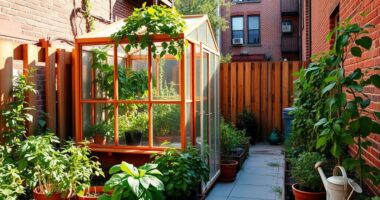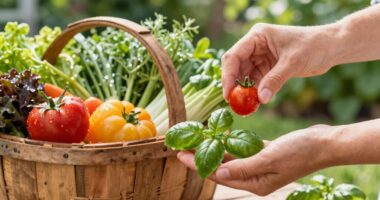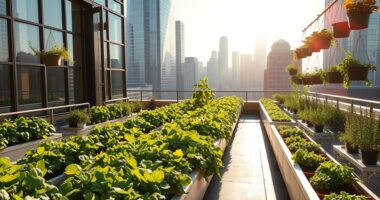
With the winter salad system, you grow fresh greens indoors year-round by creating ideal conditions. Use quality seeds suited for indoor growth, rich soil amendments, proper lighting, and steady temperatures. Regular watering and monitoring prevent common problems, while harvesting continues for continuous freshness. As you expand your garden, experiment with different greens and herbs, troubleshoot issues early, and adjust your setup for the best results. Keep exploring, and you’ll master the art of bountiful winter salads.
Key Takeaways
- Establish a controlled indoor environment with proper lighting, temperature, and soil moisture for year-round salad cultivation.
- Select fast-growing, suitable greens and herbs, and use nutrient-rich soil amendments for optimal growth.
- Implement regular harvesting techniques to encourage continuous production and maintain high flavor and freshness.
- Use energy-efficient LED grow lights and natural sunlight to meet plant light requirements and prevent legginess.
- Troubleshoot pests and adjust conditions promptly to ensure healthy, resilient plants for ongoing winter salads.
Why Indoor Winter Gardening Lets You Grow Fresh Salad Greens

Indoor winter gardening allows you to grow fresh salad greens year-round, regardless of cold weather outside. To guarantee healthy growth, start with proper seed selection—choose varieties suited for indoor conditions and quick germination. Improving your soil is essential; adding soil amendments like compost or organic matter boosts nutrients and drainage, creating a fertile environment for your greens. These amendments help compensate for the limited natural soil nutrients available indoors. Additionally, selecting the right lighting conditions is crucial for optimal photosynthesis and plant health. Ensuring proper light intensity promotes robust growth and prevents legginess in your greens. Proper air circulation also helps prevent fungal diseases and keeps your plants healthy. With the right seed choice and enriched soil, you can maintain a steady supply of crisp, nutritious salad greens through winter. Consistent watering practices also support healthy root development and prevent diseases. Creating an indoor environment ensures your greens thrive without the unpredictability of outdoor weather. This control over growing conditions means you won’t depend on store-bought produce, and you’ll enjoy fresher, tastier greens whenever you want. Indoor gardening makes year-round salad growing simple and rewarding.
How to Choose the Best Indoor Growing System for Winter Salad
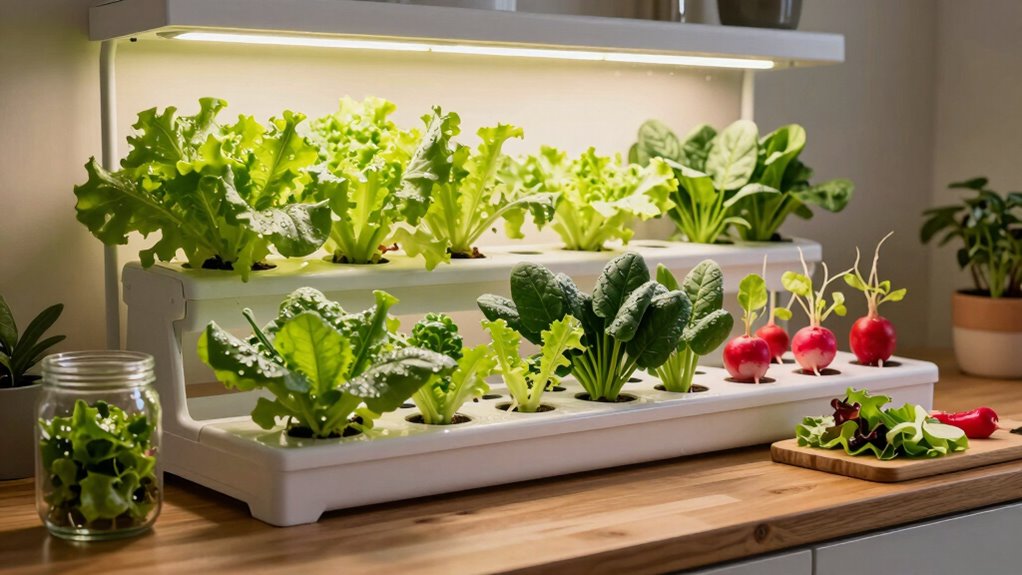
Choosing the right indoor growing system can make all the difference in producing healthy, vibrant salad greens during winter. Consider whether hydroponic systems, which grow plants in nutrient-rich water, suit your space and budget, or if soil containers are more practical for your setup. Hydroponic systems often yield faster growth and less mess, while soil containers provide familiarity and easier maintenance. Think about available space, lighting, and your experience level. Here’s a quick comparison:
| Feature | Hydroponic Systems | Soil Containers |
|---|---|---|
| Setup complexity | Moderate | Simple |
| Space efficiency | High | Moderate |
| Maintenance | Regular | Less frequent |
| Cost | Higher | Lower |
| Growth speed | Faster | Standard |
Additionally, understanding nanotechnology can open new possibilities for innovative indoor gardening solutions. For example, nanotech-enhanced materials may improve plant growth efficiency or pest resistance in future systems. Embracing advanced materials like these could revolutionize how we grow salads indoors in the coming years. Recognizing the potential of smart gardening technology can also help optimize your indoor salad system for better yields and sustainability.
Which Greens and Herbs Are Best for Growing Indoors in Winter
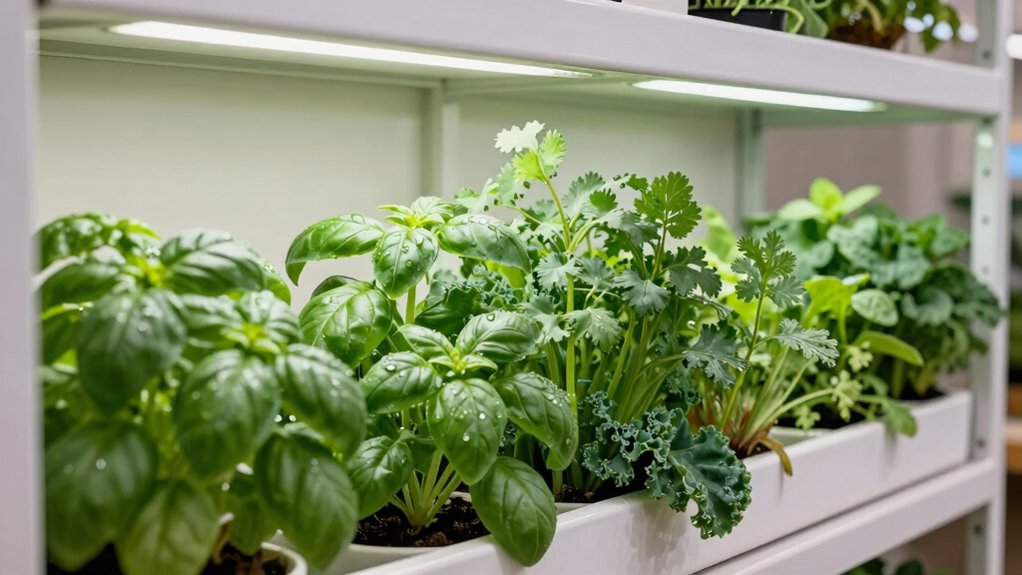
When winter limits outdoor gardening, selecting the right greens and herbs to grow indoors can keep your kitchen stocked with fresh flavors year-round. Leafy greens like lettuce, spinach, and arugula thrive indoors, especially when paired with companion planting strategies that enhance growth and deter pests. Herbs such as basil, parsley, cilantro, and chives grow well in containers with proper soil amendments, like compost or organic fertilizers, to boost nutrition and energy. Choosing varieties suited for indoor conditions ensures faster growth and better flavor. Incorporate companion planting by mixing herbs and greens that support each other’s health. Using rich soil amendments improves drainage and provides essential nutrients, making your indoor garden more resilient and productive during winter months. Additionally, understanding plant compatibility can help you select the best combinations for a healthy, pest-free indoor garden. To further improve plant health, selecting appropriate containers that promote good airflow and drainage is essential for thriving indoor greens and herbs.
How to Set Up Your Indoor Salad Garden Step-by-Step
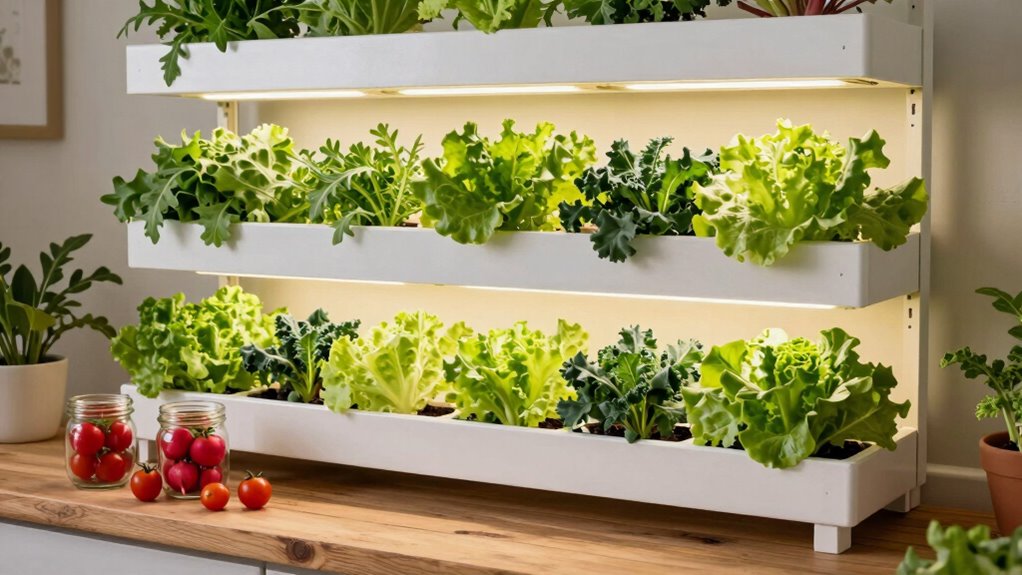
Setting up your indoor salad garden begins with selecting the right containers and preparing your space. Choose shallow, well-draining containers to promote healthy root growth. Fill them with soil amendments like compost or organic matter to boost nutrition. Incorporate companion planting by pairing greens that grow well together, such as lettuce and radishes, to maximize space and deter pests. Use the table below as a quick guide:
| Plant Pairing | Soil Amendments Needed | Ideal Container Size |
|---|---|---|
| Lettuce & Radishes | Compost, organic matter | 8-10 inches deep |
| Spinach & Herbs | Well-draining soil | 6-8 inches deep |
| Kale & Carrots | Nutrient-rich amendments | 10-12 inches deep |
Adding proper watering techniques and understanding plant growth requirements ensures your indoor greens stay healthy and productive. Monitoring soil moisture levels can help prevent over- or under-watering. Additionally, leveraging smart IoT technologies can help monitor and optimize your garden’s conditions. Incorporating appropriate lighting can also enhance growth during the darker winter months. Follow these steps, and you’ll be ready to grow fresh greens indoors all winter.
Tips to Keep Your Indoor Greens Healthy and Productive During Winter
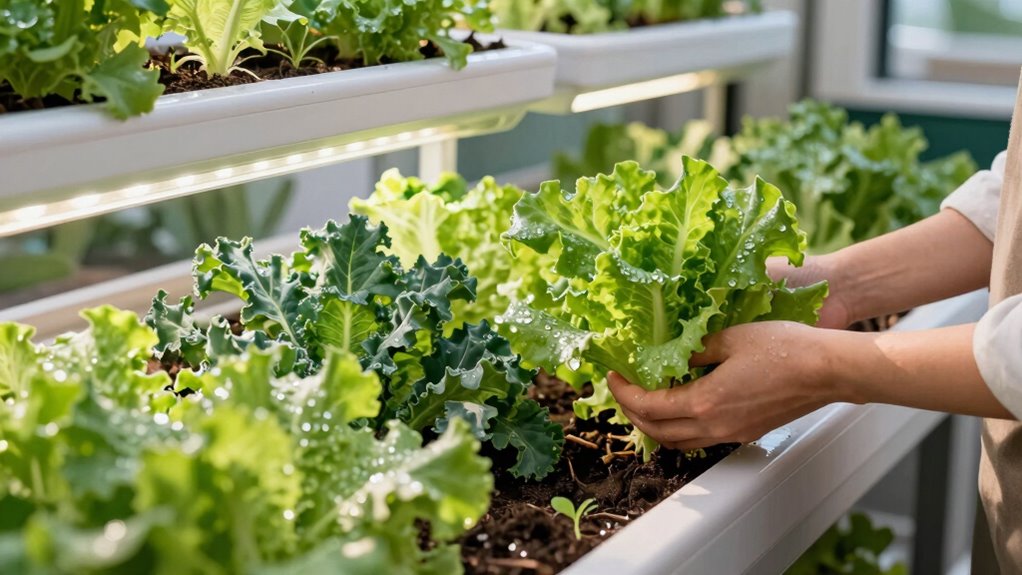
To keep your indoor greens thriving in winter, focus on providing them with adequate lighting, like using grow lights or placing them near sunny windows. Make sure you’re watering properly—neither too much nor too little—to maintain healthy roots. These simple adjustments will help your greens stay productive and vibrant all season long. Additionally, understanding the photosynthesis process can help you optimize lighting conditions to maximize plant growth during shorter daylight hours. Ensuring proper light spectrum can further enhance your plants’ health and yield during the darker months, especially when using artificial lighting to supplement natural sunlight. Regularly monitoring your plants for signs of auditory defensiveness can also help you create a more comfortable environment for sensitive greens, ensuring they thrive throughout the season.
Adequate Lighting Strategies
During winter, natural sunlight often falls short, making proper indoor lighting essential for your greens to thrive. To guarantee healthy growth, consider using LED grow lights, which provide the necessary spectrum for photosynthesis. Position these lights about 12-24 inches above your plants, adjusting as they grow. Aim for 12-16 hours of light daily to mimic natural sunlight and promote strong, leafy growth. Make sure to turn your lights on and off consistently using a timer for reliable lighting cycles. Avoid relying solely on natural sunlight, especially during cloudy days. Combining LED grow lights with available natural sunlight maximizes your greens’ health and productivity, keeping your indoor salad system in top shape all winter long. Incorporating lighting strategies that suit your space can further enhance your indoor gardening success. Additionally, understanding photosynthesis can help you optimize your lighting setup for even better results, and learning about light spectrum balance can ensure your plants receive the optimal wavelengths for growth. Gaining knowledge of energy efficiency can also help you choose lighting options that save power while supporting healthy plant development. Using knowledge of Gold IRA markets can also be beneficial if you’re considering diversifying your investment portfolio during the winter months.
Proper Watering Techniques
Because indoor greens tend to require less water in winter, it’s important to avoid overwatering, which can lead to root rot and other issues. Check soil moisture regularly by lightly touching the soil surface; it should feel damp but not soggy. Adjust your watering frequency based on the plant’s needs and the environment—typically, once the top inch of soil dries out, it’s time to water again. Use room temperature water to prevent stressing your plants. Verify proper drainage to avoid water pooling at the bottom of the pot. Overwatering can suffocate roots and promote disease, so err on the side of slightly drier soil. Consistent monitoring and moderation keep your indoor greens healthy, vibrant, and productive throughout winter.
When and How to Harvest Your Indoor Winter Salads

Knowing when and how to harvest your indoor winter salads guarantees you get the freshest, most flavorful greens. Seasonal planting influences harvest timing; most salads are ready in 3 to 4 weeks after sowing. Watch for mature leaves that are tender and vibrant; they should reach their full size but still feel crisp. Use sharp scissors or hands to cut outer leaves at the base, leaving inner leaves to continue growing. Regular harvesting encourages new growth and prevents plants from becoming leggy or bitter. Avoid pulling the entire plant prematurely, which can damage roots. Instead, harvest selectively for continuous harvests. Timing your harvest correctly ensures you enjoy peak flavor and texture, making your winter salad system both productive and satisfying.
Troubleshooting Common Indoor Gardening Problems in Winter
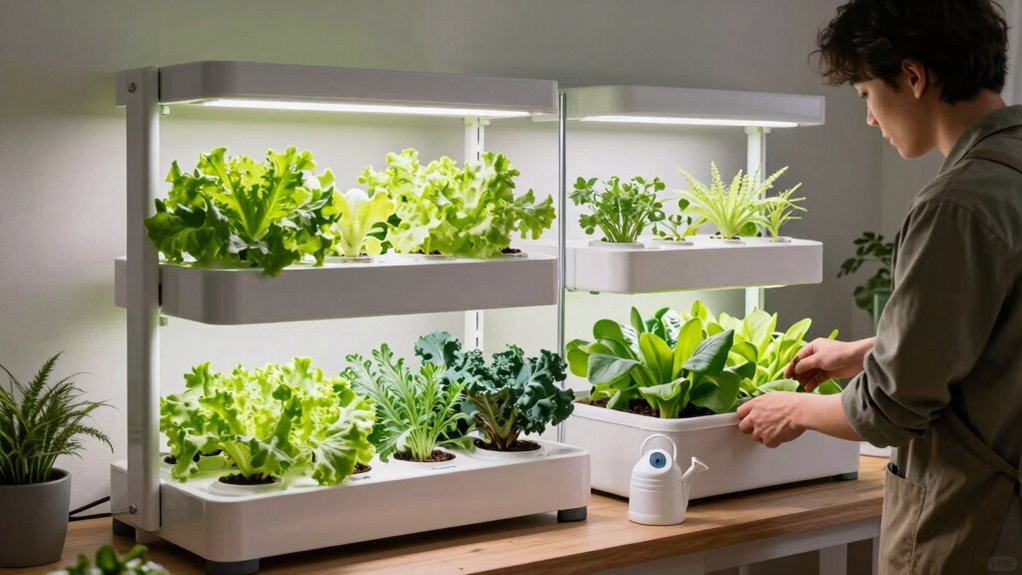
During winter, your indoor garden can face issues with light and temperature fluctuations that stunt growth. Pests and diseases may also become a problem if you’re not careful. Let’s explore how to troubleshoot these common challenges to keep your salad greens healthy and thriving.
Light and Temperature Challenges
Winter can pose significant challenges for indoor gardeners, especially when it comes to providing enough light and maintaining stable temperatures. Shorter days mean less natural sunlight, so you may need to rely on artificial lighting to keep your plants thriving. Use grow lights that mimic sunlight and ensure they stay on for at least 12-16 hours daily. Temperature regulation is equally essential; indoor environments can fluctuate due to heating systems or drafts. Keep the temperature steady between 65-75°F (18-24°C) to promote healthy growth. Consider using a thermometer to monitor conditions and adjust your heating or lighting setup as needed. Proper light and temperature management ensure your winter garden remains productive and healthy despite the season’s challenges.
Pest and Disease Control
Indoor gardeners often face increased risks of pests and diseases in winter, as the confined environment and lower humidity can create ideal conditions for outbreaks. To combat this, practice companion planting by pairing plants that naturally repel pests or improve each other’s health. This reduces the need for chemical pesticides and promotes a healthier growing space. When pests do appear, turn to natural pesticides like neem oil or insecticidal soap, which are effective yet gentle on your plants and safe indoors. Regularly inspect your crops for early signs of trouble, and remove affected leaves promptly. Maintaining proper air circulation and avoiding overwatering also helps prevent disease. With these strategies, you can keep your winter salad system healthy and thriving, even during the cold months.
Expanding Your Indoor Salad Garden for More Variety
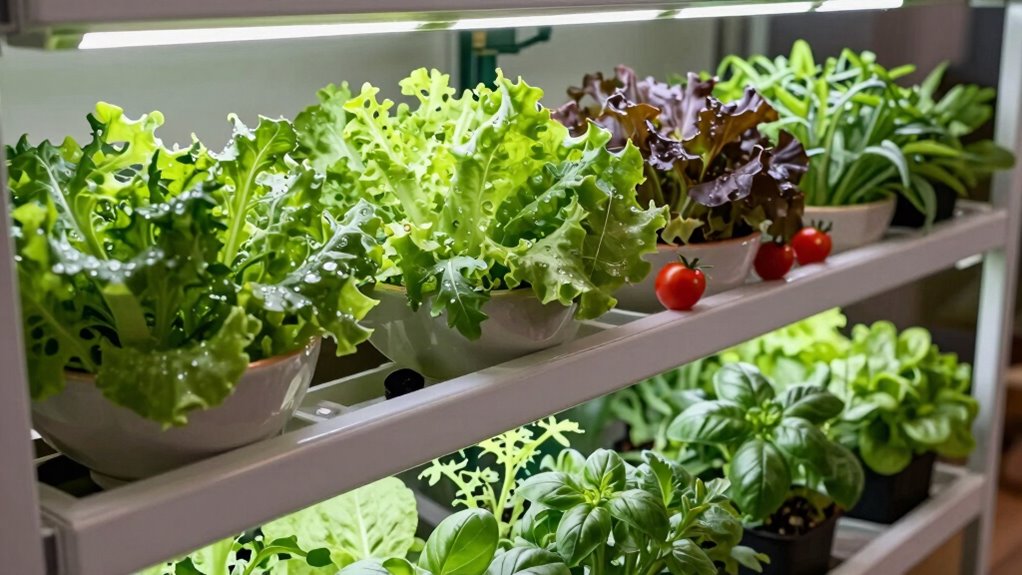
To add more variety to your salad garden, start by selecting a wider range of leafy greens, herbs, and vegetables that thrive indoors. This diversification keeps your salads interesting and nutritious. Consider integrating crops like arugula, basil, cherry tomatoes, and radishes. To maximize space and health, apply composting tips to enrich your soil and support plant growth. When planning, focus on smart garden design—placing taller plants where they won’t shade shorter ones. This organization boosts yield and ensures good airflow. Additionally, rotating crops prevents soil depletion and pests. Expanding your indoor garden with these methods helps you enjoy fresh, varied salads all winter long while maintaining a vibrant, sustainable system.
Frequently Asked Questions
How Long Does It Take for Indoor Winter Greens to Mature?
Indoor winter greens typically reach plant maturity within 30 to 45 days, depending on the variety and growing conditions. Your growth timeline can vary based on light, temperature, and care, but with proper attention, you’ll see your greens develop quickly. Keep the environment consistent and provide adequate nutrients, so your greens flourish and are ready to harvest within this timeframe. Happy growing!
Can I Grow Root Vegetables in My Indoor Winter Salad System?
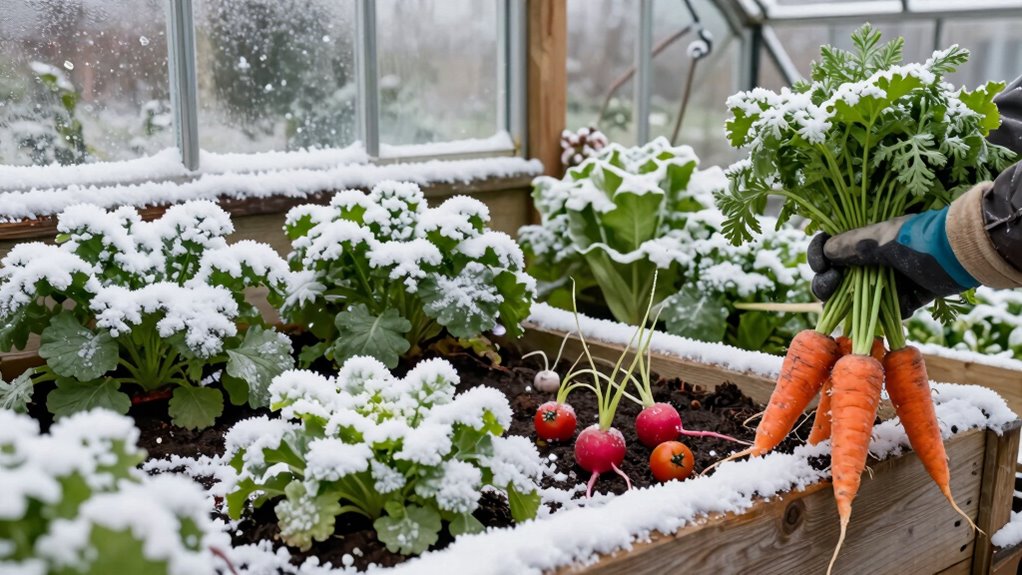
You can absolutely grow root vegetables in your indoor winter salad system—it’s like turning a small space into a vegetable paradise! Try root vegetable varieties like carrots, radishes, and beets. Use indoor planting tips such as deep containers and loose, well-draining soil to give them room to grow. Keep the environment consistent with proper light and watering, and you’ll be harvesting tasty roots in no time!
What Are the Best Lighting Conditions for Winter Indoor Greens?
You should provide your indoor greens with bright, consistent lighting. Grow lights are essential, especially during winter months when natural sunlight is restricted. Position your grow lights about 12-18 inches above your plants and keep them on for 12-16 hours daily. Whenever possible, supplement with natural sunlight to boost growth. Combining grow lights with natural sunlight ensures your greens stay healthy, vibrant, and productive all winter long.
How Do I Prevent Pests in My Indoor Winter Garden?
Imagine tiny invaders taking over your lush indoor greens like an unstoppable army. To stop them, you need organic prevention and pest control strategies. Regularly inspect your plants, keep the area clean, and use natural solutions like neem oil or insecticidal soap. Quarantine new plants before introducing them, and maintain proper humidity and airflow. These steps create a hostile environment for pests, protecting your winter garden naturally and effectively.
Is It Possible to Extend the Harvest Season for Indoor Greens?
Yes, you can extend your indoor greens’ harvest season by practicing season extension techniques like using grow lights and maintaining ideal temperatures. Incorporate crop rotation by planting different leafy greens in the same space to prevent pests and diseases. This approach helps keep your garden productive longer. Regularly harvest mature leaves and start new plantings early to maximize your indoor growing window, ensuring fresh greens year-round.
Conclusion
By growing your own winter salads indoors, you’re not just enjoying fresh greens—you’re also embracing a sustainable, health-conscious lifestyle. While some believe indoor gardening is less effective than outdoor methods, recent studies show controlled environments can rival outdoor yields, debunking the myth that winter gardening is futile. With commitment and the right setup, you’ll find that maintaining a thriving indoor salad system can truly transform your winter diet, proving that fresh, homegrown greens are always within reach.