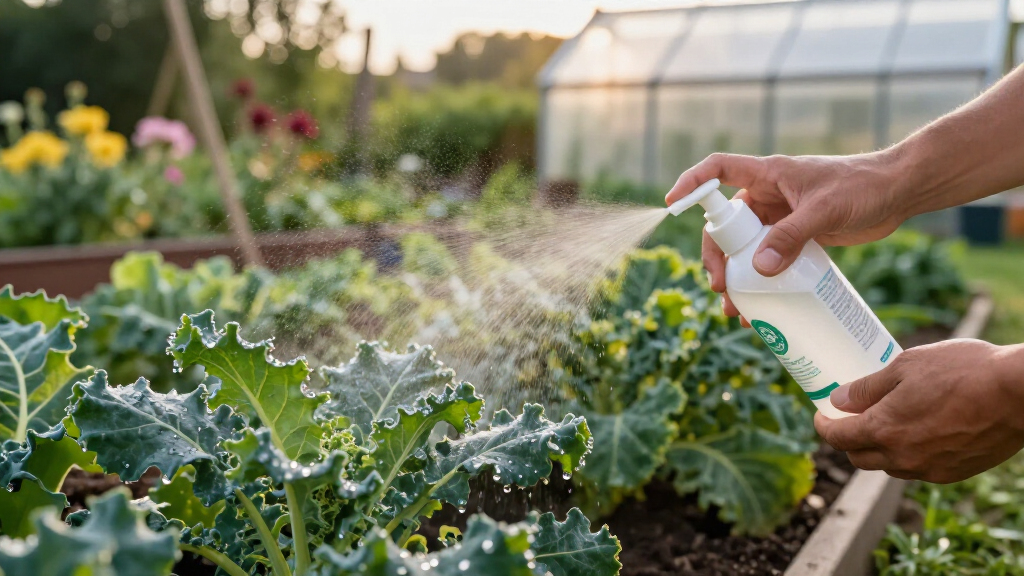

The best insecticidal soaps for gardens all do one job — smothering soft-bodied pests like aphids, mites, and whiteflies on contact — but they differ a lot in form, strength, and value per ounce. Safer Brand Insect Killing Soap Concentrate stands out as the best overall pick because it delivers the lowest cost per treatment and lets you mix fresh spray at whatever strength your infestation demands. If you want zero mixing, Bonide Insecticidal Soap Ready-to-Use is the most convenient grab-and-spray option, while Trifecta Crop Control is the strongest choice for serious indoor and greenhouse growers fighting stubborn infestations. The main tradeoff you’ll face is ready-to-use convenience versus concentrate economy, and gentle pure soap formulations versus blended products with extra active ingredients. Read on for the full breakdown, including which picks suit large vegetable gardens versus small houseplant collections.

Get garden gear delivered free — and shop member deals
- Fast, free delivery on millions of items
- Access to Prime Big Deal Days deals on October 6–7
- Prime Video, Amazon Music and more included
Complete the kit


Key Takeaways
- Concentrates like Safer Brand Insect Killing Soap Concentrate and BioAniquile dramatically outperform ready-to-use sprays on cost per treated gallon, making them the smarter buy once you’re treating more than a few plants.
- Nearly identical Bonide products appear in three pack configurations (single, 3-pack, and Captain Jack’s Super Soap variants), so the real decision is packaging value and whether you want the Super Soap’s added potency — not formula differences.
- Multi-ingredient products (Trifecta Crop Control, BioAniquile with cinnamon oil, Fertilome with spinosad) hit harder pests like thrips and leaf miners but carry more re-entry intervals and plant-sensitivity caveats than pure potassium-salts-of-fatty-acids soaps.
- Ready-to-use 32 oz bottles from Bonide, Garden Safe, and Natria are functionally interchangeable for light aphid duty; Natria’s smaller 24 oz size mainly wins for apartment gardeners with limited storage.
- Safer Brand’s 6-pack of ready-to-use bottles suits only high-volume landscape maintenance — most home gardeners will waste money on it compared with the same brand’s concentrate.
| Earth’s Ally 3-in-1 Plant Spray for Pests and Disease, 32 oz |  | Best Botanical Alternative | Brand: Earth’s Ally | Volume: 32 fluid ounces | Formula: Thyme, rosemary, clove, and peppermint oils | VIEW LATEST PRICE | See Our Full Breakdown |
| Bonide Insecticidal Soap Ready-to-Use Spray, 32 oz |  | Best Overall | Brand: Bonide | Volume: 32 oz | Form: Ready-to-use spray | VIEW LATEST PRICE | See Our Full Breakdown |
| Garden Safe Insecticidal Soap Insect Killer Spray – 32 oz |  | Best for Greenhouse Growers | Brand: Garden Safe | Size: 32 oz | Form: Ready-to-use contact spray | VIEW LATEST PRICE | See Our Full Breakdown |
| Bonide Captain Jack’s Insecticidal Super Soap, Ready-to-Use Spray, 32 oz, Pack of 2 |  | Best Multi-Bottle Garden Supply | Brand: Bonide | Product: Captain Jack’s Insecticidal Super Soap | Pack size: 2 | VIEW LATEST PRICE | See Our Full Breakdown |
| BioAniquile Insecticidal Soap Concentrate with Cinnamon Oil, 33.8 fl oz |  | Best Concentrate for Large Gardens | Volume: 33.8 fluid ounces | Form: Concentrate | Yield: Up to 130 gallons of finished spray | VIEW LATEST PRICE | See Our Full Breakdown |
| Fertilome Spinosad Soap Insecticide, Ready to Use, 32 oz |  | Best for Broader Pest Coverage | Volume: 32 oz | Form: Ready-to-use spray | Active ingredients: Potassium salts of fatty acids 0.940%; spinosad 0.005% | VIEW LATEST PRICE | See Our Full Breakdown |
| Natria Insecticidal Soap, Ready-to-Use, 24 oz |  | Best for Indoor and Outdoor Use | Brand: Natria | Volume: 24 fl oz | Form: Ready-to-use spray | VIEW LATEST PRICE | See Our Full Breakdown |
| Safer Brand Insect Killing Soap, Ready-to-Use, 32 fl oz, Pack of 6 |  | Best for Multi-Bottle Garden Supply | Volume per bottle: 32 fl oz | Pack size: 6 bottles | Total volume: 192 fl oz | VIEW LATEST PRICE | See Our Full Breakdown |
| Safer Brand Insect Killing Soap Concentrate, 16 oz |  | Best Concentrate for Repeat Treatments | Brand: Safer Brand | Product type: Insecticidal soap concentrate | Volume: 16 fl oz | VIEW LATEST PRICE | See Our Full Breakdown |
| Bonide Insecticidal Soap Ready-to-Use Spray, 32 oz, 3-Pack |  | Best Multi-Pack for Outdoor Gardens | Brand: Bonide | Pack size: 3 | Unit count: 96 fluid ounces | VIEW LATEST PRICE | See Our Full Breakdown |
| Trifecta Crop Control Insecticidal Soap, 32 fl oz, 2-Pack |  | Best for Indoor Edible Gardens | Volume: 32 fl oz per bottle | Quantity: 2 bottles | Formula: Plant-based essential oil formula | VIEW LATEST PRICE | See Our Full Breakdown |
| Bonide Captain Jack’s Insecticidal Super Soap Ready-to-Use Spray, 32 oz |  | Best for Chewing Pests Outdoors | Brand: Bonide Captain Jack’s | Product type: Ready-to-use insecticidal soap spray | Volume: 32 oz | VIEW LATEST PRICE | See Our Full Breakdown |
| insecticidal soaps for garden | Brand | Volume | Form | Use |
|---|---|---|---|---|
| Earth’s Ally 3-in-1 Plant Spra | Earth’s Ally | 32 fluid ounces | Ready-to-use spray | Indoor and outdoor plants |
| Bonide Insecticidal Soap Ready | Bonide | 32 oz | Ready-to-use spray | Indoor and outdoor plants |
| Garden Safe Insecticidal Soap | Garden Safe | — | Ready-to-use contact spray | — |
| Bonide Captain Jack’s Insectic | Bonide | — | Ready-to-use spray | Outdoor residential gardens, lawns, ornamentals, and greenhouses |
| BioAniquile Insecticidal Soap | — | 33.8 fluid ounces | Concentrate | — |
| Fertilome Spinosad Soap Insect | — | 32 oz | Ready-to-use spray | Outdoor plants, gardens, lawns, ornamentals, and greenhouses |
| Natria Insecticidal Soap | Natria | 24 fl oz | Ready-to-use spray | Indoor and outdoor plants; may be used through the day of harvest |
| Safer Brand Insect Killing Soa | — | — | Ready to use | — |
| Safer Brand Insect Killing Soa | Safer Brand | 16 fl oz | — | — |
| Bonide Insecticidal Soap Ready | Bonide | — | — | Outdoor residential gardens, lawns, ornamentals, and greenhouses |
| Trifecta Crop Control Insectic | — | 32 fl oz per bottle | — | — |
| Bonide Captain Jack’s Insectic | Bonide Captain Jack’s | 32 oz | — | — |
More Details on Our Top Picks
Earth’s Ally 3-in-1 Plant Spray for Pests and Disease, 32 oz
Earth’s Ally 3-in-1 is the botanical choice in this group, combining thyme, rosemary, clove, and peppermint oils in a ready-to-use spray. That sets it apart from Bonide Insecticidal Soap, which uses potassium salts of fatty acids and is more directly aligned with a conventional soap-based contact treatment. Earth’s Ally is described for both indoor and outdoor plants, including vegetables, fruit trees, and ornamentals, and it also targets certain plant diseases. Its independent bee-safety testing may matter to gardeners weighing pollinator concerns, though it does not replace following label directions around bees. The tradeoff is less detail in the supplied product information about application frequency, and its use is limited to pests and diseases listed on the label. I’d choose it for a botanical formula, not as a one-for-one substitute for every insecticidal soap.
Pros:- Ready-to-use spray avoids mixing
- Botanical oil formula includes thyme, rosemary, clove, and peppermint
- Described for indoor and outdoor plant use
- Independently tested for bee safety
Cons:- Product details do not specify application frequency
- Use is limited to pests and diseases listed on the label
- Botanical oils make it a different formulation from the lineup’s potassium-salt soaps
Best for: Gardeners who want a ready-to-use botanical oil spray for a mix of houseplants and outdoor edible or ornamental plants.
Not ideal for: Buyers specifically seeking a potassium-salt insecticidal soap or clear application-frequency guidance from the supplied product details.
- Brand:Earth’s Ally
- Volume:32 fluid ounces
- Formula:Thyme, rosemary, clove, and peppermint oils
- Form:Ready-to-use spray
- Use:Indoor and outdoor plants
- Manufacturer:Sarasota Green Group
Our verdict“Choose Earth’s Ally if you want a ready-to-use botanical oil spray for indoor and outdoor plants and accept that its listed uses depend on the label.”
Bonide Insecticidal Soap Ready-to-Use Spray, 32 oz
Bonide Insecticidal Soap is the most straightforward fit for gardeners who want a ready-to-use soap spray across indoor and outdoor plants, vegetables, flowers, and fruit. Its active ingredient, potassium salts of fatty acids, makes its place in an insecticidal-soap roundup clearer than Earth’s Ally’s botanical oil blend. It can be used up to the day of harvest and is approved for organic gardening, which suits growers who need a crop-compatible option according to label directions. Like Garden Safe Insecticidal Soap, it works through direct contact, so missed pests may remain; neither offers systemic protection. One limitation in the provided details is that outdoor residential directions may restrict where it can be applied. I’d rank it first for broad, uncomplicated soap use, while gardeners wanting greenhouse use specifically described may prefer Garden Safe.
Pros:- Ready-to-use spray with a nozzle
- Potassium salts of fatty acids from plants
- Suitable for a variety of indoor and outdoor plants and crops
- Approved for organic gardening and may be used up to harvest day
Cons:- Pests must be directly reached by the spray
- Outdoor residential directions may limit application locations
Best for: Home gardeners who want a ready-to-use fatty-acid soap for mixed edible and ornamental plantings, including crops nearing harvest.
Not ideal for: Gardeners who need residual or systemic control, or whose intended outdoor application area falls outside the label directions.
- Brand:Bonide
- Volume:32 oz
- Form:Ready-to-use spray
- Active ingredient:Potassium salts of fatty acids
- Use:Indoor and outdoor plants
- Harvest timing:May be used up to the day of harvest
Our verdict“Pick Bonide for a versatile, ready-to-use insecticidal soap across edible and ornamental plants when direct-contact treatment fits your needs.”
Garden Safe Insecticidal Soap Insect Killer Spray – 32 oz
Garden Safe Insecticidal Soap earns a distinct spot for its stated fit across indoor, outdoor, and greenhouse plants. That greenhouse use gives it an advantage for growers whose pest problem is under cover, while Bonide Insecticidal Soap is described more broadly for houseplants, crops, and gardens without greenhouse use called out in the supplied details. Garden Safe is a ready-to-use contact spray for soft-bodied pests such as aphids, mites, and whiteflies, and it may be used up to harvest day. It still requires thorough coverage: pests must be sprayed directly, and heavy infestations may call for frequent reapplication. Compared with Earth’s Ally, this is the more explicitly soap-focused option, but it does not offer systemic protection. I’d favor it when greenhouse compatibility matters more than avoiding repeat applications.
Pros:- Ready-to-use with no mixing
- Suitable for indoor, outdoor, and greenhouse use
- Targets soft-bodied pests including aphids, mites, and whiteflies
- May be used up to the day of harvest
Cons:- Pests must be directly sprayed and plant surfaces thoroughly covered
- Heavy infestations may require frequent reapplication
- Contact action does not provide systemic protection
Best for: Greenhouse growers who want a ready-to-use soap spray for soft-bodied pests on edible or ornamental plants.
Not ideal for: Gardeners who cannot thoroughly coat affected plant surfaces or want lasting protection between applications.
- Brand:Garden Safe
- Size:32 oz
- Form:Ready-to-use contact spray
- Use locations:Indoor, outdoor, and greenhouse
- Target pests:Aphids, mites, whiteflies, and other soft-bodied pests
- Harvest timing:May be used up to the day of harvest
- Model number:HG-93216
- Part number:HG-93216
Our verdict“Choose Garden Safe when greenhouse use and a clearly defined soft-bodied-pest target list matter more than reducing repeat sprays.”
Bonide Captain Jack’s Insecticidal Super Soap, Ready-to-Use Spray, 32 oz, Pack of 2
Captain Jack’s Insecticidal Super Soap comes as two ready-to-use bottles, for a combined 64 fluid ounces. That makes it a practical pick for gardeners treating several outdoor beds or keeping a bottle available in more than one work area. The plant-derived potassium salts of fatty acids act through contact or ingestion, while the product is described for outdoor gardens, lawns, ornamentals, and greenhouses. Compared with the single-bottle Bonide Insecticidal Soap, the key distinction here is the two-bottle format and the stated outdoor focus, not a different active ingredient. It is approved for organic gardening and may be used up to harvest day. The main limitation is that the supplied description specifies outdoor residential use, so indoor houseplant care is not its stated niche.
Pros:- Two ready-to-use bottles provide 64 fluid ounces total
- Plant-derived potassium salts of fatty acids
- Described for outdoor gardens, lawns, ornamentals, and greenhouses
- Approved for organic gardening and may be used up to harvest day
Cons:- Product details specify outdoor residential use
- Contact or ingestion action still depends on pests reaching treated areas
Best for: Gardeners with multiple outdoor beds, lawn areas, or greenhouse spaces who want two ready-to-use bottles on hand.
Not ideal for: Houseplant growers or buyers looking for a product specifically described for indoor application.
- Brand:Bonide
- Product:Captain Jack’s Insecticidal Super Soap
- Pack size:2
- Total volume:64 fluid ounces
- Form:Ready-to-use spray
- Active ingredient:Potassium salts of fatty acids from plants
- Use:Outdoor residential gardens, lawns, ornamentals, and greenhouses
- Harvest timing:May be used up to the day of harvest
Our verdict“Choose this two-bottle Captain Jack’s pack for outdoor coverage across several garden areas, and choose Bonide’s single bottle for a simpler one-bottle option.”
BioAniquile Insecticidal Soap Concentrate with Cinnamon Oil, 33.8 fl oz
BioAniquile Insecticidal Soap Concentrate is the volume-minded option here: its 33.8 fluid ounces can make up to 130 gallons of finished spray when diluted as directed. That makes it a different proposition from ready-to-use picks such as Garden Safe Insecticidal Soap, which skips mixing but does not offer a stated high-volume yield in the supplied data. BioAniquile pairs insecticidal soap with cinnamon oil and lists aphids, whiteflies, mealybugs, thrips, and mites among its targets, alongside miticidal, fungal-control, and repellent functions. Those added uses broaden its described role, but they do not remove the need to dilute it correctly or reach susceptible pests with contact spray. I’d reserve it for gardeners treating a large area who are comfortable measuring and mixing concentrate.
Pros:- 33.8 fluid ounces makes up to 130 gallons of finished spray
- Combines insecticidal soap with cinnamon oil
- Lists aphids, whiteflies, mealybugs, thrips, and mites as targets
- Described with miticidal, fungal-control, and repellent functions
Cons:- Must be diluted as directed before application
- Contact action is described for susceptible soft-bodied pests
- Large stated yield may be unnecessary for small gardens
Best for: Growers with large garden areas who are comfortable diluting concentrate and want a high stated finished-spray yield.
Not ideal for: Beginners or small-space gardeners who prefer a ready-to-use bottle and do not need a large volume of spray.
- Volume:33.8 fluid ounces
- Form:Concentrate
- Yield:Up to 130 gallons of finished spray
- Active ingredients:Insecticidal soap and cinnamon oil
- Target pests:Aphids, whiteflies, mealybugs, thrips, and mites
- Application:Dilute as directed
- Additional functions:Miticidal, fungal-control, and insect-repellent functionality
Our verdict“Pick BioAniquile for large-scale garden spraying when you want concentrate yield and are prepared to measure and dilute it.”
Fertilome Spinosad Soap Insecticide, Ready to Use, 32 oz
Fertilome combines fatty acid salts with spinosad, giving this ready-to-use spray a different approach from Natria Insecticidal Soap, which relies on potassium salts of fatty acids alone. That makes Fertilome a fit for gardeners choosing from the insects listed on its label across vegetables, fruit, citrus, flowers, trees, and shrubs. The 32 oz spray bottle avoids mixing, and its OMRI listing suits shoppers looking for a product listed for organic gardening. The tradeoff is that this is specified for outdoor use, while Natria also covers houseplants. Direct, thorough coverage—including leaf undersides—and repeat applications may be needed according to the label, so it takes attention during treatment rather than a single pass.
Pros:- Ready-to-use 32 oz spray requires no dilution
- Combines potassium salts of fatty acids and spinosad
- OMRI listed for organic gardening
- Listed for use on vegetables, fruits, citrus, flowers, trees, and shrubs
Cons:- Specified for outdoor use, unlike Natria’s indoor and outdoor option
- Thorough coverage, including leaf undersides, is needed
- Repeat applications may be needed according to the label
Best for: Outdoor gardeners who want a ready-to-use, OMRI-listed spray with two active ingredients for the pests listed on its label
Not ideal for: Houseplant owners or gardeners seeking a soap-only formula, since this product is specified for outdoor use and also contains spinosad
- Volume:32 oz
- Form:Ready-to-use spray
- Active ingredients:Potassium salts of fatty acids 0.940%; spinosad 0.005%
- Use:Outdoor plants, gardens, lawns, ornamentals, and greenhouses
- Listed plants:Vegetables, trees, shrubs, flowers, fruits, and citrus
- Organic gardening listing:OMRI listed
Our verdict“Choose Fertilome for ready-to-use outdoor treatment with a soap-and-spinosad formula; choose Natria if indoor plants are part of the job.”
Natria Insecticidal Soap, Ready-to-Use, 24 oz
Natria covers houseplants as well as garden plants, making it the flexible pick in this group for growers treating pests in more than one setting. Its 24 fl oz ready-to-use bottle targets aphids, mealybugs, mites, and whiteflies with 1% potassium salts of fatty acids. The listed use through the day of harvest may suit vegetable and fruit gardeners who need to time treatment around picking. Compared with Fertilome Spinosad Soap Insecticide, Natria has a soap-only active ingredient and includes indoor plants in its stated uses; Fertilome offers a second active ingredient but is specified for outdoor use. Natria’s drawback is that the supplied product details give no application frequency or coverage guidance, so buyers will need to consult the label to plan repeat treatments.
Pros:- Suitable for indoor and outdoor plants
- Targets aphids, mealybugs, mites, and whiteflies
- Ready-to-use bottle needs no mixing
- May be used through the day of harvest
Cons:- Smaller 24 fl oz bottle than the 32 oz Fertilome and Safer Brand ready-to-use options
- Provided details do not specify coverage
- Provided details do not specify application frequency
Best for: Gardeners who need one ready-to-use soap for common listed pests on both houseplants and edible outdoor plants
Not ideal for: Buyers who want stated coverage or application interval details in the product information, which are not provided here
- Brand:Natria
- Volume:24 fl oz
- Form:Ready-to-use spray
- Active ingredient:Potassium salts of fatty acids, 1%
- Targets:Aphids, mealybugs, mites, and whiteflies
- Suitable plants:Roses, flowers, fruits, vegetables, and houseplants
- Use:Indoor and outdoor plants; may be used through the day of harvest
- EPA registration number:67702-21-92564
Our verdict“Pick Natria when indoor plants and edible outdoor plants both need a soap spray in one ready-to-use product.”
Safer Brand Insect Killing Soap, Ready-to-Use, 32 fl oz, Pack of 6
Six ready-to-use 32 fl oz bottles make this the lineup’s bulk supply pick for gardeners who expect to treat multiple plants or repeat applications. The potassium salts of fatty acids formula is 2%, includes seaweed extract, and is OMRI listed for organic gardening. Compared with the single 24 fl oz Natria bottle, this pack provides substantially more ready-to-use spray, but it also takes more storage space and commits the buyer to a multi-bottle supply. The unscented formula may appeal to gardeners who prefer to avoid a noticeable product odor. Reapplication may be needed for full control, and the listed direction to avoid peak daytime heat or temperatures above 90°F affects when outdoor spraying is practical.
Pros:- Six 32 fl oz bottles provide 192 fl oz total
- Ready-to-use formula requires no dilution
- OMRI listed for organic gardening
- Unscented formula with seaweed extract
Cons:- Six-bottle pack takes storage space and may be excessive for small gardens
- Repeat applications may be needed for full control
- Avoid application during peak daytime heat or above 90°F
Best for: Gardeners with many plants or recurring pest pressure who want several ready-to-use bottles on hand
Not ideal for: Small-space growers or occasional users who need only a little spray and have nowhere to store six bottles
- Volume per bottle:32 fl oz
- Pack size:6 bottles
- Total volume:192 fl oz
- Form:Ready to use
- Active ingredient:Potassium salts of fatty acids, 2%
- Additional ingredient:Seaweed extract
- Scent:Unscented
- Organic gardening listing:OMRI listed
Our verdict“Choose this pack if you routinely treat a large garden and can store six bottles; Natria is a more manageable option for smaller needs.”
Safer Brand Insect Killing Soap Concentrate, 16 oz
This 16 fl oz concentrate makes up to 6 gallons, a useful format for gardeners who prefer mixing their own spray and expect to treat plants repeatedly. Its listed pests include aphids, mealybugs, whiteflies, thrips, spider mites, and others; the stated interval is every 5–7 days while insects are present. That treatment guidance gives buyers a clearer schedule than the supplied details for ready-to-use Natria. Compared with the six-bottle Safer Brand ready-to-use pack, this concentrate takes less storage space before mixing, though it requires preparation and application equipment. It is OMRI Listed and may be used through harvest. Heat is a real constraint: the product details advise avoiding peak heat and temperatures above 90°F to help prevent leaf damage.
Pros:- 16 fl oz concentrate makes up to 6 gallons
- Stated 5–7 day application interval while insects are present
- Lists a broad range of pests, including aphids, mites, thrips, and whiteflies
- OMRI Listed and usable through the day of harvest
Cons:- Requires dilution and a separate sprayer
- Several applications may be needed
- Avoid peak heat or temperatures above 90°F to help prevent leaf damage
Best for: Gardeners with recurring soft-bodied pest problems who have a sprayer and want a concentrate with a stated mixing yield and interval
Not ideal for: Buyers who want to spray straight from the bottle or cannot reliably avoid hot application conditions
- Brand:Safer Brand
- Product type:Insecticidal soap concentrate
- Volume:16 fl oz
- Active ingredient:Potassium salts of fatty acids
- Coverage:Makes up to 6 gallons
- Application interval:Every 5–7 days while insects are present
- Organic gardening listing:OMRI Listed
- Pest control:Aphids, earwigs, grasshoppers, leafhoppers, mealybugs, mites, psyllids, sawfly larvae, soft scales, squash bugs, thrips, and whiteflies
Our verdict“Choose this concentrate for recurring treatments and lower storage volume if mixing spray is acceptable; select ready-to-use Natria for simpler setup.”
Bonide Insecticidal Soap Ready-to-Use Spray, 32 oz, 3-Pack
Three ready-to-use 32 oz sprays give outdoor gardeners a convenient supply without asking them to dilute concentrate. Made with plant-derived potassium fatty acids, this soap is described as killing many common garden insects through direct contact or ingestion, and it can be used up to the day of harvest. Compared with Safer Brand’s six-bottle ready-to-use pack, Bonide comes in a smaller three-pack; that can suit gardeners who want a reserve without as many bottles. The main limitation is its stated outdoor residential use, so it is less adaptable than Natria for houseplants. The product data also gives no specific active ingredient percentage or application interval, leaving those details to the label.
Pros:- Three ready-to-use spray bottles require no mixing
- 96 fl oz total volume
- Plant-derived potassium fatty acids
- May be used on plants up to the day of harvest
Cons:- Designed for outdoor residential use
- Product data does not specify the active ingredient percentage
- Product data does not specify an application interval
Best for: Outdoor home gardeners who want multiple ready-to-use bottles for ornamentals, lawns, or greenhouse plants
Not ideal for: Houseplant owners or shoppers who need an active ingredient percentage and application interval stated in the product details
- Brand:Bonide
- Pack size:3
- Unit count:96 fluid ounces
- Item form:Spray
- Active ingredient description:Plant-derived potassium fatty acids
- Target:Insects
- Use:Outdoor residential gardens, lawns, ornamentals, and greenhouses
- Harvest use:May be used on plants up to the day of harvest
Our verdict“Pick Bonide for a three-bottle supply of outdoor ready-to-use soap, while Natria is the more flexible choice for indoor plants.”
Trifecta Crop Control Insecticidal Soap, 32 fl oz, 2-Pack
Most insecticidal soaps in this roundup, like the Garden Safe Insecticidal Soap, lean on fatty-acid salts to kill on contact. This option takes a different route with a plant-based essential oil formula, which is what makes it stand out for growers who keep herbs and vegetables under lights or on windowsills. It targets the usual soft-bodied suspects — spider mites, aphids, whiteflies, fungus gnats — while also suppressing powdery mildew, a problem most standalone soaps here won’t touch (you’d need the Earth’s Ally 3-in-1 for comparable dual action). Drying without residue or odor matters more indoors than anywhere else, and the two-bottle pack gives you enough volume to stay on a repeat spray schedule. The main frustration: no stated application rate or usage instructions in the listing, so first-timers may have to contact the manufacturer or guess at dilution and timing.
Pros:- Plant-based essential oil formula safe for edible crops
- Controls both soft-bodied pests and powdery mildew
- Dries without residue or odor, ideal for indoor use
- Two 32 oz bottles cover a full season of repeat applications
Cons:- No application rate or usage instructions provided in the product description
- Essential oil formulas can be harsher on sensitive plant foliage than classic fatty-acid soaps
Best for: Indoor vegetable and herb growers who need pest and mildew control without odor or residue near living spaces
Not ideal for: Beginners who want explicit mixing and spraying instructions on the label — the missing usage guidance leaves too much guesswork
- Volume:32 fl oz per bottle
- Quantity:2 bottles
- Formula:Plant-based essential oil formula
- Target pests:Spider mites, aphids, whiteflies, fungus gnats
- Additional use:Powdery mildew control
- Suitable for:Indoor plants, outdoor gardens, and edible crops
- Residue:Dries without residue or odor
- Made in:USA
Our verdict“This is the pick for indoor edible gardeners who want a dual-action, low-odor spray and don’t mind working out application details themselves.”
Bonide Captain Jack’s Insecticidal Super Soap Ready-to-Use Spray, 32 oz
Classic insecticidal soaps — think Safer Brand Insect Killing Soap or Bonide Insecticidal Soap — only kill what the spray touches directly, which means caterpillars munching on the underside of leaves often escape. This spray closes that gap by working through both direct contact and ingestion, so chewing pests that feed on treated surfaces are also exposed. That broader action, plus its organic gardening approval, makes it better suited to outdoor vegetable patches with mixed pest pressure than contact-only alternatives. It arrives ready to use with an attached nozzle, so unlike the Safer Brand concentrate, there’s nothing to mix. The tradeoff is scope: this is built for outdoor use on lawns, ornamentals, and greenhouses, not houseplants, and some pests only succumb after feeding on sprayed foliage — a slower kill than a direct-contact soap like Natria Insecticidal Soap delivers.
Pros:- Works by direct contact and ingestion, reaching chewing pests that contact-only soaps miss
- Approved for organic gardening
- Ready to use out of the box with an attached spray nozzle
- Labeled for a wide range of outdoor settings and plant types
Cons:- Outdoor-focused design excludes indoor houseplant use
- Ingestion-based control means some pests must feed on treated leaves before dying, slowing results
Best for: Outdoor vegetable and flower gardeners battling a mix of chewing and sucking pests, including caterpillars
Not ideal for: Houseplant owners — the formula is designed for outdoor gardens, lawns, and greenhouses rather than indoor use
- Brand:Bonide Captain Jack’s
- Product type:Ready-to-use insecticidal soap spray
- Volume:32 oz
- Use sites:Outdoor gardens, lawns, ornamentals, and greenhouses
- Target pests:Aphids, caterpillars, spider mites, and flies
- Control method:Direct contact and ingestion
- Organic gardening:Approved
- Application:Ready to use with spray nozzle
Our verdict“Choose this if caterpillars and chewers are wrecking your outdoor beds and you want organic-approved, no-mix coverage in one bottle.”

How We Picked
I evaluated these twelve products against the factors that actually determine satisfaction with insecticidal soap: cost per treated gallon, ease of use (ready-to-use versus mixing required), pest and plant coverage as stated on the label, and formulation approach — whether the product relies on pure fatty-acid salts or blends in additional actives like essential oils or spinosad. I also weighed packaging formats, because a 6-pack that looks like a bargain is a poor fit for someone treating four tomato plants.
The ranking logic favors products that match the most common real-world use: repeated treatments on ornamentals and edibles, often by gardeners who don’t want to calibrate a sprayer. Concentrates ranked highly for value but were scored down on convenience; blended formulas ranked highly on pest range but down on simplicity and organic-certification clarity. The result is a lineup ordered by who each product serves best, not by raw potency alone.
| insecticidal soaps for garden | Brand | Form | Use |
|---|---|---|---|
| Earth’s Ally 3-in-1 Plant Spra | Earth’s Ally | Ready-to-use spray | Indoor and outdoor plants |
| Bonide Insecticidal Soap Ready | Bonide | Ready-to-use spray | Indoor and outdoor plants |
| Garden Safe Insecticidal Soap | Garden Safe | Ready-to-use contact spray | — |
| Bonide Captain Jack’s Insectic | Bonide | Ready-to-use spray | Outdoor residential gardens, lawns, ornamentals, and greenhouses |
| BioAniquile Insecticidal Soap | — | Concentrate | — |
| Fertilome Spinosad Soap Insect | — | Ready-to-use spray | Outdoor plants, gardens, lawns, ornamentals, and greenhouses |
| Natria Insecticidal Soap | Natria | Ready-to-use spray | Indoor and outdoor plants; may be used through the day of harvest |
| Safer Brand Insect Killing Soa | — | Ready to use | — |
| Safer Brand Insect Killing Soa | Safer Brand | — | — |
| Bonide Insecticidal Soap Ready | Bonide | — | Outdoor residential gardens, lawns, ornamentals, and greenhouses |
| Trifecta Crop Control Insectic | — | — | — |
| Bonide Captain Jack’s Insectic | Bonide Captain Jack’s | — | — |
Factors to Consider When Choosing Best Insecticidal Soaps For Gardens
Before choosing a specific bottle, it helps to understand what separates a smart purchase from a wasted one in this category. These are the factors I weighed — and the mistakes gardeners commonly make with each.
Ready-to-Use vs. Concentrate: The First Decision
This single choice shapes everything else. Ready-to-use sprays come pre-mixed with a trigger sprayer, which is genuinely valuable when you need to spot-treat today or when accuracy matters more than volume. Concentrates cost more upfront but dilute into many gallons of finished spray — a 16 oz concentrate can produce the equivalent of six or more ready-to-use bottles. The common mistake is buying a concentrate for a two-plant aphid problem: partially used concentrate loses effectiveness over seasons once opened, and you may never recoup the savings. Conversely, buying ready-to-use bottles for a half-acre garden means paying roughly ten times more per gallon of spray. A reasonable rule: if you’re treating fewer than ten plants occasionally, buy ready-to-use; beyond that, buy concentrate and a cheap pump sprayer.
Match the Formula to the Pest
Pure insecticidal soaps — potassium salts of fatty acids — are contact killers that work on soft-bodied insects only: aphids, spider mites, whiteflies, mealybugs, and scale crawlers. They do essentially nothing to beetles, caterpillars, thrips adults, or leaf miners. If your problem includes those harder pests, a blended product with spinosad (like Fertilome’s) or essential oils (like Trifecta or BioAniquile) extends coverage considerably. The tradeoff is that added actives bring added caution: longer pre-harvest intervals on edibles, more potential for plant sensitivity, and in some cases stricter rules about when you can re-enter the treated area. Diagnosing the pest first — a hand lens and a sticky trap are cheap tools — prevents buying the wrong product entirely.
Organic Certification and Edible-Crop Safety
Most insecticidal soaps are approved for organic production, but the specific certification (OMRI Listed versus merely EPA-registered for organic use) matters if you sell produce or garden under certification rules. More practically, check the pre-harvest interval — how long you must wait between spraying and harvesting. Pure soaps often allow same-day harvest with a rinse, while blended formulas may require days. Also confirm the label lists your specific crop: some formulas are cleared for vegetables and herbs but not for certain fruits or for new transplants. The frequent mistake here is assuming ‘natural’ means ‘no restrictions,’ which is never true of any pesticide, even soap.
Plant Sensitivity and Phytotoxicity
Insecticidal soap can burn foliage on sensitive plants — Japanese maples, ferns, some succulents, portulaca, and certain herbs are known troublemakers. Risk rises in full sun and high heat, which is why labels almost universally instruct spraying in early morning or evening and avoiding temperatures above 90°F. Hard-water mixing is a second, underappreciated problem with concentrates: minerals in hard water react with the soap, reducing effectiveness and leaving residue, so use distilled or rainwater if your tap water is very hard. Always test-spray a small section of the plant and check back after 24 to 48 hours before committing the whole specimen. Gardeners who skip this step and lose a beloved fern tend to blame the product when the application method was the real culprit.
Coverage Math: How Much You Actually Need
Estimate your real consumption before choosing pack sizes. A 32 oz ready-to-use bottle covers roughly a dozen medium plants per application, and soap treatments typically require re-application every 5 to 7 days for two or three rounds to catch newly hatched pests. That means a persistent aphid outbreak on a modest vegetable garden can consume three or four bottles in a season — which reframes the 3-packs and 6-packs from ‘bulk overkill’ to ‘season supply.’ For a balcony or houseplant grower, the same multipacks will sit half-used for years, and degraded soap performs worse and can harm plants. Buy for one season, not three.
Sprayer Quality and Storage
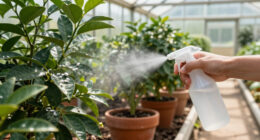
The trigger sprayer on ready-to-use bottles is a hidden differentiator: cheap sprayers clog, lose prime, or produce coarse droplets that run off leaves instead of coating the undersides where pests live. Fine mist matters because soap only kills what it physically touches — a direct spray to the leaf underside beats a drenching from above. If you buy concentrate, a dedicated pump or compression sprayer in the one- to two-gallon range is a worthwhile companion purchase, and it should be labeled and used only for pesticides. Store all soap products sealed, away from freezing temperatures, and out of sunlight; frozen-and-thawed soap separates and should be discarded rather than rescued.
Frequently Asked Questions
Is a concentrate really worth the extra effort for a small garden?
For most small gardens, no — the mixing, measuring, and need for a separate sprayer outweigh the savings when you’re only producing a quart or two of spray per season. Concentrates like Safer Brand’s 16 oz bottle or BioAniquile’s 33.8 oz jug make economic sense once you’d otherwise buy three or more ready-to-use bottles in a year. There’s also a shelf-life consideration: diluted soap doesn’t store well, so each mixing session should match what you’ll use that day. If you enjoy the ritual and already own a pump sprayer, concentrate is fine even at small scale; if you want to grab something off the shelf and spray, a ready-to-use bottle will serve you better.
Why do the Bonide options appear multiple times, and which should I pick?
Bonide shows up here in three forms: the standard Insecticidal Soap in single and 3-pack bottles, and Captain Jack’s Super Soap, which is a separate, more potent formulation. If you’re deciding among them, the standard single bottle suits first-time or occasional users, the 3-pack makes sense if you’re treating an established garden through a full pest season, and the Super Soap is worth choosing when standard soap hasn’t controlled your outbreak. The Super Soap’s added punch comes with slightly more caution around sensitive plants, so it’s not automatically the ‘better’ version — it’s the stronger one for situations that call for it. Buying the 3-pack when you only need one bottle is the mistake to avoid.
Can I use insecticidal soap on vegetables and herbs I’m about to eat?
Usually yes, but check the pre-harvest interval on the specific label. Pure fatty-acid soap products are typically cleared for same-day harvest on listed edibles with a rinse, which is one of their biggest advantages over synthetic insecticides. Blended products change the calculus: the Fertilome spinosad soap, for example, carries a longer waiting period on some crops, and essential-oil blends like Trifecta or BioAniquile have their own intervals. Also confirm the crop appears on the label — coverage for tomatoes doesn’t automatically extend to basil or kale. When in doubt, spray right after a harvest rather than right before one, which builds the interval in naturally.
Why isn’t the soap killing my pests completely after one spray?
Insecticidal soap only kills on direct contact and has no residual effect, so any egg, pupa, or insect you missed survives untouched. Aphids and mites in particular hatch in waves, which is why the standard protocol is repeat applications every 5 to 7 days for at least two or three rounds. Coverage is the other common failure: most pests congregate on leaf undersides, and a spray aimed from above will miss the majority of the colony. If two or three thorough rounds still fail, you’re likely dealing with a pest soap struggles against — like thrips adults or caterpillars — and a spinosad-based or blended product becomes the better tool.
Are essential-oil blends like Trifecta and BioAniquile actually better than plain soap?
They’re broader, not simply better. The added oils in these products extend activity to some pests that plain soap handles poorly, which matters for indoor growers dealing with multi-pest problems or anyone fighting repeated infestations. The cost of that breadth is higher price per ounce, stronger odor, more phytotoxicity risk on tender foliage, and fewer organic-certification guarantees depending on the product. For a straightforward aphid or mite problem on hardy plants, plain potassium-salts soap does the same job for less money and with a gentler safety profile. Choose the blends when pest diversity, not pest volume, is your problem.
Conclusion
The right pick here depends less on brand loyalty and more on the shape of your garden and pest problem. Best overall goes to Safer Brand Insect Killing Soap Concentrate — it combines proven fatty-acid chemistry with the lowest cost per treatment, and it scales from a single rosebush to a full vegetable plot. Best value is a split decision: the Bonide 3-pack for gardeners who want ready-to-use convenience at a sensible per-bottle cost, and BioAniquile’s concentrate for those who want maximum spray volume per dollar. Best premium is Trifecta Crop Control, which justifies its price only for serious indoor, greenhouse, or high-value crops where multi-pest coverage matters.
For beginners, the single Bonide Insecticidal Soap Ready-to-Use or Garden Safe bottle is the right starting point — nothing to mix, nothing to calibrate, and gentle enough to learn on. Apartment and houseplant growers should reach for Natria’s 24 oz bottle, which won’t hog storage or expire half-used. For specific needs: choose Captain Jack’s Super Soap when standard soap has failed, and Fertilome’s spinosad soap when thrips, leaf miners, or caterpillars join the party. Whatever you pick, budget for repeat applications — one thorough spray cycle beats three half-hearted ones.
Fall yard work Picks
leaf blowers
As an affiliate, we earn on qualifying purchases.