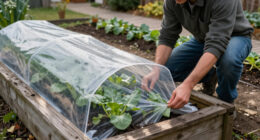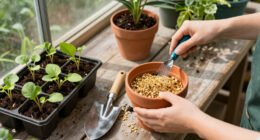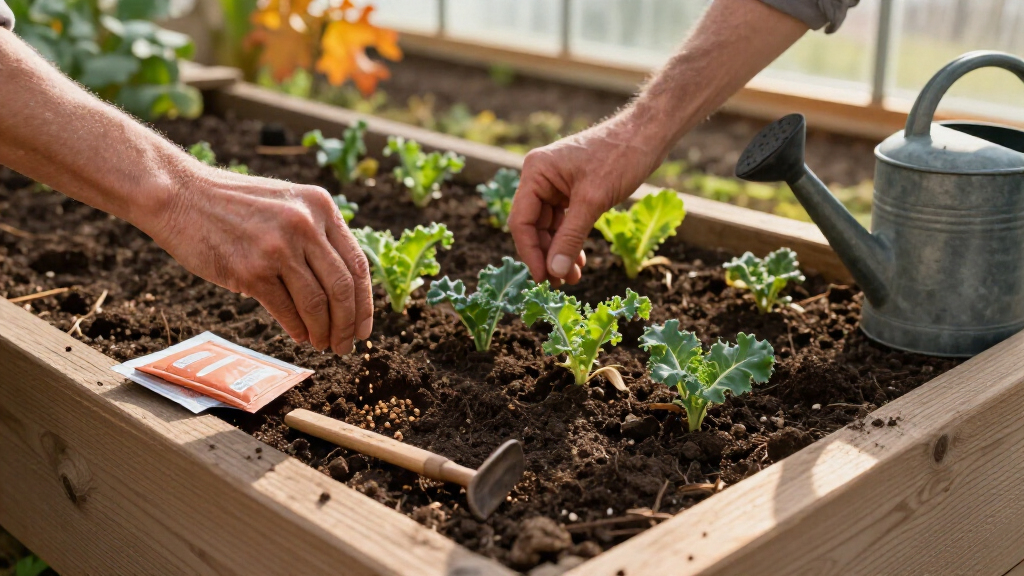
The best fall garden seeds are the ones that germinate reliably in cooling soil and mature before your first hard frost — and that is exactly how I ranked these 13 collections. The Fall and Winter Heirloom Vegetable Seed Collection, 40 Varieties earns the top spot for its unmatched range and seed volume, giving you room to replant successions all season. If you want a smaller, curated start, the Sweet Yards Organic Cold-Hardy pack and the beginner-friendly Gardeners Basics 8-variety collection are stronger fits. The main tradeoff in this category is variety count versus practical usability: big sets sound appealing, but only pay off if you have the bed space and planting calendar to use them. Keep reading for the full breakdown of what each set actually delivers.

Get garden gear delivered free with Prime
- Fast, free delivery on millions of items
- Prime Video, Amazon Music and more included
- Member-only deals all year
Key Takeaways
- Sheer variety count was the weakest predictor of value — the 40-variety collection won on scale, but the 8- and 9-variety sets delivered higher germination focus and easier planting plans for small gardens.
- Collections built explicitly around cold hardiness (Sweet Yards, Apexmode, Survival Garden Seeds) consistently offered better-timed crops like kale, spinach, and radishes than general ‘vegetable variety packs’ repackaged for fall.
- Organic certification appeared in only about a third of the lineup; it usually came paired with fewer seeds per packet, so organic buyers trade volume for certification.
- Sets with 20,000+ seeds only make sense for succession planting or large plots — most fall gardeners will waste the majority of a mega-pack in a single season.
- Leafy greens dominated every winning collection, while warm-leaning crops like winter squash required separate planning and much earlier sowing dates than the rest of the lineup.
| Fall Harvest Seed Collection, 9 Heirloom Vegetable Varieties |  | Best for Squash and Fall Harvest Variety | Varieties: 9 | Included vegetables: Pumpkin, butternut squash, spaghetti squash, turnip, kale, mustard, Brussels sprouts, cabbage, and carrot | Seed type: Non-GMO, heirloom | VIEW LATEST PRICE | See Our Full Breakdown |
| Sweet Yards Organic Cold-Hardy Fall and Winter Vegetable Seed Variety Pack, 10 Packets |  | Best for Guided Cool-Season Planting | Packet count: 10 | Varieties: Detroit Dark Red Beet, Nantes Carrot, Champion Collard Greens, Dazzling Blue Kale, Alto Leek, Rouge d’Hiver Lettuce, Snowball Y Improved Cauliflower, Purple Top White Globe Turnip, Waltham 29 Broccoli, and Chives | Planting season: Fall and winter | VIEW LATEST PRICE | See Our Full Breakdown |
| Fall and Winter Vegetable and Herb Seed Variety Pack, 30 Individual Packs |  | Best for the Widest Packet Selection | Packet count: 30 individual seed packets | Season: Fall and winter | Named crops: Beets, arugula, carrots, lettuce, broccoli, and thyme | VIEW LATEST PRICE | See Our Full Breakdown |
| Cool-Season Vegetable Seeds Variety Pack |  | Best for Flexible Growing Setups | Seed varieties: Detroit Dark Red Beet, Rainbow Carrot, Red Burgundy Onion, Giant Noble Spinach, Fenugreek, Waltham 29 Broccoli, Golden Acres Cabbage, White Snowball Cauliflower, Garden Kale, and Southern Giant Mustard Greens | Seed type: Heirloom, open-pollinated, non-GMO | Treatment: Untreated | VIEW LATEST PRICE | See Our Full Breakdown |
| Apexmode Organic Heirloom Winter Vegetable Seeds, 12 Varieties |  | Best for a Broad Organic Assortment | Varieties: 12 | Included vegetables: Radish, pea, broccoli, beet, carrot, cauliflower, green bean, kale, arugula, cabbage, asparagus, and Brussels sprout | Seed type: Organic, non-GMO, untreated heirloom | VIEW LATEST PRICE | See Our Full Breakdown |
| Home Grown 12-Variety Fall Vegetable Seed Mix, 9,600+ Seeds |  | Best for Storage Crops | Varieties: 12 | Seed count: 9,600+ | Season: Cool season | VIEW LATEST PRICE | See Our Full Breakdown |
| Fall and Winter Heirloom Vegetable Seed Collection, 40 Varieties, 20,000+ Seeds | 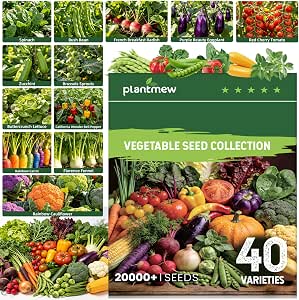 | Widest Variety | Varieties: 40 | Seed count: 20,000+ | Seed type: Open-pollinated heirloom | VIEW LATEST PRICE | See Our Full Breakdown |
| Gardeners Basics Fall Vegetable Seed Collection, 8 Heirloom Varieties |  | Best for Beginners | Varieties: 8 | Included vegetables: Snap pea, carrot, red cabbage, beet, romaine lettuce, radish, broccoli, kale | Included accessories: 8 plant markers | VIEW LATEST PRICE | See Our Full Breakdown |
| Cool Weather Garden Seeds Collection – Survival Garden Seeds |  | Most Focused Fall Pick | Indoor/Outdoor usage: Indoor, Outdoor | Special features: Attracts pollinators; disease resistant; high germination rate; low maintenance; pest resistant | Expected planting period: Spring to fall | VIEW LATEST PRICE | See Our Full Breakdown |
| Organo Republic Winter Vegetable and Greens Seed Variety Pack, 25 Heirloom Seed Packets |  | Best Complete Kit | Seed varieties: 25 | Seed quantity: More than 27,675 | Seed type: Non-GMO, heirloom, non-hybrid | VIEW LATEST PRICE | See Our Full Breakdown |
| Winter Squash Seeds, 4-Variety Pack |  | Best for Long-Term Storage Crops | Varieties: Butternut, acorn, spaghetti, and pink banana squash | Seed type: Heirloom, open-pollinated, non-GMO | Seed treatment: Untreated | VIEW LATEST PRICE | See Our Full Breakdown |
| 25-Variety Heirloom Autumn Vegetable and Herb Seed Set |  | Best All-Around Fall Garden Starter | Seed varieties: 25 | Seed type: Heirloom, non-GMO, open-pollinated | Planting season: Late summer through early fall | VIEW LATEST PRICE | See Our Full Breakdown |
| 10-Variety Power Greens Heirloom Seed Collection |  | Best for Fast Fall Harvests | Varieties: 10 | Included varieties: Collards, mustard, kale, Swiss chard, spinach, pak choi, tatsoi, arugula, parsley, cilantro | Seed type: Heirloom, open-pollinated, non-GMO, untreated | VIEW LATEST PRICE | See Our Full Breakdown |
| fall garden seed | Seed type | Varieties |
|---|---|---|
| Fall Harvest Seed Collection | Non-GMO, heirloom | 9 |
| Sweet Yards Organic Cold-Hardy | — | Detroit Dark Red Beet, Nantes Carrot, Champion Collard Greens, Dazzling Blue Kale, Alto Leek, Rouge d’Hiver Lettuce, Snowball Y Improved Cauliflower, Purple Top White Globe Turnip, Waltham 29 Broccoli, and Chives |
| Fall and Winter Vegetable and | — | — |
| Cool-Season Vegetable Seeds Va | Heirloom, open-pollinated, non-GMO | — |
| Apexmode Organic Heirloom Wint | Organic, non-GMO, untreated heirloom | 12 |
| Home Grown 12-Variety Fall Veg | Non-GMO | 12 |
| Fall and Winter Heirloom Veget | Open-pollinated heirloom | 40 |
| Gardeners Basics Fall Vegetabl | Heirloom, non-GMO | 8 |
| Cool Weather Garden Seeds Coll | — | — |
| Organo Republic Winter Vegetab | Non-GMO, heirloom, non-hybrid | — |
| Winter Squash Seeds | Heirloom, open-pollinated, non-GMO | Butternut, acorn, spaghetti, and pink banana squash |
| 25-Variety Heirloom Autumn Veg | Heirloom, non-GMO, open-pollinated | — |
| 10-Variety Power Greens Heirlo | Heirloom, open-pollinated, non-GMO, untreated | 10 |
More Details on Our Top Picks
Fall Harvest Seed Collection, 9 Heirloom Vegetable Varieties
Squash variety sets this collection apart: it includes pumpkin, butternut squash, and spaghetti squash alongside six other vegetables. That makes it a better fit for gardeners planning a broad autumn harvest than the Sweet Yards Organic Cold-Hardy Fall and Winter Vegetable Seed Variety Pack, which focuses on cool-season crops such as broccoli, kale, and beets. The mix also includes carrots, cabbage, Brussels sprouts, turnip, kale, and mustard, giving a garden several different harvest options. Its heirloom, non-GMO seeds suit buyers who value those traits, and the listed growing settings include raised beds and patio containers. The tradeoff is that every crop is listed for full sun and regular watering, while this collection provides no variety-specific planting guidance in the supplied details. Choose it for crop range; skip it if you want a packet set centered on documented cool-season instructions.
Pros:- Includes nine vegetable varieties, with pumpkin and two types of squash
- Combines squash with cool-season crops such as kale, cabbage, and carrots
- Heirloom and non-GMO seed types
- Listed for outdoor gardens, raised beds, and patio containers
Cons:- Full sun and regular watering are listed growing requirements
- The supplied product details do not specify variety-by-variety planting guidance
Best for: Gardeners with a sunny outdoor plot, raised bed, or patio containers who want squash alongside fall greens and roots.
Not ideal for: Gardeners with partial-sun beds or limited time for regular watering, since the listed conditions call for full sun and consistent moisture.
- Varieties:9
- Included vegetables:Pumpkin, butternut squash, spaghetti squash, turnip, kale, mustard, Brussels sprouts, cabbage, and carrot
- Seed type:Non-GMO, heirloom
- Growing settings:Outdoor gardens, raised beds, and patio containers
- Sunlight:Full sun
- Moisture:Regular watering
- USDA hardiness zones:2–11
- Brand:Freedom Farms
Our verdict“Pick this collection if you want squash to anchor a diverse fall garden and can provide full sun and regular watering.”
Sweet Yards Organic Cold-Hardy Fall and Winter Vegetable Seed Variety Pack, 10 Packets
Planting instructions in each packet make this a practical pick for gardeners starting a cool-season bed, particularly those who want guidance alongside a varied crop mix. The 10 varieties include beets, carrots, collards, kale, leeks, lettuce, cauliflower, turnips, broccoli, and chives. Compared with the Fall and Winter Vegetable and Herb Seed Variety Pack, 30 Individual Packs, Sweet Yards offers fewer packets but specifies organic seeds and a 120-day refund or replacement germination guarantee. That makes its scope easier to grasp, though the 30-pack set may suit gardeners who want a wider assortment. Reusable zipper packaging helps keep opened packets organized. The main constraint is seasonal: this assortment is aimed at fall and winter growing, and it calls for regular watering. Its partial-sun listing may suit beds that do not receive full sun, but it is not a substitute for a warm-season seed collection.
Pros:- Ten varieties tailored to fall and winter planting
- Seeds described as organic, heirloom, and GMO-free
- Packets include planting instructions and reusable zipper packaging
- Seller offers refund or replacement within 120 days under its germination guarantee
Cons:- Focused on cool-season crops rather than a year-round assortment
- Regular watering is listed as a requirement
Best for: New cool-season gardeners who want packet planting instructions, organic seed, and a stated germination guarantee.
Not ideal for: Gardeners seeking warm-season crops or a very broad assortment, since the 10 packets focus on fall and winter vegetables and herbs.
- Packet count:10
- Varieties:Detroit Dark Red Beet, Nantes Carrot, Champion Collard Greens, Dazzling Blue Kale, Alto Leek, Rouge d’Hiver Lettuce, Snowball Y Improved Cauliflower, Purple Top White Globe Turnip, Waltham 29 Broccoli, and Chives
- Planting season:Fall and winter
- Seed traits:GMO-free, heirloom, organic
- Sunlight:Partial sun
- Moisture:Regular watering
- Packet features:Planting instructions and reusable zipper packaging
- Germination guarantee:Refund or replacement within 120 days
Our verdict“Choose Sweet Yards for an instruction-supported cool-season garden with a stated germination guarantee.”
Fall and Winter Vegetable and Herb Seed Variety Pack, 30 Individual Packs
Thirty individual packets give this set the broadest stated selection among these five picks, combining vegetables and herbs for fall and winter gardening. The named crops include beets, arugula, carrots, lettuce, broccoli, and thyme. That breadth makes it more appealing to gardeners planning several beds or experimenting with multiple crops than the Sweet Yards Organic Cold-Hardy Fall and Winter Vegetable Seed Variety Pack, which contains 10 packets and lists organic seeds. Family Sown’s supplied details describe the seeds as heirloom and GMO-free, and each packet has planting instructions and reusable zipper packaging. The limitation is that the product data does not give seed quantities per packet, so a high packet count does not tell you how much planting each variety supports. Its refund window is 30 days, shorter than Sweet Yards’ stated 120-day guarantee. Pick it for assortment, not certainty about packet yield.
Pros:- Includes 30 individual packets of vegetables and herbs
- Named crops include roots, greens, broccoli, and thyme
- Packets include planting instructions and reusable zippers
- Seeds are described as heirloom and GMO-free
Cons:- Seed quantity per packet is not specified in the supplied product data
- The stated refund period is 30 days, shorter than Sweet Yards’ 120-day guarantee
Best for: Gardeners who want many fall and winter vegetable and herb options for experimenting across beds or containers.
Not ideal for: Buyers who need to know how much seed each packet contains or want a longer stated germination guarantee.
- Packet count:30 individual seed packets
- Season:Fall and winter
- Named crops:Beets, arugula, carrots, lettuce, broccoli, and thyme
- Growing settings:Indoor and outdoor
- Seed traits:GMO-free, heirloom
- Moisture:Moderate watering
- Packet features:Planting instructions and reusable zipper packaging
- Refund:30-day refund if seeds do not grow
Our verdict“Choose this set when assortment across many packets matters more than knowing each packet’s seed quantity.”
Cool-Season Vegetable Seeds Variety Pack
Growing-setting flexibility is the defining advantage here: the listing includes raised beds, patio containers, hydroponic gardens, and indoor or outdoor growing. Its 10 cool-weather varieties cover beets, carrots, onion, spinach, fenugreek, broccoli, cabbage, cauliflower, kale, and mustard greens. Compared with the Fall Harvest Seed Collection, 9 Heirloom Vegetable Varieties, this pack is more clearly aimed at cool-season greens and roots and does not include squash or pumpkin. The seeds are described as heirloom, open-pollinated, non-GMO, and untreated, which may appeal to growers who want those traits across a compact selection. The tradeoff is a narrow season focus: all listed crops are framed for cool weather, so this is less useful as a general seed assortment. The supplied details also do not specify packet counts or seed quantities, which leaves the scale of each planting unclear.
Pros:- Ten varieties suited to cool-weather planting in spring or fall
- Listed for raised beds, patio containers, hydroponic gardens, and indoor or outdoor growing
- Seeds described as heirloom, open-pollinated, non-GMO, and untreated
- Includes a mix of roots, greens, and brassicas
Cons:- Assortment is limited to cool-weather crops
- Supplied details do not state packet count or seed quantities
Best for: Urban growers with containers, indoor setups, or hydroponic systems who want a compact selection of cool-weather crops.
Not ideal for: Gardeners who want summer crops, squash, or clearly stated seed quantities for planning larger plantings.
- Seed varieties:Detroit Dark Red Beet, Rainbow Carrot, Red Burgundy Onion, Giant Noble Spinach, Fenugreek, Waltham 29 Broccoli, Golden Acres Cabbage, White Snowball Cauliflower, Garden Kale, and Southern Giant Mustard Greens
- Seed type:Heirloom, open-pollinated, non-GMO
- Treatment:Untreated
- Growing season:Cool weather; spring or fall
- Growing settings:Raised beds, patio containers, hydroponic gardens, indoors, or outdoors
- Plant types:Vegetables and herbs
Our verdict“Pick this pack for cool-season crops across flexible indoor, container, or hydroponic growing setups.”
Apexmode Organic Heirloom Winter Vegetable Seeds, 12 Varieties
Twelve untreated organic heirloom varieties give Apexmode a wider stated crop mix than the 10-variety Cool-Season Vegetable Seeds Variety Pack. Radish, peas, broccoli, beets, carrots, cauliflower, green beans, kale, arugula, cabbage, asparagus, and Brussels sprouts cover several crop types, which can help gardeners who want more than a greens-only selection. The product is listed for gardens, raised beds, and planter boxes, and its full-sun requirement suits open growing spaces. One point to weigh is the seasonal information: although the title says winter, the listing names spring as the expected planting period and spring and winter as blooming periods. Its claimed 92% germination rate is a product claim, not a guarantee of results for every packet. The supplied details also offer limited variety-specific planting guidance, so gardeners who want step-by-step instructions may prefer Sweet Yards.
Pros:- Includes 12 vegetable varieties across roots, greens, legumes, and brassicas
- Seeds described as organic, non-GMO, untreated heirlooms
- Listed for gardens, raised beds, and planter boxes
- Includes a stated germination-rate claim
Cons:- Product data lists spring as the expected planting period despite the winter-focused title
- The claimed 92% germination rate may vary in practice
- Variety-specific planting guidance is limited in the supplied details
Best for: Gardeners seeking a 12-variety organic heirloom mix for sunny gardens, raised beds, or planter boxes.
Not ideal for: Beginners who need detailed crop-by-crop planting guidance or buyers who require clear fall planting timing for every variety.
- Varieties:12
- Included vegetables:Radish, pea, broccoli, beet, carrot, cauliflower, green bean, kale, arugula, cabbage, asparagus, and Brussels sprout
- Seed type:Organic, non-GMO, untreated heirloom
- Claimed germination rate:92%
- Growing settings:Indoor and outdoor
- Sunlight:Full sun
- Expected planting period:Spring
- Expected blooming period:Spring and winter
Our verdict“Choose Apexmode for a broad organic heirloom mix if you can resolve the planting timing for your climate and crops.”
Home Grown 12-Variety Fall Vegetable Seed Mix, 9,600+ Seeds
This mix earns its spot by covering the full autumn harvest picture — not just salads, but storage and cooking crops like pie pumpkins, kohlrabi, Brussels sprouts, and onions. That sets it apart from salad-heavy sets like the Gardeners Basics Fall Vegetable Seed Collection, which leans almost entirely on leafy greens and roots. The tradeoff is breadth over depth: with 12 varieties packed into one kit, no individual packet is generous, and the listing doesn’t break down counts per crop, so a gardener hoping to grow a full row of cabbage is guessing. Compared with the Cool Weather Garden Seeds Collection, which focuses on just five proven cold-hardy crops, this option spreads risk across more varieties but offers less certainty on any single one. Results will also hinge on local climate, since some varieties mature too slowly for short fall windows.
Pros:- Covers fresh eating, cooking, and storage crops in one kit
- Cold-hardy varieties selected specifically for autumn and winter planting
- Non-GMO seeds across 12 distinct vegetables
- 9,600+ total seeds offers plenty for succession planting
Cons:- No per-variety seed counts, making crop planning imprecise
- Mixed maturities mean some varieties need an early start to finish in fall
- Smaller per-crop quantities than buying single-variety packets
Best for: Gardeners who want a single purchase covering fresh eating, cooking, and winter storage crops
Not ideal for: Gardeners in short-season climates — slower-maturing varieties like Brussels sprouts and pumpkins may not finish before hard frost
- Varieties:12
- Seed count:9,600+
- Season:Cool season
- Seed type:Non-GMO
- Included varieties:Cabbage, Brussels sprouts, beets, peas, kale, romaine lettuce, turnips, broccoli, cauliflower, kohlrabi, pie pumpkins, onions
Our verdict“This pick makes the most sense for gardeners who want pumpkins, onions, and sprouts alongside their greens rather than another salad-focused kit.”
Fall and Winter Heirloom Vegetable Seed Collection, 40 Varieties, 20,000+ Seeds
If variety is the priority, this 40-packet collection has no rival in this lineup — the Organo Republic Winter Vegetable Pack stops at 25, and the Home Grown 12-Variety Mix at 12. Every packet is individually sealed, which matters for storage and lets you plant selectively rather than committing the whole kit at once, and the included five mini garden tools plus planting guides make it a genuine gift-ready option. The catch: 40 varieties is more than most fall gardens can realistically use, and a few inclusions like tomatoes, peppers, and basil are questionable fits for an actual cool-season planting — they need warmth the season won’t provide. Buyers also get no seed-by-seed quantities, so thin packets are possible. Compared with smaller, tighter collections, this one trades curation for sheer scope.
Pros:- Largest variety count in the roundup at 40 heirloom types
- Individually sealed packets allow multi-season storage and selective planting
- Includes five mini garden tools and planting guides
- Open-pollinated seeds can be saved and replanted
Cons:- Some included varieties (tomatoes, peppers, basil) are poor matches for fall and winter planting
- No seed-by-seed quantities provided
- Full-sun requirement limits use in shaded or indoor low-light setups
Best for: Seed savers and gift-givers who want maximum variety and open-pollinated heirloom stock for multiple seasons
Not ideal for: Gardeners who want a tightly curated fall planting — several warm-season varieties don’t suit true autumn growing
- Varieties:40
- Seed count:20,000+
- Seed type:Open-pollinated heirloom
- Growing season:Fall and winter
- Indoor/outdoor use:Indoor and outdoor
- Sunlight exposure:Full sun
- Included accessories:5 mini garden tools and planting guides
- Brand:PLANTMEW
Our verdict“This collection suits buyers who value heirloom diversity and long-term seed stock over a strictly autumn-appropriate crop list.”
Gardeners Basics Fall Vegetable Seed Collection, 8 Heirloom Varieties
This is the most beginner-friendly design in the batch, and the reasoning is simple: eight clearly labeled packets with crop-specific planting directions printed on each, plus eight plant markers so seedlings stay identifiable weeks after sowing. Larger kits like the Fall and Winter Heirloom Vegetable Seed Collection throw 40 packets at a new gardener with no row markers; this one keeps the scope manageable and every crop is a genuinely fast, reliable fall performer — radishes, lettuce, and kale forgive beginner mistakes. The drawback is that nothing else comes with it: no tools, no bag, no guides beyond packet text, unlike the tooled-up Organo Republic pack. And while the variety list is smartly curated, eight packets is thin for anyone planning an ambitious or succession-planted bed. Buyers in cold zones should also note that winter harvests will depend on protection like row cover.
Pros:- Every packet is labeled with crop-specific planting directions
- Eight plant markers included for row and seedling identification
- Variety list sticks to fast, forgiving cool-season crops
- Works in garden beds, raised beds, and containers
Cons:- No accessories beyond markers — tools, soil, and guides are extra
- Only eight varieties limits planning for larger or succession-planted gardens
- Winter harvest depends heavily on local climate and frost protection
Best for: First-time fall gardeners who want clearly labeled packets, directions on each one, and markers included
Not ideal for: Gardeners wanting an all-in-one kit — soil, tools, and growing equipment are all sold separately
- Varieties:8
- Included vegetables:Snap pea, carrot, red cabbage, beet, romaine lettuce, radish, broccoli, kale
- Included accessories:8 plant markers
- Seed type:Heirloom, non-GMO
- Planting season:Spring and fall
- Sunlight exposure:Full sun
- Moisture needs:Moderate watering
Our verdict“This is the right starting point for a new gardener who wants a small, clearly guided fall bed rather than an overwhelming seed vault.”
Cool Weather Garden Seeds Collection – Survival Garden Seeds
Where other kits chase variety, this collection bets everything on five crops that genuinely thrive in cold — broccoli, kale, lettuce, spinach, and cilantro — and that discipline is its strength. The listed traits are unusually specific for this category: disease and pest resistance, high germination, and a USDA zone range of 2 through 11, which makes it the safest choice for northern gardeners who can’t risk finicky varieties. Compared with the Gardeners Basics eight-variety set, this one sacrifices carrots and beets but gains resilience claims and a broader zone rating. The tradeoff is obvious: five packets won’t stock a diverse garden, and everything here is strictly cool-season — plant it in summer heat and spinach and cilantro will bolt. Full sun is listed as a requirement, so shaded suburban plots may struggle. For a no-guesswork fall bed, though, the curation is hard to beat.
Pros:- Every variety is genuinely cold-hardy and fall-appropriate
- Rated for USDA zones 2-11, the widest zone coverage logic in this batch
- Disease- and pest-resistant traits reduce beginner failure points
- Works in containers and garden beds, indoors or out
Cons:- Only five varieties — the smallest crop list in the roundup
- Strictly cool-season; unsuitable for summer planting plans
- Full-sun requirement limits shaded or low-light indoor setups
Best for: Northern and short-season gardeners who need only proven cold-hardy crops with wide zone compatibility
Not ideal for: Gardeners wanting one kit to cover multiple seasons — every variety here is strictly cool-weather
- Indoor/Outdoor usage:Indoor, Outdoor
- Special features:Attracts pollinators; disease resistant; high germination rate; low maintenance; pest resistant
- Expected planting period:Spring to fall
- USDA hardiness zone:2-11
- Sunlight exposure:Full sun
- Soil moisture needs:Moderate watering
- Seed treatment:Untreated
- Material features:GMO free; heirloom
- Brand:Survival Garden Seeds
Our verdict“This collection makes the most sense for buyers who would rather have five reliable cold-weather crops than twenty maybes.”
Organo Republic Winter Vegetable and Greens Seed Variety Pack, 25 Heirloom Seed Packets
This is the most complete package on the shelf: 25 varieties, more than 27,000 seeds, five mini tools, a resealable waterproof storage bag, and QR codes linking to both growing and cooking guides — a pairing no competitor matches. The Fall and Winter Heirloom Collection includes tools but not the waterproof bag or digital guides; the Gardeners Basics kit includes neither. A stated germination rate above 90% also gives it an edge over kits that make no germination claims at all. The honest tradeoffs: two-year shelf life only holds with cool, dry storage, so the bag is doing real work, and the full-sun plus regular-watering requirements rule out neglectful or shaded setups. At 25 packets it also sits in an awkward middle — half the variety of the 40-pack, but far more than a beginner may use in one season.
Pros:- Only kit in this batch combining tools, waterproof storage bag, and QR growing/cooking guides
- Stated germination rate above 90%
- 27,675+ seeds across 25 heirloom, non-hybrid varieties
- Resealable waterproof bag supports the full two-year storage life
Cons:- Storage life depends on maintaining cool, dry conditions
- Full sun and regular watering limit flexible or low-maintenance setups
- More packets than a single-season gardener will realistically use
Best for: Buyers who want seeds, tools, storage, and growing guides bundled in one gift-ready package
Not ideal for: Low-effort or shaded-space gardeners — full sun and regular watering are non-negotiable here
- Seed varieties:25
- Seed quantity:More than 27,675
- Seed type:Non-GMO, heirloom, non-hybrid
- Indoor/outdoor use:Indoor and outdoor
- Included items:Five mini gardening tools and individual seed packets
- Germination rate:Over 90% (as stated)
- Storage life:Up to 2 years
- USDA hardiness zones:2-11
- Country of manufacture:USA
Our verdict“This is the pick for someone who wants the whole fall-gardening package — seeds, tools, storage, and guidance — in a single purchase.”
Winter Squash Seeds, 4-Variety Pack
Most fall seed packs focus on quick salads and greens, but this option goes the other direction: storage crops you can eat in February. The four heirloom varieties — butternut, acorn, spaghetti, and pink banana — all cure into squash that keeps for months without canning or freezing, which is something no leafy-green collection like the 10-Variety Power Greens set can match. Compared with mixed packs such as the 25-Variety Autumn Set from Freedom Farms, this is a narrower but more strategic buy: fewer varieties, more calories per square foot. The open-pollinated seeds mean you can save your own stock next season. The tradeoff is time and space — squash vines run about 4 feet and need full sun plus steady watering, and one listing caveat is that seed counts per variety aren’t specified, so you’re planning blind on quantity.
Pros:- Four storage-friendly winter squash varieties in one purchase
- Heirloom, open-pollinated seeds can be saved and replanted each year
- Harvested squash stores for months without preserving equipment
- Variety-specific growing and seed-saving instructions included
Cons:- Requires full sun, regular watering, and significant garden space for vining growth
- Seed quantity per variety isn’t listed, making garden planning a guessing game
Best for: Gardeners with raised beds or full-sun plots who want storable food for winter rather than quick salads
Not ideal for: Small container gardeners or anyone expecting a fall harvest within 60 days — squash needs a long runway and room to spread
- Varieties:Butternut, acorn, spaghetti, and pink banana squash
- Seed type:Heirloom, open-pollinated, non-GMO
- Seed treatment:Untreated
- Sunlight:Full sun
- Expected plant height:4 feet
- USDA hardiness zone:3–10
- Soil:Loam with regular watering
- Brand:Survival Garden Seeds
Our verdict“Buy this if you have the space and patience to grow calorie-dense storage squash; skip it if your fall garden is measured in pots.”
25-Variety Heirloom Autumn Vegetable and Herb Seed Set
This set earns the broadest role in the lineup because it covers every cool-season category at once: leafy greens, root crops, brassicas, and hardy herbs across 25 varieties. Where the Winter Squash 4-Variety Pack commits to one crop family, and the Power Greens collection stops at leaves, this set spreads risk — if your radishes flop, your kale might carry the season. It also fits containers, raised beds, and row gardens, which makes it the most flexible match for households with mixed growing setups. Zone-specific planting guidance is a genuine help for first-timers in borderline climates. The honest tradeoff: with 25 varieties you’ll get shallow coverage of each, and the listing lists fewer spec details (no per-variety counts or harvest timelines) than tighter packs provide, so expect to research each crop yourself. Regular watering is non-negotiable.
Pros:- 25 cool-season vegetable and herb varieties in a single set
- Works in containers, raised beds, and traditional row gardens
- Open-pollinated heirloom seeds support season-to-season seed saving
- Planting guidance covers multiple climate zones
Cons:- Breadth over depth — fewer seeds per variety than smaller dedicated packs
- Requires consistent watering throughout the season
Best for: First-fall-garden households who want one purchase covering greens, roots, brassicas, and herbs across mixed bed types
Not ideal for: Gardeners who want deep quantities of a few crops — the breadth here means thinner seed counts per variety
- Seed varieties:25
- Seed type:Heirloom, non-GMO, open-pollinated
- Planting season:Late summer through early fall
- Sunlight exposure:Full sun
- Recommended hardiness zones:4–10
- Packaging:Labeled, moisture-resistant paper envelopes
- Brand:Freedom Farms
Our verdict“The strongest single purchase for a diverse first fall garden, as long as you accept smaller quantities of each crop.”
10-Variety Power Greens Heirloom Seed Collection
What separates this collection from the 25-Variety Autumn Set is speed and focus. With mustard and tatsoi ready in 30–45 days, this is the pick for gardeners planting late and eating before hard frost — the greens-heavy selection is built for quick turnover, while collards and kale extend the season to roughly 75 days. The zones 2–11 range is the widest in this roundup, so northern gardeners who’d struggle with slower sets aren’t left out, and indoor growing is an option the squash pack can’t offer. Compared with the Winter Squash Pack, the tradeoff is obvious: greens wilt or freeze rather than store for months, so this is a fresh-eating garden, not a pantry garden. The staggered harvest times also demand a little planning — plant everything at once and you’ll be drowning in arugula before a single collard leaf is ready.
Pros:- Quick varieties like mustard and tatsoi harvest in 30–45 days
- Widest climate range in the lineup at USDA zones 2–11
- Works both indoors and outdoors, unlike squash-only options
- Staggered harvest times extend fresh eating across the season
Cons:- Collards take about 75 days, so a single planting date creates uneven harvests
- Full sun and moderate watering required — not a neglect-tolerant garden
Best for: Late-planting gardeners and cold-climate growers (zones 2–11) who want fresh greens on the table within weeks
Not ideal for: Anyone growing for winter food storage — greens don’t keep the way squash does, and collards test short-season patience at 75 days
- Varieties:10
- Included varieties:Collards, mustard, kale, Swiss chard, spinach, pak choi, tatsoi, arugula, parsley, cilantro
- Seed type:Heirloom, open-pollinated, non-GMO, untreated
- Planting period:Spring to fall
- USDA hardiness zones:2–11
- Harvest time:Mustard and tatsoi: 30–45 days; collards: about 75 days
- Sunlight:Full sun
Our verdict“Choose this for the fastest path from seed to salad in almost any climate; pick a storage-focused pack if you’re growing for the pantry.”

How We Picked
I evaluated each collection through the lens of a real fall planting window: cold-season suitability, days-to-maturity fit, germination reliability, seed count per packet, and organization of the set. A collection packed with tomatoes or peppers would fail this test no matter how generous the seed count, because those crops cannot be direct-sown into fall conditions. I favored sets that paired quick crops (radishes, lettuce, spinach) with storage crops (carrots, beets, kale) so a single purchase covers an entire season of harvests rather than one wave.
The ranking logic then weighed practical usability against scale. Collections that include planting guidance, clearly labeled packets, and realistic variety counts scored higher for most buyers than sprawling sets with vague instructions. I also weighed certification (organic vs. conventional), packaging durability for storage, and whether the seed volume matched what a typical household garden could actually use before viability declines. The result is a list ordered from the most complete, long-lived collection down to specialized picks that serve narrower needs.
Factors to Consider When Choosing Best Fall Garden Seeds
Choosing fall seeds is less about brand names and more about matching a collection to your frost date, garden size, and eating habits. These are the factors that actually changed my rankings.Count Backward From Your First Frost Date
The single most common mistake fall gardeners make is buying seeds that cannot finish before the first killing frost. Before choosing any collection, look up your average first frost date and count backward using each crop’s days-to-maturity plus a buffer of one to two weeks, since growth slows as daylight shrinks. Radishes and lettuce can go in the ground as late as six weeks before frost, while kale, carrots, and beets need ten to fourteen weeks. A 30- or 40-variety pack sounds generous until you realize half its contents may not fit your window. Buyers in short-season climates should prioritize collections weighted toward fast maturing greens over sprawling sets.
Match Seed Count to Real Garden Space
A packet promising 20,000+ seeds only delivers value if you have the beds to use them or plan to succession plant across multiple years. Most unused seeds lose vigor after two or three seasons unless stored cool, dry, and dark, so a mega-pack can quietly become a waste problem. A modest raised bed of 4×8 feet is fully planted by fewer than a dozen packets. My advice: estimate your actual bed square footage first, then buy the smallest collection that fills it. Smaller sets also tend to have better-labeled packets with sowing instructions, which matters when you are juggling a dozen crops at once.
Organic Certification: When It Matters and When It Doesn’t
Certified organic seed guarantees the parent plants were grown without synthetic pesticides, which matters most for crops you eat quickly and raw — lettuce, spinach, and salad greens. For root vegetables and storage crops, conventional seed from a reputable supplier performs nearly identically at a lower effective cost per plant. Expect organic collections to include fewer varieties and fewer seeds per packet for the same money. If you save seeds from year to year, though, organic heirloom stock is the better long-term foundation. Decide whether certification is a value you hold or a yield question, because in germination terms the difference is usually small.
Heirloom vs. Hybrid for Fall Conditions
Nearly every collection in this roundup leans heirloom, and that shapes what you can expect. Heirlooms let you save seeds true to type and offer flavor diversity, but they lack the bolt resistance and cold tolerance bred into modern hybrids. If your fall threat is an early hard frost, a hybrid spinach or kale may outperform an heirloom equivalent by weeks. On the other hand, heirloom sets win on seed-saving economics over multiple seasons. The honest answer is that a fall garden benefits from both: heirlooms for greens you harvest leaf by leaf, hybrids for any crop racing the clock.
Packaging and Storage Quality
Fall seed collections are rarely planted all at once, which means packets sit around in sheds and garages through temperature swings. Resealable, foil-lined, or individually sealed packets protect germination rates far better than plain paper envelopes taped shut. Check whether the seller includes separate packets per variety or mixes seeds together — mixed tins look convenient but make succession planting impossible. Also look for printed germination dates or packed-for years rather than vague lot numbers. These details separate collections that last three seasons from ones that fade after one winter in storage.
Instruction Quality and Beginner Support
The difference between a collection that thrives and one that fails often comes down to when and how deep you sow, not the seeds themselves. Sets that include planting guides, spacing charts, or even QR-linked calendars dramatically reduce failure for first-time fall gardeners. Fall sowing is less intuitive than spring planting — soil is warm while air cools, and some seeds like spinach actually germinate poorly above 75°F, so timing is counterintuitive. If you have never grown a cool-season garden, paying slightly more for a set with strong documentation is cheaper than replanting. Experienced growers can ignore this factor and chase raw seed value instead.
Frequently Asked Questions
Is it too late to plant fall garden seeds if summer is almost over?
It depends entirely on your first frost date, not the calendar month. Fast crops like radishes, arugula, and leaf lettuce can be sown as little as four to six weeks before frost, while kale, carrots, and broccoli need ten to fourteen weeks. If you are late, choose collections weighted toward quick greens rather than large sets that include slow-maturing root crops. In mild-winter climates, fall sowings of spinach and kale often overwinter and produce earlier spring harvests than spring-sown plants. The safest approach is to count backward from your frost date and buy seeds that fit the remaining window with a buffer.
Are bigger seed collections actually a better value?
Only if you have the space, time, and succession-planting discipline to use them. A 40-variety, 20,000-seed set has the lowest cost per seed, but unused seeds lose germination vigor within two or three storage seasons, so wasted volume cancels the savings. Small gardens under 100 square feet are usually better served by an 8- to 12-variety collection, which also tends to come with better labeling and instructions. Large sets make sense for homesteaders, community gardens, or gardeners who genuinely replant greens every few weeks. Judge value by seeds you will actually plant, not seeds in the box.
Can I plant these fall seed collections in spring too?
Most cool-season crops are actually bi-seasonal — spinach, lettuce, kale, peas, and radishes grow well in both spring and fall, so the same collection serves two planting windows. The difference is timing stress: spring sowings risk bolting as days lengthen and warm, while fall sowings improve in flavor as temperatures drop. Crops like carrots and beets perform even better in fall because frost converts starches to sugars. The main exception is anything labeled specifically for winter harvest that needs fall establishment to overwinter. Think of these collections as cool-season kits rather than fall-only purchases, which improves their value across the year.
Do I need to start fall seeds indoors?
For most of the crops in these collections, no — direct sowing is the norm and often the better choice, since leafy greens and root crops resent transplanting. The exception is brassicas like broccoli, cabbage, and cauliflower, which need a head start indoors or in trays about four to six weeks before transplanting into fall beds. Warm soil in late summer usually gives excellent germination for direct-sown seeds; the trick is keeping soil moist during that period. If your collection is mostly greens and roots, you can skip grow lights entirely. Just sow a little thicker than the packet suggests and thin after emergence.
What is the difference between cold-hardy and frost-tolerant on seed packaging?
Frost-tolerant crops survive light frosts in the 28–32°F range — lettuce, radishes, and beets fall here — while truly cold-hardy crops like kale, spinach, and mache keep growing through hard frosts and often through winter with protection. This distinction should shape which collection you buy. If your fall season ends with a hard freeze and stays frozen, frost-tolerant crops are all you need for a final harvest. If you want to harvest into winter, look for collections emphasizing kale, spinach, and cold-hardy greens specifically. Generic ‘vegetable variety packs’ rarely make this distinction, which is why the cold-hardy-specific sets ranked higher for true winter harvest goals.
Conclusion
The right choice here comes down to scale and experience. For the best overall pick, the Fall and Winter Heirloom Vegetable Seed Collection, 40 Varieties offers the widest crop range and enough seed for multiple seasons of succession planting — ideal for large gardens or households that preserve food. The best value goes to the Home Grown 12-Variety Fall Vegetable Seed Mix, which balances a generous seed count with a practical, plantable variety list. For beginners, the Gardeners Basics Fall Vegetable Seed Collection keeps things manageable with eight well-chosen heirlooms and approachable documentation, so a first cool-season garden does not turn into a logistics project.
Buyers with specific goals should look at the specialists: the Sweet Yards Organic Cold-Hardy pack is the top premium choice for certified organic gardeners focused on winter harvests, the 10-Variety Power Greens collection suits small-space and container growers who want maximum leafy harvests, and the Winter Squash 4-variety pack serves gardeners planning storage crops with an early sowing date. Whatever you choose, match the collection to your frost window and bed space first — that decision matters more than any brand on the packet.
Fall yard work Picks
leaf blowers
As an affiliate, we earn on qualifying purchases.