For year-round structure, I’d choose Proven Winners North Star Boxwood as the best overall evergreen shrub in this group for its compact form and broad landscape use. Dwarf Alberta Spruce suits gardeners who want a naturally conical accent, while Tater Tot Arborvitae is a tidy option for a small space. The main tradeoffs are climate fit, mature size, pruning needs, and whether you want foliage color or a consistent green backdrop. No single shrub fits every site, so matching the plant to your sun, soil, and winter conditions matters as much as its appearance. Read on for the full comparison and guidance on choosing among all six.

Get garden gear delivered free with Prime
- Fast, free delivery on millions of items
- Prime Video, Amazon Music and more included
- Member-only deals all year
Complete the kit


Key Takeaways
- North Star Boxwood is the most versatile choice in this lineup, but boxwood suitability depends on local disease pressure, drainage, and winter exposure.
- Dwarf Alberta Spruce and Tater Tot Arborvitae serve different small-space needs: the spruce offers a classic narrow cone, while the arborvitae has a rounder, compact profile.
- Nandina and Purple Daydream Loropetalum add more foliage color than the green-focused conifers and boxwood, but their best performance depends more strongly on regional climate.
- Podocarpus Maki is the upright screening choice here; it makes more sense where conditions support its growth than in gardens needing a reliably cold-hardy shrub.
- Container size is not a measure of mature garden fit: check the plant’s expected spread and local growing guidance before choosing between the listed one- and two-gallon options.
| Dwarf Alberta Spruce (Picea glauca ‘Conica’), Evergreen Shrub, #2 Container |  | Best for a Formal Evergreen Shape | Botanical name: Picea glauca ‘Conica’ | Mature height: 6–8 ft | Mature spread: 3–4 ft | VIEW LATEST PRICE | See Our Full Breakdown |
| Proven Winners North Star Boxwood Shrub |  | Best for Low Hedges and Borders | Botanical name: Buxus sempervirens ‘Katerberg’ | Mature size: 24–32 in. wide × 24–32 in. tall | USDA hardiness zones: 5–9 | VIEW LATEST PRICE | See Our Full Breakdown |
| Southern Living Obsession Nandina Shrub, 2-Gallon |  | Best for Seasonal Foliage Color | Plant type: Nandina shrub | Container size: 2 gallons | USDA hardiness zones: 6–10 | VIEW LATEST PRICE | See Our Full Breakdown |
| Purple Daydream Loropetalum, 1-Gallon Compact Evergreen Shrub |  | Best Compact Color Accent | Plant type: Evergreen shrub | Container size: 1 gallon | Expected height: 2 ft | VIEW LATEST PRICE | See Our Full Breakdown |
| Perfect Plants Podocarpus Maki Live Plant, 1 Gallon |  | Best for Tall, Narrow Screening | Common name: Podocarpus Maki | Scientific name: Podocarpus macrophyllus | Plant size: 1 gallon | VIEW LATEST PRICE | See Our Full Breakdown |
| Proven Winners Tater Tot Arborvitae Shrub, 2 Gallon |  | Best for Small, Rounded Spaces | Plant type: Evergreen shrub | Container size: 2 gallon | Mature size: 3–4 ft. wide × 2–3 ft. tall | VIEW LATEST PRICE | See Our Full Breakdown |
| evergreen shrub | USDA hardiness zones | Plant type | Sun exposure | Container size |
|---|---|---|---|---|
| Dwarf Alberta Spruce | — | — | — | — |
| Proven Winners North Star Boxw | 5–9 | Shrub and hedge | Full sun to partial shade | — |
| Southern Living Obsession Nand | 6–10 | Nandina shrub | — | 2 gallons |
| Purple Daydream Loropetalum | 7–10 | Evergreen shrub | — | 1 gallon |
| Perfect Plants Podocarpus Maki | 7–11 | — | Full sun to partial shade | — |
| Proven Winners Tater Tot Arbor | 3a–8b | Evergreen shrub | Full sun to partial shade | 2 gallon |
More Details on Our Top Picks
Dwarf Alberta Spruce (Picea glauca ‘Conica’), Evergreen Shrub, #2 Container
The Dwarf Alberta Spruce is my pick for gardeners who want a naturally neat, pyramidal silhouette without frequent shaping. Its slow growth keeps the compact form manageable, while its 6–8-foot mature height gives it more presence than the low, rounded North Star Boxwood. It also tolerates full sun or partial shade, offering some flexibility when choosing a spot.
The tradeoff is patience: this spruce grows slowly, so it is a poor choice if you need a quick screen or an immediately full-looking planting. Compared with the Podocarpus Maki, it stays narrower and has a more defined conical shape, but it does not provide the same tall, upright screening potential. Planting is also weather-dependent upon arrival, so timing matters.
Pros:- Naturally compact pyramidal form needs little shaping
- Slow growth helps keep its outline manageable
- Grows in full sun or partial shade
- Planting and care instructions are included
Cons:- Slow growth takes time to reach mature size
- Planting upon arrival depends on suitable weather
- Its eventual 6–8-foot height may exceed the needs of very small beds
Best for: Gardeners seeking a slow-growing, tidy specimen for a foundation planting or structured landscape, with room for a shrub that can reach 6–8 feet.
Not ideal for: Buyers who need fast privacy, rapid coverage, or a shrub that can be planted regardless of arrival weather.
- Botanical name:Picea glauca ‘Conica’
- Mature height:6–8 ft
- Mature spread:3–4 ft
- Hardiness zones:3–8
- Sunlight:Full sun or partial shade
- Soil type:Clay
- Watering:Moderate
- Expected planting period:Spring
Our verdict“Choose this spruce for a defined, low-maintenance evergreen focal point, not for quick screening.”
Proven Winners North Star Boxwood Shrub
North Star Boxwood earns its place for a compact, rounded evergreen shape that suits low hedges, borders, and outdoor containers. Its dense, glossy foliage retains color through winter, giving it a more uniform look than the seasonally colorful Obsession Nandina. At about 24–32 inches tall and wide, it is also easier to fit into a small planting plan than the much taller Podocarpus Maki.
Its little-pruning growth habit suits gardeners who want a tidy outline without regular clipping. The tradeoff is that it needs regular watering, especially while establishing, and it is intended for outdoor use. Its zone range is narrower than the Dwarf Alberta Spruce’s, so buyers in colder regions should check hardiness fit before choosing it.
Pros:- Dense foliage keeps a compact, rounded outline
- Dark green color holds through winter
- Works for low hedges, borders, and outdoor containers
- Requires little pruning
Cons:- Needs regular watering
- Best suited to outdoor planting rather than indoor use
- Its 24–32-inch mature size is too short for a tall privacy screen
Best for: Gardeners in zones 5–9 who want a dense, rounded evergreen for a low border, compact hedge, or outdoor container.
Not ideal for: Gardeners in colder regions outside zones 5–9 or buyers who cannot provide regular watering during establishment.
- Botanical name:Buxus sempervirens ‘Katerberg’
- Mature size:24–32 in. wide × 24–32 in. tall
- USDA hardiness zones:5–9
- Sun exposure:Full sun to partial shade
- Foliage:Evergreen
- Plant type:Shrub and hedge
- Use:Outdoor
- Care:Water before planting; mulch after planting
Our verdict“Pick North Star Boxwood for a small-scale, reliably green border where regular watering is manageable.”
Southern Living Obsession Nandina Shrub, 2-Gallon
Obsession Nandina is the color-forward choice in this group: its foliage changes through the seasons, while North Star Boxwood and the Dwarf Alberta Spruce offer steadier green. That makes it a stronger fit for mixed borders where foliage itself should add visual variation, rather than serve as a uniform hedge. It grows in zones 6–10 and suits sun to part shade, giving it a broad placement range within warmer and temperate gardens.
Care is described as low, but this is not a plant to leave unwatered while it settles in: the guidance calls for twice-weekly watering until established, then weekly watering. Unlike the compact Purple Daydream Loropetalum, the supplied details do not give a mature size, so I would not choose it when precise spacing is the priority. Its appeal is seasonal color, not a documented hedge shape or screening height.
Pros:- Foliage provides color through the seasons
- Grows in USDA zones 6–10
- Suitable for sun to part shade
- Low-maintenance once established
Cons:- Needs twice-weekly watering until established, then weekly watering
- Mature height and spread are not specified in the product data
- Offers seasonal color rather than the uniform rounded form of North Star Boxwood
Best for: Gardeners in zones 6–10 who want a low-maintenance evergreen shrub with changing foliage color for a mixed border or accent planting.
Not ideal for: Buyers who need a precisely sized hedge or privacy screen, or who cannot keep up with the stated watering schedule while the shrub establishes.
- Plant type:Nandina shrub
- Container size:2 gallons
- USDA hardiness zones:6–10
- Light requirements:Sun to part shade
- Watering until established:Twice per week
- Watering after establishment:Once per week
- Maintenance:Low
Our verdict“Choose Obsession Nandina when seasonal foliage color matters more than a precisely defined size or hedge shape.”
Purple Daydream Loropetalum, 1-Gallon Compact Evergreen Shrub
Purple Daydream Loropetalum is the lineup’s most compact color accent, with dark purple foliage and dark pink, string-like flowers. At an expected height of about 2 feet, it fits smaller borders and containers more readily than the 6–8-foot Dwarf Alberta Spruce or the columnar Podocarpus Maki. Its year-round purple foliage also gives a planting a stronger color contrast than the green foliage of North Star Boxwood.
This small scale comes with limits: it is hardy in zones 7–10 and may need protection from harsh winter winds, so it is less suited to colder, exposed gardens than the spruce. It also prefers well-draining, acidic soil and moderate watering; drought tolerance applies once established, not as a reason to neglect it during establishment. The supplied listing gives a summer-to-fall blooming period, despite describing spring flowering, so I would treat bloom timing as uncertain.
Pros:- Dark purple foliage provides year-round contrast
- Compact expected height suits small spaces and borders
- Drought-tolerant once established
- Naturally deer-resistant
Cons:- May need protection from harsh winter winds
- Requires moderate watering and well-draining, acidic soil
- Hardiness is limited to zones 7–10
Best for: Gardeners in zones 7–10 with a small border or container who want a compact evergreen with purple foliage and flowering interest.
Not ideal for: Gardeners in colder or wind-exposed sites, or anyone needing a tall screen or a shrub for poorly drained soil.
- Plant type:Evergreen shrub
- Container size:1 gallon
- Expected height:2 ft
- Foliage:Dark purple
- Flower color:Dark pink
- Expected blooming period:Summer to fall
- USDA hardiness zones:7–10
- Soil and moisture:Well-draining, acidic soil; moderate watering
Our verdict“Choose Purple Daydream for a compact, colorful accent in a suitable warm-zone site, not for cold-weather screening.”
Perfect Plants Podocarpus Maki Live Plant, 1 Gallon
Podocarpus Maki is the strongest choice here when the goal is height without a broad footprint: it can reach 8–10 feet while staying about 3–4 feet wide. That columnar habit makes it better suited to a narrow privacy screen than North Star Boxwood, which tops out around 24–32 inches, or the compact Purple Daydream Loropetalum. Glossy green evergreen foliage keeps the screen leafy year-round, and the plant is drought-tolerant once established.
The tradeoff is its warmer hardiness range of zones 7–11, which rules it out for many colder gardens where the Dwarf Alberta Spruce can grow. It also needs well-draining soil, so sites that stay wet are a poor match. The one-gallon plant will need time to grow into its listed mature dimensions, making it less suitable for buyers seeking immediate coverage.
Pros:- Upright form reaches 8–10 feet while staying 3–4 feet wide
- Glossy green foliage provides year-round coverage
- Drought-tolerant once established
- Listed as low-maintenance and resistant to pests and diseases
Cons:- Hardiness is limited to zones 7–11
- Requires well-draining soil
- One-gallon size takes time to grow into a mature screen
- Does not ship to California or Arizona
Best for: Gardeners in zones 7–11 who need a tall, narrow evergreen for a privacy screen or hedge and can provide well-draining soil.
Not ideal for: Buyers in colder climates, gardeners with poorly drained planting sites, or anyone needing an already tall screen; it also does not ship to California or Arizona.
- Common name:Podocarpus Maki
- Scientific name:Podocarpus macrophyllus
- Plant size:1 gallon
- Mature height:8–10 ft
- Mature width:3–4 ft
- USDA hardiness zones:7–11
- Sun exposure:Full sun to partial shade
- Soil and moisture:Loam; moderate watering; well-draining soil
Our verdict“Choose Podocarpus Maki for a tall, narrow evergreen screen in a warm-zone garden with well-draining soil.”
Proven Winners Tater Tot Arborvitae Shrub, 2 Gallon
Tater Tot Arborvitae earns its place for gardeners who want a tidy, naturally rounded evergreen without a large mature footprint. At 2–3 feet tall and 3–4 feet wide, it suits low borders, small foundation beds, and spots where a taller screen would overwhelm the layout. Its fragrant, fan-like green foliage stays present year-round, while tolerance for partial shade gives it more placement flexibility than a full-sun-only choice.
Compared with the upright Dwarf Alberta Spruce, Tater Tot spreads wider than it grows tall, making it a better fit for a low, rounded accent than a narrow vertical focal point. The tradeoff is modest stature: it will not provide much privacy or height, and it calls for regular watering. Choose it for compact form and year-round greenery, not for a hands-off screen.
Pros:- Naturally rounded shape needs less corrective pruning to maintain a compact look
- Evergreen foliage provides year-round color and structure
- Tolerates partial shade, allowing more placement options than full-sun shrubs
- Compact mature height works well in smaller beds and borders
Cons:- Mature height of 2–3 feet is too limited for screening or a taller focal point
- Requires regular watering, so it is not suited to gardeners seeking a drought-tolerant planting
Best for: Gardeners filling a small foundation bed or border who want a rounded evergreen under three feet tall and have time for regular watering
Not ideal for: Buyers seeking a tall privacy screen, a narrow upright accent, or a shrub that can go long periods without watering
- Plant type:Evergreen shrub
- Container size:2 gallon
- Mature size:3–4 ft. wide × 2–3 ft. tall
- Shipping height:10–14 in.
- Sun exposure:Full sun to partial shade
- USDA hardiness zones:3a–8b
- Watering needs:Regular watering
- Soil type:Sandy soil
- Foliage color:Green
Our verdict“Choose Tater Tot for a low, rounded evergreen in a small bed, but skip it if you need height or infrequent watering.”
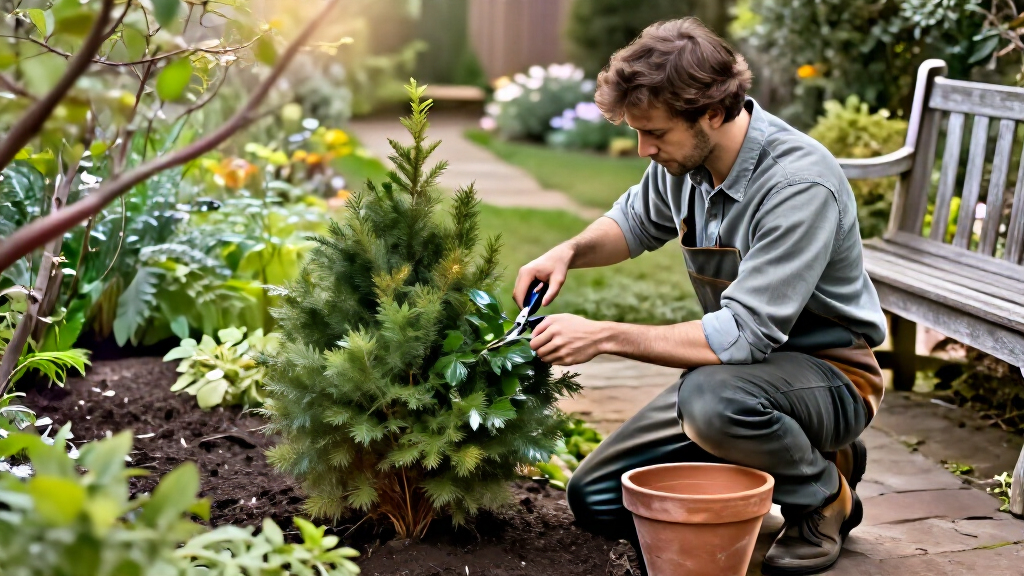
How We Picked
I compared the six shrubs on the factors that shape long-term satisfaction: likely landscape role, mature form, climate suitability, maintenance demands, and how easily each can fit into a home garden. I also weighed the practical difference between a compact accent, a rounded foundation shrub, a colorful foliage plant, and an upright screen. Because the supplied listings do not establish every site-specific detail, such as local hardiness or exact mature dimensions, buyers should confirm those against regional horticultural guidance before planting.
The ranking favors broad usefulness and a clear role rather than novelty alone. North Star Boxwood leads for its adaptable, restrained form; Dwarf Alberta Spruce and Tater Tot Arborvitae follow as distinct compact accents. Nandina, Loropetalum, and Podocarpus Maki rank lower for general use because their strongest advantages are more tied to color or climate fit, making them excellent for the right garden but less universal. The order is a guide to relative versatility, not a claim that one species will thrive in every region.
| evergreen shrub | Plant type |
|---|---|
| Dwarf Alberta Spruce | — |
| Proven Winners North Star Boxw | Shrub and hedge |
| Southern Living Obsession Nand | Nandina shrub |
| Purple Daydream Loropetalum | Evergreen shrub |
| Perfect Plants Podocarpus Maki | — |
| Proven Winners Tater Tot Arbor | Evergreen shrub |
Factors to Consider When Choosing Best Evergreen Shrubs
Before choosing an evergreen shrub, I’d start with the conditions it will face and the job it needs to do. A plant that looks compact in its container can become a poor fit if its mature width crowds a path or its preferred climate differs from yours.
Match Climate and Winter Exposure
Evergreen does not mean equally hardy in every climate. Cold, drying wind, reflected heat, and sudden temperature swings can all affect foliage, even when a plant’s general hardiness range appears suitable. Check regional extension or nursery guidance for your location, and compare the planting site with the plant’s needs rather than relying on a broad zone label alone. A sheltered courtyard may support a shrub that struggles in an exposed, windy yard. If your winters are severe, favor locally proven choices over a plant selected mainly for its foliage color.
Plan for Mature Width, Not Just Height
Buyers often focus on how tall a shrub grows and underestimate how much ground it will occupy. Mature width affects spacing, airflow, access for pruning, and whether the plant will eventually press against a wall or walkway. A narrow conifer and a rounded dwarf shrub can reach similar heights yet fill space very differently. Sketch the planting bed and leave room for the expected spread instead of planning to keep every shrub smaller through repeated clipping. This is especially useful when selecting several plants for a foundation row or a tight border.
Choose the Right Job for the Shrub
Evergreen shrubs can provide a screen, a low border, a focal point, or color through the colder months, but one plant rarely excels at every task. For screening, compare mature height, density, and spacing rather than choosing by the word evergreen alone. For a specimen accent, silhouette and seasonal foliage interest may matter more than rapid coverage. Compact plants can anchor containers or small beds, but they may not provide the privacy a buyer expects. Decide what success looks like at the planting site before comparing varieties.
Read Light and Soil Conditions Together
Sun exposure and soil drainage can change how well a shrub establishes and how much care it needs. A bright, hot wall can create more stress than an open bed with the same number of daylight hours, while waterlogged soil can harm roots even for plants that tolerate regular moisture. Observe the site across the day and after rain before planting. Amendments should address a real drainage or soil issue, not simply be added by habit. If the spot is difficult to change, choose a shrub suited to those conditions instead of trying to make the site fit an unsuitable plant.
Budget for Establishment and Ongoing Care
The purchase container tells you something about the plant’s starting size, not the effort required to establish it or its eventual landscape value. Smaller plants may take longer to fill a space, while larger ones can need careful watering as roots settle into the ground. Include mulch, watering access, and time for early monitoring in your plan. Also check whether the shrub needs shaping or can keep its natural form; frequent pruning can change both its appearance and upkeep. Paying more for a larger specimen makes sense only when its size suits the planting plan and you can support its establishment.
Check Local Guidance Before Planting
Plant behavior can vary across regions, and common names do not always communicate local risks or restrictions. Before planting, check whether a species is recommended, restricted, or considered invasive in your area, and ask a local nursery about disease concerns. This step is especially useful when a shrub is being considered for its colorful foliage or broad landscape use. Confirm the botanical name on the plant label so local advice matches the plant you are buying. A quick regional check can prevent an attractive choice from becoming a long-term maintenance or environmental problem.
Frequently Asked Questions
Which of these shrubs is the safest choice if I am unsure what will fit my garden?
I’d begin with North Star Boxwood if you want a compact, broadly useful form, but no shrub is safe for every site. Confirm that boxwood suits your climate and that the planting bed drains well. If your main concern is a small footprint, compare its expected spread with the rounded Tater Tot Arborvitae and the narrow Dwarf Alberta Spruce. The safest choice is the one whose mature shape and regional requirements match the actual planting spot.
Can I plant these evergreen shrubs in containers?
Some compact shrubs can be grown in containers, but the pot changes the plant’s exposure to cold, heat, and drying soil. A container also limits root space, so watering and eventual repotting become part of the care plan. Match the pot size to the shrub’s mature form, provide drainage, and check local guidance on overwintering container-grown plants. A shrub that is hardy in the ground may need added protection when its roots sit aboveground.
Which option should I choose for privacy rather than decoration?
Of these six, Podocarpus Maki has the clearest upright screening role, while the more compact choices are better suited to accents or low structure. Before selecting it, verify that your climate supports it and check the mature height, density, and spacing recommended for your area. A single shrub may not create an effective screen; coverage usually depends on planting enough plants with room to grow. If cold tolerance is a concern, ask a local nursery about reliable screening alternatives for your region.
How do I choose between a green shrub and one with colorful foliage?
Choose based on the role the foliage will play through the year. Green forms such as the boxwood and compact conifers create a quieter backdrop that can make flowers or hardscape stand out. Nandina and Purple Daydream Loropetalum bring more color, which can make them stronger focal plants but also narrows the choice to climates and sites where they grow well. Consider how the color will look beside nearby plants in every season, not just when the shrub is at its most vivid.
Is a larger nursery container always the better buy?
No. A larger starting plant may fill a bed sooner, but it can also be harder to handle and still needs suitable watering while it establishes. A smaller plant can be a sensible choice when you have time for gradual growth or are planting several shrubs, provided you are comfortable waiting for coverage. Compare the plant’s condition, root health, and expected mature size rather than relying on container volume alone. The best choice is the size that fits your planting schedule and care capacity.
Conclusion
For the best all-around fit, I’d choose Proven Winners North Star Boxwood, after checking local boxwood performance and site drainage. Best value for a small accent: Dwarf Alberta Spruce, especially if you want a defined conical shape; best for beginners: Tater Tot Arborvitae for a compact, easy-to-place form, provided it suits your climate. For a more premium-looking upright screen, consider Podocarpus Maki where local conditions support it. Choose Southern Living Obsession Nandina or Purple Daydream Loropetalum when foliage color is your priority and regional guidance confirms they are suitable. In short, start with site fit, then choose the silhouette and seasonal look you want.
Fall yard work Picks
leaf blowers
As an affiliate, we earn on qualifying purchases.