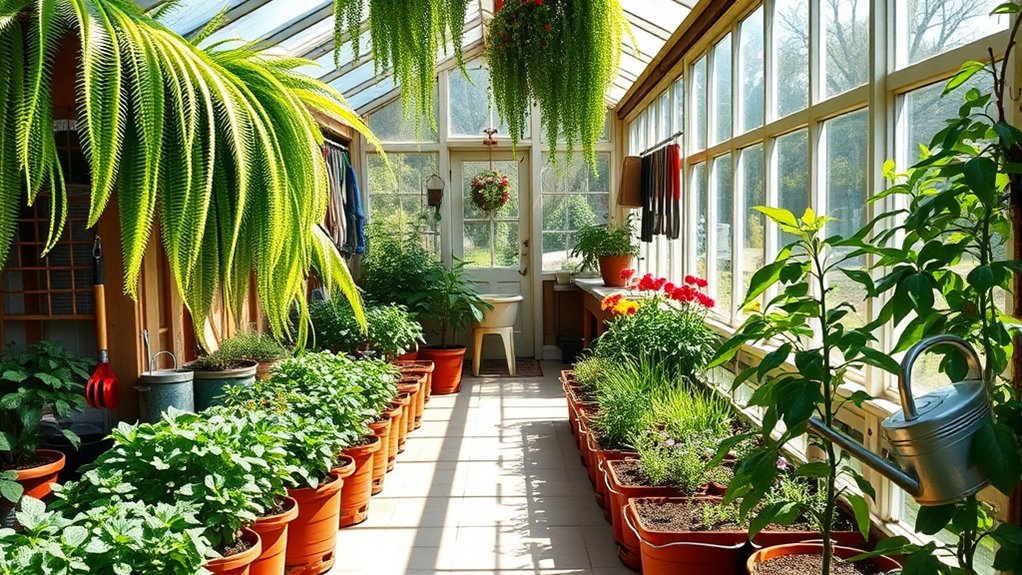
A spring greenhouse setup is really about one thing: getting a head start on the growing season without overspending on a permanent structure. After comparing six popular options, the VEVOR 14.6 ft Walk-in Tunnel Greenhouse stands out as the best overall pick for serious spring growers, thanks to its galvanized steel frame and eight roll-up windows that let you manage heat on unpredictable April days. If you want the fastest possible setup, the EAGLE PEAK 6×4 Pop Up Greenhouse unfolds in minutes and suits smaller yards, while the budget-friendly Gardzen Mini Greenhouse covers seedling trays without taking up walk-in space. The main tradeoff in this category is stability versus convenience — pop-up models go up fast but need anchoring in wind, while tunnel-style hoop houses take longer to assemble but hold up better through gusty spring weather. Read on for the full breakdown, including which models make sense for which yards.

Get garden gear delivered free with Prime
- Fast, free delivery on millions of items
- Prime Video, Amazon Music and more included
- Member-only deals all year
Complete the kit


Key Takeaways
- The VEVOR tunnel greenhouse earned the top spot because its galvanized steel frame and eight roll-up windows give it both wind resistance and the ventilation control that spring’s swinging temperatures demand.
- All three EAGLE PEAK pop-up models share the same core convenience, so the real choice between them comes down to footprint: the 6×4 fits tight spaces, the 8×6 balances room and price, and the 12×8 handles full raised-bed setups.
- The EAGLE PEAK 9×4 lean-to design was the only model built to sit against a wall, making it the standout pick for patios and side yards where a freestanding greenhouse won’t fit.
- The Gardzen mini greenhouse plays a completely different role — it protects seedlings and young transplants rather than sheltering the gardener, and it costs a fraction of any walk-in option.
- PE cover thickness and window count were the biggest quality separators across the lineup; models with more ventilation openings handled warm spring afternoons far better than single-door designs.
| VEVOR Walk-in Tunnel Greenhouse, 14.6×6.4×6.3 ft Hoop House |  | Best Overall | Dimensions: 14.6 x 6.4 x 6.3 ft | Frame: Galvanized steel, 1 in diameter pipes with 0.02 in walls | Cover: 140g/m² sun-resistant PE | VIEW ON AMAZON | See Our Full Breakdown |
| EAGLE PEAK 6×4 Walk in Pop Up Greenhouse, Gray/White |  | Best Value for Small Spaces | Size: 6 x 4 ft (24 sq ft) | Wall height: 6 ft | Weight: 22.3 lb | VIEW ON AMAZON | See Our Full Breakdown |
| EAGLE PEAK 12×8 Walk in Pop Up Greenhouse, Support Pole, Gray/White |  | Best Big-Capacity Pop-Up | Size: 12 x 8 ft (96 sq ft) | Wall height: 6 ft | Cover: Scrim-reinforced PE, polyester corner panels | VIEW ON AMAZON | See Our Full Breakdown |
| EAGLE PEAK 8×6 Easy Setup Pop Up Greenhouse, Clear/Green |  | Best Balanced Mid-Size Pick | Size: 8 x 6 ft | Frame: Heavy-duty powder-coated steel | Cover: UV- and water-resistant PE | VIEW ON AMAZON | See Our Full Breakdown |
| EAGLE PEAK 9×4 Easy Setup Pop Up Greenhouse, Lean-to Design, Clear/White |  | Best Space-Saving Lean-To | Dimensions: 106.3 x 47.2 x 98.4 in (9 x 4 ft) | Weight: 26 lb | Frame: Powder-coated heavy-duty steel | VIEW ON AMAZON | See Our Full Breakdown |
| Gardzen Mini Greenhouse with Zipper Mesh Cover, 71.7 x 36.2 x 42.5 Inches |  | Best Pest Barrier for Small Spaces | Dimensions: 71.7 in L x 36.2 in W x 42.5 in H | Frame Material: Powder-coated iron pipe, 3/4 inch diameter | Cover Material: UV-resistant fine mesh with 0.05-inch holes | VIEW ON AMAZON | See Our Full Breakdown |
| spring greenhouse setup | Frame | Cover | Dimensions | Ventilation |
|---|---|---|---|---|
| VEVOR Walk-in Tunnel Greenhous | Galvanized steel, 1 in diameter pipes with 0.02 in walls | 140g/m² sun-resistant PE | 14.6 x 6.4 x 6.3 ft | 8 mesh windows plus roll-up zipper door |
| EAGLE PEAK 6×4 Walk in Pop Up | Alloy steel pop-up | Scrim-reinforced PE with polyester corner panels | — | — |
| EAGLE PEAK 12×8 Walk in Pop Up | Alloy steel pop-up with support pole | Scrim-reinforced PE, polyester corner panels | — | Roll-up doors and window flaps |
| EAGLE PEAK 8×6 Easy Setup Pop | Heavy-duty powder-coated steel | UV- and water-resistant PE | — | Zippered roll-up doors with mesh windows |
| EAGLE PEAK 9×4 Easy Setup Pop | Powder-coated heavy-duty steel | UV- and water-resistant PE | 106.3 x 47.2 x 98.4 in (9 x 4 ft) | — |
| Gardzen Mini Greenhouse with Z | — | — | 71.7 in L x 36.2 in W x 42.5 in H | — |
More Details on Our Top Picks
VEVOR Walk-in Tunnel Greenhouse, 14.6×6.4×6.3 ft Hoop House
When a spring greenhouse setup needs to hold real growing volume through unpredictable weather, this VEVOR tunnel earns the top spot on sheer scale and structural seriousness. The galvanized steel hoop frame with diagonal bracing and tie-downs behaves like a small farm high tunnel rather than a backyard tent — something no pop-up model in this lineup, including the EAGLE PEAK 12×8, can match. Eight screened windows plus a roll-up zipper door give fine-grained airflow control, which matters enormously during those warm April afternoons when seedlings cook fast. The 140g/m² PE cover can be buried along the edges for a tighter seal and better heat retention on frosty nights. The tradeoff is effort: assembly takes hours, not seconds, and the hoop design needs a flat, open site and solid anchoring to perform as intended.
Pros:- Large 14.6 ft walk-in growing area with room for shelving and rows
- Galvanized steel frame with diagonal bracing and tie-downs for real wind resistance
- Eight mesh windows plus roll-up door for precise spring ventilation
- Cover edges can be buried to lock in humidity and soil warmth for seed starting
Cons:- Assembly is a genuine project compared with pop-up alternatives
- Hoop house footprint requires a large, level, open site
Best for: Serious vegetable gardeners and small-market growers who want maximum growing area and season-long durability
Not ideal for: Casual hobbyists or anyone with a small patio — it demands a large flat footprint and a multi-hour assembly session
- Dimensions:14.6 x 6.4 x 6.3 ft
- Frame:Galvanized steel, 1 in diameter pipes with 0.02 in walls
- Cover:140g/m² sun-resistant PE
- Ventilation:8 mesh windows plus roll-up zipper door
- Stability features:Diagonal bars, U-shaped stakes, tie-downs
- Design:Walk-in hoop house tunnel
Our verdict“If spring means starting dozens of trays and hardening off serious crops, this is the greenhouse that grows with you — as long as you have the space and patience to set it up properly.”
EAGLE PEAK 6×4 Walk in Pop Up Greenhouse, Gray/White
The 6×4 EAGLE PEAK is the lowest-commitment walk-in option here, and that is its whole appeal. Where the VEVOR tunnel asks for an afternoon of assembly and a big yard, this one pops open in seconds thanks to the PeakPush center lock, with no tools and no second pair of hands. Twenty-four square feet is tight but honest — enough for a potting bench, a few shelves of seedlings, and room to crouch inside. The scrim-reinforced PE cover with polyester corner panels is sturdier than the thin PVC sheets on bargain greenhouses, and the four vents handle the basics of spring airflow. Be realistic about weather, though: a light 22-pound frame needs staking and a sheltered spot once spring winds pick up.
Pros:- True one-person, tool-free setup in seconds
- Scrim-reinforced PE cover with reinforced polyester corners resists tearing
- Walk-in height with room for a potting bench despite the small footprint
- Four vents and roll-up doors for basic climate control
Cons:- Only 24 sq ft — limited capacity once shelves go in
- Lightweight frame demands careful staking in wind
Best for: First-time greenhouse buyers and small-space gardeners who want walk-in seed starting without a big budget or build day
Not ideal for: Windy or exposed yards — the lightweight pop-up frame needs a sheltered location to survive gusty spring weather
- Size:6 x 4 ft (24 sq ft)
- Wall height:6 ft
- Weight:22.3 lb
- Cover:Scrim-reinforced PE with polyester corner panels
- Frame:Alloy steel pop-up
- Vents:4 mesh windows
- Setup:One person, tool-free PeakPush center lock
Our verdict“A sensible entry point for gardeners testing whether a greenhouse fits their spring routine, provided the spot is sheltered.”
EAGLE PEAK 12×8 Walk in Pop Up Greenhouse, Support Pole, Gray/White
This model answers the question of what happens when you want VEVOR-sized space with pop-up convenience — mostly successfully. At 96 square feet with six-foot walls, the 12×8 EAGLE PEAK fits shelving, benches, and a real working aisle, and the included winter support pole addresses the classic failure point of large pop-up frames: center collapse under snow or pooled rain. Compared with its smaller 6×4 sibling, the jump in usable space is dramatic, but the same physics applies at four times the area — a big fabric roof catches a lot of wind, so anchoring and a reasonably sheltered site are non-negotiable. For spring seed starting at scale, though, few setups go from box to planted this fast.
Pros:- 96 sq ft of floor space with 6 ft walls — genuine walk-in workspace
- Included support pole adds snow-load and sag protection
- Tool-free one-person setup despite the size
- Scrim-reinforced PE cover with strengthened corners
Cons:- Large surface area makes it the most wind-vulnerable pop-up in the lineup
- Heavier and bulkier to reposition or store than smaller EAGLE PEAK models
Best for: Gardeners scaling up seed production who want near high-tunnel capacity without a hoop house build
Not ideal for: Fully exposed plots — the large cover acts like a sail and needs wind ropes, stakes, and ideally a windbreak
- Size:12 x 8 ft (96 sq ft)
- Wall height:6 ft
- Cover:Scrim-reinforced PE, polyester corner panels
- Frame:Alloy steel pop-up with support pole
- Ventilation:Roll-up doors and window flaps
- Setup:PeakPush center lock, one person, no tools
Our verdict“The fastest route from empty yard to full production greenhouse — just stake it like you mean it.”
EAGLE PEAK 8×6 Easy Setup Pop Up Greenhouse, Clear/Green
The 8×6 EAGLE PEAK sits at the sweet spot between the cramped 6×4 and the wind-catching 12×8. Its frame uses more steel than most pop-up competitors, with a powder-coated rust-resistant finish, wind ropes, and stakes — a build that feels aimed at a full season outdoors rather than a weekend of use. Forty-eight square feet holds a comfortable bench-and-shelf arrangement for spring seed starting, and the UV-resistant PE cover is tuned for frost protection and light filtering rather than raw transparency. Setup is still a one-person, tool-free job. It gives up the raw growing room of the VEVOR tunnel, naturally, and the pop-up frame still loses to a braced hoop house in a genuine storm — but for most backyards, this is the capacity-to-effort ratio that makes sense.
Pros:- Heavier steel frame than most pop-ups, with rust-resistant coating
- 48 sq ft balances workspace and capacity for typical spring seed loads
- UV- and water-resistant PE cover suited to frost protection and seed starting
- Zippered roll-up doors and mesh windows keep pests out while venting
Cons:- Still a pop-up frame — not a substitute for a braced hoop house in harsh weather
- Mid-size footprint may feel limiting after a season or two of expanding plant collections
Best for: Established home gardeners who need more than a starter greenhouse but don’t want a full tunnel build
Not ideal for: Anyone planning commercial-scale planting — the 48 sq ft fills up quickly with benches and shelves
- Size:8 x 6 ft
- Frame:Heavy-duty powder-coated steel
- Cover:UV- and water-resistant PE
- Ventilation:Zippered roll-up doors with mesh windows
- Anchoring:Wind ropes and stakes included
- Setup:One person, no tools, patented center lock
Our verdict“The best middle path in this lineup: enough room to work seriously, little enough hassle to actually get built.”
EAGLE PEAK 9×4 Easy Setup Pop Up Greenhouse, Lean-to Design, Clear/White
The 9×4 lean-to takes a completely different approach from every freestanding model here: it bolts to a wall. That changes the math for small yards, because the house itself provides wind protection and thermal mass — a south-facing wall radiates stored heat back at your seedlings on cold spring nights, something the 6×4 freestanding EAGLE PEAK cannot do. Two included expansion bolts, wind ropes, and stakes give it solid anchoring options, and the narrow 4-foot depth slides along fences, garages, or shed walls where nothing else fits. The honest limitation is the footprint: 36 square feet in a narrow strip means shelving is mandatory, and working inside is a sideways shuffle rather than a stroll. Anyone wanting walk-around room should step up to the 8×6 instead.
Pros:- Lean-to design gains free heat retention from the adjoining wall
- Expansion bolts, wind ropes, and stakes provide multiple anchoring options
- Narrow footprint fits along walls and fences where freestanding units cannot
- Same tool-free one-person setup and rust-resistant steel frame as the wider EAGLE PEAK models
Cons:- Requires a suitable wall to mount against — not truly freestanding
- 36 sq ft in a 4 ft strip limits layout to shelving-only growing
Best for: Gardeners with limited or narrow yard space who can mount a greenhouse against a house, shed, or fence wall
Not ideal for: Gardeners who want to move around inside — the 4 ft depth makes it a reach-in-and-work space, not a walk-around one
- Dimensions:106.3 x 47.2 x 98.4 in (9 x 4 ft)
- Weight:26 lb
- Frame:Powder-coated heavy-duty steel
- Cover:UV- and water-resistant PE
- Mounting:2 expansion bolts for wall attachment, plus ropes and stakes
- Doors:2 zippered roll-up doors
- Vents:1 mesh vent
Our verdict“A clever fit for tight spaces and cold nights, best for gardeners happy to grow vertically along a wall.”
Gardzen Mini Greenhouse with Zipper Mesh Cover, 71.7 x 36.2 x 42.5 Inches
Not every spring greenhouse needs to trap heat — some just need to keep the wildlife out. That’s where the Gardzen Mini Greenhouse carves out its niche. While the VEVOR Walk-in Tunnel and the EAGLE PEAK pop-up models seal plants under plastic for warmth, this one flips the formula: its fine 0.05-inch mesh cover lets rain, sunlight, and airflow through freely while blocking mosquitoes, birds, and squirrels. For gardeners hardening off seedlings or protecting berry beds in late spring, that breathability matters more than heat retention.
The tradeoff is real, though. This is not a season extender — there’s no thermal cover to fend off a late frost, so it belongs in the lineup as a warm-season companion rather than a replacement for an enclosed greenhouse. The powder-coated 3/4-inch steel frame feels sturdier than typical pop-up wire cages, but at 42.5 inches tall it’s a working-from-above setup, not a walk-in like the EAGLE PEAK 8×6.
Pros:- Fine 0.05-inch mesh blocks mosquitoes, birds, squirrels, and other small pests while remaining breathable
- Air, light, and water pass through the cover, so plants get rain and ventilation without manual intervention
- Powder-coated 3/4-inch steel frame resists rust and holds up better than flimsy wire or plastic cages
- Tool-free assembly and lightweight 4.62 kg build make it easy to reposition around the garden
- Zippered opening gives quick access for watering, harvesting, and tending plants
Cons:- Mesh cover provides no heat retention or frost protection, limiting it to warm-season use
- 42.5-inch height means you work from above or crouching — no walk-in access like larger hoop house options
- Only partial UV blocking, so plants prone to scorching may still need shade cloth in intense sun
Best for: Balcony, patio, and raised-bed gardeners who battle birds, squirrels, and insects during warm spring and summer months
Not ideal for: Growers who need frost protection or heat retention for early spring seed starting — the mesh cover offers essentially no insulation
- Dimensions:71.7 in L x 36.2 in W x 42.5 in H
- Frame Material:Powder-coated iron pipe, 3/4 inch diameter
- Cover Material:UV-resistant fine mesh with 0.05-inch holes
- Closure Type:Zipper door
- Assembly:Tool-free setup
- Weight:4.62 kg (approx. 10.2 lbs)
- Best Placement:Patios, balconies, porches, gardens, rooftop terraces
- Seasons:Spring, summer, and fall
Our verdict“Choose this if your spring problem is pests rather than cold weather — and skip it if you need a true season-extending greenhouse.”

How We Picked
I judged each greenhouse against the conditions a spring setup actually faces: cold nights, warm afternoons, gusty winds, and soil that hasn’t fully warmed. That put a premium on ventilation control (roll-up windows and zippered vents), frame material and anchoring, and cover durability, because a greenhouse that cooks your seedlings at 2 p.m. or collapses in a March squall fails at its one job. I also weighed setup effort, since many spring buyers want protection in place within a weekend, and capacity relative to footprint — how many trays, shelves, or raised beds each model realistically holds.
The ranking reflects role fit as much as raw quality. The VEVOR earns best overall because it scores well across every criterion for gardeners running a full spring season. The EAGLE PEAK pop-ups are ordered by size and specialty, with the lean-to called out for wall-mounted placements. The Gardzen lands last not because it’s weak, but because it solves a smaller problem — seedling protection — that some buyers will outgrow within a season or two.
| spring greenhouse setup | Frame | Setup |
|---|---|---|
| VEVOR Walk-in Tunnel Greenhous | Galvanized steel, 1 in diameter pipes with 0.02 in walls | — |
| EAGLE PEAK 6×4 Walk in Pop Up | Alloy steel pop-up | One person, tool-free PeakPush center lock |
| EAGLE PEAK 12×8 Walk in Pop Up | Alloy steel pop-up with support pole | PeakPush center lock, one person, no tools |
| EAGLE PEAK 8×6 Easy Setup Pop | Heavy-duty powder-coated steel | One person, no tools, patented center lock |
| EAGLE PEAK 9×4 Easy Setup Pop | Powder-coated heavy-duty steel | — |
| Gardzen Mini Greenhouse with Z | — | — |
Factors to Consider When Choosing Spring Greenhouse Setup
Before settling on a specific model, it helps to understand what actually separates a useful spring greenhouse from one that ends up folded in the garage by May. These are the factors I weighed most heavily, plus the mistakes I see buyers make with seasonal greenhouses.Ventilation Matters More Than You Think
The most common spring greenhouse failure isn’t cold damage — it’s heat buildup. On a sunny 60°F day, an unventilated plastic greenhouse can easily exceed 100°F inside, killing the very seedlings you planted it for. That’s why window count mattered so much in this comparison: a single zippered door can’t move enough air on warm afternoons, while models with multiple roll-up windows let you fine-tune temperature across the day. If you work away from home, prioritize passive ventilation over manual options, because nobody is there to open a door at noon. Roll-up windows on both sides create cross-ventilation, which is far more effective than openings on one wall alone. Budget for this feature before you budget for size.
Wind Is the Real Enemy of Seasonal Greenhouses
Spring is the windiest season in most regions, and lightweight greenhouses are essentially sails until properly anchored. A galvanized steel frame with deep ground stakes will survive gusts that shred a fiberglass-poled pop-up, which is a big reason the tunnel-style VEVOR ranked higher than more convenient options. Whatever you buy, plan to spend extra on anchoring beyond what ships in the box — sandbags, rebar, or ratchet straps are standard upgrades among experienced growers. Placement helps too: a spot shielded by a fence or hedge dramatically extends a greenhouse’s lifespan. And if storms are forecast, an empty pop-up can be partially collapsed or laid down rather than risk losing the cover entirely.
Match the Size to How You Actually Garden
Buyers routinely overestimate the space they need and underestimate their own habits. A 6×4 footprint holds a shelving unit and a work shelf — plenty for starting vegetables and flowers for a typical household garden. A 12×8 model only earns its footprint if you’re protecting raised beds or overwintering containers, not just starting trays. Walk-in access is the dividing line: if you’ll spend time inside potting up seedlings in cool weather, a walk-in height is worth the cost. If you only open the door to water, a mini greenhouse or lean-to does the same job in a quarter of the space. Measure your intended spot including clearance for the door swing before ordering anything.
Cover Material and UV Exposure
Nearly every greenhouse at this price point uses polyethylene covers, and their lifespan is shorter than sellers imply — often two to four seasons before UV exposure makes the plastic brittle. Thicker PE with reinforced stitching at the zipper and window seams lasts noticeably longer, which is why I favored models with heavier covers in the ranking. Clear covers maximize light transmission for seed starting; diffused or lighter-toned covers reduce scorching risk on sunny days. Check whether replacement covers are available for your model before buying, because replacing a cover is far cheaper than replacing a whole greenhouse. Treat the cover as a consumable and the frame as the long-term investment.
Setup Time Versus Permanence
There’s a real tradeoff between assembly speed and structural commitment. Pop-up greenhouses genuinely unfold in under an hour, which matters if you’re racing an incoming frost or renting your property. Tunnel greenhouses with multi-piece steel frames take an afternoon or more and reward the effort with better wind performance and a structure you can re-tension each season. Also consider whether you’ll leave the greenhouse up year-round or pack it away after spring — pop-ups store compactly, while large tunnels are a chore to disassemble. If you plan a permanent installation, a tunnel model with anchoring kits is the better foundation. Renters and seasonal users should stick with collapsible designs.
Don’t Forget the Interior Plan
The greenhouse itself is only half a spring setup — what goes inside determines whether it’s productive. Shelving doubles or triples your usable growing area, and mesh or slatted shelves allow air circulation that solid boards block. Think about a water source too; carrying watering cans across a yard gets old fast in March. A max-min thermometer is the single cheapest upgrade that improves results, because it tells you whether nights are dropping below the range your seedlings tolerate. Finally, plan a hardening-off zone: a shaded area just outside the greenhouse where plants adjust to sun and wind before transplanting. The best spring growers treat the greenhouse as one stage in a pipeline, not a destination.
Frequently Asked Questions
Can a pop-up greenhouse really survive spring wind, or do I need a steel-framed tunnel?
Pop-up greenhouses can survive spring weather, but only with deliberate anchoring — the included stakes alone are rarely enough in gusty regions. Sandbags on the base frame, ratchet straps over the top, and a sheltered placement behind a fence or hedge make a substantial difference. That said, a galvanized steel tunnel like the VEVOR is structurally the safer choice if your property is exposed or storms are common in your area. My practical suggestion: pop-ups suit sheltered suburban yards and renters, while steel-framed tunnels suit open lots and gardeners leaving the structure up all season. If a major storm is forecast, an empty pop-up can be partially collapsed as insurance.
Is a mini greenhouse like the Gardzen enough for starting spring vegetables?
For seed starting, yes — a mini greenhouse does the core job of trapping heat overnight and protecting trays from late frosts, and most vegetable seedlings spend only four to six weeks under cover anyway. Its limits appear with taller plants and volume: pepper and tomato seedlings quickly outgrow 42 inches of headroom, and you’ll fit roughly four standard trays at most. If you start seeds for a large garden or want to pot up plants before transplanting, a walk-in model gives you room to grow. The smart move for many gardeners is starting with a mini to confirm they actually use it, then upgrading. The Gardzen also works well as a second stage for hardening off seedlings moved out of a bigger greenhouse.
What size EAGLE PEAK greenhouse should I choose if I’m starting seeds for a typical vegetable garden?
The 6×4 model covers most household seed-starting needs — it fits a four-tier shelving unit plus working space, which is enough for hundreds of seedlings. The 8×6 makes sense if you also want to overwinter container plants or hold mature transplants in April and May. The 12×8 is sized for gardeners protecting actual raised beds or running a serious production setup, and its footprint is substantial for a typical suburban yard. A useful rule of thumb: choose based on what you’ll do in late spring, not just at seeding time, because that’s when plants are largest and space gets tight. When in doubt, go one size up — the price gap between the smaller models is modest relative to the space gained.
When should I set up my spring greenhouse, and when can I take it down?
Most growers in temperate climates set up six to eight weeks before their last frost date, which typically means late winter for a spring setup. That window lets you start warm-season crops like tomatoes and peppers indoors-quality conditions while frost is still a risk. Keep the greenhouse in place until nighttime temperatures reliably stay above your plants’ comfort range — usually two to three weeks after your last frost date for tender crops. If you’re only using it for seed starting, you can pack it away by late spring and store the cover out of UV exposure, which extends its life. Leaving it up through summer works too, but you’ll need to shade it or keep everything wide open to prevent heat damage.
Do I need a heated greenhouse for spring, or will an unheated one work?
An unheated greenhouse extends your season by several weeks on both ends, but it won’t protect tender plants on freezing nights — interior temperatures typically stay only a few degrees above outside lows. For most spring seed starting, that’s fine if you time your sowing to your frost date rather than trying to jump the season by two months. If you want earlier starts, passive heat storage works surprisingly well: black water barrels or jugs inside the greenhouse release overnight warmth and cost almost nothing. Electric heaters are an option for walk-in models, but they need a rated outdoor outlet and drive up running costs. The lean-to designs have a slight advantage here, since the wall they sit against radiates stored heat after sunny days.
Conclusion
The right pick here depends less on quality gaps and more on what kind of spring grower you are. For the best overall setup, the VEVOR 14.6 ft Walk-in Tunnel Greenhouse earns the top spot with its steel frame, generous length, and eight roll-up windows — it’s the model that carries a full seed-starting season through wind and temperature swings. The best value goes to the EAGLE PEAK 6×4 Pop Up, which delivers walk-in protection at the lowest commitment level in the walk-in class. For bigger operations, the EAGLE PEAK 12×8 is the premium-capacity choice, sized for raised beds and serious plant volume.
Beginners should start with either the EAGLE PEAK 6×4 or the Gardzen Mini Greenhouse — the mini is the gentlest possible entry point if you only need to protect a few trays, and it doubles as a hardening-off station later. Two picks serve specific needs: the EAGLE PEAK 9×4 lean-to for patios and wall-adjacent spaces where freestanding models won’t fit, and the EAGLE PEAK 8×6 as the middle-ground option when the 6×4 feels tight but the 12×8 is too much. Whatever you choose, anchor it well and ventilate aggressively on sunny afternoons — those two habits matter more than any spec sheet.
Fall Picks
fall essentials
As an affiliate, we earn on qualifying purchases.