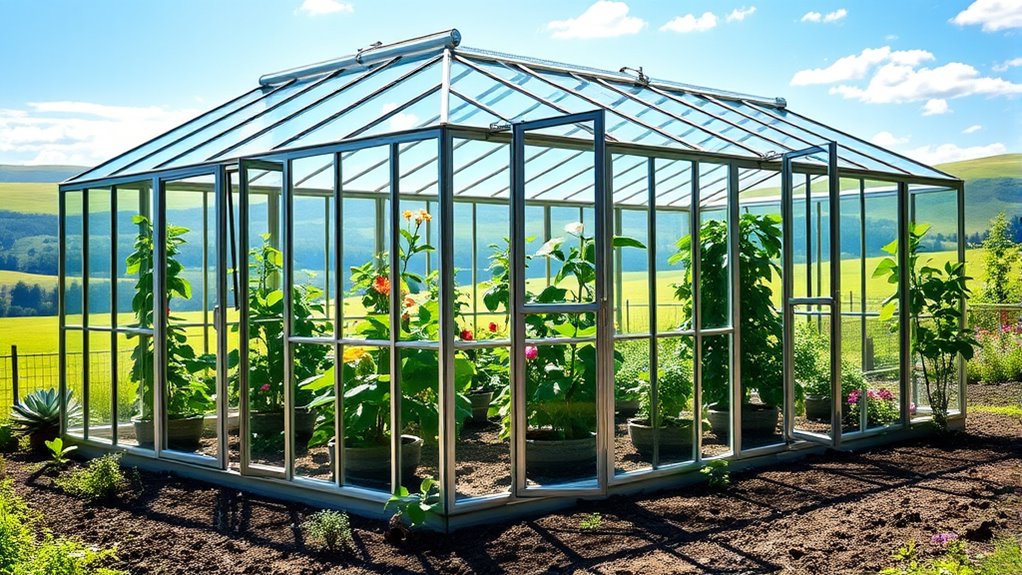

Walk in greenhouse kits range from pop-up PE-covered tunnels you can set up in an afternoon to cedar-and-polycarbonate structures that become a permanent part of your backyard, and the right choice depends on your climate, budget, and how seriously you grow. The 8X14FT Large Aluminum Greenhouse earns my best overall pick for its combination of full-size working space, rust-resistant framing, and included thermometers for monitoring conditions. The EAGLE PEAK 10×10 Pop-Up stands out for beginners and renters who want season extension without tools or permits, while the EROMMY 7×11 Spruce Wood Greenhouse is the premium choice thanks to its built-in workstation and staging shelves. The core tradeoff in this category is durability versus convenience: soft-sided kits are cheap and portable but vulnerable to wind and UV breakdown, while rigid polycarbonate and wood kits cost more and demand real assembly time but last a decade or longer. Keep reading for the full breakdown of all 15 kits and which one fits your growing goals.

Get garden gear delivered free — and shop member deals
- Fast, free delivery on millions of items
- Access to Prime Big Deal Days deals on October 6–7
- Prime Video, Amazon Music and more included
Complete the kit
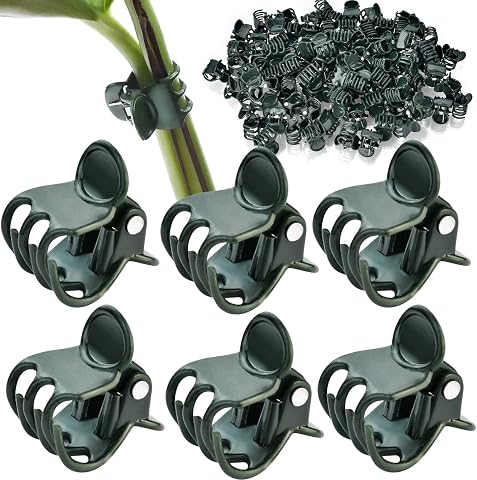


Key Takeaways
- Frame material was the single biggest differentiator: aluminum and galvanized steel kits (the 8X14FT Aluminum, Jocoevol 8x10FT, Garvee 6×10) handled wind and snow loads far better than PE-covered pop-ups like the EAGLE PEAK models, which trade durability for portability.
- Wood kits consistently offered the best working ergonomics — the EROMMY‘s built-in workstation and the EverBloom’s shelving, faucet, and power strip mean you’re buying a garden room, not just plant cover, but at a premium price and with assembly times measured in days.
- Included monitoring gear varied widely: only three kits (the 8X14FT, 10X10FT Aluminum, and both Hygrometer-equipped 6×6 and 6×4 models) ship with thermometers or hygrometers, saving you a separate purchase if you’re serious about tracking humidity and temperature.
- The 6x6FT Heavy Duty Polycarbonate kit is the smartest small-footprint buy — it delivers rigid twin-wall glazing at a footprint price where most competitors only offer flimsy PVC film, like the SUNGIFT 57x61x80 kit.
- Pop-up designs (EAGLE PEAK) are genuinely tool-free and movable but should be anchored aggressively and expected to last 2-4 seasons, making them a renter’s or dabbler’s pick rather than a long-term investment.
| 8X14FT Green House with Thermometers, Large Aluminum Greenhouse for Outdoor |  | Best Premium Pick | Size: 8 x 14 ft | Frame Material: Aluminum alloy | Panel Material: 4mm twin-wall polycarbonate (720g) | VIEW ON AMAZON | See Our Full Breakdown |
| EAGLE PEAK 10×10 Portable Walk-in Greenhouse, Pop-up Indoor Outdoor Garden Green House |  | Best for Beginners | Size: 10 x 10 ft (109 in peak height) | Cover Material: Reinforced polyethylene (PE) | Frame Material: Alloy steel with steel ceiling roof | VIEW ON AMAZON | See Our Full Breakdown |
| 6×6 FT Walk in Greenhouse with Hygrometer, Windproof Warm Plant Green House |  | Best Compact Rigid Kit | Size: 6 x 6 ft | Frame Material: Reinforced aluminum alloy | Panel Material: 4mm double-wall polycarbonate (580g) | VIEW ON AMAZON | See Our Full Breakdown |
| 10×7×7FT Greenhouse for Outdoors, Upgraded Heavy Duty Walk-in Green House |  | Best Value for Ventilation | Size: 10 x 7 x 7 ft | Frame Material: Galvanized steel with crossbars and 4 diagonal braces | Cover Material: 140g/m² reinforced PE mesh, 99% waterproof | VIEW ON AMAZON | See Our Full Breakdown |
| 12×6 Walk in Wood Greenhouse with Polycarbonate Roof & Roof Vent |  | Best Aesthetic Pick | Size: 12 x 6.2 x 7 ft | Frame Material: Cedar wood | Roof Panel: 6mm twin-wall polycarbonate | VIEW ON AMAZON | See Our Full Breakdown |
| EAGLE PEAK 10×10 Pop Up Walk in Greenhouse, Support Pole, Gable Roof, Green |  | Best Instant Setup | Size: 10 x 10 feet | Frame: Powder-coated rust-resistant steel | Cover: Water-resistant, UV-resistant PE | VIEW ON AMAZON | See Our Full Breakdown |
| Mupater 6 x 12 FT Wooden Polycarbonate Greenhouse with Ventilated Window and Lockable Door |  | Best Premium Wood Build | Dimensions: 143.4″D x 74″W x 83.5″H | Floor Area: 72 square feet | Frame: Pure fir wood | VIEW ON AMAZON | See Our Full Breakdown |
| SUNGIFT Walk-in Greenhouse Kit, Upgraded PVC Clear, 57x61x80 Inch |  | Best Budget Starter | Dimensions: 61″W x 57″D x 80″H | Shelves: 10 shelves, 3 tiers | Frame: Powder-coated rust-resistant steel pipes | VIEW ON AMAZON | See Our Full Breakdown |
| Jocoevol 8x10FT Galvanized Steel Greenhouse, Walk-in Green House for Outdoor |  | Best All-Weather Value | Dimensions: 119.68″L x 97.24″W x 80.7″H | Size: 8 x 10 feet | Frame: Galvanized steel with support rods | VIEW ON AMAZON | See Our Full Breakdown |
| 8X10FT Greenhouse with Thermometers, Large Aluminum Greenhouse for Outdoors |  | Best Smart Climate Control | Size: 8 x 10 feet | Frame: Aluminum alloy | Panels: 720g twin-wall polycarbonate, 4mm thick | VIEW ON AMAZON | See Our Full Breakdown |
| EROMMY 7×11 FT Spruce Wood Greenhouse with Pergola |  | Best Premium Wood Build | Size: 7 x 11 ft (118 sq ft interior) | Frame: Treated spruce wood, sustainably sourced | Panels: 8mm commercial-grade polycarbonate | VIEW ON AMAZON | See Our Full Breakdown |
| Garvee 6 x 10 FT Polycarbonate Greenhouse |  | Best Mid-Size Aluminum Value | Size: 6 x 10 ft | Frame: Aluminum | Panels: 720 g/m² polycarbonate | VIEW ON AMAZON | See Our Full Breakdown |
| 6x4FT Greenhouse with Hygrometer | 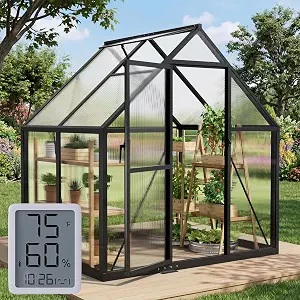 | Best Compact Starter Kit | Size: 6 x 4 ft | Frame: Aluminum alloy | Panels: 4mm double-wall UV-resistant polycarbonate (580g) | VIEW ON AMAZON | See Our Full Breakdown |
| Exroo 6x6FT Small Green House |  | Best Square Footprint for Tight Yards | Size: 6 x 6 ft | Frame: Heavy-duty corrosion-resistant aluminum alloy | Panels: 4mm twin-wall UV-blocking polycarbonate | VIEW ON AMAZON | See Our Full Breakdown |
| Modern Shade EverBloom 6.5’x12′ Cedar Greenhouse |  | Best Fully Equipped Luxury Pick | Size: 6.5 x 12 ft | Frame: FSC-certified cedar wood | Panels: 6mm polycarbonate roof panels | VIEW ON AMAZON | See Our Full Breakdown |
| walk in greenhouse kit | Size | Door | Frame | Ventilation |
|---|---|---|---|---|
| 8X14FT Green House with Thermo | 8 x 14 ft | Lockable | — | Adjustable vents |
| EAGLE PEAK 10×10 Portable Walk | 10 x 10 ft (109 in peak height) | — | — | — |
| 6×6 FT Walk in Greenhouse with | 6 x 6 ft | Lockable | — | Adjustable roof vents |
| 10×7×7FT Greenhouse for Outdoo | 10 x 7 x 7 ft | 1 roll-up door | — | — |
| 12×6 Walk in Wood Greenhouse w | 12 x 6.2 x 7 ft | Lockable | — | — |
| EAGLE PEAK 10×10 Pop Up Walk i | 10 x 10 feet | — | Powder-coated rust-resistant steel | — |
| Mupater 6 x 12 FT Wooden Polyc | — | Lockable sliding, 23.6"W x 68.9"H | Pure fir wood | — |
| SUNGIFT Walk-in Greenhouse Kit | — | — | Powder-coated rust-resistant steel pipes | Roll-up zippered door and 2 observation windows |
| Jocoevol 8x10FT Galvanized Ste | 8 x 10 feet | Single hinged, lockable | Galvanized steel with support rods | — |
| 8X10FT Greenhouse with Thermom | 8 x 10 feet | Lockable | Aluminum alloy | Adjustable vent windows |
| EROMMY 7×11 FT Spruce Wood Gre | 7 x 11 ft (118 sq ft interior) | — | Treated spruce wood, sustainably sourced | 2 top-hung windows + rear panel vent |
| Garvee 6 x 10 FT Polycarbonate | 6 x 10 ft | Lockable hinged door | Aluminum | 1 adjustable roof vent |
| 6x4FT Greenhouse with Hygromet | 6 x 4 ft | Lockable | Aluminum alloy | 2 adjustable roof vents |
| Exroo 6x6FT Small Green House | 6 x 6 ft | Hinged, lockable | Heavy-duty corrosion-resistant aluminum alloy | Adjustable roof vent |
| Modern Shade EverBloom 6.5’x12 | 6.5 x 12 ft | — | FSC-certified cedar wood | 4 symmetrically configured fans + roof vents with pull rod |
More Details on Our Top Picks
8X14FT Green House with Thermometers, Large Aluminum Greenhouse for Outdoor
This is the most ambitious greenhouse in the lineup, and it earns a premium slot by behaving like a small garden room rather than a plastic tunnel. The aluminum frame with 4mm twin-wall polycarbonate panels puts it in a different durability class than the EAGLE PEAK pop-up or the 10×7 PE-covered model, both of which rely on soft covers that degrade over seasons. The built-in gutter system is a detail competitors here largely ignore — it lets you harvest rainwater instead of watching it pour off the roof. The interior is genuinely roomy enough for a chair and potting bench, which the smaller 6×6 walk-in simply can’t offer.
The tradeoff is commitment: many parts, a two-person build, and a strict requirement for a flat, prepared site. Compared with the 8X10FT aluminum version, the extra length is what justifies choosing this one — but only if you’ll actually use it.
Pros:- Aluminum frame and twin-wall polycarbonate handle wind, rain, and snow far better than PE or PVC covers
- Integrated gutter system collects rainwater and manages runoff
- 112 square feet of interior space fits shelving, tools, and seating
- Adjustable roof vents and lockable door give real climate and security control
Cons:- Long, involved assembly with many labeled parts — realistically a full weekend project
- Demands a genuinely flat, stable base or panels and frame won’t sit true
- Panels gaps need manual silicone sealing for maximum weather tightness
Best for: Serious gardeners with a large, level backyard who want a permanent, four-season growing space that doubles as a sitting area
Not ideal for: Renters, small-yard gardeners, or anyone unwilling to pour effort into site preparation and a multi-hour two-person assembly
- Size:8 x 14 ft
- Frame Material:Aluminum alloy
- Panel Material:4mm twin-wall polycarbonate (720g)
- Ventilation:Adjustable vents
- Door:Lockable
- Drainage:Built-in gutter system
- Includes:Thermometers
Our verdict“Buy this if you want the closest thing to a permanent glasshouse without glass prices; skip it if your space or patience is limited.”
EAGLE PEAK 10×10 Portable Walk-in Greenhouse, Pop-up Indoor Outdoor Garden Green House
Where every rigid kit in this roundup demands an assembly afternoon, the EAGLE PEAK pops open in seconds with no tools at all — and that alone makes it the right first greenhouse for someone who isn’t sure they’ll stick with the hobby. The pre-assembled frame with a steel-ceiling roof gives it more structure than a typical popup, and the two zippered doors plus mesh windows offer airflow options the smaller SUNGIFT PVC kit can’t match. At 100 square feet, it matches the footprint of the 8X14FT aluminum giant at a fraction of the effort.
The honest tradeoff is the reinforced PE cover: it will never insulate or endure like the polycarbonate panels on the 6×6 aluminum model, and a hard winter will test it. Treat this as a season-extender you can fold away, not a permanent structure, and the trade makes sense.
Pros:- Genuinely one-person, tool-free setup straight out of the box
- Full 10×10 walk-in footprint with room for shelving
- Two zippered roll-up doors and two mesh windows for cross-ventilation
- Portable — collapses for storage or relocation between seasons
Cons:- PE cover is far less durable and insulating than polycarbonate panels
- High wind exposure requires extra anchoring beyond what’s included
- Zippers and fabric are the long-term weak points
Best for: First-time greenhouse growers and seasonal gardeners who want to test the waters without a permanent install
Not ideal for: Gardeners in harsh-winter climates or anyone wanting a year-round, snow-rated structure
- Size:10 x 10 ft (109 in peak height)
- Cover Material:Reinforced polyethylene (PE)
- Frame Material:Alloy steel with steel ceiling roof
- Doors:2 zippered roll-up doors
- Vents:2 mesh windows
- Weight:48.8 lb
- Setup:Pop-up, no tools required
Our verdict“The lowest-commitment entry point in the roundup — ideal for learning what you actually need before investing in a rigid kit.”
6×6 FT Walk in Greenhouse with Hygrometer, Windproof Warm Plant Green House
This model answers a specific question the bigger kits can’t: what if you want true polycarbonate-and-aluminum construction but only have a patio corner? The 6×6 footprint delivers the same 4mm double-wall UV-resistant panels and reinforced aluminum frame as the 8X14FT flagship, just scaled down — and the included hygrometer means you can actually monitor the humidity you’re working to control. Assembly is friendlier here too: parts are labeled, tools are included, and the instructions are reportedly followable without the marathon session the larger kits demand.
Compared with the 6x4FT version elsewhere in this roundup, the extra width makes the difference between squeezing in and working comfortably. But space is still tight — you’ll be potting for one or two people, not running a seedling operation. And like its bigger sibling, panel gaps benefit from a silicone seal for true weather tightness.
Pros:- Genuine aluminum-and-polycarbonate build in a compact footprint
- Hygrometer included for monitoring interior humidity
- Adjustable roof vents and lockable door for climate control
- Easier two-person assembly than the large aluminum kits
Cons:- 36 square feet of floor space limits shelving and working room
- Silicone sealing (not included) needed for maximum wind and water tightness
- Small volume heats and cools faster, so venting needs closer attention
Best for: Small-space gardeners who want rigid, all-season polycarbonate construction on a patio, deck, or compact backyard
Not ideal for: Anyone planning extensive staging, shelving, or shared workspace — the 36-square-foot floor fills up fast
- Size:6 x 6 ft
- Frame Material:Reinforced aluminum alloy
- Panel Material:4mm double-wall polycarbonate (580g)
- Ventilation:Adjustable roof vents
- Door:Lockable
- Includes:Hygrometer and assembly tools
Our verdict“The smart pick when you want permanent-kit durability without permanent-kit square footage.”
10×7×7FT Greenhouse for Outdoors, Upgraded Heavy Duty Walk-in Green House
This kit stakes its claim on airflow: six screened windows is more than any other model in this roundup, and that matters more than most buyers expect — poor ventilation is the fastest way to cook seedlings on a sunny afternoon. The galvanized steel frame with crossbars and diagonal bracing gives it real structural rigidity, sitting a step above pop-up designs like the EAGLE PEAK in load capacity, while the 140g/m² reinforced PE cover keeps it far cheaper than the aluminum-and-polycarbonate options. The extended base design that anchors with stones or sandbags is a practical touch the rigid kits handle with concrete instead.
The compromise is the cover itself. Polyethylene will fade, tear, and need replacing years before the polycarbonate on the 6×6 or 8×14 aluminum models shows its age. This is best understood as a steel skeleton you’ll re-skin eventually, not a buy-it-once structure.
Pros:- Six screened windows deliver best-in-lineup cross-ventilation
- Galvanized steel frame with diagonal bracing is genuinely rigid
- 70 square feet of walk-in space for the price of a much smaller rigid kit
- Extended base anchors with sandbags or stones for wind resistance
Cons:- PE cover has a shorter lifespan than polycarbonate panels and will need eventual replacement
- Roll-up door closure is less secure than a lockable hinged door
- Assembly of the braced frame takes real time despite the simpler cover
Best for: Budget-conscious gardeners in warm or humid climates who prioritize airflow and growing area over decades-long panel life
Not ideal for: Gardeners wanting a maintenance-free, all-season rigid structure — the soft cover is the limiting factor
- Size:10 x 7 x 7 ft
- Frame Material:Galvanized steel with crossbars and 4 diagonal braces
- Cover Material:140g/m² reinforced PE mesh, 99% waterproof
- Windows:6 screened vents
- Door:1 roll-up door
- Anchoring:Extended base for stones or sandbags
Our verdict“The most airflow per dollar here — choose it if ventilation and space matter more to you than permanent panels.”
12×6 Walk in Wood Greenhouse with Polycarbonate Roof & Roof Vent
For a lot of buyers, a greenhouse sits in the middle of the yard and how it looks matters as much as what it grows — and that’s where this cedar kit separates itself from every aluminum and PE option here. The natural wood frame reads as garden architecture, closer to the EROMMY spruce greenhouse and the Mupater wooden kit elsewhere in this roundup than to anything metal. Under the roof, the engineering is serious: 6mm twin-wall polycarbonate — thicker than the 4mm panels on the 8X14FT aluminum flagship — plus a three-position adjustable roof vent in 10-degree increments and a waterproof ridge cap that channels rain off the wood.
The tradeoffs are wood-specific. Cedar needs periodic maintenance that aluminum never will, the side glazing area is smaller than on all-polycarbonate kits, and assembly is a genuine carpentry project. You’re paying in upkeep what you save in character no metal kit can match.
Pros:- Cedar frame with natural finish offers genuine visual appeal no metal kit matches
- 6mm twin-wall polycarbonate roof is thicker than most panels in this lineup
- Three-position adjustable roof vent (up to 30 degrees) for precise temperature tuning
- Waterproof ridge cap protects the wood frame and prevents leaks
Cons:- Wood requires periodic sealing or staining aluminum frames never need
- Long, involved assembly closer to a carpentry project than a kit build
- Lockable door and roof vent are the only ventilation — fewer openings than the six-window 10×7 model
Best for: Gardeners who want a greenhouse that looks at home in a landscaped yard and don’t mind wood upkeep in exchange for it
Not ideal for: Low-maintenance seekers or high-wind exposure sites — wood requires ongoing care and careful anchoring
- Size:12 x 6.2 x 7 ft
- Frame Material:Cedar wood
- Roof Panel:6mm twin-wall polycarbonate
- Roof Vent:Adjustable, 3 positions in 10-degree increments up to 30°
- Door:Lockable
- Roof Detail:Waterproof ridge cap
Our verdict“Choose this when the greenhouse needs to be a garden feature, not just a growing tool — and you’re willing to maintain wood to keep it that way.”
EAGLE PEAK 10×10 Pop Up Walk in Greenhouse, Support Pole, Gable Roof, Green
Most walk-in greenhouse kits in this roundup demand an afternoon of panel-bolting and frame-sorting, but the EAGLE PEAK 10×10 takes a completely different approach with its patented PeakPush Center Lock system, popping open in seconds without any tools. That alone makes it the fastest path from box to planted seedlings here — nothing else, including the similar EAGLE PEAK white pop-up model, matches this deployment speed. The gable roof design is another differentiator, adding genuine headroom and airflow that flat-topped pop-ups lack, and the 10×10 footprint accommodates shelving for serious seed starting. Tradeoffs are real, though: a PE fabric cover will never insulate or last like the twin-wall polycarbonate on the Jocoevol 8x10FT, and even with the included winter support pole, ropes, stakes, and weight bags, exposed sites in heavy wind will test it.
Pros:- One-person, tool-free setup in seconds via the PeakPush center lock
- Gable roof adds headroom and airflow over typical pop-up designs
- Includes winter support pole, wind ropes, stakes, and weight bags for stability
- Rust-resistant powder-coated steel frame with four mesh vents to prevent overheating
Cons:- PE fabric cover is far less durable and insulating than polycarbonate panels
- Pop-up architecture is inherently less rigid than fixed-frame greenhouses in storms
Best for: Gardeners who want seasonal plant protection they can deploy alone in minutes and fold away when not needed
Not ideal for: Anyone wanting a permanent, four-season structure — the soft PE cover and pop-up frame can’t match polycarbonate or wood builds for year-round durability
- Size:10 x 10 feet
- Frame:Powder-coated rust-resistant steel
- Cover:Water-resistant, UV-resistant PE
- Roof Style:Gable with adjustable winter support pole
- Vents:4 mesh windows
- Setup:Tool-free, one-person pop-up
- Weight:54.2 pounds
- Warranty:1-year limited (frame and top)
Our verdict“Buy this if speed and portability matter more to you than permanent all-season performance.”
Mupater 6 x 12 FT Wooden Polycarbonate Greenhouse with Ventilated Window and Lockable Door
If the EAGLE PEAK pop-up is a seasonal tent, the Mupater 6×12 is a small garden building. Its pure fir wood frame carries a 1,000-pound weight capacity, a 56 mph wind rating, and an 18 psf snow load — numbers that put it in a different structural class from any steel-pipe or fabric kit here. The multi-layer polycarbonate panels block 99.99% of UV while still feeding plants light, and the lockable sliding door means tools and equipment can stay inside securely. Compared with the aluminum Jocoevol 8x10FT, the heavy wooden base trades lightness for a planted, sturdy feel that suits exposed backyards. The catch is commitment: at 322.8 pounds, this is not something you reposition on a whim, wood requires ongoing maintenance aluminum skips, and the 23.6-inch door width is tight if you plan to wheel in a barrow.
Pros:- Fir wood frame rated for 56 mph winds and 18 psf snow load
- 72 square feet of floor space — the largest walk-in area in this batch
- Lockable sliding door secures tools and supplies
- Adjustable-angle vent window plus roof-fixing bolts for seasonal airflow control
Cons:- At 322.8 pounds, installation realistically needs two or more people
- Wood requires periodic sealing and upkeep that metal frames avoid
- Narrow 23.6-inch door opening limits wider equipment
Best for: Homeowners who want a handsome, semi-permanent greenhouse that doubles as a backyard feature and can ride out real winter weather
Not ideal for: Renters or gardeners who may relocate — the weight and wooden construction make it a long-term installation, not a movable kit
- Dimensions:143.4″D x 74″W x 83.5″H
- Floor Area:72 square feet
- Frame:Pure fir wood
- Panels:Multi-layer polycarbonate, 99.99% UV protection
- Door:Lockable sliding, 23.6″W x 68.9″H
- Weight Capacity:1000 lbs
- Snow Load:18 psf
- Weight:322.8 pounds
Our verdict“This pick makes the most sense for buyers prioritizing longevity and aesthetics over portability and price.”
SUNGIFT Walk-in Greenhouse Kit, Upgraded PVC Clear, 57x61x80 Inch
The SUNGIFT walk-in kit answers the question every first-time greenhouse buyer asks: can I try this hobby without a big investment or a construction weekend? Its tool-free assembly and lightweight portable frame mean you can position it on a balcony, deck, or patio and relocate it as the seasons shift — flexibility no wood or aluminum kit in this roundup can offer. Inside, 3 tiers and 10 shelves turn the compact footprint into genuinely usable vertical growing space, which is smarter use of a small footprint than the sprawling but shelf-free floor plans of the Jocoevol 8x10FT. The tradeoff is climatic: a reinforced PE/PVC cover with steel pipe framing protects against frost and light weather, but it won’t hold heat through a hard winter the way twin-wall polycarbonate does, and wind resistance is limited compared to heavier kits. Treat it as an entry point, not a destination.
Pros:- Tool-free setup that one person can handle and reposition
- 10 shelves across 3 tiers maximize growing space in a small footprint
- Zippered roll-up door plus dual observation windows for ventilation control
- Rust-resistant powder-coated steel pipe frame
Cons:- Soft cover insulates far less than polycarbonate panels
- Shelf-based layout limits growing tall or in-ground plants
Best for: Beginners and small-space gardeners who want an affordable, movable greenhouse for seed starting and season extension
Not ideal for: Gardeners in harsh-winter climates or windy exposed yards — the soft cover and pipe frame lack the heft for severe conditions
- Dimensions:61″W x 57″D x 80″H
- Shelves:10 shelves, 3 tiers
- Frame:Powder-coated rust-resistant steel pipes
- Cover:Reinforced clear PE/PVC
- Ventilation:Roll-up zippered door and 2 observation windows
- Setup:Tool-free, portable
Our verdict“A sensible low-commitment first greenhouse — as long as your winters are mild and your expectations are calibrated.”
Jocoevol 8x10FT Galvanized Steel Greenhouse, Walk-in Green House for Outdoor
Sitting between the fabric SUNGIFT and the premium wood Mupater, the Jocoevol 8x10FT hits a sweet spot: a galvanized steel frame with support rods paired with double-layer polycarbonate panels that block 99% of harmful UV while diffusing light evenly. The installation method is unusually thoughtful — the bottom frame seats into a pre-dug trench and anchors with expansion screws, giving it genuine storm resistance that free-standing soft kits can’t approach. Compared with the aluminum 8x10FT greenhouse with thermometers, you give up the smart climate monitoring but gain a frame explicitly engineered for wind, plus a sloped roof and adjustable roof vents that handle both airflow and drainage. Drawbacks are mostly logistical: trenching and anchoring mean this is a permanent placement, the 73.9-pound package is awkward for one person, and the single lockable hinged door is your only entry point.
Pros:- Galvanized steel frame with support rods for storm-grade sturdiness
- Double-layer polycarbonate panels block 99% of harmful UV
- Adjustable roof vents plus sloped roof for airflow and drainage
- Trench-and-expansion-screw anchoring system for high-wind sites
Cons:- Requires digging a trench for proper installation — more site prep than most kits
- No included climate monitoring, unlike app-connected rival kits
Best for: Serious vegetable gardeners who want polycarbonate performance and storm-rated anchoring at a mid-tier price
Not ideal for: Anyone wanting a movable or temporary greenhouse — the trench-and-anchor installation locks it in place
- Dimensions:119.68″L x 97.24″W x 80.7″H
- Size:8 x 10 feet
- Frame:Galvanized steel with support rods
- Panels:Double-layer polycarbonate, 99% UV blocking
- Roof:Sloped with adjustable vents
- Door:Single hinged, lockable
- Anchoring:Trench-set frame with expansion screws
- Weight:73.9 pounds
Our verdict“The strongest choice for buyers who need a genuinely weatherproof growing space and are willing to install it permanently.”
8X10FT Greenhouse with Thermometers, Large Aluminum Greenhouse for Outdoors
What separates this 8x10FT aluminum greenhouse from the otherwise similar Jocoevol 8x10FT is its built-in smart thermometer hygrometer: a precision sensor with ±0.54°F accuracy feeds an app that refreshes every 2 seconds, keeps 14-day graphs, and exports half a year of data. For anyone growing temperature-sensitive plants, that visibility changes how you manage vents and timing — no other kit in this batch monitors itself. The hardware backs it up with a 4mm twin-wall polycarbonate build rated for wind, heavy rain, and blizzards, plus a gutter system that collects rainwater for irrigation, a feature the Jocoevol’s basic sloped drainage doesn’t match. The framing is aluminum rather than galvanized steel, so it’s lighter and rust-proof but generally less rigid under snow load than steel rivals, the thermometer battery isn’t included, and assembly is a long panel-by-panel job. The roomy interior even fits seating, which nudges it toward greenhouse-as-retreat territory.
Pros:- App-connected thermometer hygrometer with 2-second refresh and 14-day data graphs
- 4mm twin-wall polycarbonate panels rated for strong winds, heavy rain, and blizzards
- Built-in gutter system for rainwater collection and drainage
- Roomy interior with space for plants, tools, and seating
Cons:- Aluminum frame is less rigid under heavy snow loads than galvanized steel alternatives
- Sensor battery not included, and panel installation is time-consuming
Best for: Data-minded growers and plant collectors who want remote temperature and humidity tracking alongside serious weather protection
Not ideal for: Buyers who just want basic plant shelter — the smart features and polycarbonate build add cost and assembly time a simple starter kit avoids
- Size:8 x 10 feet
- Frame:Aluminum alloy
- Panels:720g twin-wall polycarbonate, 4mm thick
- Monitoring:App-connected thermometer hygrometer (±0.54°F, ±3%RH)
- Ventilation:Adjustable vent windows
- Door:Lockable
- Drainage:Built-in gutter system
Our verdict“Choose this if remote climate monitoring and all-weather durability justify a longer setup and a premium over basic kits.”
EROMMY 7×11 FT Spruce Wood Greenhouse with Pergola
Among the wood-framed options in this roundup, the EROMMY 7×11 stands out for sheer structural ambition: a Finnish-sourced spruce frame rated for 100 mph winds and 30-inch snow loads, wrapped in 8mm commercial-grade polycarbonate that out-insulates the thinner 4mm panels on the Exrou 6×6 or the 6×4 hygrometer model. That thickness matters if you plan to overwinter frost-sensitive plants rather than just extend the season by a few weeks. The 3-sided built-in workstation and staging shelves give it a ready-to-use potting layout that the Mupater 6×12 — a comparable wood kit — leaves you to furnish yourself. The tradeoffs are real: a wood greenhouse of this scale demands a proper foundation, a multi-day build with two people, and periodic re-treatment of the timber. Compared with the EverBloom cedar model, it skips the plumbing and power extras but counters with a larger 118 sq ft footprint and a pergola accent that reads more garden architecture than utility shed.
Pros:- 8mm commercial-grade polycarbonate offers roughly 30% better heat retention than standard twin-wall panels
- Engineered wind and snow ratings suit exposed four-season sites
- Built-in 3-sided workstation and staging shelves eliminate separate potting-bench purchases
- Three ventilation points (two top-hung windows plus rear vent) manage humidity well for a large interior
Cons:- Wood frame requires periodic waterproofing treatment and a proper base to stay square
- Substantial footprint and weight make placement decisions near-permanent
Best for: Serious gardeners in windy or snowy climates who want a permanent, insulated growing structure with workspace included
Not ideal for: Renters or anyone wanting a weekend-only setup — this kit needs a level foundation, a helper, and ongoing wood maintenance
- Size:7 x 11 ft (118 sq ft interior)
- Frame:Treated spruce wood, sustainably sourced
- Panels:8mm commercial-grade polycarbonate
- Ventilation:2 top-hung windows + rear panel vent
- Workstation:Built-in 3-sided workstation with staging shelves
- Dimensions:89″L x 131.9″W x 102.4″H
Our verdict“If you want a true four-season greenhouse that doubles as a handsome backyard structure and can commit to the install, this is the strongest wood kit in the lineup.”
Garvee 6 x 10 FT Polycarbonate Greenhouse
The Garvee 6×10 occupies a smart middle ground in this roundup: more growing room than the compact 6×4 and 6×6 kits, far less install drama than the EROMMY spruce or EverBloom cedar structures. Its slide-in polycarbonate panel system speeds assembly compared with bolt-together aluminum kits like the 8×10 thermometer model, and the aluminum frame means zero wood maintenance over time. A built-in gutter system is the differentiator most rivals here skip — it channels rainwater for reuse and keeps the perimeter from turning muddy, a small daily-convenience feature that adds up over a season. Ventilation is handled by a single adjustable roof vent plus a lockable door, which is adequate but leaner than the EROMMY’s three-vent setup; on hot spring days you may find yourself propping the door. At 76 inches tall, headroom is workable but tighter than the EverBloom’s 8-foot peak. Panels ship in two separate boxes, so plan for staggered deliveries before you schedule a build day.
Pros:- Slide-in PC panels make assembly noticeably faster than bolted panel designs
- Aluminum frame needs no painting, sealing, or seasonal wood care
- Integrated gutter system collects rainwater and manages runoff
- Lockable door secures tools and plants between visits
Cons:- Single roof vent limits airflow control during heat spikes compared with multi-vent rivals
- 76-inch peak height is cramped for taller users working along the center
Best for: Suburban gardeners upgrading from a pop-up or small kit who want a low-maintenance aluminum structure with real capacity
Not ideal for: Gardeners in high-wind areas without anchoring plans, or anyone over six feet tall who wants to stand upright near the roofline
- Size:6 x 10 ft
- Frame:Aluminum
- Panels:720 g/m² polycarbonate
- Ventilation:1 adjustable roof vent
- Door:Lockable hinged door
- Dimensions:120″L x 72″W x 76″H
- Weight:89.6 lb
- Extras:Side gutter drainage system
Our verdict“The most balanced size-to-effort ratio in the aluminum tier — a genuine step up from compact kits without the commitment of a premium wood build.”
6x4FT Greenhouse with Hygrometer
This 6×4 aluminum kit earns its spot as the low-commitment entry point — it delivers the polycarbonate-and-aluminum formula of the bigger Garvee 6×10 at a footprint small enough for a side yard or patio corner. The standout for beginners is the included hygrometer, which the larger 8×10 and 8×14 thermometer-equipped models also offer but at far greater size and cost; monitoring humidity from day one teaches new growers when to crack the roof vent before seedlings cook. Panels are 4mm double-wall UV-resistant polycarbonate, thinner than the EROMMY’s 8mm, so expect season extension rather than deep-winter growing. The tradeoff for the footprint is workspace: 45 inches of depth means a potting bench and a shelving rack fill it fast, and the tall-but-narrow profile needs firm anchoring in gusty sites. Assembly is genuinely beginner-friendly with labeled parts, though the manufacturer’s suggestion to add glass glue in panel gaps hints that weather sealing isn’t fully turnkey.
Pros:- Built-in hygrometer makes interior conditions visible without extra purchases
- Clearly labeled parts and included tools make it a realistic solo-weekend build
- Lockable door and adjustable roof vent cover the two basics beginners overlook
- Compact footprint fits patios, decks, and narrow side yards
Cons:- 4mm panels provide modest insulation for genuine winter use
- Suggested glue-sealing of panel gaps means the weatherproofing isn’t complete out of the box
Best for: First-time greenhouse buyers with limited space who want to learn climate management on a small, affordable scale
Not ideal for: Gardeners with a large plant collection or ambitions of winter growing — the footprint and thin panels cap what’s possible
- Size:6 x 4 ft
- Frame:Aluminum alloy
- Panels:4mm double-wall UV-resistant polycarbonate (580g)
- Ventilation:2 adjustable roof vents
- Door:Lockable
- Dimensions:45″L x 67″W x 77″H
- Included:Hygrometer, assembly tools, instructions
Our verdict“The cheapest credible on-ramp to rigid greenhouse growing — buy it to learn, then size up once you know what you actually grow.”
Exroo 6x6FT Small Green House
The Exroo 6×6 solves a layout problem the rectangular kits don’t: its square footprint works where a 10-foot run of wall or fence isn’t available, and unlike the similarly sized 6×4 hygrometer model, the extra two feet of width mean you can stand inside with plants on both sides without feeling boxed in. Its sliding-panel assembly mirrors the Garvee 6×10’s approach and cuts build time meaningfully versus bolt-heavy rivals — a real advantage for a first rigid greenhouse. The adjustable roof vent and hinged lockable door cover climate control basics, while 4mm twin-wall panels keep the structure light enough for a patio slab. Be clear-eyed about the limits: this is a season-extension tool, not an insulated winter room like the 8mm EROMMY, and there’s no included hygrometer as the smaller 6×4 provides, so you’ll want to budget for a cheap thermometer-hygrometer combo. The compact profile also means less thermal mass, so temperatures swing faster on sunny days.
Pros:- Square 6×6 footprint fits awkward spaces where long rectangular kits won’t
- Sliding-panel system makes solo assembly realistic for a first-timer
- Corrosion-resistant aluminum frame suits humid, wet climates without upkeep
- Lockable hinged door plus adjustable vent delivers secure, tunable airflow
Cons:- Small interior volume heats and cools quickly, demanding more frequent vent adjustment
- No monitoring instrument included despite compact rivals shipping with one
Best for: Small-yard or townhouse gardeners who want a stand-inside working space but only have a square nook to spare
Not ideal for: Growers planning tall vining crops or overwintering — headroom and 4mm panel insulation both run out quickly
- Size:6 x 6 ft
- Frame:Heavy-duty corrosion-resistant aluminum alloy
- Panels:4mm twin-wall UV-blocking polycarbonate
- Ventilation:Adjustable roof vent
- Door:Hinged, lockable
- Assembly:Sliding-panel system with quick-install base
Our verdict“A tidy, low-drama first greenhouse whose square shape opens up placement options the long kits simply can’t match.”
Modern Shade EverBloom 6.5’x12′ Cedar Greenhouse
The EverBloom cedar greenhouse is the most outfitted kit in this roundup — it arrives with a built-in brass faucet and internal piping, a power strip with USB, USB-C, and two outlets, four symmetrically arranged ventilation fans, and integrated shelving. No other product here, including the well-specified EROMMY 7×11 or Mupater 6×12, ships with plumbing and electricity ready to go; everyone else leaves you dragging hoses and running extension cords. The 8-foot peak height beats the Garvee 6×10’s 76 inches by a full foot, making it genuinely comfortable for tall gardeners and tall plants alike, and the 6mm roof polycarbonate with an architectural overhang adds weather protection the flat-profile aluminum kits lack. All this capability carries weight: the 6.5×12 cedar build is the most involved installation here, the powered components mean you’ll want a proper outdoor electrical hookup rather than a casual cord, and the FSC cedar, while rot-resistant, still asks for maintenance aluminum never will. This is a lifestyle structure as much as a growing tool.
Pros:- Integrated faucet kit with internal piping and US-standard hose connection eliminates bucket hauling
- Built-in power strip with USB/USB-C and outlets supports fans, lights, and heated mats
- 8-foot peak height gives unmatched headroom and room for vertical crops
- Four-fan symmetrical ventilation maintains even airflow across the full 12-foot depth
Cons:- Most complex installation in the lineup, with electrical and plumbing considerations beyond a simple panel build
- Cedar frame carries ongoing upkeep obligations aluminum rivals avoid entirely
Best for: Dedicated hobbyists who want a plumbed, powered garden workstation they can use comfortably year after year
Not ideal for: Budget-minded or casual growers — you pay dearly for the faucet, fans, and power kit, and the install demands more skill than any aluminum kit here
- Size:6.5 x 12 ft
- Frame:FSC-certified cedar wood
- Panels:6mm polycarbonate roof panels
- Peak Height:8 ft
- Ventilation:4 symmetrically configured fans + roof vents with pull rod
- Plumbing:Built-in faucet kit with 1/2″ brass faucet and internal piping
- Power:USB, USB-C, and 2 standard outlets
- Dimensions:142″L x 77″W x 96″H
Our verdict“If you want a greenhouse that functions as a finished garden room rather than a bare shell — and will pay and build accordingly — nothing else here comes close.”
How We Picked
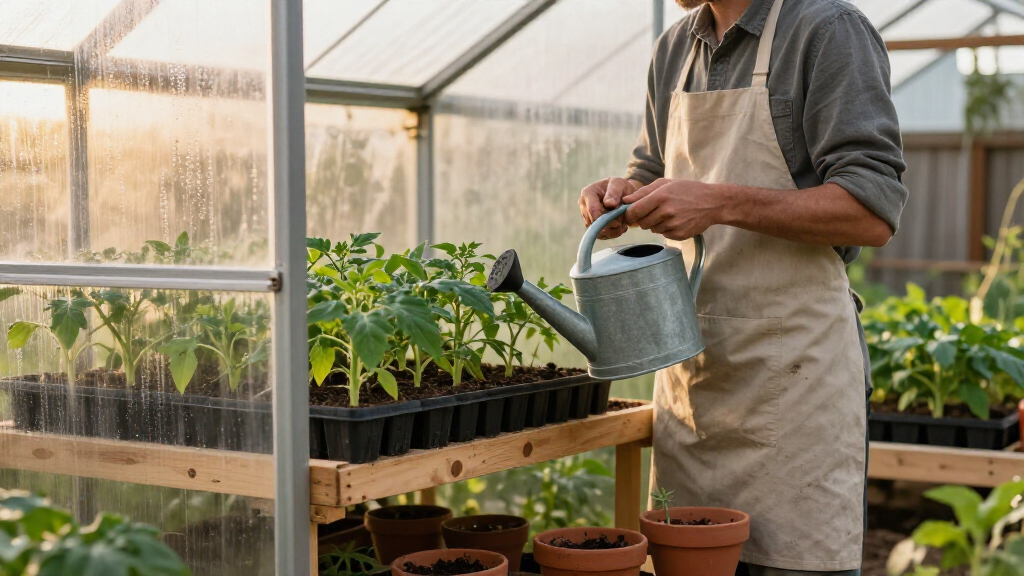
I evaluated these 15 walk in greenhouse kits against the factors that actually determine long-term satisfaction: frame strength and material (aluminum, galvanized steel, cedar, or powder-coated tube steel), glazing type (twin-wall polycarbonate, PVC film, or woven PE), wind and snow ratings, ventilation design (roof vents, roll-up windows, gable airflow), and usable interior layout including headroom, door quality, and shelving. Because a greenhouse is a multi-year commitment, I also weighed assembly complexity, anchor requirements, and how well the cover or panels resist UV degradation over time.
The ranking logic follows durability-to-dollar value. Rigid kits with polycarbonate glazing and metal or wood frames rank highest because they survive weather that destroys soft-sided kits. Mid-tier picks balance portability against longevity, and the pop-ups are ranked for the specific buyer they serve — growers who need fast, temporary, tool-free season extension. Where two kits share a footprint, I separated them by included extras (hygrometers, shelving, lockable doors) and by frame gauge, since those details predict whether the kit still stands upright in year three.
Factors to Consider When Choosing Walk In Greenhouse Kits
Beyond the specific kits reviewed above, there are structural decisions every greenhouse shopper faces before clicking buy. Get these wrong and even a well-built kit becomes a frustration — get them right and a modest kit can outperform a pricier one.Glazing Material: The Decision That Shapes Everything Else
The covering determines your insulation, light quality, lifespan, and replacement cost more than any other component. Twin-wall polycarbonate (found on the Garvee, Jocoevol, Mupater, and the small 6×6 heavy-duty kit) insulates roughly 40% better than single-layer film, diffuses light to prevent leaf scorch, and typically lasts 10+ years before yellowing. Woven PE covers like those on the EAGLE PEAK pop-ups are far cheaper and adequate for mild climates, but UV rays embrittle them within a few seasons regardless of brand claims. PVC film, as on the SUNGIFT, sits at the bottom for longevity and is best treated as a one-to-two-season purchase. A common mistake is buying thin film for a windy or snowy region — the money saved upfront disappears the first time a storm shreds the cover. If you expect snow loads at all, rigid panels aren’t optional; they’re the difference between a greenhouse and a pile of bent tubing.
Footprint Versus Working Space
Manufacturer dimensions describe the exterior footprint, not the usable growing area, and the gap between the two widens as kits get smaller. A 6×4 kit like the compact Hygrometer model leaves roughly a single bench width of walking room once you add staging on both sides. A practical rule: buy at least one size larger than you think you need, because greenhouse space fills with seedlings, overwintered pots, and tools faster than anyone predicts. That said, larger isn’t automatically better — the 8×14 aluminum kit demands a genuinely level, well-drained pad and enough anchoring hardware for its sail area. Also check door width and height if you plan to wheel a cart or wheelchair through; some budget kits advertise walk-in access with door openings barely 24 inches wide, which gets old quickly during daily use.
Ventilation: Where Cheap Kits Cut Corners
Overheating kills more seedlings than cold ever does, and ventilation is where budget manufacturers quietly save money. A single zippered window is not enough for any greenhouse above roughly 40 square feet in summer sun — interior temperatures can hit 120°F on a 75°F day without cross-ventilation. Look for combinations of roof vents and low side vents, which create the chimney effect that passively moves hot air out. The Garvee’s adjustable roof vent and the Mupater’s ventilated window show the right approach; you can also add an auto vent opener to most aluminum-framed kits later for around the cost of a flat of seedlings. Wood kits with top-hung windows, like the EROMMY, offer the best control since you can crack windows precisely in changing weather. If your chosen kit has weak stock ventilation, budget for a small exhaust fan from day one rather than discovering the problem in June.
Anchoring and Wind: The Most Ignored Failure Point
More greenhouses are destroyed by uplift than by any other force — a large covered structure behaves like a sail, and even moderate winds can lift an unanchored kit and drop it as scrap. Every kit in this roundup requires anchoring beyond what ships in the box, whether that’s ground stakes into firm soil, auger-style anchors, or bolting the base to a concrete or timber pad. Rigid polycarbonate kits on aluminum bases generally anchor most securely because their frames have real mounting points; pop-ups need aggressive staking at every guy-out point plus weights on the base perimeter. Wood kits like the Mupater and EverBloom are heavy enough that anchoring is simpler but still necessary in exposed yards. Site selection matters as much as hardware: placing the greenhouse where a fence or hedgerow breaks the prevailing wind can halve the wind load it experiences. Treat anchoring as part of the purchase price, not an optional extra.
Wood, Metal, or Hybrid Framing
Frame material dictates maintenance for the next decade. Aluminum is essentially maintenance-free and won’t rust, but thin-gauge extrusions flex in wind unless the kit includes cross-bracing. Galvanized steel, as on the Jocoevol, offers the best strength-to-cost ratio and handles snow loads well, at the cost of heavier assembly. Cedar and spruce (Mupater, EROMMY, EverBloom) provide natural rot resistance, unmatched aesthetics, and easy screwing-on of shelves and accessories — a real advantage metal frames can’t match — but require periodic sealing and checks for moisture trapped against the ground. The mistake to avoid is putting a wood greenhouse directly on soil; use gravel, pavers, or a concrete pad so the bottom rail never sits wet. If you enjoy modifying and accessorizing your structure over time, wood repays the extra upkeep; if you want to assemble once and forget it, metal is the smarter bet.
Assembly Time and What It Really Costs
Assembly expectations in product listings are consistently optimistic, and misjudging this turns an exciting purchase into a garage-full-of-parts headache. A pop-up like the EAGLE PEAK genuinely deploys in under an hour with one person. A mid-size polycarbonate kit such as the Garvee or Jocoevol realistically takes two people a full weekend, mostly because hundreds of screws and panel channels don’t reward rushing. Large wood kits — the EROMMY and EverBloom — are multi-day projects that assume comfort with a level, drill, and reading exploded diagrams; the payoff is their included shelving and workstations that would cost hundreds to buy separately. Check whether the kit includes a floor or base; many don’t, and a level base is non-negotiable for door alignment on rigid structures. My advice: schedule assembly for a calm-weather weekend, inventory every part bag before starting, and never assemble a rigid kit solo on a windy day — panels catch wind like sails mid-installation.
Frequently Asked Questions
Is a pop-up PE greenhouse worth it, or should I save for polycarbonate?
A pop-up makes sense if you rent, want to test whether you’ll actually use a greenhouse, or only need 6-10 weeks of season extension each spring and fall. The EAGLE PEAK 10×10 deploys without tools and can move or store seasonally, which no rigid kit can do. The honest tradeoff is lifespan: PE covers typically embrittle from UV exposure within two to four seasons, and replacement covers cost a meaningful fraction of a new kit. Polycarbonate kits like the Garvee or Jocoevol cost roughly double upfront but the panels last a decade and the frames survive weather that destroys soft-sided structures. If you own your property and expect to keep growing for more than three years, the polycarbonate route is almost always cheaper per year of use.
What size walk in greenhouse do I actually need?
Almost every gardener underestimates this. A 6×4 kit like the compact Hygrometer model works for starting seedlings and overwintering a dozen pots, but once you add staging on both sides you’re walking a narrow aisle with no room to kneel or work comfortably. A 6×6 or 6×10 footprint is the practical minimum for a genuine working greenhouse where you’ll spend time potting and pruning, and the 8×10 to 8×14 class gives you room for a potting bench, shelving, and a chair. Factor in future growth too — a greenhouse that feels spacious in April is packed by June when tomatoes, peppers, and overflow houseplants all move in. The one caution against oversizing: larger rigid kits need a properly level pad and more anchoring, so your site readiness should cap your size ambitions.
Do I need a permit for a walk in greenhouse kit?
It depends entirely on your local jurisdiction, and this is worth a phone call before buying anything large. Many municipalities exempt small accessory structures — commonly under 100 or 120 square feet — which covers most kits in this roundup including the 6×6, 6×10, and even some 8×10 models. The 8×14 aluminum kit at 112 square feet sits right at typical exemption thresholds, so rules on height and setback distances may still apply. Temporary soft-sided structures are often treated differently, or ignored entirely, which is another point in favor of pop-ups for renters. Wood greenhouses with plumbing or electrical features, like the EverBloom’s faucet and power strip, can trigger additional permits for those systems even when the structure itself is exempt. HOA rules are a separate layer entirely and frequently restrict visible backyard structures regardless of building codes.
Can these greenhouses actually protect plants through winter?
All of them provide meaningful frost protection, but the degree varies sharply with glazing and heat retention. Twin-wall polycarbonate kits like the Mupater, Garvee, and the heavy-duty 6×6 hold interior temperatures 10-15°F above outdoor ambient on sunny winter days and buffer overnight drops substantially, which keeps hardy plants alive and lets you overwinter Mediterranean species like rosemary and citrus in most zones. Single-layer PE and PVC covers only buy 5-8°F of protection and lose it quickly after sunset, so they extend fall and spring more than they carry you through deep winter. Positioning matters more than most buyers realize: a south-facing wall placement adds free solar gain, and a sealed base prevents the cold-air bleed that undermines otherwise good kits. For genuine four-season growing in cold climates, plan on adding a small heater to any of these structures, sized to your glazing’s insulation value.
Why do some kits include thermometers or hygrometers — does that matter?
It matters more than it looks like it would, because greenhouse management is really climate management and you can’t manage what you don’t measure. Kits like the 8×14 aluminum model and the 6×6 Hygrometer version include monitoring out of the box, which means you can spot dangerous humidity spikes that lead to mold and fungal disease before they damage plants. Temperature tracking tells you exactly when to open vents, close doors, or deploy shade cloth — timing that varies weekly with the season. A standalone thermometer costs relatively little, so I wouldn’t choose a kit solely for the inclusion, but it signals the manufacturer expects you to grow seriously rather than casually. If your preferred kit lacks one, add a min-max thermometer near plant height on the north wall; avoid cheap dial units at the door, where readings run several degrees off from where your plants actually sit.
Conclusion
Matching these 15 kits to buyer types comes down to one honest question: how permanent is your growing setup? For the best overall choice, the 8X14FT Large Aluminum Greenhouse delivers the combination of serious working space, corrosion-resistant framing, and included monitoring that serves committed gardeners for years. The best value pick is the Garvee 6×10 Polycarbonate kit, which brings rigid twin-wall glazing, a lockable door, and an adjustable roof vent to a mid-size footprint at a price point where competitors offer only film covers. At the premium end, the EROMMY 7×11 Spruce Wood Greenhouse justifies its cost with a built-in workstation, staging shelves, and a pergola aesthetic that becomes a backyard feature — and the EverBloom cedar kit goes even further with its faucet, shelving, and power integration for buyers who want a true garden room.
For beginners and renters, the EAGLE PEAK 10×10 Pop-Up is the clear starting point: tool-free setup, zippered ventilation, and the flexibility to relocate or store it seasonally with zero commitment. For small-space growers, the 6x6FT Heavy Duty Polycarbonate kit is the standout, offering rigid glazing where most compact kits cut corners with PVC film. Whatever your choice, budget for proper anchoring and honest assembly time — those two factors, more than any spec sheet, determine whether your greenhouse is still standing and productive three seasons from now.
Halloween Picks
halloween
As an affiliate, we earn on qualifying purchases.