By practicing small, sustainable habits daily in your greenhouse—like using organic fertilizers, conserving water with drip irrigation, and integrating renewable energy—you can make a big environmental impact. You reduce reliance on fossil fuels, cut waste, and support local ecosystems. Lightweight changes, such as installing LED lights or harvesting rainwater, add up over time. Keep exploring, and you’ll discover even more ways to turn everyday tasks into powerful wins for sustainability.
Get ready for Prime Big Deal Days — try Prime free
Exclusive member deals on October 6–7, plus fast free delivery. Cancel anytime.
As an affiliate, we earn on qualifying purchases.
Key Takeaways
- Small daily actions in greenhouse work, like composting and water conservation, significantly reduce environmental impact.
- Integrating renewable energy sources lowers greenhouse emissions and operational costs over time.
- Using energy-efficient technologies, such as LED lighting and smart systems, enhances sustainability.
- Urban gardening and resource management support biodiversity and local ecosystem health.
- Consistent sustainable practices build resilient, eco-friendly greenhouse operations with long-term benefits.
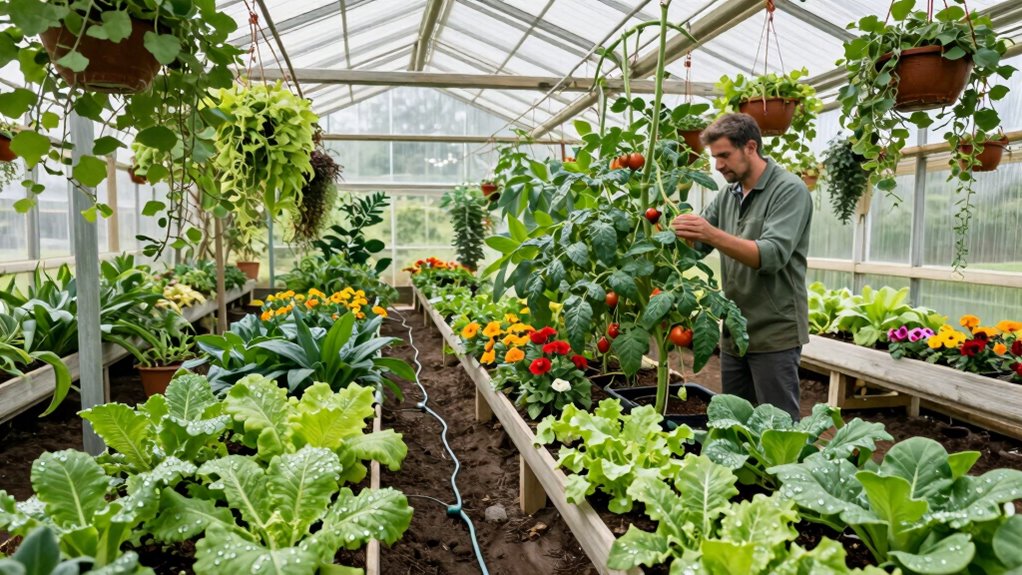
Living sustainably in greenhouse work means adopting practices that minimize environmental impact while maximizing productivity. It’s about making small, deliberate choices daily that add up to a bigger positive effect. For example, urban gardening gives you a chance to transform small city spaces into lush, productive areas. Instead of relying solely on traditional farmland, you can utilize rooftops, balconies, or vacant lots, turning concrete into green oases. This approach reduces the need for long-distance food transportation, lowering your carbon footprint and supporting local ecosystems. Urban gardening also encourages biodiversity, as native plants and pollinators find new habitats in these urban pockets. It’s a simple yet powerful way to integrate sustainability into your routine, showing that impactful change can happen even in limited spaces. Incorporating renewable energy sources like solar panels or wind turbines can further enhance your eco-friendly efforts in greenhouse work. Installing solar panels or wind turbines can supply clean, renewable power for lighting, heating, and irrigation systems. This reduces dependence on fossil fuels, cutting greenhouse gas emissions and decreasing operational costs over time. When you harness renewable energy, you’re not just cutting emissions—you’re also creating a resilient system that’s less vulnerable to energy price fluctuations. This shift promotes long-term sustainability and demonstrates how green energy can be integrated seamlessly into everyday greenhouse activities. Additionally, energy efficiency measures such as LED lighting and proper insulation can significantly decrease energy consumption, making your operations even more sustainable. Using smart technology to monitor energy use can optimize resource efficiency and further reduce waste. Beyond energy and urban gardening, you can adopt other sustainable practices that align with your work. Using organic fertilizers and composting plant waste reduces chemical use and enriches your soil naturally. Water conservation techniques like drip irrigation and rainwater harvesting make sure you’re using resources efficiently, especially in urban settings where water may be limited. Incorporating sustainable resource management**** into your routine can lead to a significant reduction in waste and environmental impact. These small adjustments support environmental health without sacrificing productivity. They also highlight the importance of mindful resource management, which benefits both your operation and the planet.
solar-powered greenhouse LED grow lights
As an affiliate, we earn on qualifying purchases.
As an affiliate, we earn on qualifying purchases.
Frequently Asked Questions
How Can Greenhouse Work Reduce Overall Carbon Footprints?
Greenhouse work reduces your overall carbon footprint by boosting energy efficiency and promoting water conservation. You can optimize energy use through better insulation and renewable energy sources, lowering emissions. Water conservation practices, like recycling and efficient irrigation, cut down on resource waste. By adopting these methods, you actively contribute to sustainability, decrease reliance on fossil fuels, and help fight climate change—all while growing healthy plants in a more eco-friendly way.
What Are the Cost Implications of Sustainable Greenhouse Practices?
Imagine you’re stepping into a sci-fi greenhouse—costs might seem high initially, but sustainable practices often lead to savings through resource efficiency. You benefit from economic incentives like tax breaks or grants, reducing upfront expenses. While implementing eco-friendly methods can require investment, they typically cut long-term operational costs, making your greenhouse more profitable and environmentally friendly. Over time, these sustainable choices pay off, balancing out the initial costs with ongoing savings.
How Do Greenhouses Contribute to Local Biodiversity?
Greenhouses support local biodiversity by providing habitats for native pollinators, like bees and butterflies, which thrive around healthy plant environments. They also help prevent the spread of invasive species by controlling plant introductions and maintaining local ecological balance. When you cultivate native plants and avoid invasive species, you protect native pollinators and promote a resilient ecosystem, making your greenhouse a crucial contributor to regional biodiversity conservation.
Can Small-Scale Greenhouses Be Truly Sustainable?
Yes, small-scale greenhouses can be truly sustainable when you prioritize urban integration and renewable energy. By using solar panels or wind turbines, you reduce reliance on fossil fuels. Incorporate local materials to minimize environmental impact, and focus on growing native plants to support biodiversity. These practices help you create a greenhouse that’s eco-friendly, energy-efficient, and beneficial to your community, making sustainable living both practical and achievable.
What Are the Biggest Challenges in Implementing Green Practices?
You face big challenges when implementing green practices, especially with only 20% of greenhouses adopting renewable energy sources. Water conservation is also tough, as greenhouses often use excessive water, risking shortages. Balancing energy needs with eco-friendly options and conserving water while maintaining plant health require careful planning. Overcoming these hurdles demands innovative solutions and commitment, but the rewards—sustainable growth and healthier ecosystems—make it worthwhile.
Conclusion
As you tend to your greenhouse each day, you realize that every careful decision, from watering to composting, quietly shapes a more sustainable future. It’s like watching a seed grow into a thriving plant—small actions intertwining to create something meaningful. In this simple, everyday work, you find that sustainability isn’t just a goal; it’s woven into the very roots of your routine, quietly transforming your world and the planet’s.
Fall yard work Picks
leaf blowers
As an affiliate, we earn on qualifying purchases.