To make your greenhouse more useful and eco-friendly, incorporate sustainable upgrades like solar ventilation to naturally cool the space, reducing energy costs. Use water-saving systems such as drip irrigation and collect rainwater to conserve resources. Opt for environmentally friendly materials and passive solar design to enhance efficiency. Combining these upgrades with renewable energy options and proper insulation creates a healthier environment for your plants while lowering expenses. Keep exploring to discover more ways to optimize your green space sustainably.

Get garden gear delivered free with Prime
- Fast, free delivery on millions of items
- Prime Video, Amazon Music and more included
- Member-only deals all year
Key Takeaways
- Incorporate solar ventilation to naturally regulate temperature and reduce energy consumption.
- Use water-efficient irrigation and rainwater harvesting to conserve resources.
- Select sustainable, eco-friendly materials for framing and glazing to minimize environmental impact.
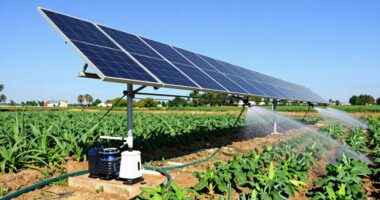
- Integrate renewable energy sources like solar panels and solar-powered vents for increased independence.
- Implement passive solar design, shading, and insulation for optimal climate control and energy efficiency.

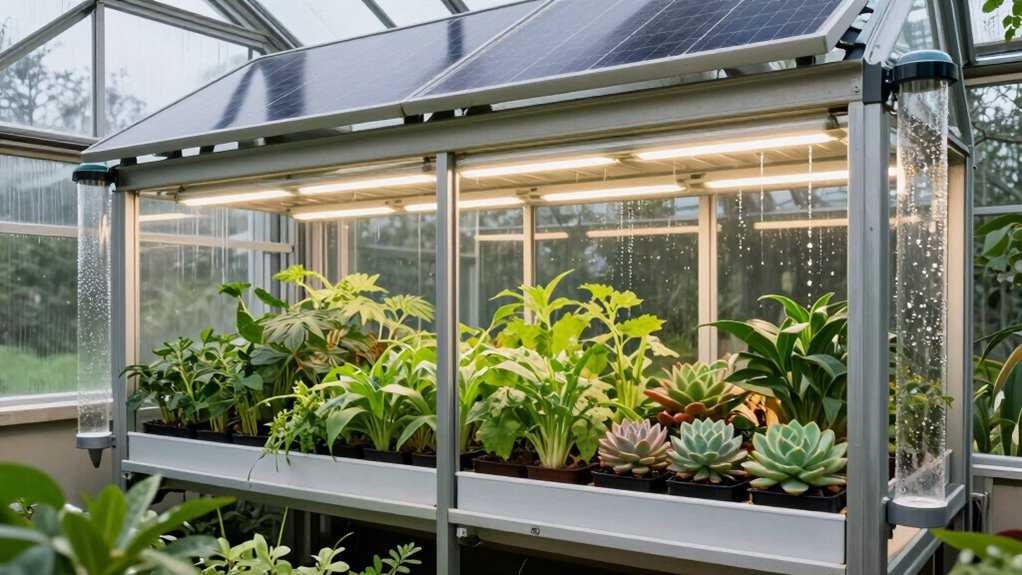
Are you looking for ways to make your home more eco-friendly and energy-efficient? Upgrading your greenhouse with sustainable features can boost its productivity while reducing your environmental footprint. One of the most effective improvements is implementing solar ventilation. Instead of relying on electric fans, solar-powered vents harness sunlight to naturally draw out hot air, maintaining a stable, ideal temperature inside your greenhouse. This passive cooling method minimizes energy consumption and costs, ensuring your plants stay healthy without adding to your utility bills. Solar ventilation also reduces your greenhouse’s carbon footprint, making it a more environmentally responsible choice. When combined with proper insulation, ventilation, and shading, solar-powered systems help create a controlled environment that encourages vigorous plant growth year-round. Incorporating passive solar design principles can further optimize energy efficiency by utilizing the sun’s natural heat and light. Additionally, integrating renewable energy sources can enhance your greenhouse’s sustainability and independence from grid power.
Solar ventilation naturally cools your greenhouse, reducing energy costs and lowering your environmental impact.
Water conservation stands as another essential upgrade that makes your greenhouse more sustainable. Water-efficient irrigation systems like drip emitters or soaker hoses deliver moisture directly to the roots, minimizing waste and evaporation. Collecting rainwater and storing it in barrels or tanks provides an eco-friendly water source, reducing dependence on municipal supplies. Installing moisture sensors can further enhance watering schedules, ensuring you only use water when your plants truly need it. These measures not only help conserve precious water resources but also cut down on your expenses. Plus, using water wisely supports local ecosystems and reduces strain on municipal water systems, aligning your greenhouse practices with broader conservation efforts. Properly managing water resources is crucial for maintaining a sustainable and resilient garden.
Beyond ventilation and water management, other upgrades can add to your greenhouse’s sustainability. Using eco-friendly materials for framing and glazing, such as recycled metals or low-impact plastics, reduces environmental impact. Incorporating passive solar design principles, like orienting your greenhouse to maximize sunlight exposure, can further reduce energy needs. Installing energy-efficient LED grow lights can supplement natural light during darker months without consuming excessive power. Additionally, integrating composting systems for plant waste and organic fertilizers can close the loop on resource use, enriching your soil naturally and reducing chemical runoff. These comprehensive upgrades help transform your greenhouse into a truly sustainable and self-sufficient environment.
With these upgrades, your greenhouse becomes more than just a space for cultivation; it transforms into a model of sustainability. You’ll enjoy healthier plants, lower utility bills, and a smaller carbon footprint. By prioritizing solar ventilation and water conservation, you’re taking tangible steps toward a greener lifestyle while ensuring your plants thrive in an environmentally responsible way. These straightforward improvements align with your desire for a sustainable home that balances productivity with ecological mindfulness, making your greenhouse a true extension of your commitment to the planet.
Products Worth Considering

Garvee 8 x 10 ft Walk-In Polycarbonate Greenhouse with Aluminum Frame

EGO POWER+ CS1611 16-Inch Cordless Chainsaw with 56V 2.5Ah Battery and Charger

EGO POWER+ Cordless Electric Leaf Blower (LB6151) with 2.5Ah Battery and Charger
As an affiliate, we earn on qualifying purchases.
Frequently Asked Questions
How Much Do These Upgrades Typically Cost?
The cost of these upgrades varies, typically ranging from a few hundred to several thousand dollars depending on the enhancements. You should consider cost considerations like materials and labor, and set a realistic budget. Budgeting tips include prioritizing upgrades that save energy or increase efficiency first. Planning ahead helps you manage expenses, ensuring your greenhouse becomes more sustainable without overspending.
Are Eco-Friendly Materials More Durable?
Yes, eco-friendly materials often surprise you with their durability. Their eco friendly durability means they withstand the elements just as well as traditional options, and sometimes even longer. When you choose sustainable materials, you’re investing in material longevity that keeps your greenhouse intact over time. This makes eco-friendly choices not only better for the environment but also smart for your long-term use, providing a sturdy, lasting structure that endures.
Can These Upgrades Be Diy-Installed?
Yes, many of these eco-friendly upgrades are suitable for DIY installation, especially if you have basic handyman skills. You can add solar panels, install rainwater harvesting systems, or upgrade insulation yourself, which boosts eco-friendly durability. Just make sure to follow instructions carefully and use quality materials. DIY installation not only saves money but also allows you to customize your greenhouse, making it more sustainable and tailored to your needs.
How Long Is the Return on Investment?
Your investment in energy efficiency and water conservation upgrades typically pays off within a few seasons, depending on your climate and usage. These enhancements reduce utility bills and water costs, making your greenhouse more sustainable and cost-effective over time. While the initial expenses might seem significant, the long-term savings and eco-friendly benefits often outweigh them, turning your greenhouse into a more efficient, environmentally conscious space that rewards your efforts with ongoing benefits.
Do Upgrades Affect Greenhouse Pest Control?
Upgrades can substantially improve pest control in your greenhouse by enhancing pest prevention and adding pest barriers. Installing physical barriers, like screens or netting, keeps pests out, while sealing gaps prevents entry. These upgrades reduce the need for chemical pest control, making your greenhouse more sustainable and productive. Regular maintenance of pest barriers ensures ongoing protection, helping you maintain a healthy environment for your plants and reduce pest-related issues effectively.
Conclusion
By embracing these sustainable upgrades, your greenhouse becomes a sanctuary of growth and harmony, echoing the resilience of a forest untouched by time. Picture sunlight filtering through enhanced skylights, nurturing vibrant life within, much like a secret garden thriving beneath a wise old tree. With each eco-friendly change, you’re not just cultivating plants—you’re nurturing a future where nature and innovation flourish side by side, creating a haven as enduring as the earth itself.