
TL;DR
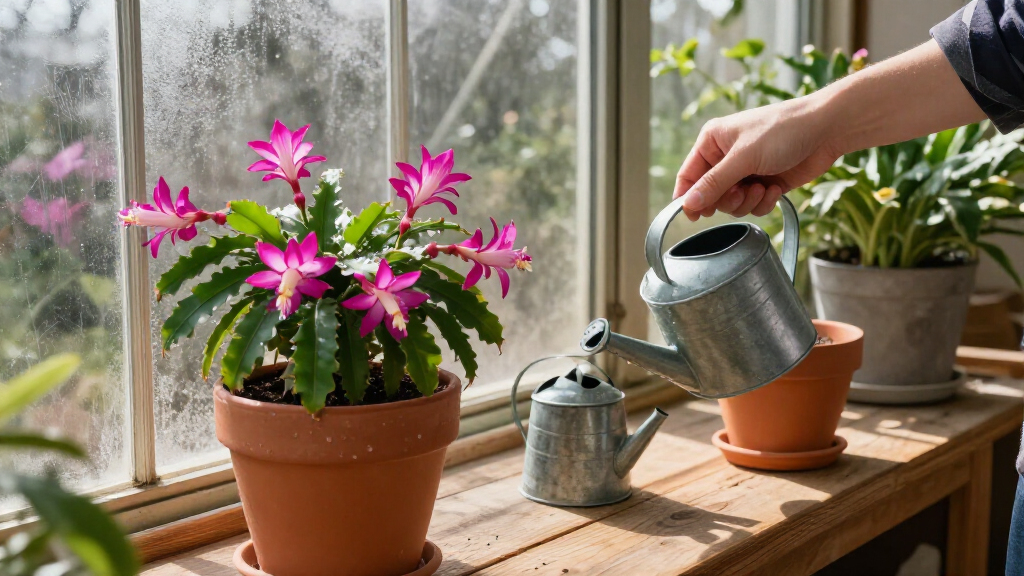
Thanksgiving cacti can continue flowering into December, and care during that period can help protect their blooms. Keep the plant in bright, indirect light, water when the top inch of soil is dry, maintain stable temperatures and remove faded flowers; avoid feeding while it is in bloom.
Thanksgiving cacti can continue flowering into December after their typical November start, and keeping their light, moisture and temperature conditions steady can help preserve the display. The seasonal care guidance recommends bright, indirect light, watering when the soil’s top inch dries, and avoiding heat sources and drafts while the plant is blooming.

Get garden gear delivered free with Prime
- Fast, free delivery on millions of items
- Prime Video, Amazon Music and more included
- Member-only deals all year
Thanksgiving cactus, or Schlumbergera truncata, is native to Brazil’s tropical rainforests, and care that encourages blooms can help support its flowering. Unlike desert cacti, it prefers consistent moisture and some humidity, but its roots should not sit in water. Place it near an east-facing window or a few feet from a south-facing window, where it receives bright, indirect light; see these placement ideas for better blooms. Strong direct winter sun can scorch its stems, while a very dark location may affect its health. If daylight is limited, a full-spectrum LED grow light is an option. Keeping the plant in one place through flowering can also limit stress.
Check the potting mix rather than watering by a fixed calendar. When the top inch of soil feels dry, water thoroughly and let excess drain from the pot; empty the saucer afterward. Indoor heating may dry soil faster, but cooler conditions and shorter days can also reduce how much water the plant needs. The recommended indoor temperature is around 60–70°F. Slightly cooler conditions may help flowers last longer, while sudden temperature changes can cause buds or blooms to drop.
As individual flowers wilt, remove them gently and clear fallen blooms from the soil. Avoid cutting healthy green segments or carrying out substantial pruning while the plant is flowering; the guidance recommends saving shaping for spring. Do not fertilize during active bloom. After the flowers fade, allow a short rest, reduce watering slightly and resume feeding when new growth appears, usually in spring; these November care tips offer more guidance. Use a balanced, water-soluble houseplant fertilizer at half strength, following its label directions and not applying it to dry soil.
Protect December Blooms with Steady Care
Thanksgiving cacti can keep flowering into December. Stable light, moisture and temperature help support blooms without stressing the plant.
Get the Growing Conditions Right
Rainforest origins mean this cactus prefers filtered light and consistent moisture, with good drainage.
Bright and indirect
Try near an east-facing window or a few feet from a south-facing one. Avoid strong direct sun.
Check the soil
Water thoroughly when the top inch is dry, let excess drain, then empty the saucer.
Keep it steady
Avoid drafts, heating vents and sudden temperature changes that can cause buds or blooms to drop.
While the Plant Is Blooming
Respond to the plant’s condition rather than a fixed calendar.
Indoor heating may dry the mix faster, while cooler conditions can reduce water needs.
Gently clear wilted blooms and fallen flowers; leave healthy green segments intact.
Do not feed during active bloom or carry out substantial pruning.
After the Flowers Fade
Let the plant’s growth guide the next care steps.
Steady Conditions Protect December Blooms
December can extend the seasonal display for plants whose flowering began in November, but indoor conditions may shift as homes rely more on heating. Drying soil, direct sun, drafts and heat vents can affect the plant while it is flowering. Regular checks let owners respond to the actual conditions instead of relying on a summer watering routine or a fixed schedule.
The advice also helps distinguish normal bloom changes from problems. Individual flowers fading and dropping as the flowering period ends is described as normal, not necessarily a sign that the plant is unhealthy. Removing spent blooms keeps the pot tidy, while leaving healthy stem segments intact avoids unnecessary pruning during flowering.
Products Worth Considering

EGO POWER+ 56V Cordless Leaf Blower Kit with 2.5Ah Battery and Charger, 615 CFM (LB6151)

EGO POWER+ LB5302 Cordless Leaf Blower, 530 CFM, with 2.5 Ah Battery

Rachio 3 Smart Sprinkler Controller, 16-Zone
As an affiliate, we earn on qualifying purchases.
A Rainforest Cactus, Not a Desert Plant
The name can lead to mistaken assumptions about care. Thanksgiving cactus belongs to the cactus family, but its rainforest origins mean it does not follow the dry-soil routine associated with many desert cacti. It favors bright filtered light and more regular moisture, with drainage needed to prevent waterlogged roots.
Its main flowering period typically begins in November, although some plants continue into December. The guidance is aimed at maintaining the plant during that stretch, then shifting care after the last flowers fade. It recommends a short rest before feeding resumes with new spring growth, rather than promoting fresh growth during the winter bloom period.
Bloom Timing Varies by Plant
The source guidance gives a typical flowering window, not a guarantee that every Thanksgiving cactus will bloom through December. How long flowers last and when a specific plant finishes are not stated as fixed dates. The recommended temperature range is a general target, and the source does not specify an exact humidity level or a universal watering frequency.
Care needs can change with a home’s light, temperature, potting mix and heating system. The guidance therefore favors checking the soil and watching the plant rather than following a set number of days between waterings. It does not provide a specific schedule for the post-bloom rest period beyond reducing watering slightly until new growth appears.
Shift Care After Flowers Fade
Continue monitoring light, soil moisture and temperature while flowers remain. Remove blooms once they wilt, keep the plant away from drafts and direct heat, and avoid fertilizer during active flowering. When the final flowers fade, reduce watering slightly for a short rest rather than immediately encouraging new growth.
Resume feeding when new growth appears, usually in spring, using a balanced water-soluble fertilizer diluted to half strength and following the product label. More substantial pruning can also wait until spring. The source does not specify a calendar date for either step, so the plant’s flowering and new growth—not a fixed date—are the cues described.
Key Questions
How often should I water a Thanksgiving cactus in December?
There is no fixed schedule in the guidance. Check the potting mix and water when the top inch feels dry; let excess water drain and empty the saucer.
Where should I place it while it is blooming?
Choose a spot with bright, indirect light, such as near an east-facing window. Keep it away from strong direct sun, radiators, heating vents and drafty doors or windows.
Should I fertilize my Thanksgiving cactus in December?
No feeding is needed while it is flowering. After the blooms fade, allow a short rest and resume feeding when new growth appears, usually in spring.
Is it normal for flowers to drop?
Individual blooms naturally wilt and fall as the flowering period ends. Remove spent flowers, but avoid cutting healthy green stem segments while the plant is in bloom.
Source: homesandgardens.com