
When your greenhouse shows signs of wear, quick fixes like sealing tears with heavy-duty tape, tightening loose bolts, and reinforcing frame joints can prevent further damage and protect your plants. Address torn plastic covers or malfunctioning vents promptly, and use braces or supports for weak areas. Regular inspections help catch issues early, saving time and effort later. Keep these simple repair tips in mind, and you’ll find more effective ways to keep your greenhouse in top shape.
Prime for Young Adults — start your free trial
Fast free delivery, streaming and member deals for eligible 18–24 year olds.
As an affiliate, we earn on qualifying purchases.
Key Takeaways
- Use repair tape or patching material to seal tears in plastic covers quickly.
- Tighten loose screws and latches to restore vent functionality and prevent drafts.
- Reinforce bent or weak frames with temporary braces or supports for stability.
- Seal small cracks with clear tape and patch larger damages with durable plastic.
- Keep essential repair supplies on hand for rapid response to wear and tear issues.
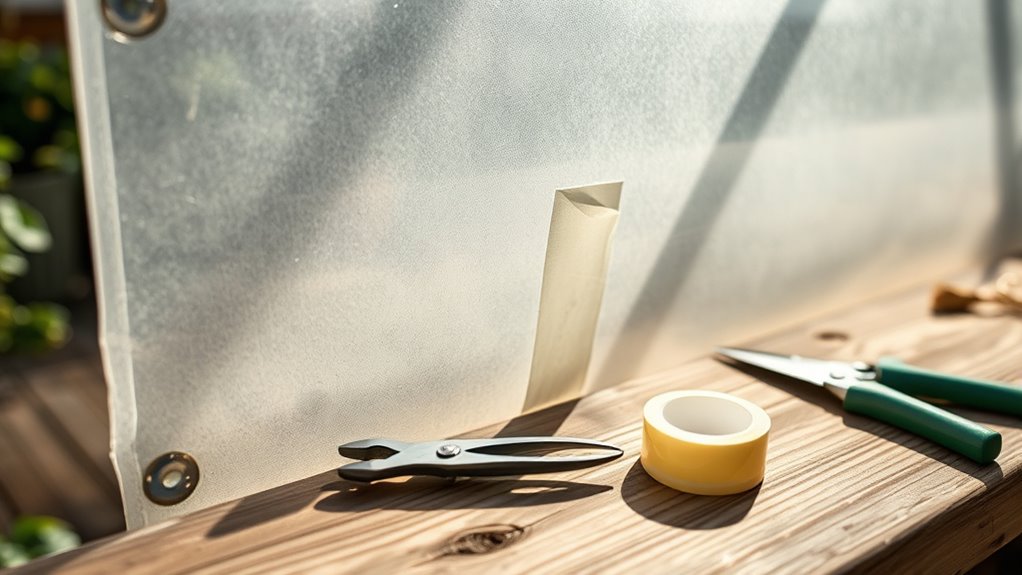
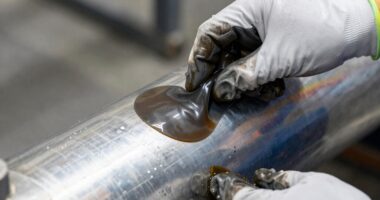
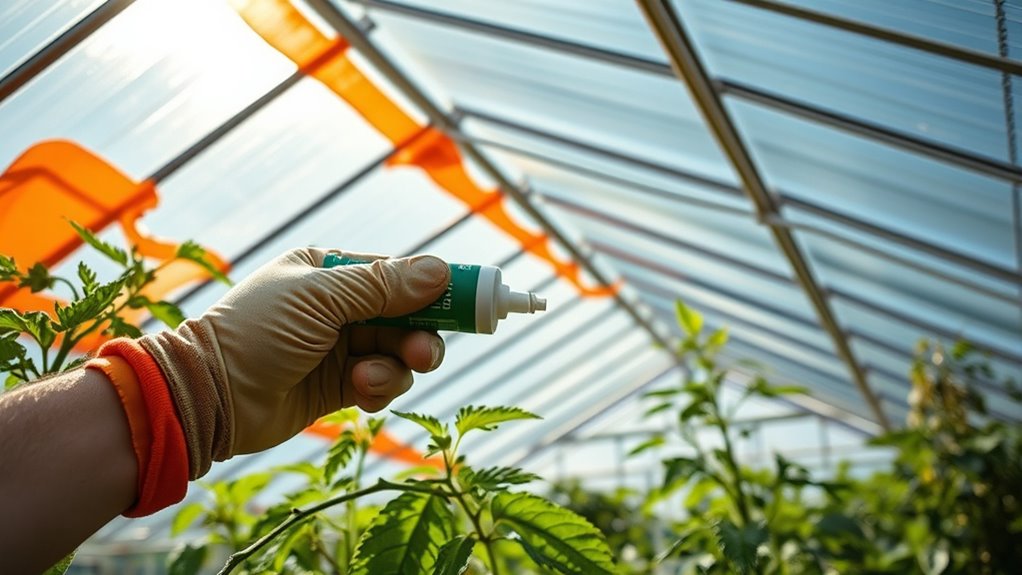
Ever wondered how to quickly patch up your greenhouse when unexpected damage occurs? Sometimes, a sudden tear in the plastic cover or a bent frame can threaten your plants’ safety and growth. The good news is, with some simple techniques, you can manage these issues swiftly and effectively. Vent repair is often a priority because proper airflow regulates temperature and humidity, so addressing any vent damage immediately helps maintain a healthy environment inside. If your vents are stuck, cracked, or malfunctioning, start by inspecting the hinges and latches. Tighten loose screws, replace broken latches, or temporarily seal small cracks with clear tape to prevent drafts. For larger damage, consider patching the vent with a piece of durable plastic or repair tape, ensuring it’s sealed tightly to avoid leaks. If you have a roll of greenhouse repair tape or patching material on hand, it can serve as a quick fix until a more permanent solution is possible. Additionally, understanding the importance of climate control in greenhouses emphasizes the need for prompt repairs to maintain ideal growing conditions. Regularly inspecting your greenhouse for signs of wear and tear can help you spot issues early, preventing further deterioration and damage. Frame reinforcement is equally important, especially if you notice any bending, warping, or loose joints. A compromised frame can jeopardize the entire structure, so reinforcing it promptly is vital. For minor bends, you might gently straighten the affected section using a rubber mallet, then secure it with temporary braces or clamps until you can perform a full repair. For loose joints or connections, tighten bolts and screws, adding washers if necessary to improve stability. If the frame has sustained more extensive damage, you can reinforce it by attaching additional bracing—such as wooden or metal supports—across vulnerable areas. Use quick-setting adhesives or clamps to hold reinforcements in place while they cure. These immediate steps provide a sturdy workaround that keeps your greenhouse stable, protecting your plants from further harm. In a pinch, applying heavy-duty tape or patching material can seal tears in the plastic cover or reinforce weak spots in the frame. Always clean the area thoroughly before applying any repair material to guarantee it adheres properly. Keep a kit of essential supplies, including repair tape, spare fasteners, and lightweight braces, to make these fixes quicker and easier. To prevent future issues, consider implementing preventative maintenance routines to extend the lifespan of your greenhouse components. Remember, the goal is to stabilize the structure long enough to carry out more permanent repairs later. Regular inspections and proactive maintenance, such as addressing wear and tear, can save you time and money in the long run. Quick fixes like vent repair and frame reinforcement might not be permanent, but they buy you valuable time and keep your plants safe while you plan more detailed repairs. Additionally, ensuring the safety of your greenhouse structure by following proper repair techniques can further enhance its durability and longevity.
As an affiliate, we earn on qualifying purchases.
Frequently Asked Questions
How Often Should I Inspect My Greenhouse for Damage?
You should inspect your greenhouse regularly, ideally conducting a seasonal inspection at least four times a year. This helps you spot potential damage early and prevent costly repairs. Keep an eye out for cracks, tears, or loose fittings, especially after storms or harsh weather. By staying proactive with damage prevention, you guarantee your greenhouse remains in top condition, providing a safe environment for your plants year-round.
What Safety Precautions Should I Take During Repairs?
When repairing your greenhouse, always prioritize safety. Wear protective gear like gloves and goggles to shield yourself from sharp edges or debris. Guarantee electrical safety by turning off power before working on any electrical components. Keep your work area clean and dry to prevent slips and accidents. Use tools properly, and if you’re unsure about electrical repairs, consult a professional. Taking these precautions helps you stay safe and effectively complete repairs.
Can I Repair Greenhouse Plastic With Household Items?
You can try DIY patching your greenhouse plastic with household adhesives, but it’s not always the best solution. Household adhesives may not provide a durable, weatherproof seal and could fail over time. For small tears, you might use clear tape or plastic patches with strong glue, but for larger or persistent damage, it’s better to invest in specialized greenhouse repair kits. Always guarantee safety and proper ventilation when working with adhesives.
How Do I Prevent Future Wear and Tear?
Think of your greenhouse as a delicate garden, thriving with care. To prevent future wear and tear, you should prioritize preventative maintenance and consider material upgrades that strengthen your structure. Regular inspections, cleaning, and timely repairs act as the shield protecting your greenhouse. By investing in durable materials now, you’re planting the seeds for long-lasting resilience, ensuring your greenhouse remains a safe haven for your plants season after season.
What Are the Best Tools for Greenhouse Repairs?
When repairing greenhouse panels and fixing broken vents, you’ll want to have the right tools on hand. A sturdy utility knife helps cut and remove damaged panels, while a sealant gun ensures a tight seal around repairs. Pliers and screwdrivers are essential for fixing broken vents, and a ladder makes accessing high areas easier. Investing in these tools makes your repairs faster and more effective, extending your greenhouse’s lifespan.
Conclusion
Now that you know simple solutions for greenhouse glitches, don’t dawdle or delay. With quick fixes and a bit of care, you can confidently conquer cracks, leaks, and worn-out walls. Keep your greenhouse glorious and growing by promptly patching, patching, and protecting. Remember, maintenance means more marvelous months of thriving plants. So stay vigilant, solve swiftly, and guarantee your greenhouse gleams with growth and goodness all season long. Happy fixing!
Fall Picks
fall essentials
As an affiliate, we earn on qualifying purchases.