Choosing to eat seasonally helps reduce your environmental impact by cutting down on fuel-intensive transportation and energy used in artificial greenhouses. It supports local farmers, ensures fresher, more nutritious foods, and encourages dietary variety aligned with nature’s cycles. By focusing on seasonal produce, you can also minimize food waste and promote sustainable community practices. If you keep exploring, you’ll discover practical tips to make your eating habits even more eco-friendly and rewarding.

Get garden gear delivered free — and shop member deals
- Fast, free delivery on millions of items
- Access to Prime Big Deal Days deals on October 6–7
- Prime Video, Amazon Music and more included
Key Takeaways
- Seasonal eating minimizes energy use by reducing reliance on energy-intensive greenhouses and artificial ripening methods.
- Growing or sourcing local, seasonal produce cuts transportation emissions and supports sustainable urban farms.
- Consuming foods at their natural peak enhances freshness, flavor, and nutritional value, promoting healthier diets.
- Aligning meals with seasonal cycles reduces food waste through better planning and decreased spoilage.
- Supporting local farms and community gardens fosters resilient, eco-friendly food systems and strengthens local economies.

Have you ever wondered how your eating habits impact the environment? The truth is, every choice you make on what to eat and when to eat it can play a significant role in promoting sustainability. One effective way to make a difference is by embracing seasonal eating, which encourages you to enjoy foods when they’re naturally in season. Not only does this reduce the environmental footprint associated with long-distance transportation and energy-intensive storage, but it also supports local farmers and communities. When you opt for seasonal produce, you’re more likely to be consuming foods that are at their peak freshness, flavor, and nutritional value, making your meals more enjoyable and healthier.
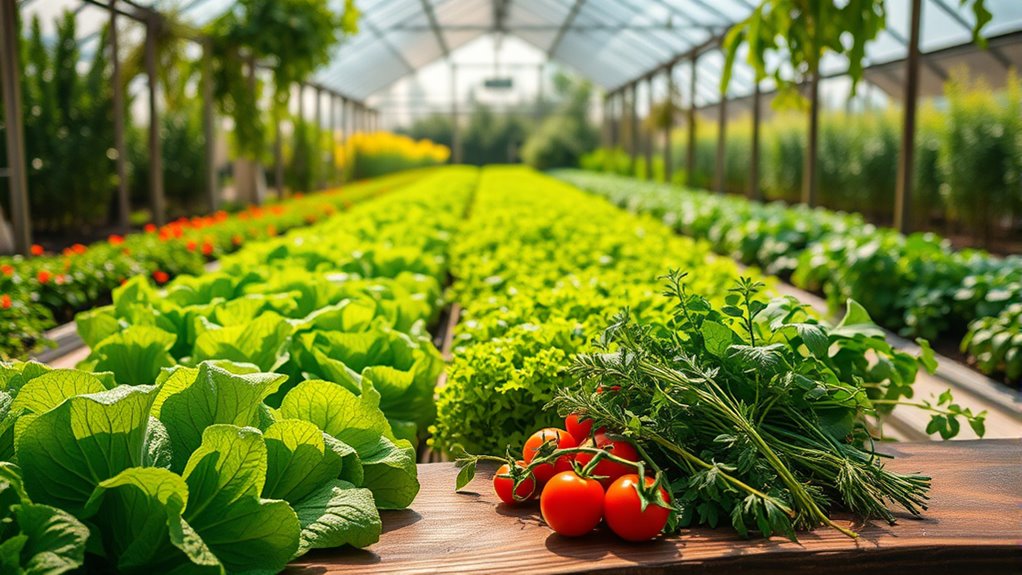
Choosing seasonal foods supports local farms and ensures peak freshness and nutrition.
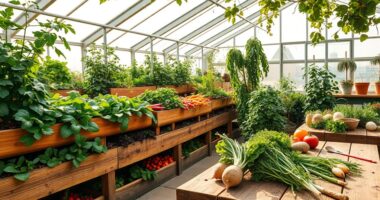
Urban farming is a crucial part of this movement. By growing your own vegetables or supporting local urban farmers, you cut down on the carbon emissions linked to food transportation. Urban farms and community gardens make it easier for you to access seasonal produce directly, which means less reliance on imported goods that have traveled thousands of miles. Plus, urban farming often encourages food waste reduction. When you grow your own food or buy from nearby sources, you’re more aware of what you need, reducing the temptation to over-purchase or let produce spoil. This awareness helps you plan better meals, use leftovers creatively, and prioritize what’s in season, all of which cut down on food waste.
Eating seasonally also means aligning your diet with nature’s rhythms, which can inspire you to try a wider variety of fruits and vegetables throughout the year. This diversity not only benefits your health but also supports a more resilient food system. When you stick to seasonal eating, you naturally avoid the cycle of demand for out-of-season produce, which often involves energy-intensive methods like heated greenhouses or forced ripening agents. Instead, you enjoy what’s naturally available, reducing the environmental costs associated with artificial cultivation and preservation techniques.
Furthermore, by participating in urban farming and making mindful choices about when and what to eat, you help create a more sustainable food ecosystem. You’re supporting local economies, reducing your carbon footprint, and actively contributing to food waste reduction. Incorporating foods rich in dietary fiber into your meals can further enhance your digestive health and support your overall well-being. The more you incorporate seasonal eating into your lifestyle, the more you’re helping to build a resilient, eco-friendly food system that benefits everyone. So, next time you plan your meals, think about what’s in season, consider supporting local urban farms, and be mindful of wasting food. These small steps can lead to a big impact on the health of our planet.
seasonal produce storage containers
As an affiliate, we earn on qualifying purchases.
As an affiliate, we earn on qualifying purchases.
Frequently Asked Questions
How Can I Identify Locally Grown Seasonal Produce?
To identify locally grown seasonal produce, visit farmer’s markets where vendors often showcase what’s in season. You can also check crop calendars for your region, which detail peak harvest times for various fruits and vegetables. Talk to local farmers directly—they’ll tell you what’s fresh and in season. By doing this, you’ll enjoy produce at its best, support local agriculture, and reduce your environmental impact.
What Are the Best Ways to Store Seasonal Foods?
Ever wondered how to keep seasonal foods fresh longer? You should use proper food preservation and storage techniques, like refrigerating berries in a breathable container or freezing surplus vegetables to extend their shelf life. Keep fruits and vegetables in the right environment—cool, dark, and dry—and consider vacuum sealing for added preservation. Proper storage helps retain flavor, nutrients, and reduces waste, so your seasonal bounty stays delicious and fresh longer.
How Does Seasonal Eating Impact Food Prices?
You’ll notice that seasonal eating helps stabilize food prices by aligning supply with demand. As food price fluctuation decreases during peak harvest times, prices tend to stay lower. By following seasonal market trends, you can take advantage of fresh, affordable produce. This approach not only saves you money but also supports local farmers and promotes sustainable consumption, making your food choices more eco-friendly and economical.
Are There Seasonal Eating Tips for Urban Environments?
Coincidences happen when you find fresh, seasonal produce right in your city. To embrace seasonal eating in urban environments, try indoor gardening to grow herbs and small vegetables year-round. Visit urban farmer’s markets for local, in-season foods, and support community vendors. These tips help you enjoy fresh, sustainable meals while reducing your carbon footprint. Embracing urban farming and markets makes seasonal eating convenient and rewarding, even in city settings.
How Can Seasonal Eating Reduce My Carbon Footprint?
By eating seasonally, you can considerably lower your carbon footprint because it reduces food miles—the distance your food travels—and cuts down on energy consumption used in transportation and preservation. When you choose local, in-season produce, you’re supporting more sustainable farming practices and minimizing the environmental impact of long-distance shipping. This simple shift helps lessen greenhouse gas emissions, making your diet more eco-friendly and aligned with sustainable living.
Conclusion
So, next time you reach for out-of-season produce, remember—your choices don’t just impact your plate but the planet. Ironically, by ignoring what’s in season, you might be fueling environmental harm and missing out on fresher, tastier foods. Embracing seasonal eating isn’t just good for your health; it’s a quiet act of rebellion against a system that values convenience over sustainability. Sometimes, the simplest act can make a surprisingly big difference.
Fall yard work Picks
leaf blowers
As an affiliate, we earn on qualifying purchases.