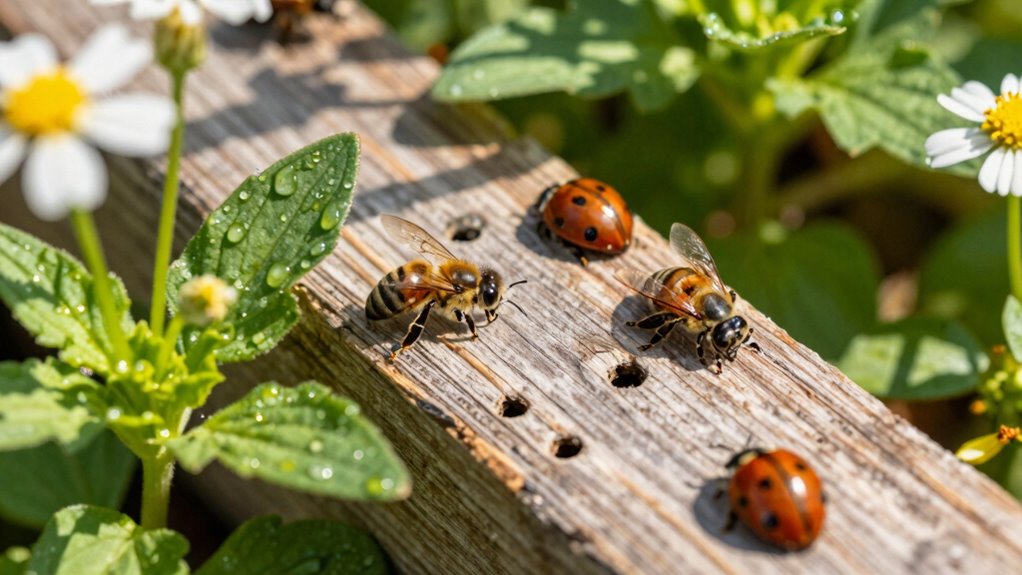
To keep beneficial insect helpers alive longer, focus on creating a diverse and sustainable habitat. Avoid pesticides, plant native species with staggered blooms, and include shelter like insect hotels and brush piles. Provide clean water sources and strategic nesting sites. Regular maintenance, such as removing debris and replacing plants, boosts their lifespan. If you follow these tips, you’ll support thriving insect populations that naturally protect your garden or farm—a smarter, long-term pest and pollinator solution.
Key Takeaways
- Provide diverse native flowering plants with staggered bloom times to ensure continuous food sources for beneficial insects.
- Incorporate shelter structures like bee hotels, brush piles, and hollow stems to offer nesting and overwintering sites.
- Ensure water sources are shaded, clean, and refreshed regularly to prevent dehydration and promote insect health.
- Minimize pesticide use during bloom periods to protect beneficial insects and extend their lifespan.
- Maintain habitat by removing debris, controlling pests, and replacing plants to support long-term insect survival.
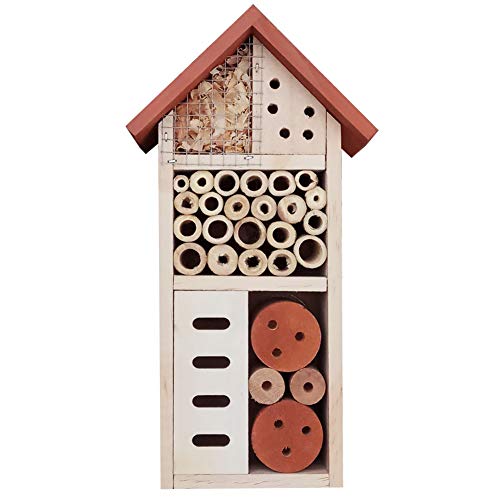
Lulu Home Wooden Insect House, Hanging Insect Hotel for Bee, Butterfly, Ladybirds, Beneficial Insect Habitat, Bug Hotel Garden, 10.4 X 3.4 X 5.4 Inch
- Insect Shelter: Provides safe habitat for insects
- Supports Plant Health: Helps pollinate and control pests
- Multiple Insect Habitats: Different materials for various species
As an affiliate, we earn on qualifying purchases.
As an affiliate, we earn on qualifying purchases.
Why Beneficial Insects Need Our Help
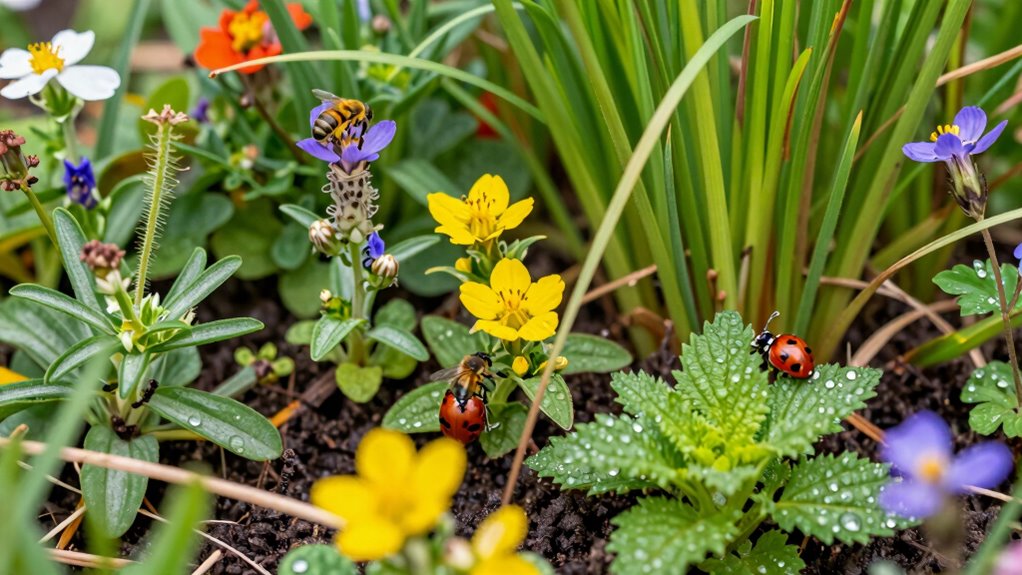
Beneficial insects play a vital role in maintaining healthy ecosystems and supporting agriculture, but they face numerous threats that jeopardize their populations. One major challenge is pesticide avoidance; harmful chemicals often eliminate beneficial insects along with pests. This disrupts their natural balance and reduces their numbers. Additionally, habitat connectivity is crucial for their survival. Fragmented landscapes make it difficult for beneficial insects to find food, mates, and safe places to rest or reproduce. When habitats are disconnected, populations decline and recovery becomes harder. By protecting and creating connected habitats, you help beneficial insects thrive and continue their essential work. habitat connectivity is especially important as urban development continues to fragment natural areas. Reducing pesticide use and promoting habitat connectivity are key steps in ensuring these helpful insects can survive and support healthy ecosystems. Recent developments in ONE2CRYPTO regulation and market shifts highlight the importance of supportive environments for all stakeholders, including beneficial insects. Informed conservation efforts that emphasize habitat preservation can significantly enhance their chances of survival. Establishing insect-friendly gardens can further bolster their populations by providing additional food sources and shelter.
What Makes a Good Insect Habitat?

A good insect habitat includes a variety of plant materials that provide food and shelter. You should also offer enough shelter options, like logs or brush piles, to protect different species. Additionally, having a steady water source helps insects stay hydrated and thrive in your habitat. Incorporating visual and auditory cues can also assist in creating a more inviting environment for beneficial insects. To further support their longevity, consider providing appropriate nesting sites to encourage beneficial insects to stay and reproduce. Incorporating beneficial insect diversity can enhance ecosystem stability and pest control effectiveness. Promoting urban biodiversity through habitat design can also aid in supporting these helpful creatures.
Diverse Plant Materials
Diverse plant materials are essential for creating an effective insect habitat because they provide a variety of food sources, shelter, and breeding sites. By including different plants, you support beneficial insects that assist with pest control and pollination enhancement. Incorporating native plants that attract local pollinators and natural pest controllers can significantly boost the habitat’s effectiveness. Consider these key elements: 1. Native plants that attract local pollinators and natural pest controllers 2. Flowering plants that bloom at different times to ensure a continuous food supply 3. Plants with varied textures and heights to accommodate diverse insect species 4. Legumes and herbs that attract beneficial insects and improve soil health. Additionally, selecting diverse plant materials increases resilience against pests and climate variability, creating a more sustainable habitat. Incorporating a mix of plant materials creates a thriving environment, encouraging beneficial insects to stay longer and do their job naturally.
Adequate Shelter Options
What makes a good insect habitat? Adequate shelter options provide safe spaces for beneficial insects to rest, reproduce, and hide from predators. Including structures like brush piles, native plant clusters, or insect hotels creates protected environments that support pest control and pollination enhancement. These shelters help insects survive longer, especially during harsh weather or off-peak seasons. By offering varied shelter types, you cater to different beneficial species, ensuring continuous activity in your garden. Proper shelter options not only increase insect lifespan but also encourage healthy populations that naturally manage pests and boost pollination. Additionally, designing shelters with proper drainage prevents water accumulation, which can otherwise lead to mold or attract unwanted pests. Using native plants in your habitat design further attracts beneficial insects and provides additional resources. Keep in mind that well-designed shelters should be unobtrusive yet accessible, blending seamlessly into your landscape while providing essential refuge for your helpers. Incorporating shelter diversity can further enhance the resilience of your beneficial insect populations. To maximize their effectiveness, consider the microhabitat needs of different insect species to create a thriving, sustainable environment. Creating a stable environment is crucial for maintaining long-term beneficial insect populations.
Consistent Water Sources
Providing a reliable water source is essential for maintaining a healthy insect habitat. Consistent watering keeps insects hydrated and encourages beneficial activity. To guarantee your habitat offers the best watering essentials, consider these key points:
- Use shallow dishes or plates to prevent drowning.
- Incorporate water feature design elements like birdbaths or small ponds.
- Keep water fresh and change it regularly to prevent stagnation.
- Place water sources in shaded areas to reduce evaporation.
- Incorporate natural landscaping techniques to support a balanced ecosystem.
- Regularly inspect water sources for contamination or debris to ensure a safe environment. Maintaining proper water circulation is crucial for preventing mosquito breeding and ensuring water quality. Additionally, selecting appropriate water containers can help sustain a healthy insect habitat for longer periods. By focusing on these watering essentials, you create a sustainable environment that supports beneficial insects longer.
How to Choose Plants and Structures for Your Habitat
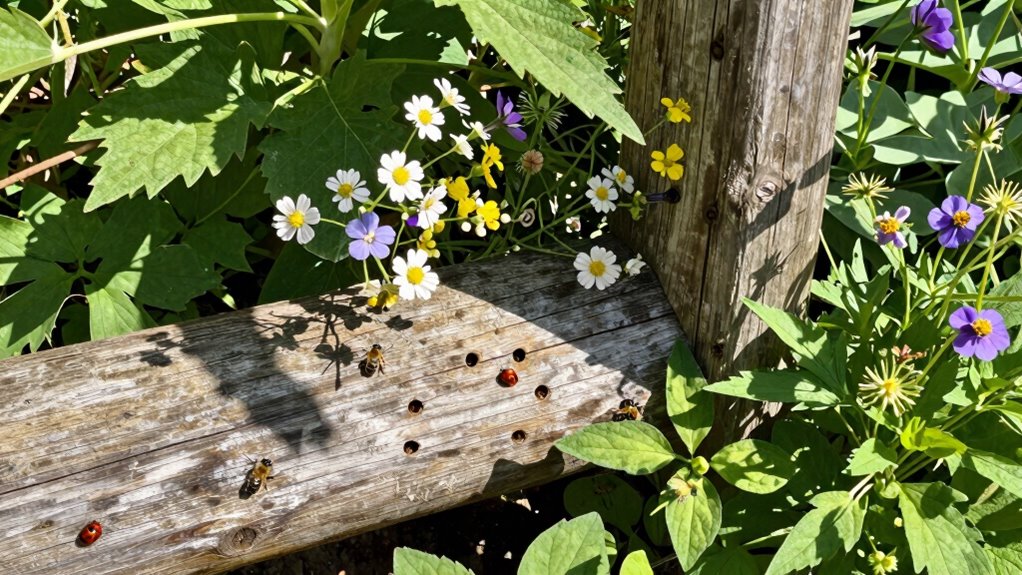
When selecting plants for your insect habitat, focus on native varieties that thrive locally and support local pollinators. Incorporate shelter structures like logs or brush piles to provide hiding spots and breeding sites. Aim for a mix of blooming plants that flower at different times to keep insects nourished throughout the season. Additionally, choosing appropriate plant species that require minimal maintenance can help sustain your habitat over time. Incorporating native plant varieties can further enhance the habitat’s resilience and effectiveness in supporting beneficial insects. Using sustainable fabrics and eco-friendly materials in your habitat structures can also reduce environmental impact and promote a healthier ecosystem. Selecting plants with low water requirements can further improve the sustainability of your habitat by reducing resource consumption. Paying attention to visual contrast and texture can make your habitat more appealing and functional for beneficial insects.
Selecting Native Plant Varieties
Choosing the right native plants is essential for creating an effective insect habitat. Native pollinators thrive on plants adapted to your region, boosting habitat biodiversity and supporting beneficial insects. To select ideal varieties, consider these factors:
- Choose plants that bloom at different times to provide continuous nectar sources.
- Incorporate native flowering plants that attract native pollinators.
- Prioritize plants suited to your soil and climate for better survival.
- Mix plant types, including grasses and herbs, to create diverse foraging options.
- Incorporate sustainability practices into your planting choices to ensure long-term habitat health.
Incorporating Shelter Structures
Incorporating shelter structures into your insect habitat enhances protection and encourages diverse species to settle in your garden. These structures create safe spots for pollinators and beneficial insects, helping them avoid habitat fragmentation and predators. Consider adding bee hotels, brush piles, and rock piles to provide nesting and overwintering sites. Creating pollinator pathways with native flowering plants helps insects travel safely between shelter areas and foraging zones. By strategically placing these structures near plant beds, you foster a seamless network that supports insect movement and survival. Keep in mind that variety matters—different insects prefer different shelter types, so mix natural materials and structures to attract a broad spectrum of beneficial species. This approach strengthens your habitat’s resilience and longevity.
Ensuring Continuous Blooming
To keep your insect habitat thriving, ensuring continuous blooming requires selecting the right plants and structures that provide nectar and pollen throughout the growing season. This supports beneficial insects, aiding pest control and crop pollination.
Consider these strategies:
- Plant a variety of native, flowering plants that bloom at different times to guarantee year-round food sources.
- Incorporate flowering shrubs and perennials to extend bloom periods and attract diverse beneficial insects.
- Use structures like bee hotels and trellises to support pollinators and provide shelter.
- Avoid pesticides during blooming periods to protect insects, enhancing their role in pest control and crop pollination.
Choosing the right plants and structures keeps helpers alive longer and your garden productive.
How to Build Your Beneficial Insect Habitat Step-by-Step

Creating a beneficial insect habitat starts with selecting the right location and materials. Choose a spot that’s sheltered from strong winds and receives ample sunlight, ideally near existing pollinator corridors. Gather natural materials like logs, hollow stems, and rocks to provide shelter for beneficial insects. Plant a variety of native flowering plants that bloom at different times to ensure continuous nectar sources. Incorporate diverse habitats to attract pollinators and support pest control naturally. Build small piles of leaves or straw for overwintering insects. Place these elements strategically, avoiding pesticide use nearby. This step-by-step approach creates an inviting environment that sustains beneficial insects, enhances pollination, and naturally manages pests without chemicals. Your habitat will become a thriving hub for helpful bugs that support your garden’s health.
How to Maintain and Improve Your Insect Habitat Over Time
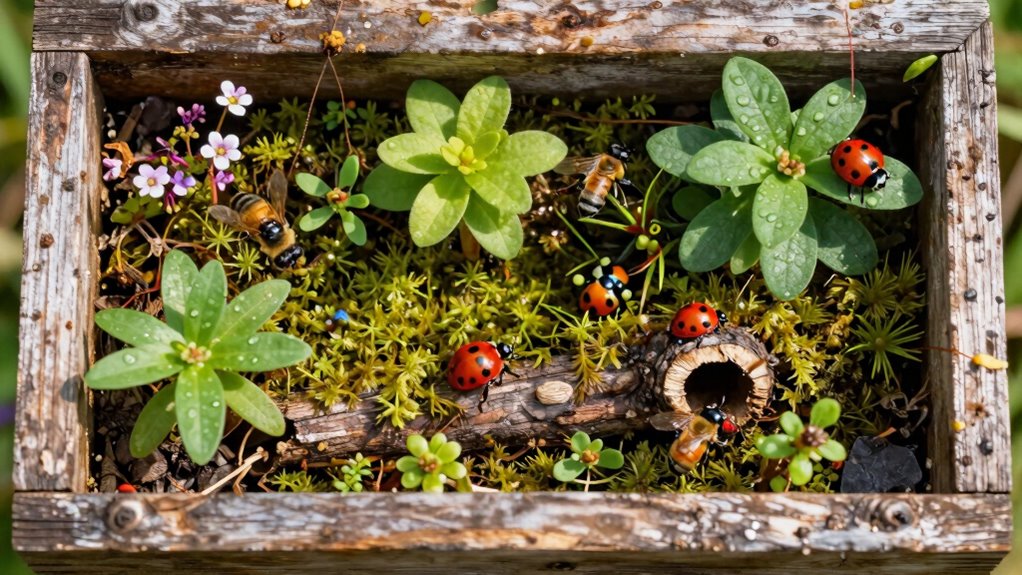
Maintaining and improving your insect habitat requires regular attention to guarantee it continues to support beneficial bugs effectively. Over time, natural changes can reduce its effectiveness for pest control and pollination enhancement. To keep it thriving:
- Regularly remove debris and dead plant matter to prevent disease and pests.
- Replace or supplement plants that attract pollinators, ensuring continuous bloom and activity.
- Monitor for pests or signs of habitat degradation and address issues promptly.
- Rotate or diversify plant species to sustain biodiversity and support a variety of beneficial insects.
Consistent upkeep encourages beneficial bugs to stay longer, enhancing natural pest control and pollination. A well-maintained habitat becomes a reliable ally in your garden’s health and productivity over time.
Common Mistakes to Avoid When Creating Insect-Friendly Spaces
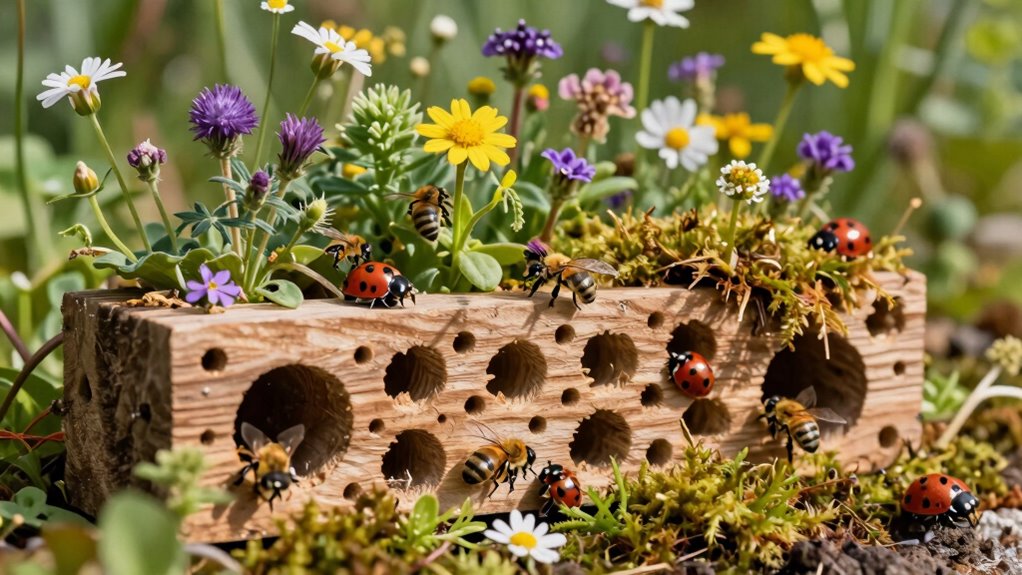
One common mistake is choosing the wrong plants or placing them in unsuitable locations, which can discourage beneficial insects from settling in your space. Selecting plants that don’t provide nectar or pollen or placing them where harsh conditions prevail can make your habitat unattractive. Additionally, using pesticides defeats the purpose of creating an insect-friendly environment. Pesticide avoidance is vital because chemicals can harm helpful bugs and reduce their populations. Avoid spraying pesticides or herbicides near your habitat, and opt for organic or natural pest control methods instead. Misplacing plants or ignoring their needs can lead to low insect diversity and fewer helpers in your garden or farm. Focus on plant selection and placement, and prioritize pesticide avoidance to ensure your beneficial insect habitat thrives naturally.
How a Beneficial Insect Habitat Can Transform Your Garden or Farm
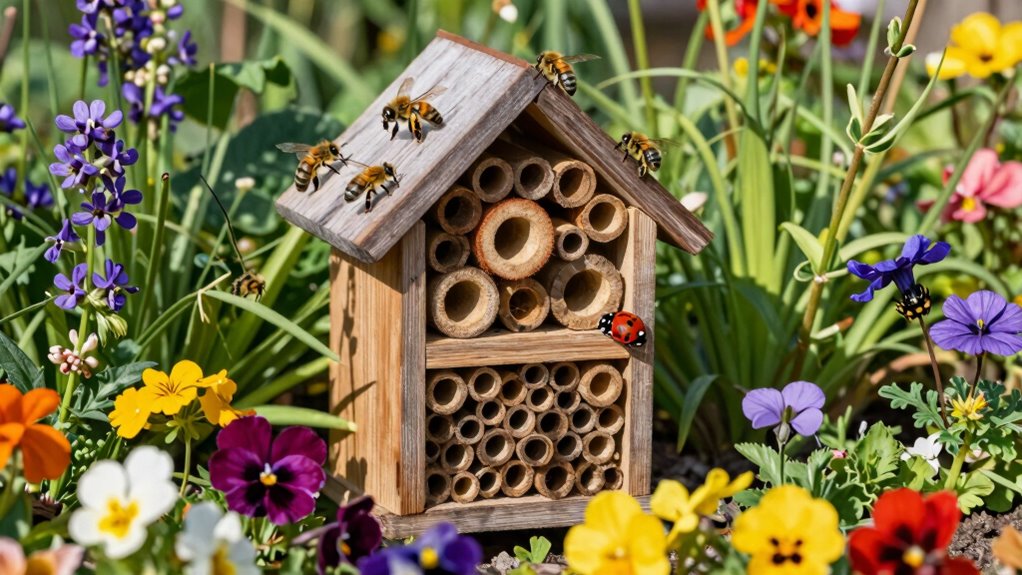
By avoiding common mistakes like using harmful pesticides and selecting unsuitable plants, you set the stage for a thriving insect habitat. A well-designed habitat can dramatically transform your garden or farm by naturally managing pests and boosting pollination. When beneficial insects flourish, pest control becomes more effective without chemicals. Plus, pollination enhancement leads to higher yields and healthier plants. To maximize these benefits, consider:
Creating a beneficial insect habitat boosts pollination, natural pest control, and healthy plant growth.
- Planting native flowers that attract beneficial insects
- Providing shelter with logs or brush piles
- Avoiding broad-spectrum pesticides that harm helpers
- Incorporating diverse plant species for year-round support
Implementing these elements encourages beneficial insect populations, transforming your space into a sustainable, productive environment that reduces your need for chemical interventions.
Frequently Asked Questions
Which Beneficial Insects Are Most Effective for Pest Control?
You should focus on beneficial insects like ladybugs, lacewings, and parasitic wasps, as they’re highly effective for pest control. Promoting pollinator diversity through thoughtful habitat design helps attract these helpers, ensuring they thrive longer and do their job better. Providing diverse plants and safe spaces encourages a healthy population, so you get natural pest management while supporting pollinator health.
Can Beneficial Insect Habitats Be Used Indoors?
Yes, beneficial insect habitats can be used indoors, but you need to focus on proper indoor plant care and habitat maintenance. Place the habitats near your indoor plants where beneficial insects can find pests and thrive. Keep the habitat clean, guarantee proper humidity, and provide food sources like nectar or pollen if needed. Regularly check and maintain the habitat to keep your beneficial insects alive and effective for indoor pest control.
How Do Seasonal Changes Affect Insect Habitat Success?
Seasonal changes considerably influence your insect habitat success. You should plan for seasonal migration, as beneficial insects move to warmer or more suitable areas during colder months. Regular habitat maintenance helps sustain a healthy population year-round, ensuring they have food and shelter during changing seasons. By adjusting your habitat to match seasonal patterns, you support beneficial insects’ survival and maintain their helpful roles in your garden or farm.
Are There Any Safety Concerns With Attracting Beneficial Insects?
Attracting beneficial insects is generally safe, but be aware of pesticide interactions, which can harm these helpful creatures. Avoid using chemicals near your habitat, and monitor for accidental predator risks, such as spiders or other insects that may prey on your helpers. By minimizing chemical use and keeping an eye out for predators, you guarantee a healthy environment that supports beneficial insects and promotes a thriving ecosystem.
How Long Does It Typically Take to See Results?
You can usually see results within a few weeks to a couple of months, depending on your plant diversity and habitat maintenance efforts. As you diversify your plants and maintain the habitat, beneficial insects will be attracted and start controlling pests. Consistent habitat upkeep encourages a thriving ecosystem, so keep patience and continue your efforts. Over time, you’ll notice healthier plants and fewer pest problems.
Conclusion
By creating a thriving beneficial insect habitat, you’re not just helping tiny helpers; you’re transforming your garden into a resilient, thriving ecosystem. Imagine a local farmer who built insect-friendly spaces, leading to fewer pests and healthier crops—all thanks to a simple habitat. Your efforts can make a real difference, ensuring these essential helpers stay longer and do their job better. Start today, and watch your garden flourish with the power of nature’s allies.