To make your basil explode with leaves, stop babying it by using the pinch method. Gently pinch just above a leaf node every 1-2 weeks, especially before flowering or once it reaches 6-8 inches tall. This encourages side branches, bushier growth, and more foliage. Avoid over-pruning or tearing the stems. Want to know the exact steps and common mistakes? Keep going to discover how to master this simple but powerful technique.
Key Takeaways
- Regularly pinch basil above leaf nodes to stimulate lateral growth and create a bushier, more abundant plant.
- Perform pinching before flowering, ideally every 1-2 weeks during active growth phases.
- Use clean scissors or fingers to make precise cuts, avoiding over-pruning or damaging stems.
- Focus on encouraging side shoots by pinching just above healthy leaf pairs for maximum leaf explosion.
- Combine pinching with proper watering, sunlight, and pest control for optimal leafy growth and plant resilience.

Fiskars 6" Pruning Scissors for Flower Stems, Herbs, Buds, and Small Plants, Garden Snips with Stainless Steel Blades, Gardening Trimmers with Comfortable Handle
GARDENING ESSENTIAL: With these stainless steel blade gardening shears, pruning tasks like cutting flower stems or maintaining your…
As an affiliate, we earn on qualifying purchases.
As an affiliate, we earn on qualifying purchases.
Struggling With Leggy Basil? Here’s How to Fix It

If your basil plant is becoming leggy, it’s a sign that it’s stretching for light and not getting enough sunlight. To fix this, use proper pruning techniques to cut back the elongated stems, encouraging bushier growth. Focus on trimming just above a leaf node to stimulate new branches. Regular pruning also helps prevent pests by removing overcrowded, shaded areas where insects can hide. Ensuring your basil receives enough sunlight will naturally reduce leggy growth, but pruning is essential to maintain a healthy shape. Additionally, understanding plant health fundamentals can help you better diagnose and address issues like legginess early on. Recognizing how light requirements influence growth is crucial for preventing future problems and maintaining a healthy basil plant, as well as understanding the importance of photosynthesis in overall plant vitality. Proper light levels also aid in boosting plant resilience, making your basil less susceptible to stress and pest attacks. Paying attention to plant nutrition can further support healthy, compact growth and prevent legginess over time.

5‑Piece Garden Pruning Shears Set with Gloves & Storage Bag – Stainless Steel Trimming Scissors for Flowers, Herbs & Small Branches – Ergonomic Gardening Tools Kit (Multi-color)
1. 🌿【All-in-One Garden Tool Set】 Includes 4 precision pruning shears, 1 U-shaped cutter, a pair of gloves, and…
As an affiliate, we earn on qualifying purchases.
As an affiliate, we earn on qualifying purchases.
Why Pinching Basil Promotes Bushier, Healthier Growth
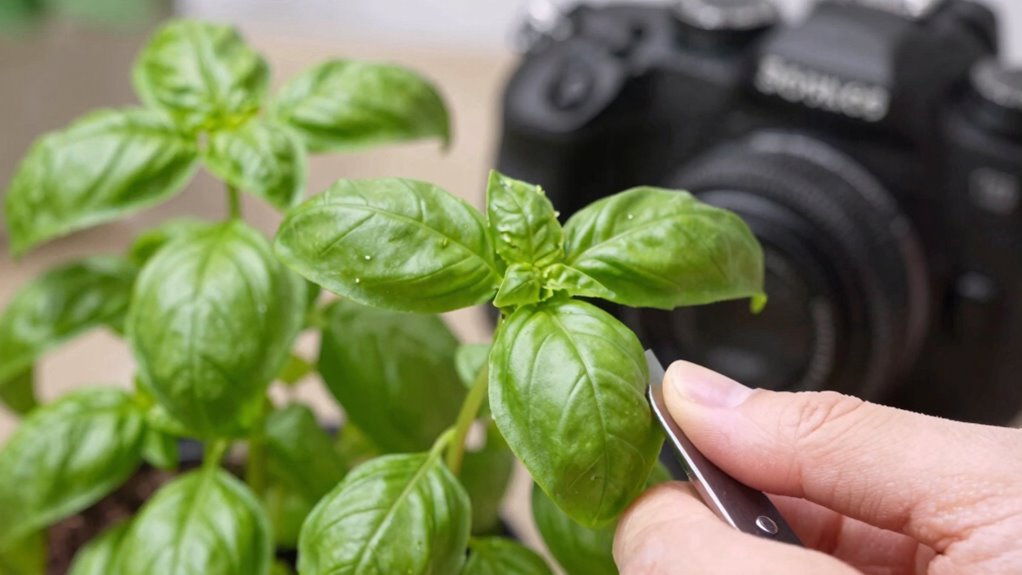
When you pinch basil, you encourage it to produce more side branches, which leads to a fuller plant. This simple step also stimulates the growth of dense foliage, making your basil bushier. As a result, your plant becomes healthier and more productive. Additionally, incorporating the pinching technique can help prevent the plant from becoming too leggy or sparse. Proper plant care ensures consistent growth and vibrant leaves throughout the season, much like managing cloud infrastructure ensures operational resilience and compliance in a digital environment. Regular pruning also helps maintain the overall aesthetic appeal of your herb garden, creating a more inviting and functional space. Understanding the why behind plant growth can help you develop a more effective and mindful approach to your gardening practices.
Encourages Side Branches
Pinching basil encourages the plant to develop more side branches, resulting in a fuller, bushier growth habit. By using simple pruning techniques, you stimulate the plant to focus energy on lateral growth rather than just the main stem. This process effectively trains the plant to expand outward, creating a denser canopy of leaves. When you pinch the top of the basil, you signal the plant to produce new shoots from the nodes below, enhancing overall fullness. Regular pinching is a key part of plant training, guiding your basil to grow in a controlled, healthy shape. This method not only promotes more branches but also improves airflow and light penetration, making your basil more vigorous and productive. Implementing these techniques can also lead to better plant health and increased yield over time. Additionally, using innovative planters designed for optimal growth can support your basil’s development and make maintenance easier. Proper pruning techniques can also help prevent issues like disease and encourage stronger, more resilient plants.
Promotes Dense Foliage
Ever wonder why pinching basil leads to denser, healthier foliage? It all comes down to pruning techniques that encourage your plant to grow fuller. When you pinch the top of a basil stem, you’re signaling the plant to focus on lateral growth, resulting in more branches and leaves. This process stimulates the plant’s natural growth hormones, promoting bushier development. Additionally, regular pinching improves plant nutrition by increasing leaf surface area, allowing the basil to photosynthesize more efficiently. As a result, your basil becomes denser and more vigorous. Proper growth stimulation techniques can further enhance your basil’s overall health and productivity. Consistent pruning also helps manage the plant’s energy distribution, ensuring sustained healthy development over time.

12 Pack Plant Support Stake,Half Round Plant Support Ring with 20 Pcs Clips,Plastic Plant Cage Plant Cage Holder for Small Plant Flower Vegetable,Indoor Leafy Plants(green,Size:9.45 x 5.51inch)
【PROTEC TE PLATNT】The green plant supports can effectively guide the plant rhizomes to grow straight, preven t the…
As an affiliate, we earn on qualifying purchases.
As an affiliate, we earn on qualifying purchases.
When and How Often Should You Pinch Basil?

You might wonder how often you should pinch basil to keep it healthy and productive. The key is to time your pinches around harvesting timing—preferably just before the plant flowers or when it reaches about 6-8 inches tall. Regular pruning frequency is essential; aim to pinch every 1-2 weeks during active growth. This prevents the plant from becoming leggy and encourages bushier, more vigorous foliage. Don’t wait too long between pinches, as overgrown basil can become woody and less flavorful. Consistent pruning also stimulates new growth, ensuring a steady supply of fresh leaves. Monitoring your basil’s growth rate and adjusting your pruning schedule accordingly is part of maintaining optimal plant health and vigor. Implementing a simple pruning routine can significantly improve your basil’s overall growth performance and yield. Establishing a regular care routine can help your basil stay healthy and productive throughout the season. Maintaining a simple, effective system will help your basil thrive and produce abundant, flavorful leaves.
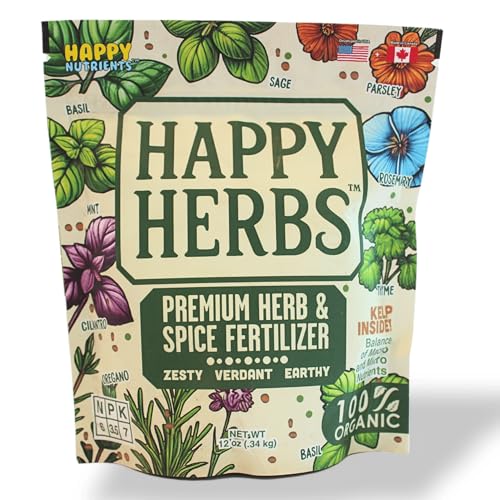
Fertilizer for Herbs Happy Herb Organic Fertilizer by Happy Nutrients – Plant Food for Basil, Mint, Cilantro, Rosemary, Thyme & More – Macro & Micro Nutrients for Home Gardens – 12 oz (0.34 kg)
Fertilizer for herbs designed to nourish basil, mint, parsley, cilantro, thyme, rosemary, oregano, chives, dill, sage, and lavender,…
As an affiliate, we earn on qualifying purchases.
As an affiliate, we earn on qualifying purchases.
How to Properly Pinch Basil in Simple Steps
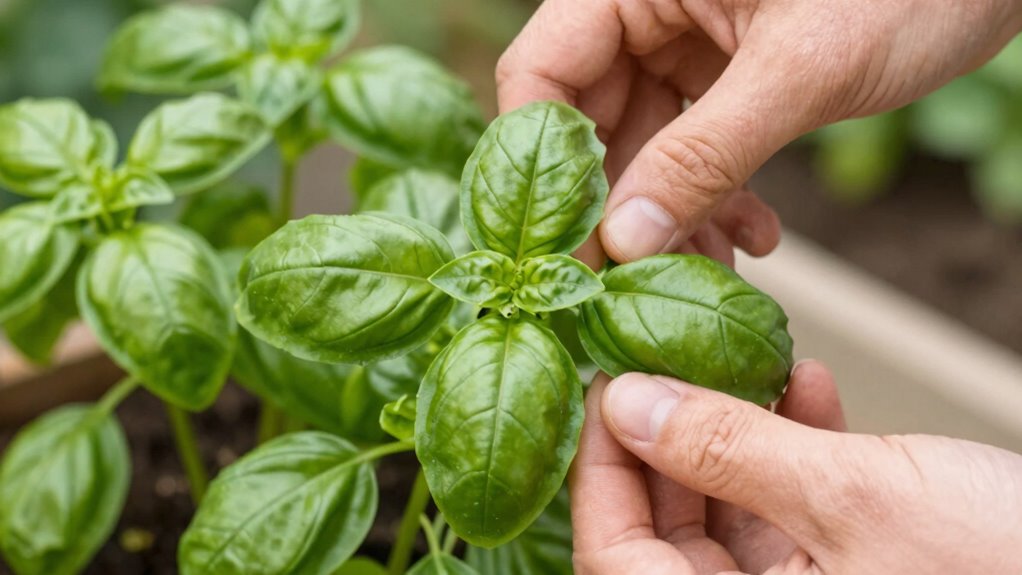
To pinch basil properly, first identify the right spot just above a set of leaves or a node. Use your thumb and forefinger to gently grasp the stem at that point. Then, apply steady pressure and pinch off the new growth without tearing the plant. This technique encourages healthy plant growth and prevents damage to the basil. Proper pinching also helps maintain the plant’s free floating balance, promoting fuller, more abundant foliage. Incorporating sustainable gardening practices can enhance the overall health and yield of your basil plants. Additionally, understanding plant developmental stages ensures you pinch at the optimal time for vigorous growth, supporting plant resilience and long-term productivity.
Identifying the Pinch Spot
How can you confidently locate the perfect spot to pinch basil? First, look for the junction where two sets of leaves meet on the stem—the node. This is your target for leaf removal. Use pruning scissors for a clean cut, making sure to identify the topmost set of leaves that shows healthy growth. Avoid pinching too high or too low; focus on just above a leaf set to encourage bushier growth. The pinch spot is usually just above a pair of leaves, where new shoots will sprout. Proper identification ensures you don’t damage the plant and promotes healthy, vigorous growth. With practice, you’ll instinctively spot the right spot for leaf removal, setting your basil up for maximum leaf explosion.
Applying Correct Technique
Mastering the proper pinching technique guarantees your basil plants stay healthy and bushy. To apply the correct technique, use your thumb and forefinger to pinch just above a leaf node, where new growth emerges. This pruning technique encourages side shoots, creating a fuller plant. Keep your movements clean and precise, avoiding tearing or damaging the stem. Regularly maintain your plant by removing top growth at the right spot, which promotes healthy plant maintenance. Be gentle but firm, ensuring you don’t remove too much at once, as over-pruning can stress the plant. Remember, the goal is to stimulate growth without harming the basil. With consistent practice, you’ll develop a natural rhythm, making your pruning techniques effective and your basil thriving.
Common Mistakes to Avoid When Pinching Basil

One common mistake when pinching basil is removing too much of the plant at once, which can stress it and slow growth. To avoid this, use proper harvesting techniques, pinching only above a set of leaves to promote bushier growth. Over-pinning can weaken the plant and make it susceptible to pests. Remember, consistent and gentle pinching encourages healthy development and pest prevention.
| Mistake | Solution |
|---|---|
| Removing too much at once | Pinch in small sections, not all leaves at once |
| Ignoring plant response | Watch for stress signs, adjust pinching |
| Neglecting pest prevention | Regularly check for pests after pinching |
| Improper harvesting techniques | Use clean tools and proper pinching points |
Benefits of Pinching: More Leaves and Better Plants

Pinching basil encourages it to produce more leaves by stimulating new growth from the plant’s nodes. This simple pruning technique helps you create a bushier, fuller plant with increased foliage. When you pinch the top, you’re directing the plant’s energy toward developing lateral branches, resulting in more leaves and a healthier appearance. Regular pinching also improves plant nutrition, as it promotes better airflow and reduces the risk of diseases. With consistent pruning techniques, your basil stays vigorous and productive throughout the season. The increased leaf production enhances flavor and yield, making your herb more useful in the kitchen. Overall, pinching not only boosts the plant’s growth but also ensures it’s better nourished and more resilient.
Troubleshooting Basil: What to Do If It’s Not Responding

If your basil isn’t responding as expected to pinching, it might be facing underlying issues that hinder growth. First, check your basil watering habits—overwatering or underwatering can stress the plant and stunt its response. Make certain you’re watering consistently, keeping the soil moist but not soggy. Next, inspect for pests; tiny insects or eggs can sap energy from your basil, preventing healthy growth. Use pest control methods like neem oil or manual removal to keep pests at bay. Finally, environmental factors matter: make sure your basil gets enough sunlight and isn’t exposed to drafts or extreme temperatures. Addressing these issues will help your basil respond better to pinching and promote lush, vigorous growth.
Extra Tips to Keep Your Basil Healthy and Growing Strong

To keep your basil healthy and growing strong, focus on providing consistent care and ideal growing conditions. Regular pest prevention is vital; inspect your basil often for aphids or spider mites, and remove them promptly with gentle sprays or natural repellents. Maintaining soil nutrition is equally important—use organic compost or balanced fertilizer to guarantee your basil gets essential nutrients. Proper watering also supports healthy growth, but avoid overwatering, which can cause root rot. Ensure your basil is planted in well-draining soil and receives plenty of sunlight. By paying attention to pest prevention and soil nutrition, you help your basil stay vigorous and productive, leading to lush, flavorful leaves. Consistency and proactive care make all the difference in your basil’s health.
Frequently Asked Questions
Can Over-Pinning Damage My Basil Plant Permanently?
Yes, over-pinning can cause permanent damage to your basil plant. When you pinch too much, you stress the plant, which may lead to growth suppression or even dieback if it doesn’t recover. To avoid this, pinch only when necessary and focus on healthy growth points. Proper pinching encourages bushier growth without overwhelming the plant, helping it stay healthy and productive long-term.
Is There a Specific Time of Day Best for Pinching Basil?
The best time of day for pinching basil is in the morning or early afternoon, as this is when the plant’s energy levels are highest, promoting ideal pruning. During these times, you can effectively encourage bushier growth without stressing the plant. Avoid late afternoon or evening pinching, since cooler temperatures and reduced sunlight can slow healing. Consistently pinching during these optimal periods keeps your basil healthy and thriving.
Does Pinching Basil Affect Its Flavor or Aroma?
Pinching basil actually enhances its flavor and aroma, making your plant more fragrant and flavorful. When you pinch, you stimulate the plant to produce more essential oils, resulting in a flavor enhancement and an aroma boost. This practice encourages bushier growth and stronger leaves, so your basil not only looks better but also tastes and smells more vibrant. Keep pinching regularly to enjoy consistently fresh, aromatic basil in your dishes.
How Do I Identify When Basil Needs Pinching?
You’ll want to pinch basil when you notice new leaf growth slowing down or the leaf color dulls, indicating it’s time to encourage bushier growth. Check the stem firmness—if stems become soft or woody, it’s a sign to pinch. Regular pinching promotes healthy, vibrant leaves and keeps your basil from becoming leggy. Trust your eye for color and firmness to maintain a lush, productive plant.
Can Pinching Be Used on Other Herbs Besides Basil?
Yes, you can use pinching on other herbs besides basil for herb pruning and plant training. Herbs like mint, thyme, oregano, and rosemary respond well to pinching, encouraging bushier growth and more leaves. Regularly pinching these herbs helps control size, prevents flowering, and promotes healthy development. Incorporate this technique into your herb care routine to keep plants productive and vibrant, making your herb garden more lush and manageable.
Conclusion
Now that you’ve learned the art of pinching, your basil is ready to burst into a lush, vibrant explosion of leaves. Think of your plant as a blank canvas — each pinch is a brushstroke shaping its future. With a gentle touch and a little patience, your basil will flourish like a thriving garden of green dreams. Embrace the process, and watch your herb grow into a leafy masterpiece worth savoring.