
Performing heater safety checks once a season is essential to prevent dangerous issues like carbon monoxide leaks, fires, and costly repairs. You should inspect components for wear, clean or replace filters, test safety devices, and guarantee proper ventilation. Checking your heater now and then keeps it running efficiently and safely all winter. Sticking to this routine can save you from disaster—continue with tips to keep your heater safe and reliable throughout the season.
Key Takeaways
- Conduct a thorough visual inspection of heater components for damage, corrosion, or debris before each season.
- Test safety devices like emergency shutoffs and carbon monoxide detectors to ensure proper function.
- Check vents, air intakes, and chimney pipes for obstructions or leaks to maintain proper airflow.
- Replace or clean filters regularly to prevent dust buildup, inefficient operation, and fire hazards.
- Schedule professional safety checks annually to identify hidden issues and maintain optimal heater performance.
Why Heater Safety Checks Are Critical Before Winter
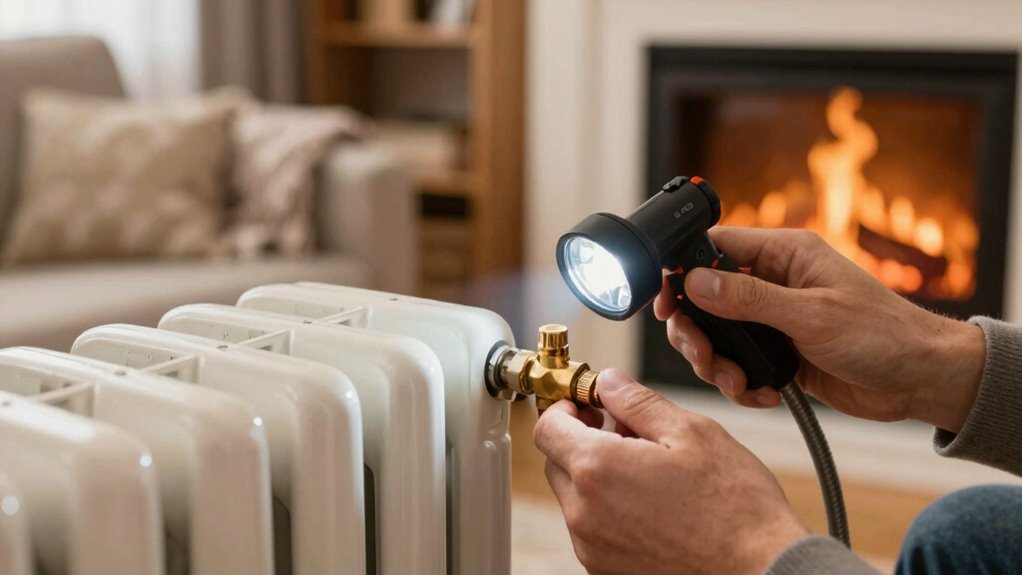
As winter approaches, it’s essential to perform safety checks on your heater to make sure it operates safely and efficiently. Regular checks help optimize fuel efficiency, saving you money on energy costs. A well-maintained heater uses fuel more effectively, reducing waste and lowering emissions. Additionally, safety inspections help prevent potential hazards like carbon monoxide leaks or fire risks, protecting your household. Poor maintenance can also impact indoor air quality, leading to dust buildup or the release of harmful gases. By inspecting your heater before winter, you ensure it runs smoothly, keeps your home warm, and maintains a healthy indoor environment. Incorporating regular calibration can further enhance your heater’s performance and safety. Skipping these checks can lead to costly repairs or dangerous situations, so taking the time now is a smart, necessary step.
How to Perform a Complete Heater Safety Inspection
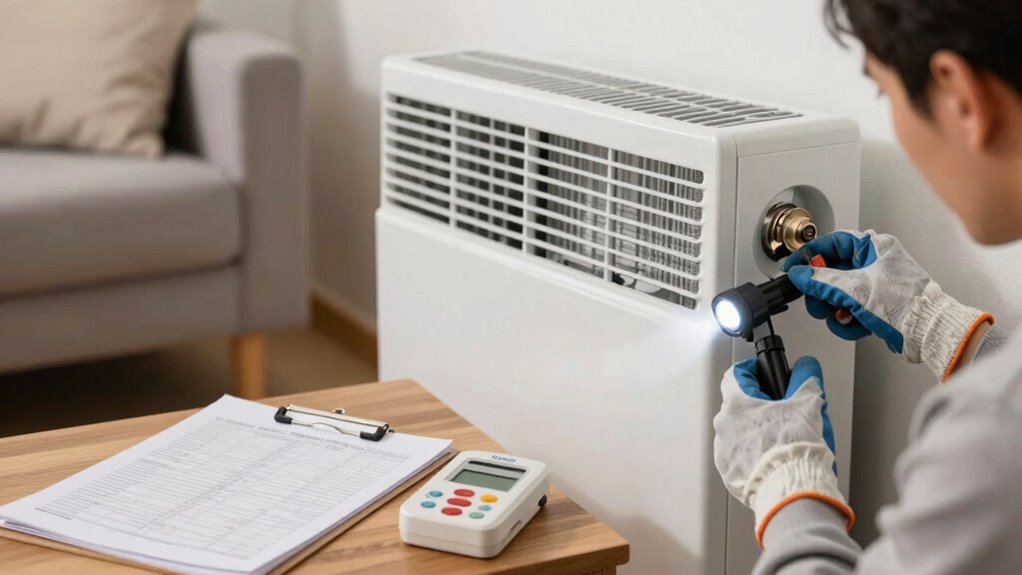
To perform a complete heater safety inspection, start with a thorough visual check for any signs of damage or corrosion. Then, test all safety devices to guarantee they function correctly, and finally, verify that the ventilation system is clear and working properly. These steps help keep your heater safe and reliable throughout the winter. Incorporating energy-efficient technologies can further enhance safety and reduce energy consumption during use.
Visual Inspection Thoroughly
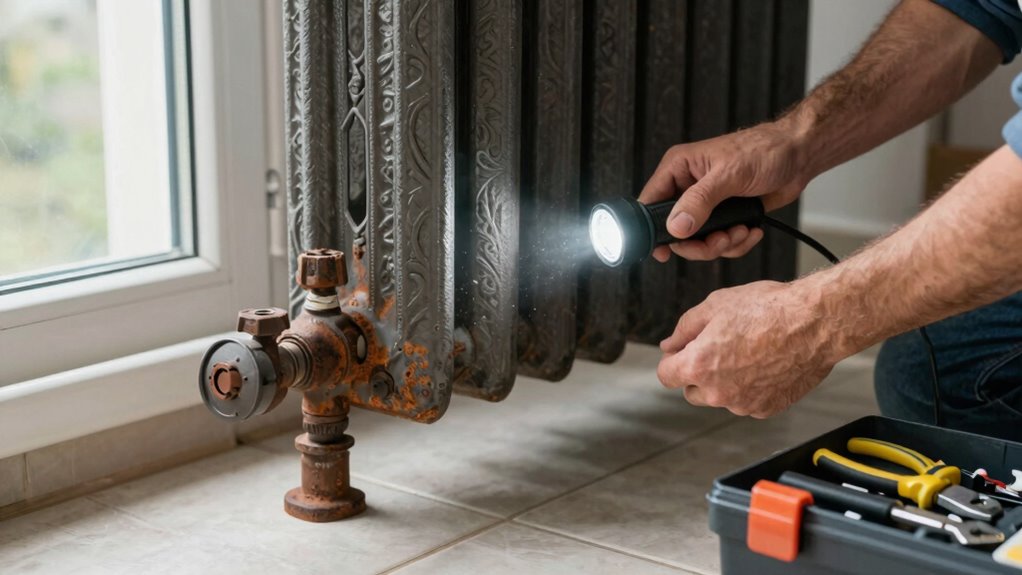
Performing a thorough visual inspection is a crucial step in ensuring your heater operates safely and efficiently. Carefully examine every component for signs of damage, corrosion, or wear. Check decorative covers to make sure they’re secure and not obstructing airflow. Look for any dust, debris, or buildup that could pose a fire hazard. Ensure vents and air intakes are clear, and that aesthetic enhancements don’t hide potential issues. Pay attention to any discoloration, cracks, or loose parts. These visual cues can prevent future malfunctions. Regularly piercing care and hygiene and monitoring your heater can help identify problems early. Remember, a simple glance can reveal problems before they escalate. Stay vigilant and proactive to keep your heater running safely throughout the season.
Test Safety Devices
Before finishing your visual inspection, it’s essential to test your heater’s safety devices to make certain they’re functioning correctly. These heater safety devices, including emergency shutoffs, are critical for preventing accidents and ensuring safe operation. To test them, locate the safety devices and activate them manually or simulate conditions that would trigger their function. For example, if your heater has an emergency shutoff, try resetting it to confirm it properly disconnects power or gas supply when needed. Ensure all safety switches respond promptly and reset easily. If any device fails to operate correctly or doesn’t reset smoothly, don’t delay; replace or repair it immediately. Proper testing of your heater safety devices guarantees they’ll protect you and your home when it matters most. Additionally, understanding the importance of safety features can help you maintain a secure environment during heater operation.
Check Ventilation Properly
Have you checked that your heater’s ventilation system is clear and functioning properly? Proper ventilation ensures safe operation and prevents dangerous buildup of carbon monoxide. Start by inspecting the vents for any airflow obstruction—leaves, dirt, or debris can block airflow and compromise safety. Routine maintenance of vents helps maintain optimal airflow and safety.
- Remove any debris and clean the vents thoroughly, ensuring nothing obstructs the airflow pathway.
- Check for signs of damage or corrosion that could impair vent function.
- Test the vent’s airflow by feeling for steady, unobstructed air movement.
Regular vent cleaning keeps your heater operating safely and efficiently. If you notice reduced airflow or suspect a blockage, address it immediately to prevent potential hazards. Proper ventilation is key to keeping your home safe during heater season.
How to Check Your Heater’s Ventilation and Carbon Monoxide Risks
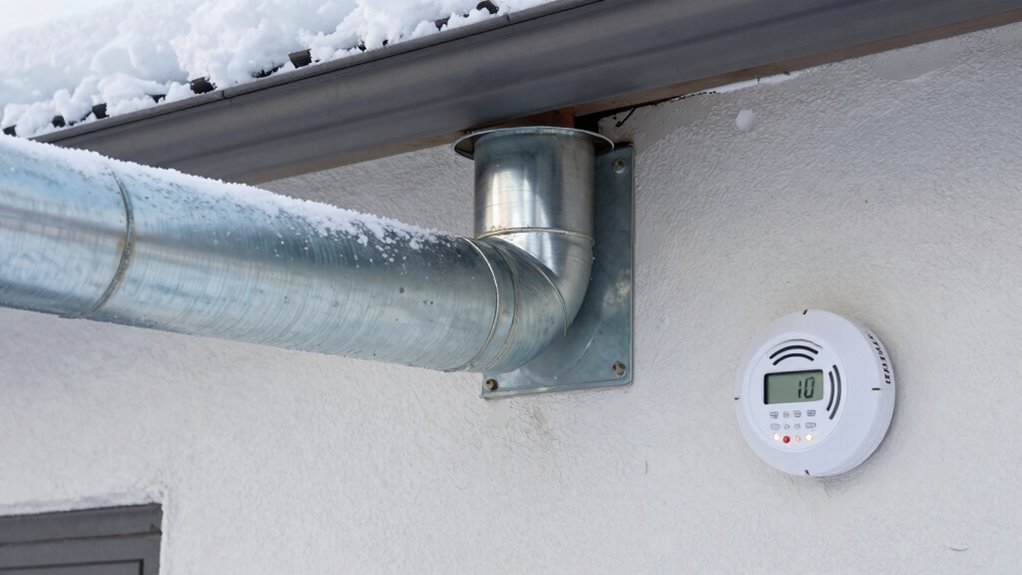
Ensuring your heater’s ventilation is working properly is essential for preventing dangerous buildup of carbon monoxide. Start by inspecting the ventilation airflow around your heater—make sure vents are clear of debris, obstructions, or dirt that could block exhaust gases. Check for proper vent connections and ensure they’re sealed tightly to prevent leaks. Regularly test your carbon monoxide detection devices to ensure they’re functioning correctly; replace batteries as needed. If your heater vents outdoors, confirm that the vent pipe isn’t damaged or clogged. Proper ventilation helps exhaust harmful gases safely outside and maintains good airflow. Additionally, understanding European safety standards can help you better assess the safety features of your heating system. By proactively checking these elements, you reduce the risk of carbon monoxide buildup, keeping your home safe and your family protected during the heating season.
Signs of Dirty Filters and Faulty Burners: And How to Fix Them
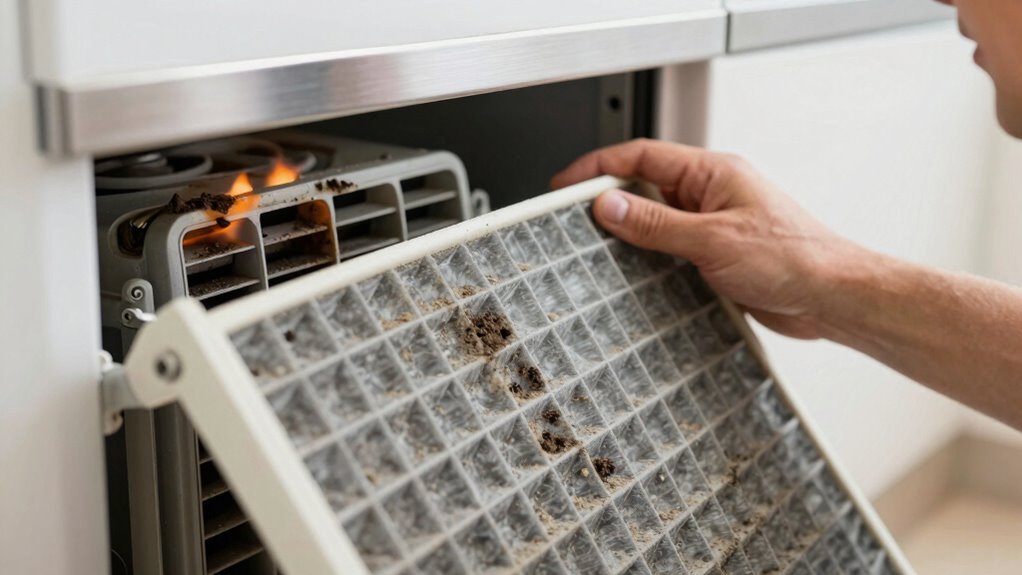
Dirty filters and faulty burners can cause your heater to perform poorly or become unsafe. If your heater runs inefficiently or produces strange smells, these are signs to check. Poor airflow may indicate air filter maintenance is needed, as clogged filters restrict air circulation. Listen for irregular noises or inconsistent flames during burner troubleshooting—these suggest burner issues. Additionally, if your heater emits uneven heat or cycles on and off frequently, it’s time to inspect both the filters and burners. Regularly cleaning or replacing filters ensures suitable airflow, while burner troubleshooting can resolve ignition or flame problems. Air filter maintenance is crucial for optimal performance. Addressing these signs promptly helps keep your heater safe, efficient, and ready when you need it most.
How to Recognize Wear, Damage, or Malfunctions in Your Heater
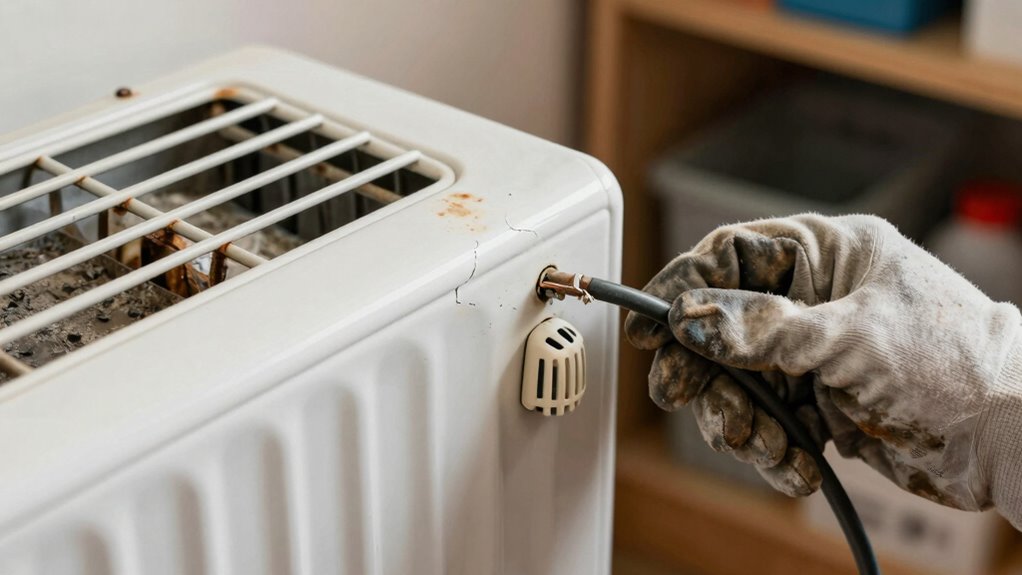
Start by inspecting your heater for any visible damage or corrosion. Listen carefully for unusual noises that could indicate a problem, and always check for gas leaks before use. Recognizing these signs early helps keep your heater safe and functioning properly. Regular outdoor kitchen maintenance can also extend the lifespan of your equipment and prevent unexpected issues.
Visual Inspection for Damage
Have you ever wondered how to spot problems early before they become dangerous? A visual inspection is your first line of defense. Start by examining the heater casing for cracks, rust, or any signs of corrosion. Next, check the electrical wiring for frays, scorch marks, or loose connections, as damaged wiring can lead to shorts or fires. Also, look at internal components for warping or debris buildup that could impair performance. Be attentive to discoloration or melting near the wiring or casing, which indicates overheating. Regularly inspecting these areas helps you catch issues before they escalate. Remember, a simple, careful look can prevent costly repairs and ensure your heater operates safely all season long.
Listen for Unusual Noises
Ever wonder what unusual sounds from your heater might mean? During your routine noise inspection, pay close attention to any strange noises. Clanking or banging could indicate loose parts or wear, while squealing or high-pitched noises often signal belt issues or motor problems. Rattling sounds might mean debris or damaged components inside the unit. Sound detection is key to catching early signs of malfunction before they escalate. If you notice unfamiliar or persistent noises, don’t ignore them—these are clues that something isn’t right. Regularly listening for these sounds helps you identify potential issues early, ensuring your heater operates safely and efficiently. Understanding heater components and how they work can help you better recognize when something is amiss. Trust your ears as part of your seasonal safety check to prevent possible disasters and keep your home warm and secure.
Check for Gas Leaks
How can you tell if your heater is leaking gas? The most obvious sign is a strong gas odor around the unit or nearby vents. If you notice this smell, it’s essential to act immediately. Leak detection isn’t always obvious, so check carefully for these signs:
- Faint or strong gas odor near the heater or vents
- Hissing sounds indicating a gas leak
- Damage or corrosion on gas lines or connections
Always prioritize safety. If you suspect a leak, turn off the heater and ventilate the area. Do not attempt to fix the issue yourself; call a professional to inspect and repair. Regular leak detection checks help prevent dangerous situations and keep your home safe.
How to Test Your Thermostat and Carbon Monoxide Detectors
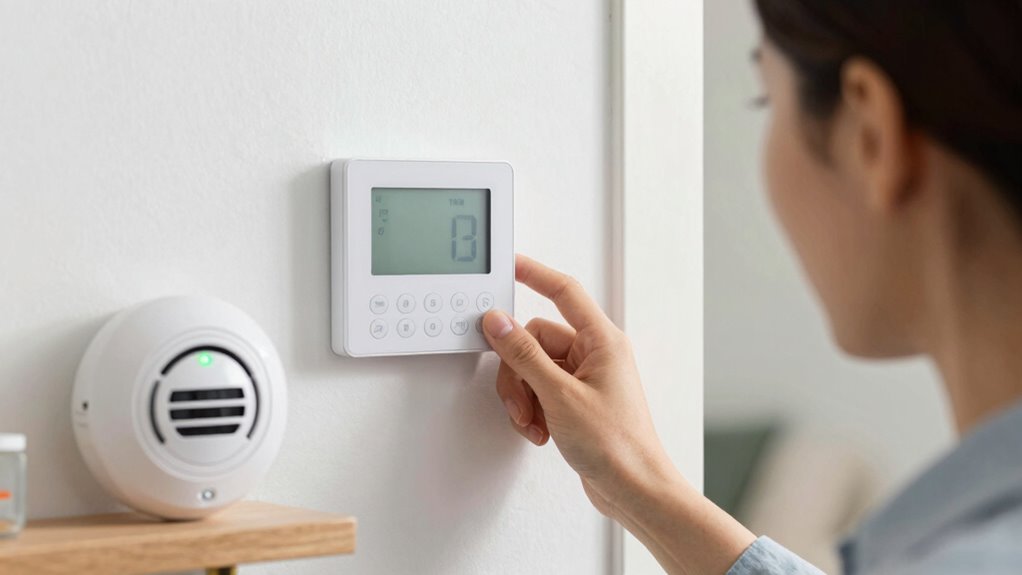
Testing your thermostat and carbon monoxide detectors is a straightforward but crucial step in ensuring your heater’s safety. For smart thermostats, simply adjust the temperature setting to verify it responds and turns the heater on or off as expected. Some models have a test button—press it to confirm the device is functioning correctly. For carbon monoxide detectors, press the test button and listen for the alarm. If it doesn’t sound, replace the batteries or the unit itself. Regular testing guarantees these safety devices work when needed most. Remember, smart thermostats help regulate temperature efficiently, while carbon monoxide detectors provide essential alerts against dangerous leaks. Performing these tests once a season keeps your home safe and your heater operating reliably. Additionally, understanding the Gold IRA Markets can help you make informed decisions about your investments and safeguard your financial future.
When to Call a Professional for Heater Repairs and Safety Checks
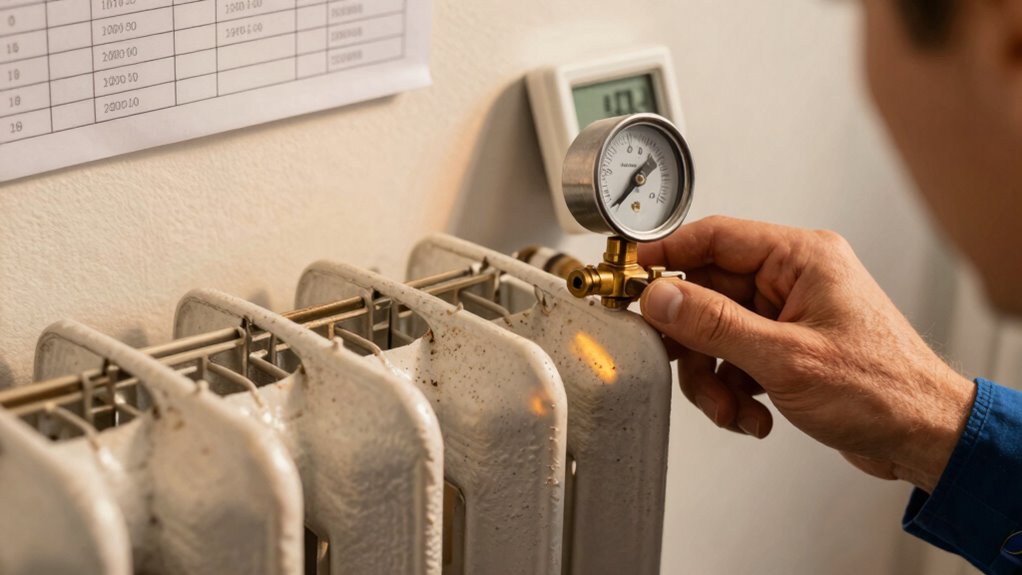
Knowing when to call a professional for heater repairs and safety checks is essential to prevent costly damage and guarantee your home stays safe. If you notice persistent odd smells, uneven heating, or increased dust and allergies, it’s time to seek expert help. Professionals can assess indoor air quality, ensuring your heater isn’t spreading pollutants. They can also identify issues from improper heater installation that could pose safety risks.
Call a professional if you notice strange smells, uneven heating, or increased dust to ensure safety and efficiency.
You should call a pro if:
- Your heater makes strange noises or emits unusual smells
- Your energy bills spike unexpectedly
- You haven’t had a safety check in over a year
Addressing these signs early keeps your heater running efficiently and maintains a healthy indoor environment. Don’t delay if safety or indoor air quality concerns arise.
Creating Your Seasonal Heater Maintenance Checklist
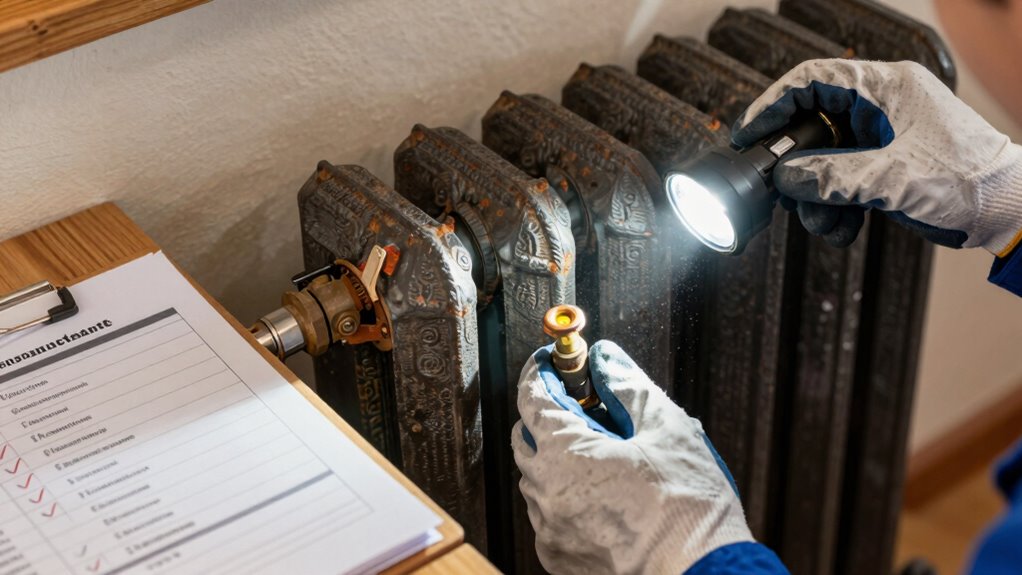
Creating a seasonal heater maintenance checklist is a smart way to guarantee your system operates safely and efficiently throughout the year. Start by identifying your heater’s fuel type—whether it’s gas, electric, or oil—since each requires specific checks. Regularly inspect filters, vents, and pilot lights to prevent buildup or blockages that could compromise safety or performance. Consider your heater’s lifespan; if it’s nearing the end, maintenance becomes even more critical to extend its usability and prevent costly failures. Include tasks like cleaning components, checking for corrosion, and testing safety controls. By establishing this routine, you ensure your heater remains reliable, safe, and efficient, avoiding unexpected breakdowns and prolonging its service life.
Top Tips for Safe Heater Use Throughout Winter
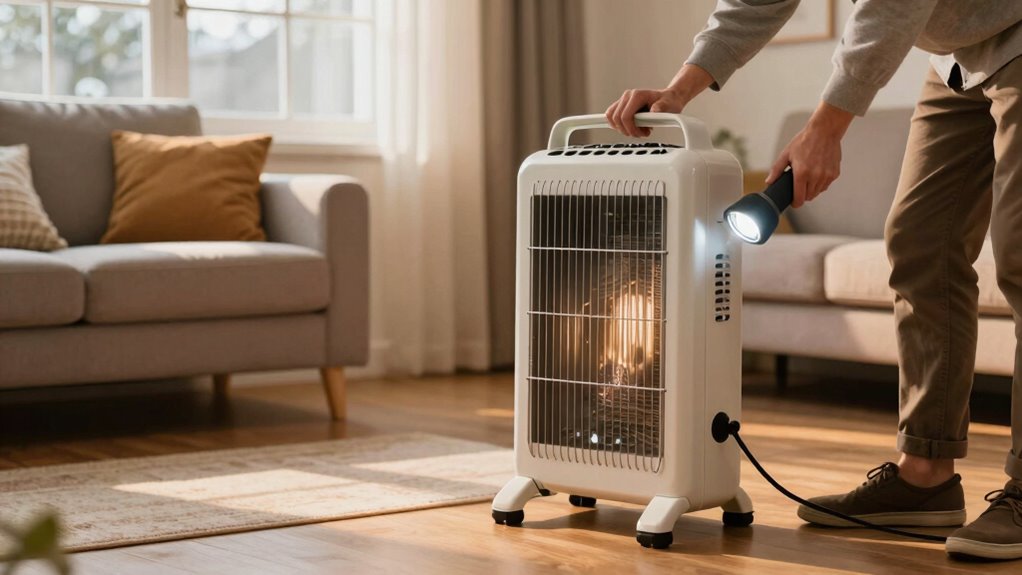
To make certain your heater operates safely all winter long, it’s essential to follow some key precautions. Proper heater safety ensures you stay warm without risking fires or carbon monoxide poisoning. Practice good winter preparedness by regularly inspecting your heater and keeping it clear of clutter. Always use your heater in well-ventilated areas and keep combustible materials at least three feet away. Never leave the heater unattended while it’s on, especially overnight.
- Install smoke and carbon monoxide detectors near your heater
- Keep vents and filters clean for peak performance
- Turn off your heater when leaving the house or sleeping
Following these tips helps maintain heater safety and prevents potential hazards, so you can enjoy a safe, warm winter.
Frequently Asked Questions
How Often Should I Replace My Heater’s Filters for Optimal Safety?
You should replace your heater’s filters every 1 to 3 months for maximum safety. Regular filter maintenance ensures your system runs efficiently and reduces fire hazards. Follow a consistent replacement schedule, especially during peak usage seasons, to prevent dust buildup and improve indoor air quality. Keep an eye on the filter’s condition, and don’t wait too long—timely replacements help avoid system strain and potential safety issues.
Can a DIY Heater Repair Void My Warranty?
Yes, doing DIY heater repairs can void your warranty if you don’t follow the manufacturer’s guidelines. Many warranties specify that only certified technicians should perform repairs, so DIY risks include accidentally damaging parts or misdiagnosing issues. To avoid warranty concerns, always read your warranty terms carefully and consider professional help for repairs. This guarantees your warranty stays valid and your heater operates safely and efficiently.
What Are Common Causes of Heater Carbon Monoxide Leaks?
You should watch out for common causes of heater carbon monoxide leaks, like ventilation hazards and fuel line corrosion. Poor ventilation can trap dangerous gases, while corroded fuel lines may leak fumes into your home. Regular safety checks help identify these issues early, preventing leaks that could pose health risks. Ensuring proper ventilation and inspecting fuel lines during seasonal heater safety checks keeps your home safe and free from CO hazards.
How Long Does a Typical Heater Safety Check Take?
A typical heater safety check takes about 30 minutes to an hour, depending on the heater’s age and complexity. You should schedule safety inspection intervals annually to guarantee your heater remains in good condition and prolongs its lifespan. During this check, a professional inspects for leaks, carbon monoxide risks, and proper operation, helping prevent dangerous issues and extending your heater’s reliable performance all season long.
Are There Specific Signs of Electrical Issues in Heaters?
Think of your heater like a trusted friend—if they start acting strangely, you notice. Signs of electrical issues include flickering or dimming lights, strange buzzing sounds, or persistent tripping of circuit breakers. Electrical malfunctions often stem from wiring problems or worn-out components. If you spot these signs, don’t overlook them; address the issues promptly to prevent potential fire hazards and ensure your heater runs safely all season long.
Conclusion
Regular heater safety checks can prevent over 50,000 home fires each year. By performing these simple inspections each season, you’re protecting your loved ones and saving money on costly repairs. Don’t wait until a problem arises—stay proactive and keep your heater running safely all winter long. Remember, a quick safety check today could save your home from disaster tomorrow. Stay vigilant, and enjoy a warm, worry-free season.