TL;DR
A garden article recommends cutting back 10 plants in November, generally after frost or dormancy, to remove dead or disease-prone foliage and prepare for spring growth. Timing and method vary: hydrangea paniculata can be pruned in late fall, while pruning everbearing raspberries or blackberries in November sacrifices the next spring and early-summer crop.
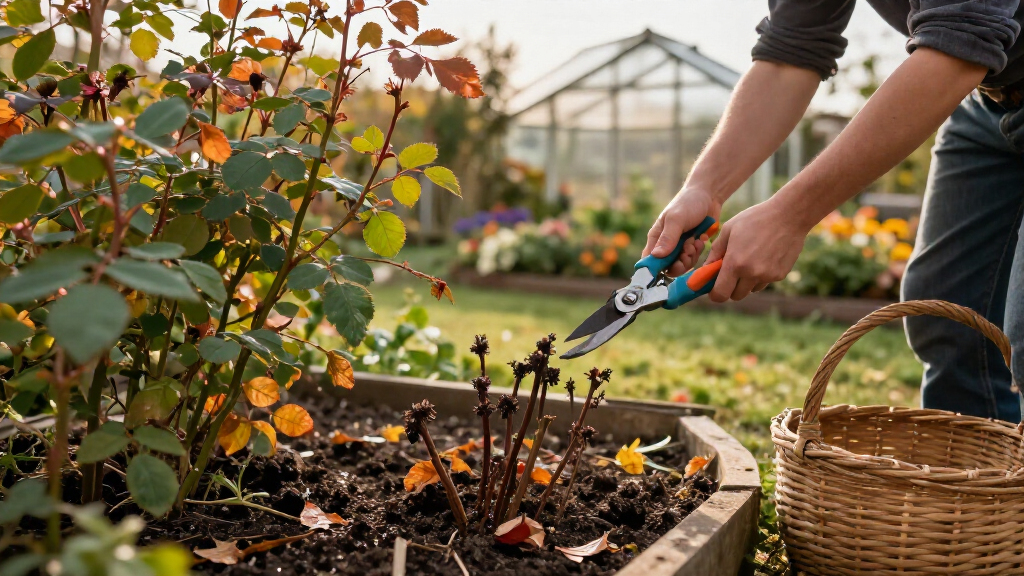
A seasonal garden guide recommends cutting back 10 plants in November, usually after frost or when foliage has died back, to remove material that can shelter pests or disease and prepare plants for spring. The list includes perennials such as asters, daylilies and irises, as well as berry bushes and panicle hydrangeas, but the suggested timing and effect on next season’s flowers or fruit differ by plant.

Get garden gear delivered free with Prime
- Fast, free delivery on millions of items
- Prime Video, Amazon Music and more included
- Member-only deals all year
The garden guide says gardeners should wait until plants are dormant or visibly dying back—with foliage brown, yellow or mushy—rather than cutting healthy growth early. For asters, it recommends a substantial trim after the first hard frost. The guide also says removing their seedheads can limit self-seeding, which may otherwise spread plants around the garden.
Several entries in the guide focus on reducing the chance of diseases or pests carrying over winter. It advises cutting bee balm to the ground in November because powdery mildew can persist in infected stems and leaves. The guide recommends cutting delphiniums to a few inches above the ground after frost and trimming hostas to a few inches after several hard frosts; it suggests a light layer of mulch for hosta crowns. For delphiniums in zones 3 to 5, the guide recommends mulch around the roots while leaving the crown exposed.
The remaining plants are daylilies, hellebores, hydrangea paniculata, irises and berry bushes. According to the guide, gardeners may leave daylily foliage until spring or cut it back to a few inches after frost. Hellebore trimming means removing battered leaves, while iris foliage is cut to about six inches after frost has turned it yellow or brown. For hydrangea paniculata, which the guide says flowers on new wood, late-fall pruning need not remove next year’s flowers; it advises removing no more than one-third of the plant and leaving some spent flowerheads.
November pruning for spring growth
A seasonal guide covers 10 plants to cut back as frost arrives or foliage dies. Timing depends on the plant, its variety and your harvest goals.
Wait for the right signal
Use frost and dormancy as cues, not a fixed November date.
Wait until growth is brown, yellow, mushy or visibly dying back.
Cut back after frost where advised; remove dead or diseased growth.
Mulch hosta crowns lightly; for delphiniums in zones 3 to 5, mulch roots and leave the crown exposed.
What to cut back
The guide names perennials and shrubs with different pruning needs.
Asters and irises
Trim asters after the first hard frost. Cut iris foliage to about six inches once it turns yellow or brown.
Daylilies and hellebores
Daylilies can wait until spring or be cut back after frost. Remove battered hellebore leaves.
Bee balm and hostas
Cut bee balm to the ground and hostas to a few inches after several hard frosts.
Know the trade-offs
Pruning choices can affect next season’s flowers and fruit.
- Summer-bearing raspberries and blackberries: remove dead, weak or diseased canes.
- Everbearing varieties: November pruning favors a larger fall harvest.
- Pruning everbearing raspberries or blackberries in November can largely eliminate the next spring and early-summer crop.
- Choose based on when you want fruit.
Hydrangea care is type-specific
The late-fall advice applies to Hydrangea paniculata, which the guide says flowers on new wood.
Pruning Choices Affect Spring Growth
According to the garden guide, November pruning can make a garden tidier through winter and remove foliage that may harbor pests or disease. Its recommendations also underscore that a single calendar rule does not suit every plant: frost, dormancy, the plant’s flowering habit and the gardener’s harvest goals all affect the decision.
The guide’s clearest trade-off is among berry bushes. For summer-bearing raspberries and blackberries, it says to remove dead canes and those that appear weak or diseased. But pruning everbearing, or fall-bearing, varieties in November will more or less eliminate their spring and early-summer crop in exchange for a larger fall harvest. That distinction matters to gardeners planning when they want fruit, not just how much pruning to do.
The guide also says removing aster seedheads can reduce unwanted self-seeding. These are practical aims described by the source, not a guarantee that every plant will produce more blooms or fruit. Weather, plant health, variety and local growing conditions can affect results.
Products Worth Considering

EAGLE PEAK 8 x 6 ft Pop-Up Walk-In Greenhouse, Clear and Green

Garvee 6 × 8 ft Walk-In Greenhouse with Polycarbonate Panels and Aluminum Frame

EGO Power+ 21 Cordless Electric Lawn Mower Kit, Self-Propelled (LM2135SP)
As an affiliate, we earn on qualifying purchases.
Frost and Plant Type Set Timing
The garden guide presents its recommendations as seasonal rather than as a claim that every garden should be pruned on the same date. It says several plants should be cut back only after a hard frost or once their foliage has died, allowing them to complete the growing season first. The source links that wait to plants building energy stores before winter, then identifies November as a time to remove dead growth.
The guide emphasizes particular care with hydrangeas because pruning timing varies among types. Its advice applies specifically to Hydrangea paniculata, described as flowering on new wood; it should not be treated as a universal instruction for all hydrangeas. Likewise, the guide says berry pruning depends on whether raspberries or blackberries are summer-bearing or everbearing. It names blueberries among the berry bushes but gives specific cane-pruning directions for raspberries and blackberries.
Local Conditions May Change the Cut
The garden guide does not provide a publication date, name a horticultural expert or offer regional climate guidance. Its recommendations are presented as general seasonal advice, so the precise date to prune may differ with local frost timing and growing conditions. It also does not give detailed pruning instructions for every berry type or cultivar, including blueberries.
The source does not establish that November pruning will guarantee more blooms next spring. It describes potential benefits—including less overwintering disease and tidier growth—alongside plant-specific trade-offs. Gardeners should distinguish the named panicle hydrangea from other hydrangeas and check the needs of their own varieties before cutting.
Check Plants Before Pruning
Following the guide’s seasonal approach, gardeners can check whether each plant has gone dormant, whether frost has damaged its foliage and which variety they are growing. They should identify berry bushes as summer-bearing or everbearing and decide whether preserving a spring crop or favoring a fall harvest better suits their plans.
For the plants covered, the guide’s next step is to follow the relevant plant-specific advice: remove dead or diseased growth, leave some hydrangea paniculata flowerheads if winter interest is desired, and apply the suggested mulch where appropriate. The source gives no further scheduled update; the practical milestone is the arrival of frost and the plants’ visible transition into dormancy.
Key Questions
Should all 10 plants be cut back on the same November date?
No. The garden guide ties pruning to frost and dormancy, not a fixed date. It describes asters, daylilies and irises as candidates for cutting back after frost, while other plants should be assessed for dead or diseased growth and local conditions.
Will November pruning guarantee more flowers next spring?
No guarantee is given by the guide. It presents pruning as a way to remove potentially disease- or pest-affected material and prepare plants for winter, but outcomes depend on plant type, health and growing conditions.
What is the trade-off when pruning everbearing raspberries or blackberries?
The garden guide says November pruning will more or less eliminate the next spring and early-summer crop while favoring a more bountiful fall crop. It gives different advice for summer-bearing varieties: remove dead, weak or diseased canes.
Can hydrangeas be pruned in November?
The garden guide’s recommendation applies to Hydrangea paniculata, which it says blooms on new wood. It advises cutting no more than one-third of the plant and leaving some spent flowerheads. The guidance does not apply automatically to every hydrangea type.
Source: hunker.com