
TL;DR

Get garden gear delivered free with Prime
- Fast, free delivery on millions of items
- Prime Video, Amazon Music and more included
- Member-only deals all year
A Homes & Gardens report recommends October mulch for perennials, shrubs, strawberries in colder climates, and fall-planted garlic. It advises leaving Mediterranean herbs, succulents and cacti without a thick organic mulch because trapped moisture can contribute to rot; guidance depends on local conditions and plant needs.
Homes & Gardens’ October 2026 gardening report recommends mulching four plant groups—perennials, shrubs, strawberries in colder climates, and fall-planted garlic—while cautioning against thick organic mulch around Mediterranean herbs, succulents and cacti. The advice matters because mulch can insulate roots and limit moisture loss, but around plants that prefer dry conditions it can also trap moisture and contribute to rot.
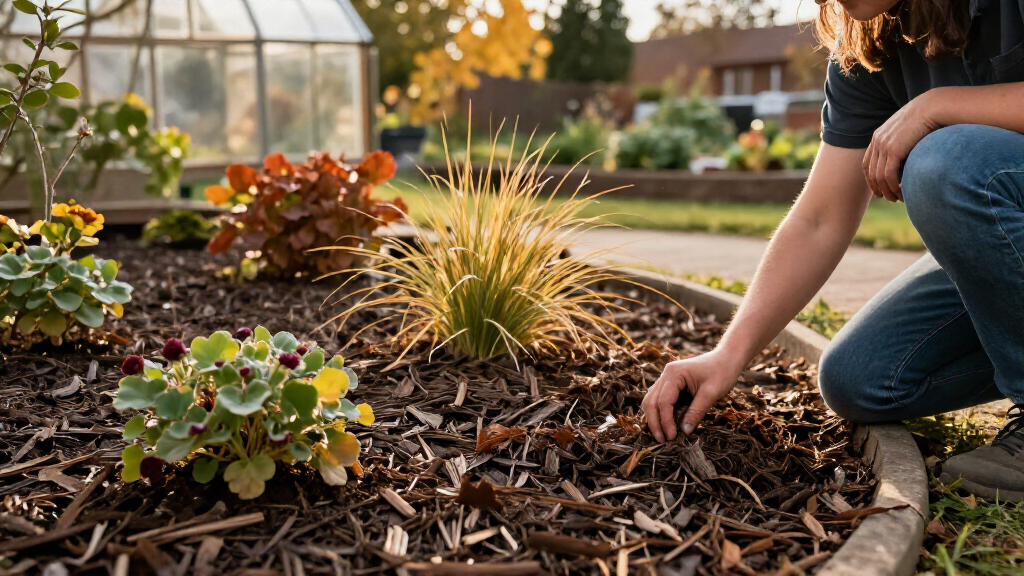
The report recommends a 2- to 3-inch layer of organic mulch, such as compost, chopped leaves, bark or pine straw, for many established perennials. Hostas, coneflowers, daylilies, black-eyed Susans, peonies, salvias and coral bells are among its examples. Mulch can help moderate soil conditions and reduce frost heave, when repeated freezing and thawing pushes plant crowns upward. The report says gardeners do not need to cut back all perennials before mulching; standing stems and seed heads can provide wildlife food and habitat over winter.
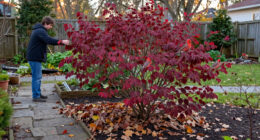
For shrubs, the report highlights shallow-rooted varieties such as azaleas, hydrangeas, spireas and euonymus, along with shrubs planted during the current season. It suggests wood chips or shredded bark, applied around the root area but not against the trunk or stems. Wendy Hanson Mazet, a plant diagnostician with University of Nevada, Reno Extension, warns that mulch piled against woody plants can shelter rodents and give them access to bark and cambium tissue.
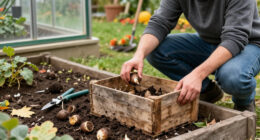
In colder areas, including USDA hardiness zones 6 and below, the report says strawberries can be mulched after they become dormant. Gardeners should remove dead or diseased leaves, apply a couple of inches of straw, and keep the crown uncovered to reduce the risk of rot. Blueberries and currants can also benefit from fall mulch, with wood chips suggested for those fruit bushes. Garlic planted in autumn can be covered with a light layer of straw or chopped leaves to help limit extreme cold and frost heave.
Mulch Benefits Depend on the Plant
The guidance underscores that October mulching is not a one-size-fits-all task. A layer that insulates roots and moderates soil for a perennial or newly planted shrub may create unwelcome dampness around herbs and other plants adapted to dry, well-drained conditions. Choosing whether to mulch—and how thickly—can affect winter survival and the risk of rot.
Timing and placement also matter. Strawberries should be mulched after dormancy rather than while actively growing, and their crowns should remain exposed. Around shrubs, mulch belongs over the soil around the roots, not piled against stems, where rodents may shelter and feed. These distinctions let gardeners protect vulnerable plants without applying the same treatment across every bed.
natural straw mulch for strawberries and fall planted garlic
As an affiliate, we earn on qualifying purchases.
As an affiliate, we earn on qualifying purchases.
October Winter Preparation
The report frames fall mulching as a way to retain residual warmth in the soil, reduce moisture loss and protect roots as temperatures fall. The need varies with plant type, soil and local conditions; the article specifically ties strawberry protection to colder climates and says the plants should be dormant before mulching.
For plants that should not receive a heavy organic layer, the report names sage, lavender, oregano and rosemary as Mediterranean herbs that prefer dry, well-drained soil. Horticulturist Anna Fialkoff of the Connecticut College Arboretum warns that heavy mulch can trap moisture and humidity around them. The report also cautions against excess moisture around succulents and cacti, which are adapted to drier conditions, especially in cold weather.
“When mulch is piled directly against trunks or stems, it provides both protection and easy access for rodents, which can ultimately lead to the decline or death of the plant.”
— Wendy Hanson Mazet, plant diagnostician with University of Nevada, Reno Extension
Local Conditions Shape the Advice
The report offers general seasonal guidance, not a recommendation tailored to every garden. It does not specify how much mulch each plant needs in every soil type or climate, and its strawberry advice is framed around colder regions. Local winter temperatures, drainage and plant establishment can change how much protection is appropriate. The source also gives no detailed care instructions for every succulent or cactus species, so gardeners should not treat one blanket rule as a substitute for species-specific guidance.
The report does not cite a comparative trial measuring outcomes for mulched and unmulched plants. Its recommendations are presented as horticultural advice, including attributed cautions from two experts, rather than quantified results from a new study.
Check Plants Before Mulching
Before spreading mulch, gardeners can identify which plants need winter insulation, check whether strawberries have gone dormant, and assess whether the soil drains well. For shrubs, keep bark and shredded mulch a few inches away from trunks and stems; for strawberries, leave the crown uncovered. Use a light organic cover for garlic and avoid thick, moisture-trapping layers around Mediterranean herbs, succulents and cacti.
As colder weather approaches, the appropriate next step is to adjust the garden bed to local conditions rather than apply mulch uniformly. The report sets out no further announcement or scheduled follow-up; its advice is intended for October planting and winter preparation.
Key Questions
Which plants does the report recommend mulching in October?
It names perennials, shrubs, strawberries in colder climates, and fall-planted garlic. Blueberries and currants are also mentioned as fruit bushes that appreciate fall mulch.
Which plants should not get thick organic mulch?
The report advises against heavy organic mulch around Mediterranean herbs such as sage, lavender, oregano and rosemary, as well as moisture-sensitive succulents and cacti. Trapped moisture can raise the risk of rot.
When should strawberries be mulched?
Wait until the plants are dormant, which the report describes as a time when they lose their green color, take on a reddish tint and begin to wilt. Remove dead or diseased foliage, then apply straw without covering the crown.
How should mulch be placed around shrubs?
Apply a roughly 2- to 3-inch layer over the soil around the shrub’s roots, but leave a gap around the trunk or stems. The report says mulch piled against them can shelter rodents that feed on bark and cambium tissue.
Source: rss
Halloween Picks
halloween
As an affiliate, we earn on qualifying purchases.