
TL;DR

Get garden gear delivered free with Prime
- Fast, free delivery on millions of items
- Prime Video, Amazon Music and more included
- Member-only deals all year
Homes and Gardens has featured the Vego Garden Greenhouse Frost Cover, a framed cover designed to protect raised-bed crops and support growing into colder months. The report describes its materials and features, but does not provide independent performance tests, pricing or evidence that it prevents frost damage in every condition.
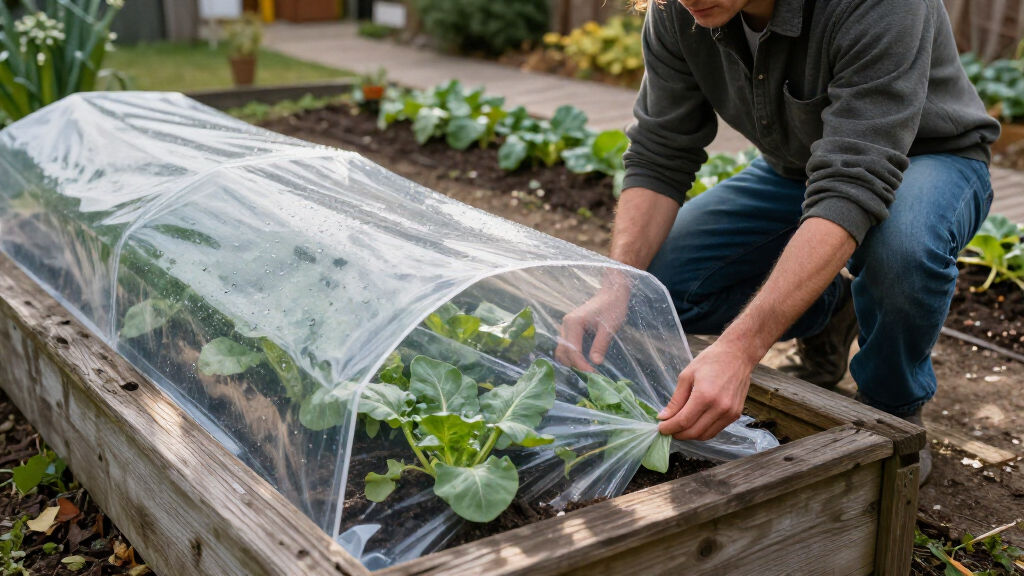
Homes and Gardens has featured the Vego Garden Greenhouse Frost Cover, a framed cover intended to shield raised-bed crops from frost and other weather while helping gardeners grow for longer. The report says its insulating fabric, sealed edges and vented windows are designed to retain warmth while allowing growers to manage airflow.
The product uses galvanized magnesium-aluminum steel tubing for its frame and a heavy-duty cover made from UV-protected fabric with reinforced mesh, according to the report. The material is described as letting sunlight through while shielding plants from wind, hail, snow and pests. Straps attach the cover to the frame and are intended to reduce heat loss and keep cold winds out.
Vented windows can be opened to improve air circulation, including when the cover is used during warmer weather. The report says the frame’s poles push into fittings, the cover fastens with hook-and-loop straps, and the frame bolts to a Vego Garden raised bed. It relays the manufacturer’s claim that setup should take under 30 minutes; that timing has not been independently verified in the supplied material.
The article presents the cover as one option for extending a raised bed’s growing season, rather than reporting a new test or measured harvest result. It also points to lighter alternatives, including insect netting and breathable row covers, for gardeners who want crop protection without the same greenhouse-style warming effect.
More Harvests From a Small Bed
A cover may help gardeners make greater use of small raised beds, including those on patios, decks and balconies, by protecting crops beyond the usual warm-weather growing period. If conditions allow, starting earlier in spring and harvesting later in autumn or winter could make a limited growing area productive for more of the year.
The report says a covered bed can hold warmth in the soil and protect crops from frost, potentially supporting cool-weather greens through colder months and heat-loving plants during suitable conditions. Those are intended benefits, not guaranteed outcomes: results will depend on the weather, crop, ventilation and how the cover is installed and managed.
As an affiliate, we earn on qualifying purchases.
From Summer Beds to Cold-Season Crops
Raised beds are often used from late spring through early fall, when temperatures suit many common crops. Homes and Gardens says adding a protective cover can extend that window in both directions by creating a warmer growing environment. Its report highlights spinach, arugula, winter lettuce, corn salad, mizuna and bok choy as cool-season crops that may be grown under cover.
The Vego product is not the only approach described. The article distinguishes a greenhouse-style cover, which aims to provide insulation, from lighter insect netting or floating row covers used with hoops. Gardeners considering a cover need to match the protection to their crops and conditions, and to ventilate it when heat builds up.
““a cover extends the season and widens the possibilities””
— Homes and Gardens report
Performance Depends on Conditions
The supplied report does not give independent test results, specific temperature limits, or measurements showing how much warmer the covered bed stays than an uncovered one. It also does not establish that the cover will prevent frost damage in every climate or during severe cold.
Price, availability, dimensions and warranty details are not included in the source material. The report describes the frame as bolting to a Vego Garden raised bed but does not specify which bed configurations are compatible or whether adapters are needed for other brands. Those details should be checked with the seller before purchase.
Check Fit and Ventilation Needs
Gardeners considering the cover can compare its dimensions and mounting requirements with their raised bed, then confirm current price, stock and compatibility with the retailer. They should also consider whether their local winter conditions call for an insulated cover or a lighter row-cover approach.
Once installed, growers will need to monitor conditions inside the cover and use its vents when airflow is needed. The source does not report a product trial or a forthcoming test, so real-world performance remains to be established by users in their own gardens and climates.
Key Questions
What is the Vego Garden Greenhouse Frost Cover?
It is a framed cover for raised beds, described in the Homes and Gardens report as having a steel-tube frame and a UV-protected, reinforced-mesh fabric cover.
Can the cover guarantee that crops will survive frost?
No such guarantee is established in the source. The cover is designed to insulate and protect crops, but the report provides no independent test results or temperature limits.
Which crops might be grown under a raised-bed cover?
The report names spinach, arugula, winter lettuce, corn salad, mizuna and bok choy as cool-season options. It also says the cover may suit heat-loving crops such as compact peppers and bush tomatoes, depending on conditions.
How long does installation take?
The manufacturer’s setup estimate, as relayed by Homes and Gardens, is under 30 minutes. The source does not say that this timing was independently tested.
Does the cover fit every raised bed?
The report says the frame bolts to a Vego Garden raised bed, but does not list compatible models or confirm fit with other brands. Check the product dimensions and mounting details before buying.
Source: rss
Columbus Day / Indigenous Peoples' Day Picks
long weekend sales
As an affiliate, we earn on qualifying purchases.