
TL;DR

Get garden gear delivered free with Prime
- Fast, free delivery on millions of items
- Prime Video, Amazon Music and more included
- Member-only deals all year
An Ideal Home gardening report outlines four October tasks for vegetable patches: remove finished or diseased crops, mulch empty beds, sow suitable hardy crops and shield tender plants from frost. Which crops will succeed depends on local climate and variety, and covered plants need ventilation on mild days.
An Ideal Home report recommends four October jobs for vegetable gardeners: clear finished or badly diseased crops, cover empty beds with compost, sow suitable hardy crops and protect tender plants from frost. The advice, including guidance from grow-your-own expert Huw Richards and Dobbies Garden Centres plant buyer Claire Bishop, is intended to help prepare beds for spring while extending harvests where local conditions allow.
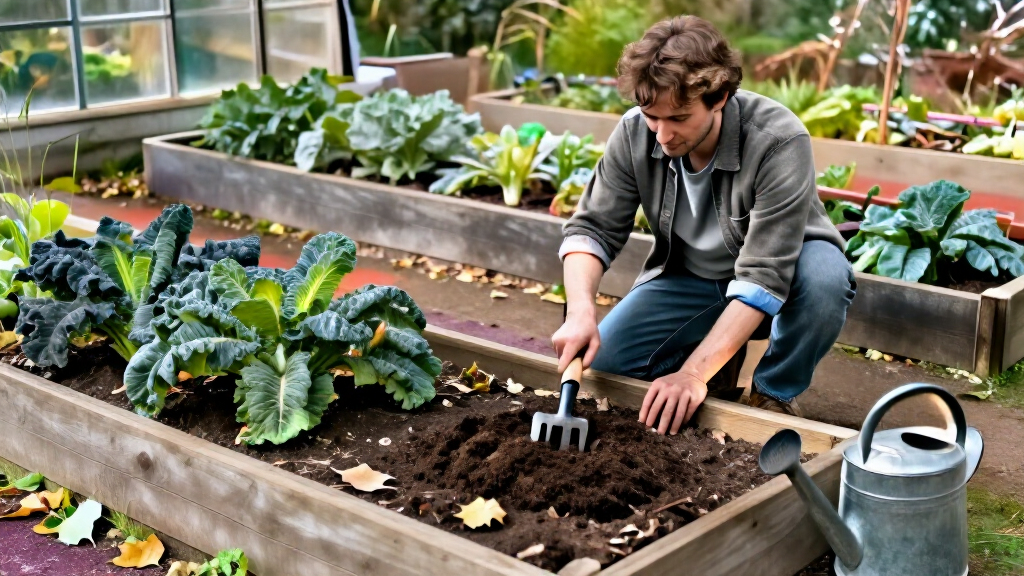
For the first task, Richards advises removing crops that have stopped producing or are badly diseased. Healthy plants can be cut back and added to the compost heap, he says, while their roots may be left in the ground to break down and add organic matter. The report cautions against assuming every bed needs to be cleared bare.
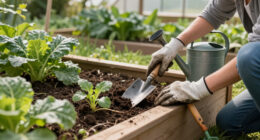
For empty beds, Richards recommends spreading well-rotted compost or homemade compost on the surface rather than digging it in. He says worms and other soil organisms can work it into the soil naturally. A covering also helps protect soil from winter weather and retain moisture. The report presents this as seasonal gardening advice, not as a guarantee of particular yields or soil improvements.
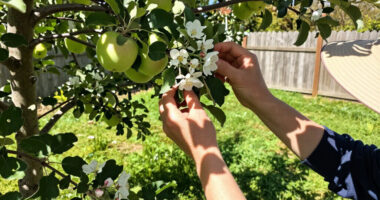
October sowing options named in the report include broad beans, winter salads, spinach, spring onions and garlic. Richards says gardeners should choose varieties suited to autumn and winter growing, with results dependent on climate. Bishop says autumn is also a time to plant soft fruit such as raspberries, gooseberries and currants, as well as apple and pear trees; she says soil that is still relatively warm gives roots time to establish before winter. To protect less-hardy crops, Richards suggests fleece, cloches, cold frames or an unheated greenhouse, with ventilation on mild days to limit excessive humidity.
October Work Shapes Winter Beds
The recommendations address two stages of the growing cycle at once: preparing soil for the following season and keeping some crops growing through colder months. Removing diseased material helps gardeners avoid leaving visibly affected plants in the bed, while leaving healthy roots and applying compost can keep organic material in the growing area. The source does not quantify the effect on soil health or future harvest size.
Planting and protection are also conditional rather than universal. A crop that can be sown in October in one area may not suit another, and frost protection depends on the cover used and the conditions around the plants. The practical takeaway is to match varieties and protection to local weather, rather than treating the listed crops as suitable everywhere.
garden fleece for frost protection
As an affiliate, we earn on qualifying purchases.
As an affiliate, we earn on qualifying purchases.
A Seasonal Shift From Harvest
October marks a change in emphasis for many vegetable beds as summer crops finish and colder weather approaches. The Ideal Home report frames the month as a chance to tidy beds, put a protective layer over bare soil and decide whether hardy crops can remain productive into winter. Its guidance draws on comments from Richards, a grow-your-own author who has partnered with garden tools and watering brand GARDENA, and Bishop of Dobbies Garden Centres.
The report also mentions products including mulch, secateurs and cloches, but those are shopping suggestions rather than requirements for carrying out the tasks. Homemade compost, suitable tools already on hand and other forms of frost protection may serve the same general purposes. The report does not provide regional planting calendars or detailed instructions for diagnosing plant disease.
“You can leave healthy roots in the soil to break down naturally, feeding soil life and adding organic matter.”
— Huw Richards, grow-your-own expert, as quoted by Ideal Home
Local Conditions Set Planting Limits
The report does not specify planting dates by region, frost thresholds or how much protection particular crops need. It says the suitability of October sowing depends on climate and the variety selected, so gardeners will need to adapt the list to local conditions. It also does not establish that these tasks will produce a specific improvement in soil quality or crop yield.
Details about individual beds, including soil type, drainage and which plants are diseased, are not covered. The guidance to compost healthy cuttings should not be read as advice to compost badly diseased material: Richards’ quoted recommendation is to remove crops that are badly diseased.
Check Beds as Weather Cools
Gardeners following the report’s advice can start by identifying which crops have finished, removing badly diseased plants and deciding whether healthy roots can remain. They can then spread well-rotted compost over vacant beds and select autumn- or winter-suited seeds and planting stock for their area. As cold weather approaches, tender crops can be covered with an appropriate shelter and checked for ventilation during mild spells.
The next practical milestone is the local weather: frost forecasts and changing temperatures will affect when protection is needed and whether outdoor sowing remains suitable. The report gives no later update or region-specific schedule, so readers should consult local growing guidance for precise dates.
Key Questions
What should I clear from a vegetable patch in October?
According to grow-your-own expert Huw Richards, remove crops that have finished producing or are badly diseased. Healthy plants can be cut back and composted, and healthy roots may be left in the soil to break down.
Should I dig compost into an empty bed?
Richards recommends spreading well-rotted or homemade compost over the soil surface instead. He says worms and soil organisms can incorporate it naturally, while the covering helps protect soil and retain moisture.
Which vegetables can be sown in October?
The report lists broad beans, winter salads, spinach, spring onions and garlic as possible choices. Suitability depends on local climate and the variety, so the list is not a universal planting calendar.
How can I protect tender crops from frost?
Richards suggests fleece, cloches, cold frames or an unheated greenhouse for less-hardy crops. He also advises ventilating covered crops on mild days to prevent excessive humidity.
Source: rss
Halloween Picks
halloween
As an affiliate, we earn on qualifying purchases.