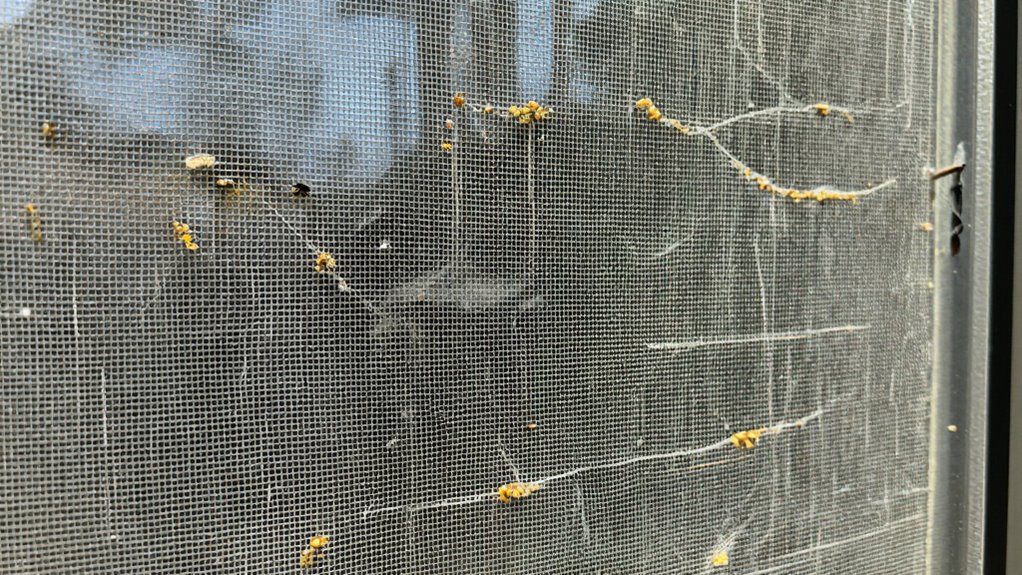

Tiny gaps around your windows and doors are the main ways pests sneak inside. They look for small openings to access food, water, and shelter. Inspect frames carefully, using light and tissue to spot hidden cracks. Seal these gaps with caulk, weatherstripping, or foam, and keep screens tight and damage-free. Addressing these tiny holes now can stop pests from finding their way in—keep going to discover how to make your home pest-proof.
Key Takeaways
- Carefully inspect window and door frames for small cracks or gaps before installing screens.
- Use flashlights or tissue to detect light leaks or hidden openings around the installation area.
- Ensure tight-fitting screens with proper tension to eliminate gaps where pests could enter.
- Seal any tiny gaps with caulk, weatherstripping, or foam before installing screens for added protection.
- Regularly maintain and repair screens to prevent pests from exploiting newly formed or overlooked gaps.
Why Tiny Gaps Are Your Home’s Biggest Pest Entry Points
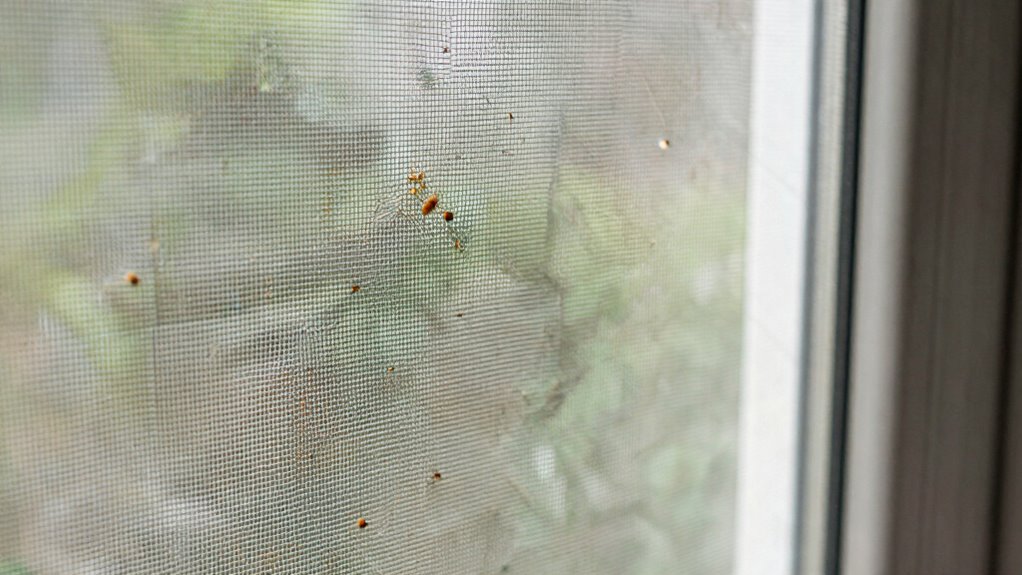
Even the tiniest gaps around your windows and doors can serve as major entry points for pests. Pest behavior drives them to seek out easy access to food, water, and shelter, making small openings irresistible. Understanding the insect lifecycle helps explain why these gaps matter; pests often enter during specific stages, like when they’re searching for new nesting sites. Tiny gaps allow insects like flies, ants, and roaches to bypass barriers that seem insignificant. Once inside, they can reproduce rapidly, turning a small problem into a full-blown infestation. Sealing these gaps disrupts their ability to enter and survive, preventing pests from exploiting these vulnerabilities. Properly addressing tiny gaps is a vital step in controlling pests and protecting your home.
Where to Find Small Gaps Around Windows and Doors

To effectively seal gaps and prevent pests from entering, you need to know where they hide around your windows and doors. Start by inspecting the edges of window frames and door jambs for small openings. Use gap detection tools like a flashlight or a piece of tissue to identify tiny cracks that might be hard to see with the naked eye. Pay close attention to areas where the mesh may have become loose or damaged, which can create new entry points. Regular mesh maintenance is vital; replace or repair torn screens promptly. Small gaps often hide behind weather stripping or around fasteners, so check those areas carefully. Being thorough in your inspection helps you target the tiniest gaps and keep pests out effectively. Additionally, understanding the Suprem fabric composition and properties can help in selecting durable and eco-friendly materials for weatherproofing and sealing around your windows and doors.
How to Spot Hidden Gaps Before Installing Insect Screens
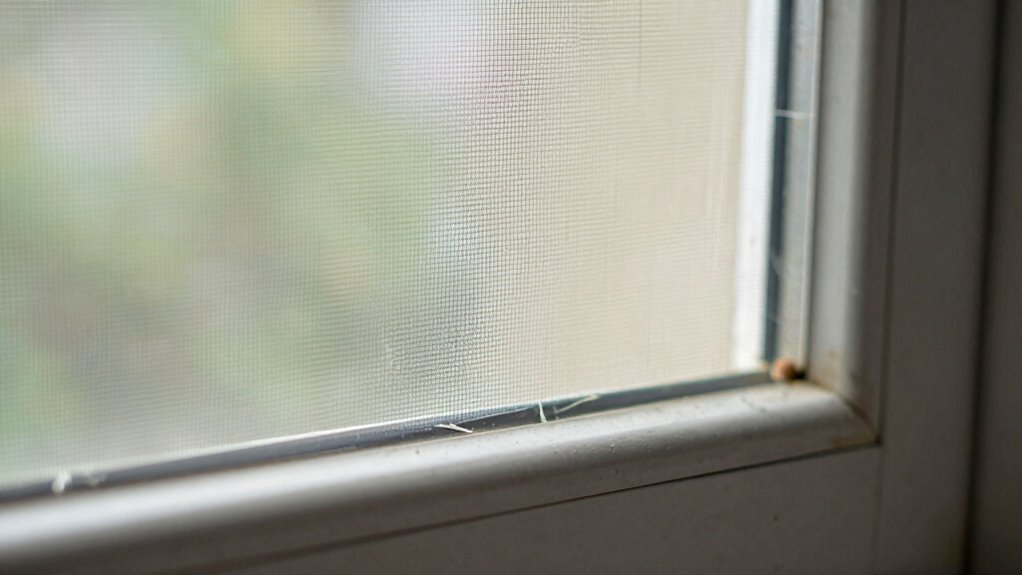
Before installing insect screens, locating any hidden gaps that pests could use to enter your home is vital. Carefully inspect the screen frame for any cracks or loose edges. Look for areas where the mesh tension may be weak or sagging, which can create tiny openings. Use a flashlight to shine along the edges and corners; shadows or light leaks indicate gaps. Check around window and door frames, especially where the screen meets the structure. To organize your findings, consider this table:
| Area to Check | What to Look For |
|---|---|
| Screen frame | Cracks, loose fittings |
| Mesh tension | Sagging, tears |
| Edges and corners | Small gaps or light leaks |
| Around existing gaps | Hidden cracks or overlaps |
Identifying these issues guarantees a tight fit, keeping pests out. Paying attention to filtration systems can also help prevent pests from finding alternative entry points.
Easy Ways to Seal Tiny Gaps and Keep Bugs Out
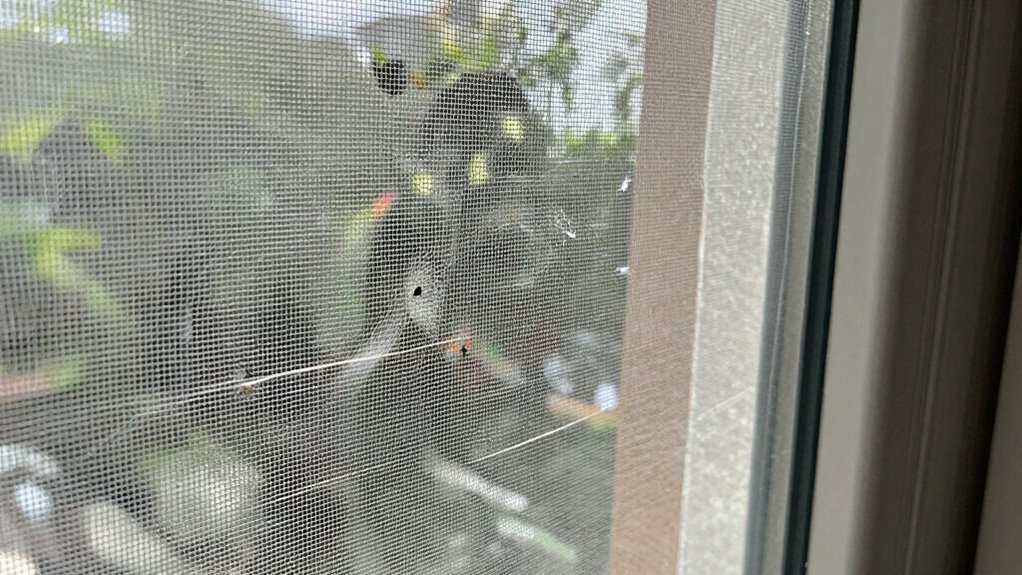
Sealing tiny gaps is essential to prevent bugs from slipping indoors. You can easily tackle this with DIY repairs using effective sealing materials like caulk, weatherstripping, or foam sealant. First, identify the small openings around windows, doors,, and vents. Clean the area to ensure good adhesion. Apply the sealing material carefully, filling the gaps completely. For cracks around frames, caulk offers a flexible, long-lasting solution. Weatherstripping works well around movable parts like door bottoms and window sashes. Foam sealant is ideal for larger holes or irregular spaces. These simple fixes don’t require professional help and can be completed in minutes, making your home less inviting to pests and improving energy efficiency. Proper sealing keeps bugs out and helps maintain a comfortable indoor environment. Additionally, understanding the history of pinball machines can inspire creative home entertainment setups that complement your pest prevention efforts.
Maintain Your Screens and Stop Gaps From Coming Back

Regularly inspecting and maintaining your screens is key to preventing gaps from reappearing. Proper screen maintenance guarantees pests can’t find new entry points and keeps your home pest-free. To stay ahead, follow these steps:
- Check for tears or holes periodically, especially after storms or strong winds.
- Tighten loose frames and replace damaged screens promptly.
- Clean screens gently with a soft brush or cloth to prevent debris buildup, which can weaken the material.
- Consider energy-efficient solutions to enhance overall home protection and reduce the likelihood of pest entry points.
Frequently Asked Questions
Can Insect Screens Prevent All Types of Pests From Entering?
Insect screens can substantially reduce most pests from entering your home, but they can’t prevent all types. Choosing screens with good durability helps keep pests out longer, while pest repellents used alongside screens add extra protection. Keep in mind, tiny gaps or tears can still let some pests through, so regular inspection and maintenance are key. Combining durable screens with pest repellents offers the best defense against unwanted intruders.
How Often Should I Inspect My Screens for Gaps?
You should inspect your screens at least once a month, especially during peak pest activity seasons. Check for gaps, tears, or damage that can compromise screen durability. Regular inspections help you catch small issues early, preventing pests from sneaking in through tiny gaps. By staying vigilant, you maintain an effective barrier, especially as pest activity patterns increase, ensuring your screens continue to keep pests out and protect your home.
Are There Eco-Friendly Methods to Seal Tiny Gaps?
You can definitely seal tiny gaps eco-friendly using biodegradable sealants or natural pest barriers. These options are safe for the environment and effective at blocking pests without harmful chemicals. Believe it or not, natural ingredients like beeswax, plant-based caulks, or olive oil-based sealants can do the trick. By choosing these methods, you protect your home and the planet, proving that eco-friendly pest control is both smart and sustainable.
What Tools Are Best for Sealing Small Pest Entry Points?
You should use a caulking gun for precise caulking techniques to seal small pest entry points effectively. For larger gaps or tears, mesh repair patches work well, providing a durable barrier. Apply silicone or latex-based caulk for eco-friendly options, ensuring you press the sealant firmly into the gaps. These tools and methods help keep pests out while maintaining a clean, professional look for your insect screens.
How Does Weather Affect the Integrity of Insect Screens?
Weather can be a relentless adversary, testing your insect screens like a storm challenges a fortress. Over time, moisture, wind, and sun weaken material durability, causing tears or loosening screens. Poor installation techniques can hasten this damage, letting pests slip through those tiny gaps. To keep your screens resilient, select weather-resistant materials and guarantee proper installation, so your defenses stand strong against nature’s unpredictable assault.
Conclusion
By paying close attention to those tiny, overlooked spaces around your home, you can keep unwelcome visitors at bay. Regularly inspecting and sealing these subtle gaps acts like a gentle barrier, guiding pests away without fuss. With a little care and maintenance, your screens will do their quiet job, protecting your space effortlessly. Remember, sometimes the smallest adjustments make the biggest difference in keeping your sanctuary pest-free and peaceful.