TL;DR

Get garden gear delivered free with Prime
- Fast, free delivery on millions of items
- Prime Video, Amazon Music and more included
- Member-only deals all year
A Homes & Gardens report urges gardeners to check container drainage holes before winter, clear blockages and raise pots so excess water can escape. Waterlogged soil can deprive roots of oxygen and freeze, while trapped moisture may also damage some pots. The advice is preventative; the report does not identify a specific weather event or provide a forecast.
A Homes & Gardens report is urging gardeners to check and clear their pots’ drainage holes before winter, warning that blocked outlets can leave roots sitting in water and increase the risk of rot, freezing damage and broken containers. The advice is a preventative seasonal task, not a response to a named storm or forecast.
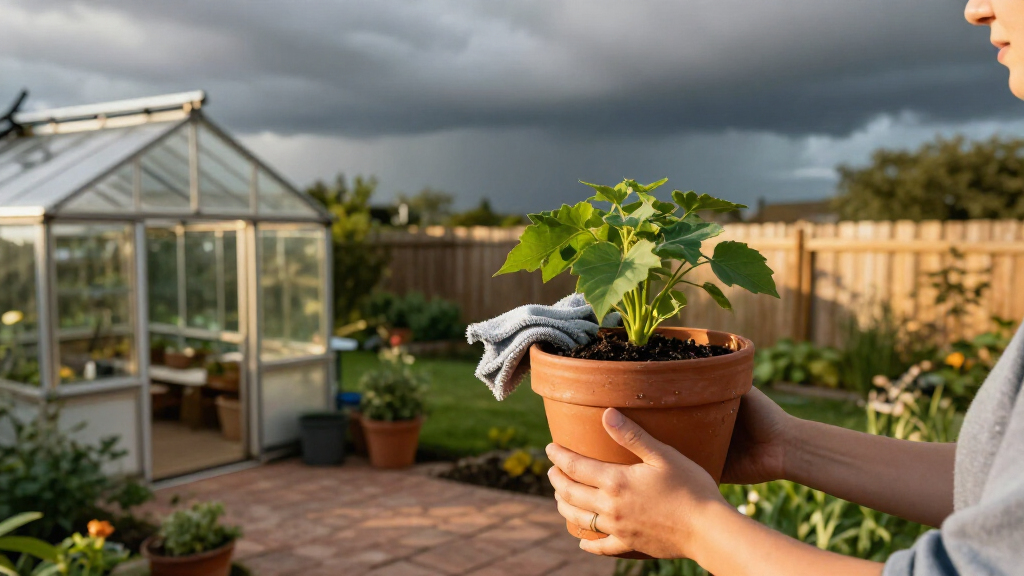
The report says drainage holes can become obstructed by compacted soil, debris, pests, roots or mineral and salt deposits. A pot may look fine from above, so it recommends lifting or tilting containers to inspect the base and confirm water can escape. A wooden skewer or chopstick can be used to dislodge material from a blocked hole.
When soil is saturated, water fills the air spaces that roots need. The report says this can deprive roots of oxygen and contribute to root rot and fungal problems. Possible warning signs include yellowing leaves, wilting, dieback, mold on the soil surface, and roots that are black, mushy or sour-smelling. These symptoms can have other causes, so they are not by themselves proof of blocked drainage.
Gardeners are also advised to remove saucers for winter and raise pots on pot feet, rather than leaving them on wet paving or concrete. The report says this helps keep drainage outlets clear and prevents containers from sitting in pooled or frozen water. It also suggests grouping pots in a sheltered location and moving vulnerable plants away from heavy rain. These steps are recommendations, not guarantees against frost damage.
How Standing Water Threatens Pots
The check matters because winter can combine persistent moisture and freezing temperatures. According to the report, saturated soil can freeze solid around a plant’s roots, compounding the damage caused by poor drainage. Container plants are more exposed to temperature changes than plants in the ground, the report says, though it gives no comparative measurements.
Trapped water can also affect the container itself. As moisture freezes and expands in soil or porous material, terracotta and clay pots may crack or shatter. Clearing drainage and raising the pot are low-effort ways to reduce avoidable exposure, but the report does not claim they will protect every plant or container under all winter conditions.
Products Worth Considering

Orbit B-hyve XR 8-Zone Indoor/Outdoor Smart Sprinkler Controller

8×16 ft Walk-In Greenhouse – Heavy-Duty Outdoor Greenhouse

Garvee 6×10 ft Polycarbonate Greenhouse with Aluminum Frame, Lockable Door and Adjustable Roof Vent
As an affiliate, we earn on qualifying purchases.
Why Check Before Winter
The report frames drainage as a year-round requirement for container gardening, with a check before winter because wet conditions can persist while plants are less actively growing. It notes that some planters are sold without drainage holes and advises checking containers before planting. The immediate recommendation, however, is to inspect existing pots: holes that worked earlier can later become blocked.
Its suggested winter precautions extend beyond drainage: remove saucers, set pots on feet, and place containers together in a sheltered spot, such as near a wall or under an overhang. The report names fiberglass, fiberstone, resin and wood as alternatives it describes as more resistant to freezing than porous terracotta and clay. It does not compare products or specify which material suits particular plants or climates.
“It takes little to no time to assess if they are clear and unblock them if needed.”
— Homes & Gardens report
Limits of the Seasonal Advice
The source provides general gardening guidance, not advice tied to a particular location, plant species or weather forecast. It does not say how likely frost or prolonged rain is in any area, or how quickly a given container will become waterlogged. Gardeners may need to adapt the steps to local conditions and the needs of individual plants.
The report also does not quantify how much clearing drainage reduces plant loss, or establish that every instance of yellowing or wilting is caused by excess water. It supplies no named expert quotations beyond the report’s own recommendations. The exact risks depend on factors such as the pot’s material, drainage design, soil and exposure, which are not assessed individually.
Inspect Pots as Conditions Change
The practical next step is to check each container before colder, wetter conditions arrive: inspect the base, clear any obstruction, remove saucers and raise the pot so water can drain. Gardeners can then place containers in a sheltered position where appropriate and keep watching for discoloration, wilting or mold during winter. If a plant appears unwell, the report’s signs can prompt a closer check of soil moisture and roots, but do not replace diagnosis suited to that plant.
No further announcement or scheduled follow-up is provided. The advice remains a seasonal maintenance recommendation; local weather and plant requirements will determine whether additional protection or a change of location is needed.
Key Questions
How can I tell whether a pot’s drainage hole is blocked?
Check the base of the container, lifting or tilting it if needed. The report recommends using a wooden skewer or chopstick to gently clear debris from a hole. Confirm that water can drain rather than assuming the outlet is clear because the soil surface looks dry.
Should I leave saucers under outdoor pots in winter?
The report advises removing saucers from outdoor pots for winter because they can hold water beneath the container. Standing water may freeze or keep the pot waterlogged.
Why raise pots on pot feet?
Pot feet lift containers off wet paving or concrete, helping keep drainage holes open and allowing excess water to escape. The report recommends them as one way to reduce the chance that pots sit in pooled water.
What are signs a potted plant may be waterlogged?
The report lists yellowing leaves, wilting, dieback and mold on the soil as possible signs. Black, mushy roots or a sour smell may also indicate decay, but these symptoms do not prove waterlogging on their own.
Can checking drainage prevent winter damage completely?
No. The report presents drainage checks and pot positioning as preventative measures, not a guarantee. Frost exposure, rainfall, plant type and container material can still affect whether a plant or pot is damaged.
Source: homesandgardens.com