A cold frame is a simple, DIY structure with basic protection that extends planting seasons for hardy crops, while a greenhouse is a larger, more durable setup with advanced climate controls suitable for year-round growing. A hoop house uses lightweight materials like PVC pipes covered with plastic, offering affordable season extension in moderate climates. Each setup differs in insulation, cost, and sophistication—exploring these differences will help you choose the best option for your gardening needs.

Get garden gear delivered free — and shop member deals
- Fast, free delivery on millions of items
- Access to Prime Big Deal Days deals on October 6–7
- Prime Video, Amazon Music and more included
Key Takeaways
- Cold frames are simple, DIY structures with minimal insulation, ideal for season extension and seed hardening.
- Greenhouses are larger, durable structures with advanced climate control, suitable for year-round cultivation.
- Hoop houses are lightweight, cost-effective covers that extend growing seasons but lack sophisticated climate regulation.
- Greenhouses maximize light transmission and insulation with glass or polycarbonate panels, unlike hoop houses’ plastic covers.
- Cold frames are best for basic protection, while greenhouses and hoop houses serve more specialized, extended growing needs.

If you’re looking to extend your growing season, understanding the differences between a cold frame, greenhouse, and hoop house is essential. Each structure offers unique advantages, especially when it comes to climate control and construction materials. Knowing how these elements work together helps you choose the right solution for your gardening needs.
A cold frame is a simple, often DIY, enclosure that provides basic protection for plants during colder months. It relies heavily on passive climate control; sunlight heats the interior during the day, and the transparent or semi-transparent cover traps that heat, keeping plants warmer than outside conditions. Because of its straightforward design, the construction materials are usually clear or translucent materials like glass or polycarbonate for the top, with sturdy wood or recycled materials forming the frame. The insulation and sealing are minimal, which means temperatures can fluctuate more than in larger structures. Cold frames are ideal for hardening off seedlings or extending the season for hardy crops but aren’t suited for maintaining consistent temperatures in extreme weather.
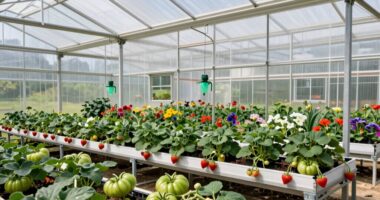
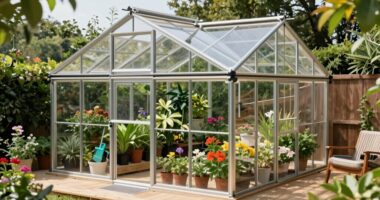
Greenhouses, on the other hand, are larger and equipped with advanced climate control features. They often incorporate heating, cooling, ventilation, and sometimes even automated systems to regulate temperature and humidity. When it comes to construction materials, greenhouses are typically built with durable materials such as glass, polycarbonate panels, or reinforced plastics for the walls and roof. These materials allow maximum light transmission, essential for photosynthesis, and provide better insulation compared to cold frames. The sophisticated climate control systems inside greenhouses enable you to maintain a stable environment, making them suitable for growing a wide range of plants, including those sensitive to temperature fluctuations. They often feature vents, fans, and sometimes heating systems to optimize growing conditions year-round.
Hoop houses, sometimes called high tunnels, fall somewhere in between cold frames and greenhouses. They’re usually constructed with a sturdy frame of metal or PVC pipes bent into hoops, covered with a plastic film or woven fabric. Climate control in hoop houses is primarily passive; the plastic cover traps solar heat and reduces wind chill, but they generally lack sophisticated ventilation or heating systems. The construction materials for hoop houses focus on affordability and ease of assembly—PVC piping or metal for framing and polyethylene or similar plastic sheeting for covering. They provide a more controlled environment than cold frames but don’t offer the same level of climate regulation as greenhouses. Hoop houses work well for extending the growing season in moderate climates or for crops that need a little extra warmth and protection. Additionally, using ventilation techniques can help improve airflow and temperature regulation within hoop houses.
As an affiliate, we earn on qualifying purchases.
Frequently Asked Questions
Which Structure Offers the Best Insulation for Winter Growing?
A greenhouse offers the best insulation for winter growing because it provides superior insulation efficiency and better temperature regulation. Its solid glass or polycarbonate walls trap heat effectively, maintaining a consistent environment. Hoop houses and cold frames have less insulation, making them more suitable for milder winters. If winter cultivation is your goal, investing in a greenhouse guarantees your plants stay warm and thrive despite colder temperatures.
How Much Does Each Structure Typically Cost to Build?
Don’t let budget worries hold you back; understanding cost comparison helps you plan effectively. A cold frame typically costs $100–$500, a hoop house ranges $1,000–$5,000, and a greenhouse can go from $2,000 to over $20,000, depending on size and materials. You can tailor your choice to your budget, making smart investments for your gardening goals and ensuring you get the best value for your money.
What Are the Maintenance Requirements for Each Type?
You’ll need to regularly check ventilation requirements to prevent overheating and humidity buildup in each structure. Cold frames require minimal maintenance, mainly sealing gaps, while greenhouses and hoop houses need routine cleaning of vents and fans. Pest control methods include installing screens and monitoring for pests. For all types, keep structures well-maintained, verify proper airflow, and inspect for pests weekly to keep your plants healthy and thriving.
Can These Structures Be Used Together for Extended Growing Seasons?
You can definitely combine these structures for longer season extension, but it’s like fitting puzzle pieces together—you need to contemplate crop compatibility and climate needs. Cold frames work well early or late season, while greenhouses and hoop houses provide more control and protection. Using them together allows you to maximize your growing window, but plan carefully to avoid microclimates that might hinder some crops. This layered approach keeps your garden thriving longer.
What Are the Best Crops for Each Type of Enclosure?
You’ll find cold frames ideal for hardy crops like lettuce, spinach, and herbs, which benefit from quick, seasonal growth. Greenhouses suit more delicate plants such as tomatoes, peppers, and flowers, providing consistent warmth and pest management. Hoop houses are versatile, perfect for quick-growing crops like cucumbers, beans, and squash. Each enclosure supports crop compatibility and pest control, helping you extend your growing season effectively.
Conclusion
Understanding the differences between a cold frame, greenhouse, and hoop house helps you choose the right option for your gardening needs. Did you know that hoop houses can extend the growing season by up to 50%? This means you get more fresh produce for longer periods. By selecting the right structure, you’ll create a perfect environment for your plants to thrive, no matter the season. Now, you’re ready to make an informed decision and grow smarter!
Fall yard work Picks
leaf blowers
As an affiliate, we earn on qualifying purchases.