To quickly check if your winter plants will thrive, observe their growth and leaf color over a week. Healthy plants usually have vibrant, full foliage and upright stems. Pale, leggy, or dull leaves suggest insufficient light, while scorched leaves indicate too much direct sunlight. You can also place a plant near a window and see if it remains healthy after a few days. Keep going, and you’ll discover simple tips to optimize your plant’s light right away.

Get garden gear delivered free — and shop member deals
- Fast, free delivery on millions of items
- Access to Prime Big Deal Days deals on October 6–7
- Prime Video, Amazon Music and more included
Key Takeaways
- Observe leaf color: vibrant leaves indicate adequate light; yellowing suggests insufficient exposure.
- Check plant height and stem strength: leggy, weak stems signal low light levels.
- Monitor growth rate: slow or stunted growth points to inadequate illumination.
- Note leaf positioning: upward or stretching leaves reveal the plant is reaching for more light.
- Assess sunlight duration: ensure plants receive at least 4-6 hours of direct or bright indirect light daily.
plant light meter for indoor plants
As an affiliate, we earn on qualifying purchases.
As an affiliate, we earn on qualifying purchases.
Why Light Levels Matter for Your Winter Plants
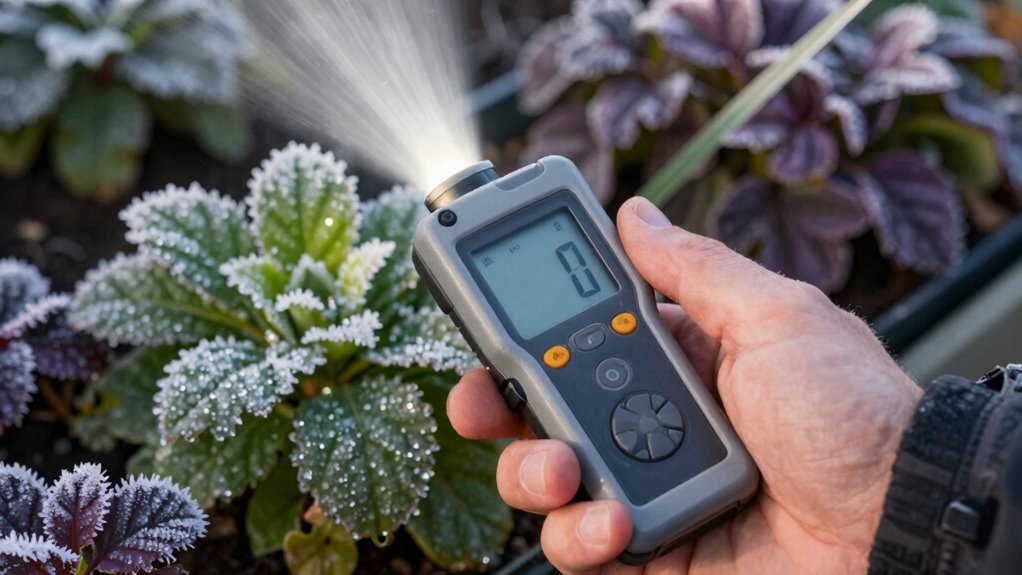
During winter, light levels naturally decrease, making it essential to pay attention to how much light your plants receive. Light influences photosynthesis efficiency, which is crucial for your plants’ growth and health. When light is limited, especially in the shorter days, plants struggle to produce enough energy, leading to weak stems and pale leaves. The light spectrum also plays a role; plants need a broad spectrum of light, including blue and red wavelengths, to thrive. Insufficient or poor-quality light can stunt growth and reduce flowering. By understanding how light affects these processes, you can better evaluate your indoor or outdoor space. Proper light management is essential for supporting sustainable and secure plant growth during the darker months. Additionally, understanding light spectrum helps you choose the right artificial lighting options to supplement limited natural light effectively. Recognizing the importance of light intensity can help you optimize your plant care routines and prevent common issues caused by inadequate lighting. Moreover, using light measurement tools can help you accurately assess whether your plants are receiving adequate illumination.
How to Find Out How Much Sunlight Your Space Gets
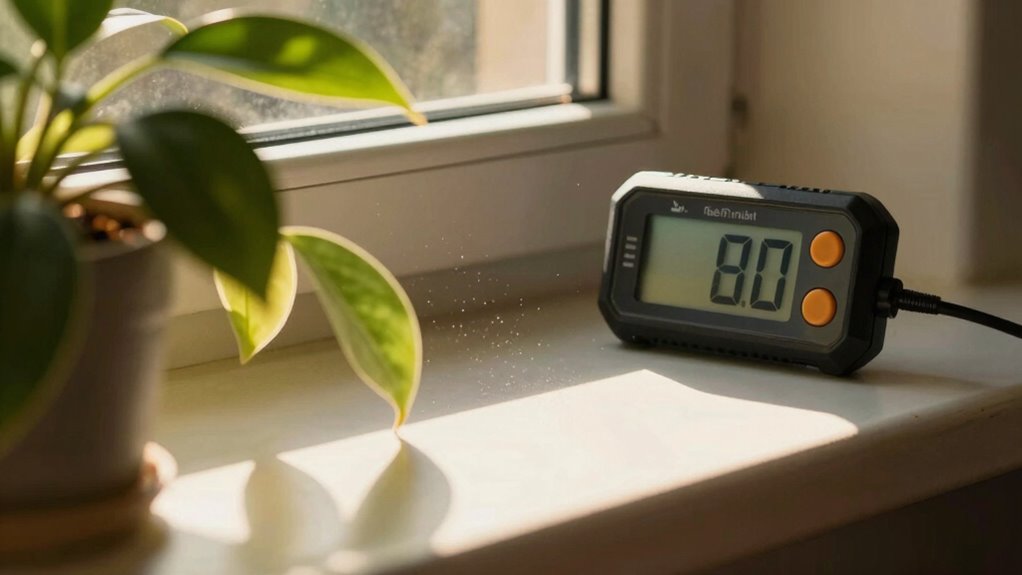
To figure out how much sunlight your space gets, start by observing how long the area stays in direct sun each day. Keep track of any changes in the sun’s path throughout the seasons, as this affects light exposure. Also, identify nearby obstructions like trees or buildings that might block sunlight during certain times. Monitoring solar exposure patterns can help you better understand the light dynamics affecting your plants. Additionally, understanding seasonal sunlight variation can provide insight into how light availability changes over the year. Recognizing light intensity fluctuations can further improve your assessment of your plants’ light needs. Paying attention to light consistency can help ensure your plants receive adequate and stable light levels for healthy growth. Moreover, noting how light quality varies can influence your plant care strategies.
Assess Sunlight Duration
Understanding how much sunlight your outdoor space receives is essential for selecting the right winter plants. To assess sunlight duration, observe your space at different times of the day, noting how long direct sunlight hits specific areas. Keep a sunlight chart or use a timer to track sunlight patterns over several days, ensuring you account for seasonal changes. This process helps you identify sunlight exposure levels and determine if your plants will get full sun, partial shade, or full shade. Knowing the sunlight duration guides you in choosing plants that thrive in those conditions, promoting healthy plant growth. Additionally, understanding the filtration efficiency of your space can influence plant selection, especially for those sensitive to dust and allergens. Regularly monitoring environmental conditions such as wind and humidity can also impact plant health and growth. Being aware of microclimates within your yard can further refine your plant choices for winter success. Recognizing soil quality is also important, as it affects nutrient availability and moisture retention for your winter plants. Remember, consistent sunlight exposure influences how well your plants will adapt and flourish throughout winter. Accurate assessment of sunlight duration ensures your winter garden remains vibrant and healthy.
Track Sun Path Changes
Ever wonder how the sun’s path changes throughout the winter months and impacts your garden? Solar tracking can help you observe these shifts, giving you a clear picture of how sunlight moves across your space. By noting the sun’s position at different times of day, you can perform a shade analysis, identifying areas that receive consistent or limited sunlight. Use a simple solar tracking tool or even a smartphone app to record sun angles over weeks. This allows you to see how much direct sunlight your plants will get during winter. Understanding these sun path changes enhances your planting strategy and guarantees you place your plants in spots that maximize light exposure, helping them thrive despite shorter days and lower sun angles. Observing these shifts also provides valuable insights into seasonal sunlight variations, which can influence your overall gardening success. Recognizing sun movement patterns over time can help you better anticipate future changes and plan accordingly. Additionally, tracking these patterns can reveal obstructions or shadowing, enabling you to optimize your planting locations for better growth. Understanding these sun path changes increases your confidence in planting decisions and optimizes plant health.
Identify Obstructions
Before planting, it is essential to identify any obstructions that could block sunlight from reaching your garden. Shade issues and window obstructions can considerably reduce light exposure, affecting plant growth. Check for nearby structures like fences, trees, or buildings that may cast shadows during key sunlight hours. Observe your space over a few days to see how sunlight moves and where shade falls. Additionally, understanding the light patterns in your area can help you better anticipate how sunlight interacts with your space throughout the seasons. Recognizing the obstructions that limit sunlight exposure allows you to select suitable plant varieties and optimal placement for thriving winter growth. Being aware of seasonal variations in sunlight can further improve your planting success. Understanding light exposure and how it changes can help you plan better for different times of the year. Considering the energetic alignment of your garden environment can also influence plant health and growth patterns. Use the table below to evaluate potential obstructions:
| Obstruction Type | Impact on Sunlight |
|---|---|
| Trees/Branches | Creates uneven shade, variable sunlight |
| Buildings/Walls | Blocks direct sunlight, causes shade issues |
| Window Obstructions | Reflects or blocks sunlight, affecting indoor plants |
| Fences/Structures | Cast shadows, limit light access |
How to Tell If Your Indoor Plants Are Getting Enough Light
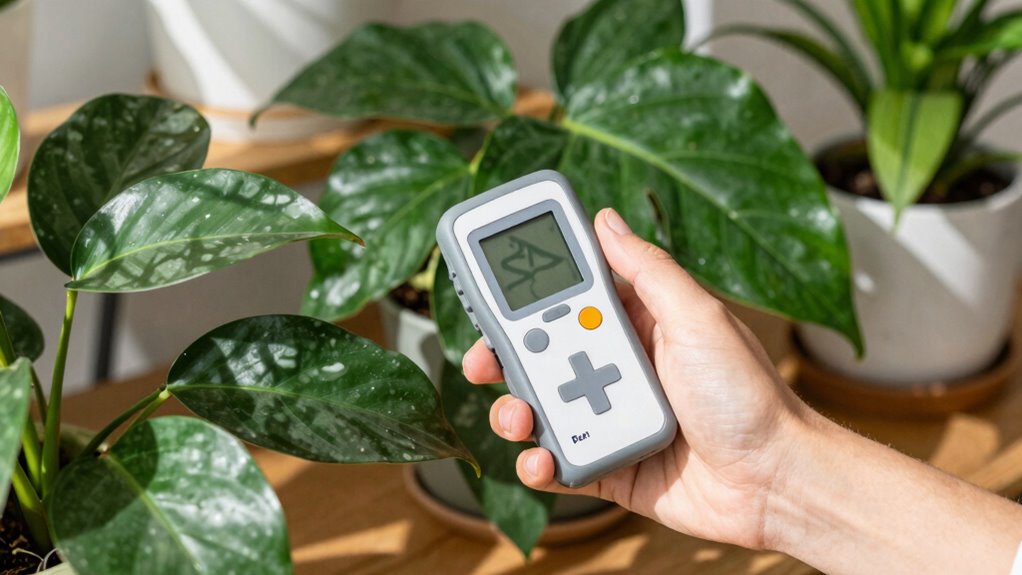
To see if your indoor plants are getting enough light, start by checking their exposure levels and noting any changes in leaf color. If leaves turn yellow or pale, they might need more light, while leggy growth indicates insufficient brightness. You can also do a simple light test to confirm if your space provides the right amount of illumination for healthy growth. Additionally, understanding the light requirements of your specific plants can help you determine whether they are thriving or need adjustments to their placement.
Assess Sunlight Exposure Levels
If your indoor plants aren’t thriving, evaluating their sunlight exposure is a crucial first step. To do this effectively, observe how much light reaches them daily. Some plants prefer shade and tolerate indirect light, while others need direct sunlight. Use light reflection from nearby surfaces to boost their exposure if needed. Place plants according to their shade preferences, ensuring they get the right type and amount of light. Check the following table to gauge if your plants are getting enough light:
| Light Level | Suitable Plants | Indicators of Adequate Light |
|---|---|---|
| Full Sun | Cacti, succulents | Bright, direct light for several hours |
| Bright Indirect | Ferns, pothos | Bright but filtered light, no scorch marks |
| Low Light | Snake plants, ZZ plants | Minimal direct light, leaves remain healthy |
| Light Reflection | All plant types | Surfaces reflecting light increase overall exposure |
| Shade Preference | Peace lilies, calatheas | Avoid direct sunlight, thrive in shaded spots |
Observe Leaf Color Changes
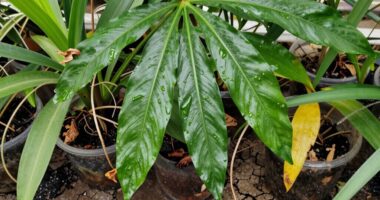
Paying attention to your plants’ leaf color can reveal a lot about their lighting conditions. If you notice leaf discoloration, such as yellowing or pale leaves, it often indicates they aren’t getting enough light. Conversely, too much direct sunlight can cause leaf burn or uneven color variation, like scorched patches. Healthy indoor plants typically display vibrant, consistent leaf color. Subtle changes, like dullness or fading, signal they’re struggling with their current light levels. Keep an eye on color variation across the plant; uneven tones may suggest inconsistent lighting or inadequate exposure. Recognizing these clues early helps you adjust your plant’s placement or lighting setup, ensuring they stay healthy and thrive during winter months.
Conduct Simple Light Test
Conducting a simple light test can quickly help you determine if your indoor plants are receiving adequate illumination. Place your plant near a window with indirect sunlight and observe its growth over a week. If it stretches toward the light or has pale leaves, it may need more. A healthy plant gets enough light spectrum to support plant photosynthesis effectively. To visualize, consider this table:
| Light Intensity | Plant Response |
|---|---|
| Bright, direct | Strong growth, vibrant leaves |
| Moderate | Steady growth, healthy color |
| Low | Leggy, pale, slow growth |
If your plant shows signs of low light, consider moving it to a brighter spot. Ensuring proper light spectrum boosts photosynthesis, keeping your plants thriving all winter.
How to Perform a Quick Light Check on Your Plants
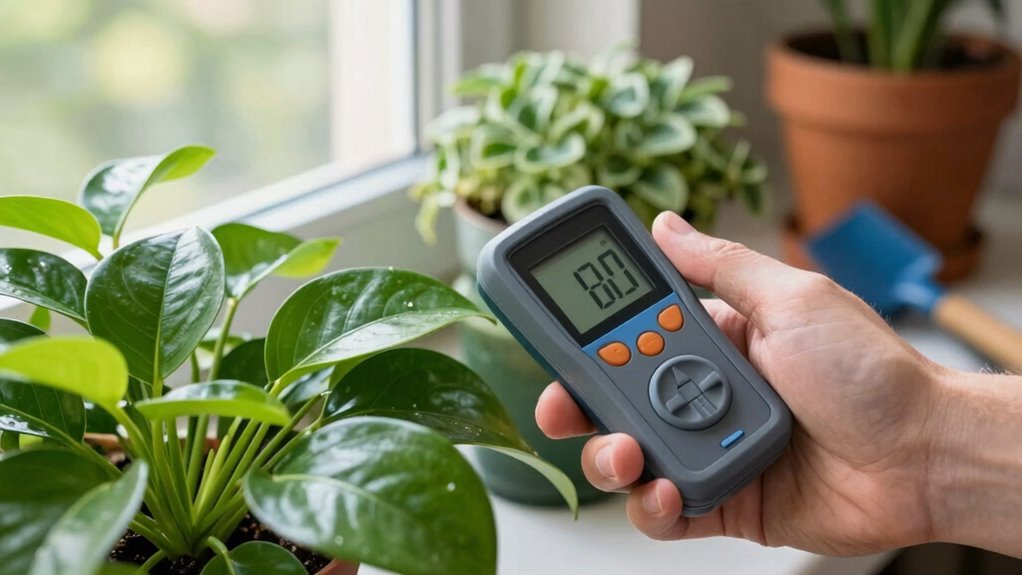
To quickly assess if your plants are getting enough light, start by observing their overall appearance and growth patterns. Leggy stems, pale leaves, or stretched-out growth indicate they’re stretching for more light. Check if the plant’s leaves are healthy and vibrant, which suggests proper light levels. While inspecting, ensure your plant’s watering habits are appropriate; overwatering or underwatering can mimic light deficiency symptoms. Also, consider soil nutrients—they influence overall plant health. Poor soil nutrients can cause dull foliage or weak growth, similar to light issues. Adjust lighting if needed, but remember that consistent watering and healthy soil contribute greatly to your plant’s ability to thrive. A well-lit plant with proper watering and nutrients is more likely to flourish during winter months.
What Are the Ideal Light Levels for Winter Indoor Plants?
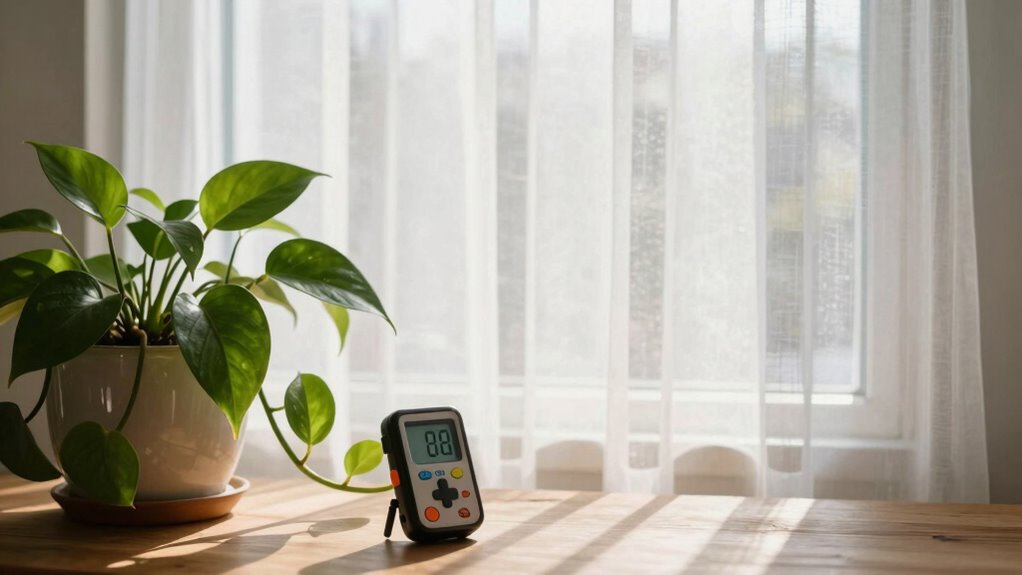
Knowing the right light levels helps your indoor plants thrive during winter. If the light is too weak, you might notice drooping or pale leaves; if it’s too strong, leaves could scorch. Adjust your plant’s exposure accordingly to keep them healthy and happy.
Optimal Light Intensity Levels
During winter, indoor plants need just the right amount of light to stay healthy and vibrant. Ideal light intensity levels support photosynthesis efficiency, helping your plants produce energy and stay lush. To achieve this, aim for bright, indirect light, roughly 100-200 foot-candles. Use light spectrum analysis to ensure your plants receive the right wavelengths, mainly blue and red light, which boost growth. Imagine this:
- A sunny windowsill bathed in gentle, filtered sunlight.
- A grow light emitting a balanced spectrum, mimicking natural daylight.
- A cozy corner with ample diffuse light reflecting off nearby surfaces.
- A shade cloth reducing harsh midday sun, preventing leaf scorch.
Signs of Insufficient Light
When indoor plants don’t receive enough light, their growth slows, and their vibrant appearance fades. You might notice leggy stems stretching toward windows or leaves losing their lush color. A sign of insufficient light is slower or uneven growth, as plants struggle to produce enough energy for healthy plant nutrition. You may also see leaves dropping or turning yellow, indicating stress. These changes can be worsened if your watering habits are inconsistent; overwatering can exacerbate weak, fragile growth. Conversely, under-watering can cause further decline. To prevent this, ensure your plants get adequate light and adjust your watering habits to match their needs. Recognizing these signs early helps you correct the situation before your plants suffer lasting damage.
Adjusting Light Exposure
To keep your winter indoor plants thriving, ensuring the right amount of light is vital. Adjusting light exposure involves more than just moving plants closer to windows—it also includes seasonal pruning to remove leggy growth and promote healthy foliage. Proper lighting helps maintain soil nutrition by encouraging steady growth. Imagine:
- Placing your plant near a south-facing window for maximum sunlight
- Using sheer curtains to filter harsh winter rays
- Rotating plants weekly to ensure even light distribution
- Supplementing with grow lights if natural light is limited
These steps support ideal photosynthesis and prevent etiolation. Keep in mind that reducing overly intense light or sudden changes can stress plants. Adjusting light levels thoughtfully ensures your plants stay healthy and vibrant throughout winter.
Easy Ways to Measure Light Levels at Home
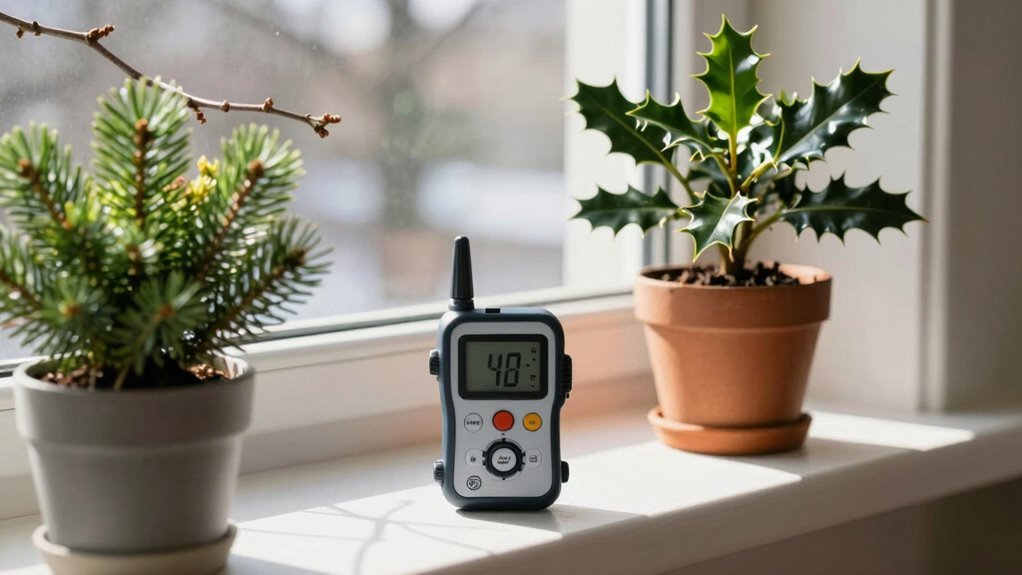
Measuring light levels at home doesn’t have to be complicated or expensive. You can start by using a simple smartphone app designed to measure light intensity, which gives you quick readings of the sunlight your plants receive. Alternatively, try a basic test: place a piece of white paper in different spots and observe how shadows appear; sharp shadows indicate bright light, while blurred shadows suggest lower light levels. Consistent lighting helps maintain healthy watering routines and soil nutrition, preventing overwatering or nutrient deficiencies. To get accurate results, check your plants at different times of day. This simple approach allows you to identify the best spots for your winter plants, ensuring they get the right amount of light to thrive without costly equipment.
How to Adjust Plant Placement for Better Sunlight
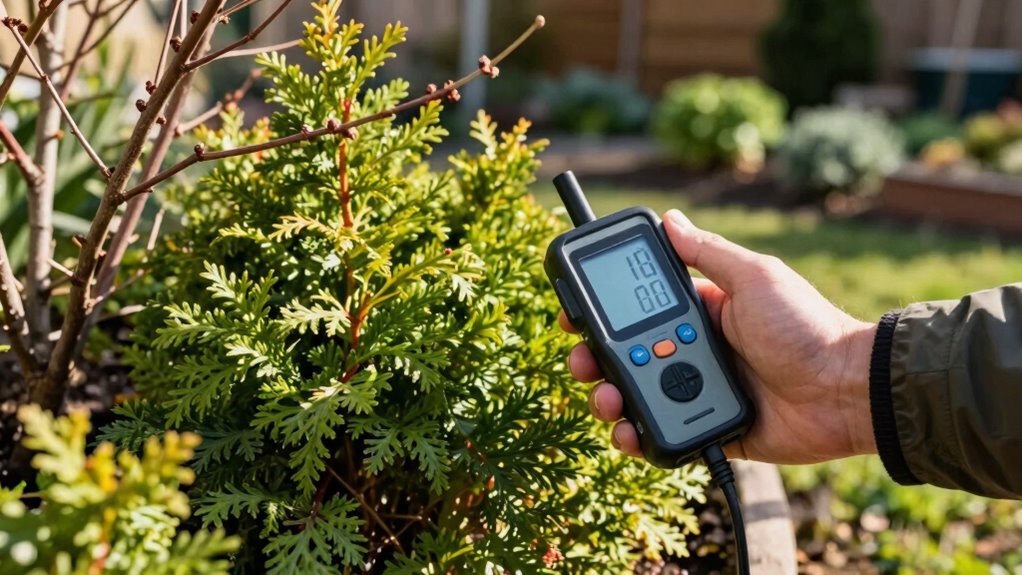
Adjusting your plant placement is key to giving them the ideal amount of sunlight. Proper sunlight adjustment guarantees your winter plants thrive and stay healthy. To optimize plant placement:
- Move plants closer to south-facing windows for maximum light exposure.
- Rotate potted plants weekly to prevent uneven sunlight distribution.
- Elevate low-light plants on stands or shelves to catch more sun.
- Remove any obstructions like heavy curtains or furniture blocking sunlight.
Visualize your plants basking in direct sunlight, their leaves shimmering with energy. Think of repositioning as a simple, effective way to enhance growth. Regular sunlight adjustment helps your plants adapt to shorter winter days and weaker sunlight, ensuring they get the light they need for robust health. Keep these tips in mind to master plant placement during the winter months.
When and How to Use Artificial Lights During Winter
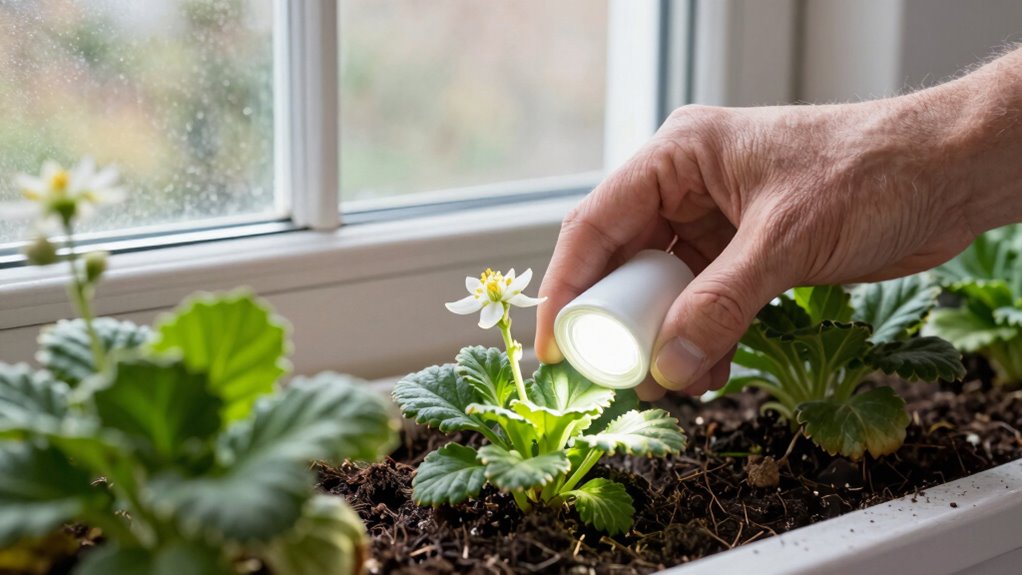
Since winter days are shorter and sunlight is weaker, artificial lights become essential for keeping your indoor plants healthy. Use LED grow lights to supplement natural light, especially when daylight is limited. Turn on the lights for about 12-16 hours daily, mimicking natural sunlight. Choose a light spectrum that promotes healthy growth, typically full-spectrum LEDs that include both blue and red wavelengths. Position the lights 12-24 inches above your plants, adjusting based on their size and type. Regularly monitor your plants for signs of light deficiency or overexposure. Consistent use of LED grow lights during winter guarantees your plants receive the necessary energy to thrive, even when natural sunlight is insufficient. This simple routine keeps your plants vibrant throughout the season.
Common Light-Related Problems and How to Fix Them

Light-related problems are common during winter if your plants don’t receive the right amount or quality of light. Insufficient light can cause leggy growth, pale leaves, or drooping stems. To fix this, consider the following:
- Ensure your plants are placed where they get maximum natural light, and supplement with artificial lights if needed.
- Adjust soil moisture carefully—overwatering can weaken plants, making them more vulnerable to pests.
- Rotate plants regularly to prevent uneven light exposure.
- Keep an eye out for pest prevention, as weak, stressed plants attract pests more easily.
Tips to Keep Your Plants Healthy All Winter Long
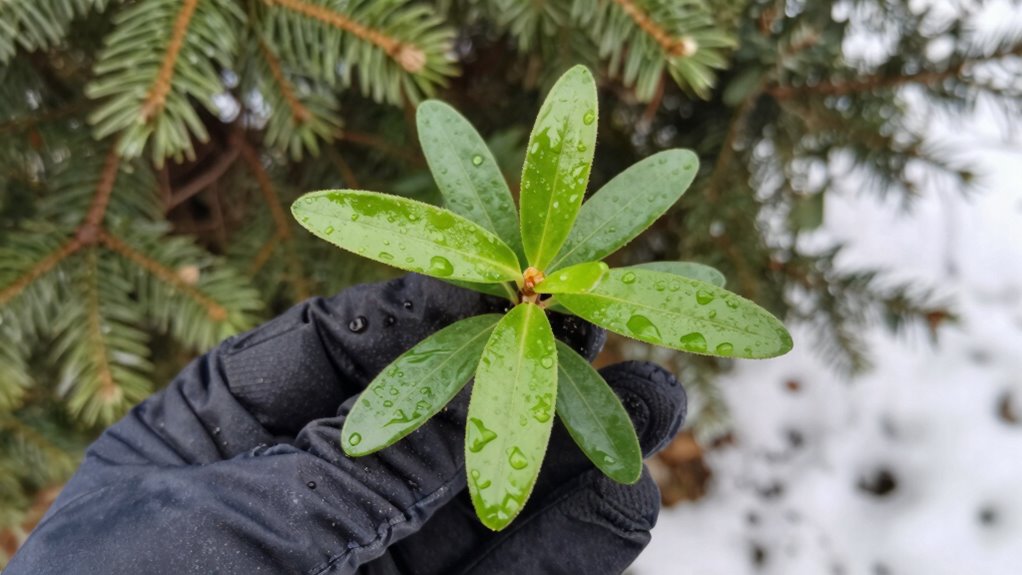
Keeping your plants healthy all winter requires consistent care and attention. Establish a watering schedule that matches your plants’ needs, avoiding overwatering or letting the soil dry out completely. During colder months, plants typically need less water, so check the soil moisture before watering. Additionally, focus on soil nutrition by supplementing with a balanced, slow-release fertilizer if necessary. Confirm your plants are in well-draining soil to prevent root rot. Keep them away from cold drafts and fluctuating temperatures, which can stress them out. Regularly inspect for signs of pests or disease, and prune dead or damaged leaves. By maintaining proper watering routines and nourishing the soil, you help your plants stay resilient and thrive throughout the winter months.
Frequently Asked Questions
Can Plants Recover if They’Ve Been in Low Light Too Long?
Yes, plants can recover from light deprivation if you act quickly. While prolonged low light can weaken them, their recovery potential depends on how severe the deprivation was and the overall health of the plant. To help them bounce back, increase light exposure gradually and guarantee proper care. With patience, many plants regain their strength and vitality, but early intervention is key to preventing permanent damage.
How Do Different Plant Species Respond to Varying Light Levels?
Different plant species respond to varying light levels based on their shade tolerance and light adaptation. Shade-tolerant plants thrive in low light, adapting by growing larger leaves to maximize photosynthesis. Sun-loving species require full sun, often developing thicker leaves or stems for protection. Understanding your plant’s shade tolerance helps you place it correctly, ensuring ideal growth. Adjusting light exposure according to their specific needs promotes health and vitality throughout the seasons.
Is There a Specific Season When Light Levels Affect Plant Health Most?
You’ll find that seasonal light patterns, especially during winter daylight, most affect plant health. As days get shorter and sunlight weakens, your plants might struggle if they don’t receive enough light. To keep them thriving, monitor how much natural light they get during winter, and consider supplemental lighting if needed. This helps maintain healthy growth, even when natural winter daylight is limited.
What Are Signs of Overexposure to Direct Winter Sunlight?
You’ll know you’re overexposed to winter sunlight if your plants show signs of leaf scorch or sun damage—think crispy, brown edges that seem to scream for shade. Too much direct sun can cause their leaves to wilt or develop mottled patches. If you notice these signs, move your plants to a spot with filtered light, and avoid letting them sit in harsh winter rays all day long.
How Often Should I Reassess My Indoor Plant’s Light Needs?
You should reevaluate your indoor plant’s light needs every few weeks, especially during seasonal light adjustments. Changes in natural light due to weather or time of year can impact their health. Keep indoor light consistent by observing your plants for signs of stress or growth changes, and adjust their placement accordingly. Regularly checking ensures your plants receive the right amount of light, helping them thrive throughout winter.
Conclusion
By mastering this quick light check, you’ll turn your winter plants into unstoppable green superheroes, thriving even in the gloomiest months. Don’t let dim days fool your plants into a sleepy slump—use these tips to give them the perfect glow. With just a little effort, your indoor jungle will flourish brighter than a summer sunbeam. Get ready to watch your plants thrive like nothing you’ve ever seen before—winter doesn’t stand a chance!
Fall Picks
fall essentials
As an affiliate, we earn on qualifying purchases.