TL;DR
Garden greenhouse kits provide a frame and covering that shelter plants, support seed starting, and can extend the growing season, but they do not automatically stay warm or protect against severe weather. Match the kit’s size, materials, and wind and snow ratings to your site, prepare a level base, anchor it securely, and plan for ventilation and shade. Check what the kit includes and what local rules require before you buy.
A sunny greenhouse can feel like summer at noon and turn chilly by dinner. That swing surprises many first-time buyers: a greenhouse captures sunlight, but its panels do not promise warm nights or trouble-free growing.

Get garden gear delivered free with Prime
- Fast, free delivery on millions of items
- Prime Video, Amazon Music and more included
- Member-only deals all year
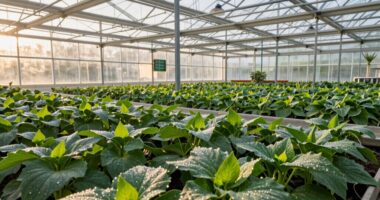
A garden greenhouse kit supplies a frame and a covering designed to create a more sheltered place for plants. With the right setup, you can start seedlings earlier, protect tender leaves from wind and rain, and keep tomatoes or peppers growing longer into the season. Your results depend on more than the box, though. Site, anchoring, ventilation, and climate shape how useful your greenhouse will be.
This guide walks you through choosing a size and style, comparing frames and coverings, preparing a safe site, and setting practical expectations for winter. You’ll also find real setup tips and answers to common questions, so you can choose a kit that suits the garden you have—not an idealized one.
Choose walk-in, lean-to, or compact greenhouse kits based on mature plants, workspace, paths, and site access.
Compare frames and coverings for weight, upkeep, insulation, light, and your local wind and snow exposure.
Prepare a level, stable base and use the anchoring method the manufacturer specifies.
Plan for vents, airflow, and shade because sunlight can heat a greenhouse quickly during the day.
Check local rules, warranty terms, load ratings, replacement parts, and included hardware before ordering.
Choose a greenhouse style that fits your space and routine
Garden greenhouse kits come in walk-in, lean-to, and compact forms; choose based on the plants and tasks you need room for. A walk-in model can hold shelves and a workbench, while a lean-to or mini greenhouse fits a patio or narrow garden. The right style gives you room to reach plants without taking over the whole yard.
Imagine starting tomato seedlings in March. In a walk-in greenhouse, you might place trays on shelves, keep a watering can nearby, and still have space to turn around. In a small covered unit, those same trays may fit, but you’ll need to move them outdoors as they grow. Think about mature plants, not just the little seedlings you’ll start with.
A lean-to uses a wall for shelter, but the wall’s direction, shade, and drainage affect how well the site works. A sunlit south-facing wall may warm the space, while a shaded wall can limit light. Cold frames and small covered units can protect seedlings while you harden them off, but they offer less room and less temperature control than walk-in structures.
- Walk-in: useful if you need shelves, paths, and space to work.
- Lean-to: suited to a patio or small garden with a suitable wall.
- Cold frame or compact unit: handy for a few plants or seedling trays.
Measure the footprint and the door swing before you order. Leave access for watering and maintenance, and picture the path you’ll take carrying a flat of seedlings on a wet morning.
Products Worth Considering

EGO Power+ Cordless Electric Leaf Blower, 880 CFM, with Two 4.0Ah Batteries (LB8803-2)

EGO POWER+ LB7654 56V Cordless Leaf Blower with 5.0Ah Battery

Husqvarna 120 Mark III Gas Chainsaw, 38 cc, 1.8 HP, 16-Inch Bar
As an affiliate, we earn on qualifying purchases.
Compare frames and coverings before you spend
A kit’s frame and covering affect its weight, light, insulation, upkeep, and cost. Aluminum is light and resists rust; steel weighs more and may need corrosion protection. Wood feels sturdy and looks at home in many gardens, but it needs maintenance. Plastic framing is light and often appears on lower-cost kits.
The covering changes the growing space too. Twin-wall polycarbonate panels diffuse light and insulate better than single-wall panels. Polyethylene film is inexpensive and easy to replace, though it usually needs more frequent replacement than rigid panels. Glass offers a clear view and can last when properly installed, but it is heavy, breakable, and requires a strong frame and careful site preparation.
For example, a gardener in a windy area may prefer the manageable weight of polycarbonate, while someone prioritizing clear views may choose glass if the base and frame can support it. Neither material cancels out local weather or poor assembly. Review the manufacturer’s specifications and check whether replacement panels are available before buying.
| Material | What it offers | What to check |
|---|---|---|
| Aluminum frame | Light weight and rust resistance | Anchoring and stated load ratings |
| Steel frame | Heavier structure | Corrosion protection and site exposure |
| Wood frame | Sturdy feel and natural appearance | Maintenance needs |
| Twin-wall polycarbonate | Diffused light and more insulation than single-wall panels | Panel quality and replacements |
| Glass | Clear views and durability when installed correctly | Weight, breakage risk, and frame strength |
Ask what the price includes. A kit provides a starting structure, but shelves, foundation materials, vents, anchoring hardware, and tools may cost extra.
Prepare a site that stays stable through rough weather
Good site preparation gives your greenhouse a level base, secure anchoring, useful sunlight, and room for drainage. Before buying, measure the available space and check property setbacks, local rules, and any homeowner association requirements. Look for access to water and electricity, if you’ll need them, and notice where rainwater flows after a storm.
A sheltered corner can feel like the obvious choice, but nearby trees may shade your plants or drop branches in a storm. On the other hand, a fully exposed spot may catch strong gusts. Compare the kit’s stated wind and snow-load ratings with local conditions, then follow the manufacturer’s instructions for the base and anchors. Lightweight structures can shift or fail in severe weather if they aren’t properly secured.
Consider a gardener assembling a small kit on a sloping patio. The frame may look straight at first, but an uneven base can make doors stick and panels fit poorly. Prepare the site before assembly and confirm that the finished structure will have a stable, level surface.
- Measure the footprint, door clearance, and room to walk around the kit.
- Check local requirements for permits, setbacks, and property restrictions.
- Study the site for sun, drainage, tree exposure, and access to utilities.
- Compare load ratings with your local wind and snow conditions.
- Prepare the base and anchors as the manufacturer directs.
Also review the instructions, parts list, warranty, and customer support details. Larger kits may need two or more people, a prepared foundation, and several hours or more to assemble.
Control heat and humidity so plants don’t struggle
Ventilation helps manage heat and humidity, two conditions that can change quickly inside a greenhouse. Sunlight warms the interior in the daytime, but temperatures may fall fast at night. Roof vents, side vents, doors, and circulation fans help move air through the space; they don’t remove the need to monitor conditions.
On a clear spring afternoon, a greenhouse that felt cool at breakfast can grow hot enough to stress tender seedlings by midday. Roof vents let hot air escape, while a fan helps circulate air around crowded pots. An automatic vent opener can open a vent as temperatures rise, but check that it’s working and keep an eye on the forecast.
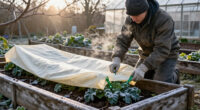
In a hot climate, shade cloth may prevent overheating. In a cold one, insulation or heating may be needed for frost-sensitive crops, with performance depending on the construction and weather. Don’t assume that a kit turns winter into summer: you may be able to extend your season without growing every crop year-round.
A greenhouse is a growing space, not a temperature guarantee. Plan for daytime heat, nighttime cooling, and the airflow your plants need.
Keep an eye on condensation and crowded foliage, which can leave the space humid and still. A simple temperature sensor, regular vent checks, and a fan can help you spot trouble before leaves droop. For a gardener growing tomatoes and peppers, ventilation and shade on bright days can matter as much as the panels overhead.
Match your crops to the season your greenhouse can support
Your crops set the greenhouse’s job: seedlings, leafy greens, and heat-loving vegetables make different demands on space and temperature. A sheltered greenhouse can help you start seedlings earlier and protect plants from wind, rain, and some pests. It can also keep supplies organized in one place, which makes everyday watering and potting easier.
Suppose you grow lettuce, herbs, tomatoes, and cucumbers. You might use shelves for seedlings and herbs, then reserve the brightest, easiest-to-ventilate area for mature tomatoes and cucumbers. The arrangement depends on your kit’s size, light, airflow, and local climate; tall plants can shade shorter ones, and crowded pots can restrict airflow.
Gardeners use greenhouses to extend the growing season, but extension isn’t the same as year-round production. Winter daylight, outside temperatures, insulation, and heating all affect what will grow well. In a mild area, you may keep some greens going; in a colder area, the greenhouse may mainly protect plants and supplies unless you add appropriate temperature control.
- Seed trays: use shelves to keep small starts organized.
- Leafy greens and herbs: plan for light and airflow around the pots.
- Tomatoes, peppers, and cucumbers: allow room for mature plants and ventilation.
- Supplies: reserve a dry, accessible spot for tools and labels.
Before you plant, sketch where trays, pots, and paths will go. That small step can reveal whether the greenhouse you’re considering will still work when your seedlings turn into full-sized plants.
Avoid the setup surprises that frustrate new greenhouse owners
A kit’s advertised price and size don’t tell the whole story; what’s included, how the site behaves, and how the structure will be maintained can shape the real cost. Recent category trends include compact patio models, modular designs, twin-wall polycarbonate panels, and add-ons such as automatic vent openers, shade cloth, shelving, and irrigation kits. Product claims and availability change, so check the current specifications with the manufacturer.
For example, a compact kit may suit a small garden, but the door, shelves, and walking space can leave less room for plants than the footprint suggests. A modular design may offer a route to expansion, but check whether add-on parts will remain available and fit your original structure. Review load ratings and replacement-panel availability alongside warranty terms.
Maintenance varies by material and weather. You may need to clean panels, inspect fasteners and seals, lubricate vents, repair film, or clear snow when the manufacturer advises it. Check the instructions for the right care and don’t assume a greenhouse will run itself after assembly.
- Before ordering: confirm whether the foundation, anchoring hardware, shelves, vents, and tools are included.
- Before assembly: prepare the base and arrange help for a larger structure.
- After assembly: check fasteners, seals, vents, and panels as part of regular upkeep.
A quick review of the parts list can prevent a long pause halfway through assembly because the anchors or foundation materials weren’t in the box. Treat the kit as one part of a growing setup, with your site and daily routine supplying the rest.
Frequently Asked Questions
What size greenhouse do I need?
Start with the crops and workspace you want, then allow room for shelves, paths, and doors. A kit that fits seed trays today may feel crowded once tomatoes and cucumbers reach full size.
Do greenhouse kits need a foundation?
Many need a level, stable base and secure anchoring, but the specific foundation depends on the kit and site. Follow the manufacturer’s instructions and prepare the base before assembly.
Will a greenhouse stay warm in winter?
Not by itself. Sunlight can warm the interior during the day, but heat may escape at night; insulation, thermal mass, or heating may be needed, depending on climate and construction.
Is polycarbonate or glass better?
Twin-wall polycarbonate is lighter than glass and provides more insulation than single-wall panels. Glass offers clear views and can last when installed properly, but it is heavy and breakable, so it needs a strong frame and careful site preparation.
How can I stop my greenhouse from overheating?
Use adequate roof or side vents, open doors when suitable, and consider a circulation fan or shade cloth. Monitor temperatures because the space can heat up quickly on a sunny day.
Can a greenhouse kit withstand wind or snow?
That depends on the kit’s design, its installation and anchoring, and local weather. Compare the stated load ratings with your conditions and follow the manufacturer’s guidance for the base and anchors.
Conclusion
Start with your site and your growing plans, then choose a kit that fits both. Measure carefully, check local rules and load ratings, prepare a stable base, and make ventilation part of the plan from day one.
A greenhouse can give seedlings shelter and buy you more weeks with your favorite crops, but the box is only the beginning. Build for the weather you have, and your garden can keep growing under a roof of bright, filtered light.