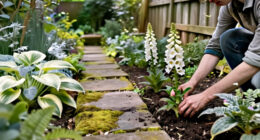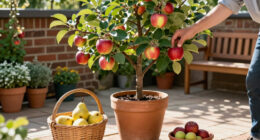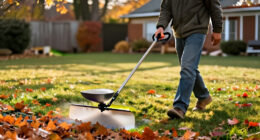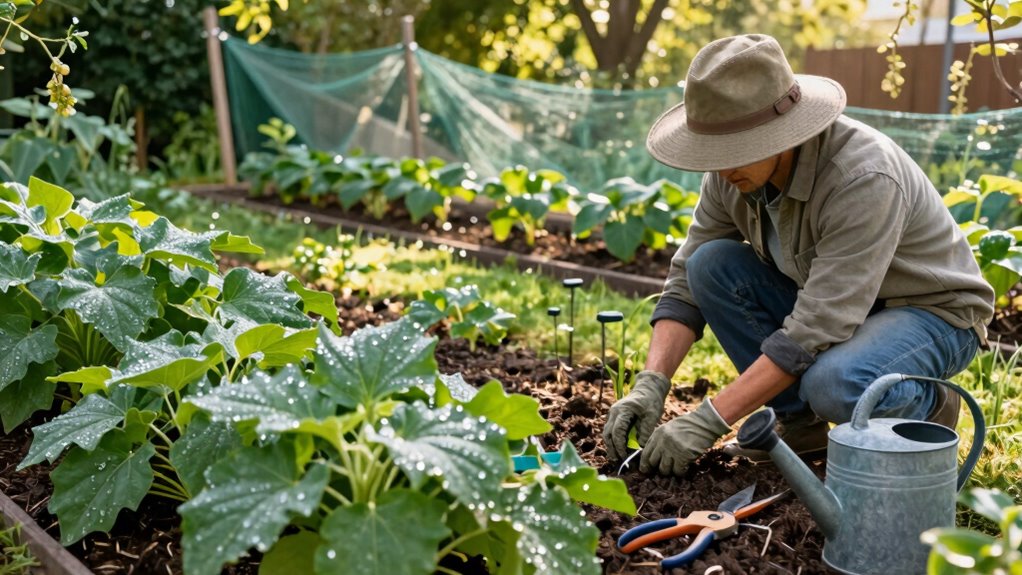

To protect your plants year-round, adjust your maintenance and setup for seasonal changes. In colder months, move plants to sheltered spots, trim dead leaves, and add mulch for insulation. During warmer periods, water more frequently, prune actively, and improve airflow by reorganizing containers or garden layouts. Monitoring environmental factors helps prevent stress and disease. Staying proactive guarantees healthy growth year-round—keep going to discover even more ways to keep your garden thriving through the seasons.

Get garden gear delivered free with Prime
- Fast, free delivery on millions of items
- Prime Video, Amazon Music and more included
- Member-only deals all year
Key Takeaways
- Adjust watering frequency based on seasonal temperature and soil moisture levels.
- Modify plant placement and repot to optimize light, temperature, and airflow for seasonal needs.
- Implement pest prevention strategies before pests become active or dormant.
- Mulch around plants to regulate soil temperature and retain moisture year-round.
- Trim and prune regularly to promote healthy growth and reduce pest hiding spots.
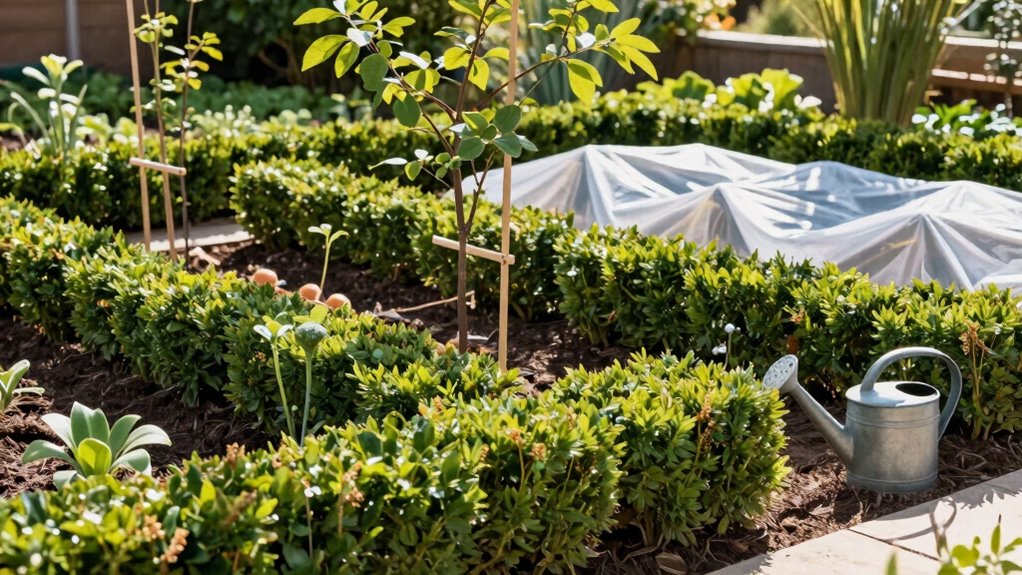
As the seasons change, it’s essential to prepare your plants for the upcoming weather conditions. Transitioning from summer to fall, or winter to spring, requires adjusting your plant care routine to ensure they stay healthy and thrive. One of the most important steps is reviewing your pest control strategies. As temperatures fluctuate, pests become more active or dormant, making it crucial to stay vigilant. Apply appropriate organic or chemical pest control methods before pests have a chance to damage your plants. Keep an eye out for common offenders like aphids, spider mites, and caterpillars, and remove any visible pests promptly. Regular inspections help prevent infestations from spreading, saving your plants from unnecessary stress or disease.
Alongside pest control, adjusting your watering schedules is key to seasonal plant maintenance. As the weather cools or warms, your plants’ water needs change. In cooler months, you might notice your plants require less frequent watering because evaporation slows down. Conversely, during warmer periods, they may need more consistent moisture to prevent stress and dehydration. It’s important to observe your plants closely and avoid overwatering, which can lead to root rot or fungal issues. Use your finger or a moisture meter to check soil moisture regularly, adjusting watering routines accordingly. Water early in the day so excess moisture can evaporate, reducing the risk of disease and pests. Monitoring soil moisture levels is a crucial step in maintaining healthy plants during seasonal transitions. Being aware of seasonal plant care helps you adapt your routine effectively. Additionally, understanding how plant health responds to environmental changes can guide your overall maintenance approach. Properly managing these factors can also prevent common garden pests from establishing themselves in your landscape.
Other setup changes include trimming dead or damaged leaves, which not only improves appearance but also reduces places where pests can hide. Mulching around your plants helps regulate soil temperature and retain moisture, especially during extreme weather shifts. If you’re growing in containers, consider repotting or repositioning your plants to better suit the new season’s light and temperature conditions. This setup helps prevent stress and encourages healthy growth. Incorporating proper garden layout can further improve air circulation and reduce disease risk.
Finally, pay attention to your plant placement and protection needs. Some plants may benefit from additional shielding against frost or wind, while others thrive in open sunlight. Adjust your garden layout to accommodate these factors, ensuring your plants are protected and receive optimal light and airflow. By staying proactive and attentive to pest control, watering schedules, and overall setup, you help your plants adapt smoothly to seasonal changes. This approach not only enhances their resilience but also ensures a vibrant, healthy garden year-round.
As an affiliate, we earn on qualifying purchases.
Frequently Asked Questions
How Often Should I Check for Pests During Seasonal Changes?
You should check for pests at least once a week during seasonal changes. Regular inspection routines help you catch pest prevention issues early, preventing damage and disease. Keep an eye on the undersides of leaves, stems, and soil surfaces. Consistent monitoring allows you to identify signs of pests promptly, so you can take action before they spread and threaten your plants’ health. Staying vigilant is key to effective pest management.
What Tools Are Essential for Seasonal Plant Maintenance?
Imagine your garden as a thriving symphony; essential tools keep its rhythm steady. You’ll need pruning shears for precise cuts, a trowel for planting, and a watering can to maintain proper watering schedules. Composting techniques help nourish the soil, ensuring healthy growth. These tools give you control, allowing you to nurture your plants through seasonal changes, keeping your garden vibrant and resilient all year round.
When Is the Best Time to Prune Different Types of Plants?
You should prune plants during their dormancy period, typically in late winter or early spring, to promote healthy growth. Use proper pruning techniques, like cutting just above a bud or lateral branch, to shape and remove dead or weak stems. For flowering plants, prune right after they bloom. Timing is essential to prevent damaging the plant and to guarantee vigorous growth when the growing season begins.
How Do I Protect Plants From Frost Damage?
Think of frost as a sneaky thief trying to steal your garden’s warmth. To protect your plants, start with frost resistant plants that can withstand cold. For the more vulnerable ones, use cold weather covers like blankets or burlap to shield them from icy winds and frost. Water your plants well before a frost, as moist soil retains heat better, giving your garden a fighting chance against the cold night’s chill.
Are There Specific Fertilizers for Seasonal Growth?
Yes, you should choose fertilizers tailored for seasonal growth. Look for fertilizers that boost soil nutrients relevant to the season, like higher nitrogen in spring for lush leaves or phosphorus in fall for root development. Follow specific fertilizer schedules to avoid over-fertilizing, which can harm plants. Adjust your fertilization routine according to the plant’s growth cycle and seasonal needs, ensuring ideal health and productivity year-round.
Conclusion
By embracing these seasonal maintenance tips, you’re practically transforming your garden into a lush, unstoppable jungle that could rival the rainforests! With each careful setup and protection, you’re unleashing a wild burst of vibrant growth that’s impossible to tame. So gear up, stay vigilant, and watch your plants thrive like never before—your garden will become a breathtaking, unstoppable masterpiece that’s the envy of every gardener in the neighborhood!
Fall Picks
fall essentials
As an affiliate, we earn on qualifying purchases.