TL;DR
Greenhouse kits for beginners are designed for easy assembly, durability, and flexible sizes. They can extend your growing season, boost plant health, and fit most budgets. Focus on materials, size, and climate features to choose the best fit.
Greenhouses aren’t just for pros or seasoned gardeners. If you’re new to gardening, a simple greenhouse kit can transform your space into a lush, productive oasis. The trick is picking one that’s easy to set up and built to last.
In this guide, you’ll learn exactly what to look for—size, materials, features—and get practical tips to start your green thumb journey confidently. No jargon, just straightforward advice to help you grow more, stress less.
Choose a manageable size like 4×4 or 6×6 ft to start strong without feeling overwhelmed.
Polycarbonate panels offer durability and insulation—worth the investment for lasting use.
Automation features like vents and timers make caring for your greenhouse easier—look for these in beginner kits.
Budget carefully; a quality setup may cost between $200 and $600 but provides years of growth and fun.
Start with adaptable plants like tomatoes, herbs, and flowers—save tropical or exotic varieties for later.
What Makes a Greenhouse Kit Perfect for Beginners?
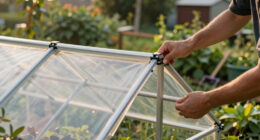
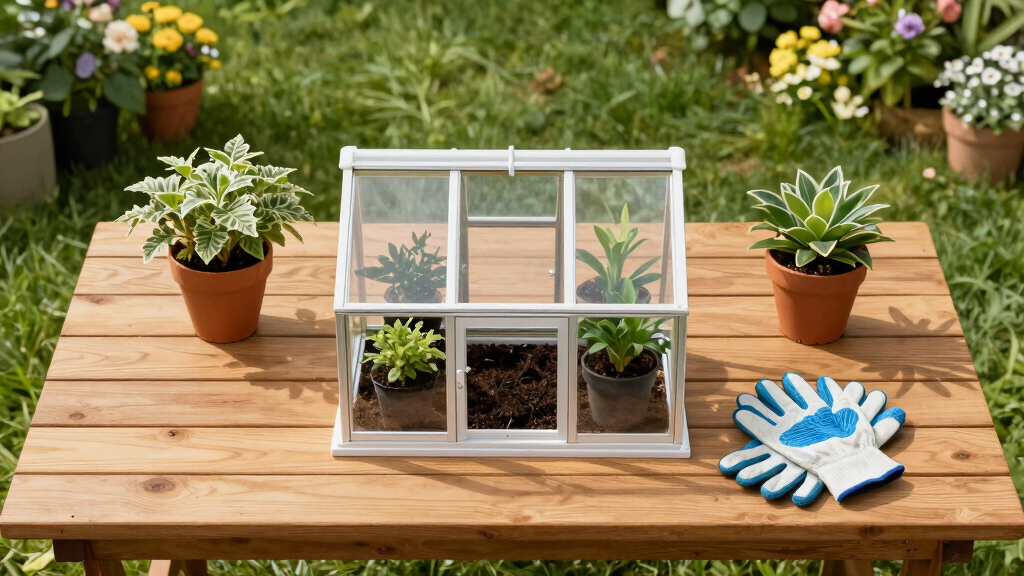
Beginner-friendly greenhouse kits are designed to be simple, sturdy, and flexible. They often come with clear instructions, pre-cut parts, and minimal tools. Imagine unboxing a kit, snapping pieces together like a giant puzzle, and watching your garden grow with little hassle.
For example, a 6×6 ft polycarbonate greenhouse can fit comfortably in most backyards, providing enough space for vegetables and herbs without overwhelming your yard or wallet. Durable materials like UV-resistant polycarbonate make sure you get years of use without cracking or yellowing.
Key features to consider include:
- Ease of assembly: Look for kits with detailed instructions and minimal tools.
- Size and space: Choose based on your yard, planting goals, and future plans.
- Materials: Polycarbonate panels are popular for strength and UV protection.
- Ventilation: Vents or windows keep air flowing, preventing overheating and humidity buildup.
Understanding these features helps you prioritize what matters most—ease, durability, and functionality—so you can select a kit that aligns with your gardening ambitions and space constraints.
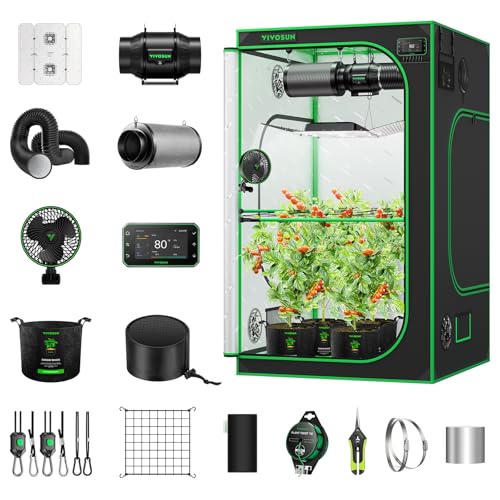
VIVOSUN Smart Pro Grow Tent Kit 4×4 Complete Smart Grow System WiFi-Integrated Automatic Control GrowHub E42A+, 2-in-1 Tunable Spectrum LED Grow Light 400W, 360° Ventilation Control System
- Complete Indoor Grow System: Includes tent, light, ventilation, and accessories
- WiFi-Connected Smart Control: Manage devices via app with real-time data
- Tunable Spectrum LED Light: Adjustable 400W grow light for optimal growth
As an affiliate, we earn on qualifying purchases.
As an affiliate, we earn on qualifying purchases.
Latest Innovations That Make Greenhouses Easier for New Gardeners
Modern beginner greenhouse kits now come with smart features that cut down setup stress and improve plant care. For instance, some include automatic vents and climate sensors that regulate temperature and humidity. These features are important because they help create a stable environment, which is critical for plant health, especially for beginners who might not yet master microclimate management.
Recent advances include:
- Modular designs: These allow you to expand your greenhouse as your confidence and plant collection grow. They provide flexibility, so you’re not stuck with a size that’s too small or too large from the start.
- New materials: UV-resistant polycarbonate and other advanced plastics last longer and insulate better, which means less maintenance and energy use. This reduces long-term costs and environmental impact.
- Automation: Automated vents, timers, and LED grow lights simplify daily care, making it easier to maintain optimal conditions without constant manual adjustments. For beginners, this means fewer worries about overheating or overwatering.
- Sustainable options: Recycled materials and energy-efficient designs not only help the environment but can also reduce operational costs over time.
- Online support: Tutorials, customer service, and community forums provide ongoing assistance, which is invaluable when troubleshooting or learning new skills.
For example, a beginner might start with a 4×4 ft kit equipped with automated vents that open when temperatures rise, then as they gain confidence, they can add modules like shelves or additional grow lights. These innovations reduce the learning curve and make gardening more accessible and enjoyable.
How Big Should Your First Greenhouse Be? 4 Tips to Pick the Right Size
Choosing the right size is key to avoiding overwhelm and wasted space. For most beginners, a 4×4 ft or 6×6 ft model hits the sweet spot. It’s large enough to grow a variety of herbs, tomatoes, and peppers, yet manageable for one person to assemble and maintain.
Here are quick tips:
- Start small: Use a 4×4 or 6×6 ft kit if you’re new. It allows you to learn the basics without feeling overwhelmed, and you can always expand once you’re comfortable with the setup and maintenance.
- Measure your space: Ensure the area you choose gets ample sunlight and has good airflow. Proper placement impacts plant growth and reduces issues like mold or overheating.
- Consider your goals: If you want to grow only herbs, a smaller size might suffice. For vegetables or a wider variety of plants, opt for a larger model to accommodate different needs and prevent overcrowding.
- Think about future growth: Select a kit that can be expanded or upgraded later. This way, you won’t outgrow your initial setup too quickly, and you can adapt as your gardening skills develop.
For example, a backyard gardener with limited space might opt for a 4×4 ft kit, which fits neatly against a sunny fence, making it easy to access and maintain. Conversely, a more ambitious grower with ample space might choose an 8×8 ft model to maximize production and experimentation.
Polycarbonate or Plastic? Which Material Keeps Your Greenhouse Happy
Polycarbonate panels are highly valued among beginners because they strike a balance between durability, insulation, and safety. They’re tough, impact-resistant, and resist UV damage, which means they won’t crack or yellow easily—vital for protecting your plants and investment over many seasons. Good insulation reduces heat loss, helping maintain stable temperatures, especially in cooler climates. This consistency supports healthy plant growth and reduces energy costs.
In contrast, polyethylene film is much cheaper and easier to install, often used in temporary or low-budget setups. However, it’s less durable, prone to tearing, and needs replacement every few years, which can lead to higher long-term costs and maintenance. The tradeoff is convenience versus longevity. If you’re committed to a long-lasting greenhouse that minimizes upkeep, polycarbonate is the better choice. For quick, low-cost projects or experimental setups, plastic film can suffice but expect more frequent replacements and less insulation.
Here’s a quick comparison:
| Feature | Polycarbonate | Polyethylene Film |
|---|---|---|
| Durability | High; lasts 10+ years with minimal yellowing or cracking | Lower; typically 2-5 years before needing replacement |
| UV Resistance | Excellent; maintains clarity and strength over time | Limited; degrades faster under sun exposure |
| Insulation | Superior; helps stabilize internal temperatures, reducing energy costs | Poor; less effective at retaining heat |
| Cost | Higher initial investment but cost-effective long-term | Lower upfront, but potential replacement costs add up |
In summary, choosing polycarbonate panels over plastic film offers greater peace of mind and efficiency, especially if you plan to use your greenhouse over many seasons. The initial investment pays off through reduced maintenance, better plant conditions, and lower energy bills, making it a smart choice for committed beginner gardeners.
What About Cost? Budgeting for Your First Greenhouse Kit
Price tags for beginner greenhouse kits vary widely, reflecting differences in size, materials, features, and brand. Understanding what you get at different price points helps you make a smart investment that aligns with your gardening goals and budget. Generally, spending a bit more on quality materials and features pays off in durability and ease of use, reducing frustration and replacement costs down the line.
For example, a basic 4×4 ft polycarbonate greenhouse might cost around $200, providing enough space for herbs and small vegetables, and offering durability for several seasons. Larger or more feature-rich models with automated vents or extra accessories can range from $600 to over $1,200, but these investments can significantly enhance your gardening experience, especially as a beginner aiming for consistent results.
Here’s a detailed breakdown:
- Basic models: $100 – $300, suitable for small-scale gardening, herbs, or starting seedlings.
- Mid-range kits: $300 – $600, ideal for growing vegetables, flowers, and more ambitious projects.
- Premium setups: $700 – $1,200+, equipped with automation, better insulation, and larger sizes for extensive gardening.
While it might be tempting to go for the cheapest option, investing slightly more upfront can prevent frustrations, reduce maintenance, and extend the lifespan of your greenhouse. Remember, a well-chosen setup can last a decade or more if properly maintained, making it a worthwhile long-term investment.
Can I Grow All Types of Plants in My Beginner Greenhouse?
Most common vegetables, herbs, and flowers thrive in beginner greenhouses because they benefit from the controlled environment that extends growing seasons and shields plants from pests and harsh weather. Tomatoes, peppers, basil, marigolds, and lettuce are excellent starting points because they are adaptable and forgiving, making them ideal for beginners. The environment helps maintain consistent temperatures and humidity levels, which are crucial for healthy growth and preventing diseases.
However, some plants—especially tropical or exotic varieties like orchids, bananas, or certain cacti—may require specific conditions that are difficult to replicate in a basic beginner greenhouse. These plants often need higher humidity, specialized lighting, or temperature ranges beyond what a standard kit provides. Attempting to grow such plants without proper resources can lead to poor health or failure.
Start with hardy, adaptable plants that thrive in typical greenhouse conditions. As your experience and confidence grow, you can experiment with more delicate or exotic species. For instance, growing cherry tomatoes and basil in a 6×6 ft kit can provide a rewarding harvest, reinforcing your skills and understanding of microclimate control. Over time, your greenhouse can become a versatile space for a wide variety of plants, but initial success depends on choosing the right, manageable options.
Frequently Asked Questions
What size greenhouse kit should I start with as a beginner?
Most beginners find a 4×4 ft or 6×6 ft kit perfect. It offers enough space for a variety of plants without being overwhelming to assemble or maintain.
Are greenhouse kits easy to assemble for someone with no experience?
Yes. Most kits come with step-by-step instructions, pre-cut parts, and minimal tools. Many beginners complete their setup in a few hours, feeling proud and accomplished.
What materials should I choose for my first greenhouse?
Polycarbonate panels are best for durability and insulation. They’re safer and last longer than plastic film, which is cheaper but less durable. Think of polycarbonate as a long-term investment in your gardening journey.
How much can I expect to spend on my starter greenhouse?
Prices range from about $100 for small, basic models to over $1,000 for larger, feature-rich setups. Budget wisely, and remember that a quality greenhouse can last over a decade if cared for properly.
What plants are easiest to grow in a beginner greenhouse?
Herbs like basil and parsley, vegetables such as tomatoes and peppers, and colorful flowers like marigolds thrive in beginner setups. Start simple, and expand your plant list as you gain confidence.
Conclusion
With the right beginner greenhouse kit, you turn a simple space into a lush garden oasis—no green thumb required. Pick a size that fits your space, invest in durable materials, and don’t forget automation to keep things easy.
Imagine fresh herbs, plump tomatoes, and vibrant flowers blooming year-round—your garden, just a kit away. Ready to get growing?