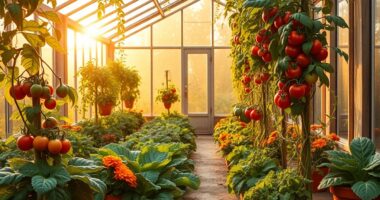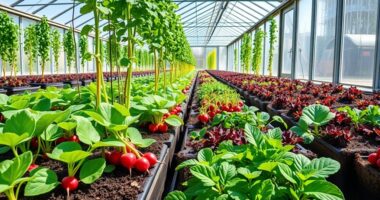
For a successful spring greenhouse, consider sowing crops like lettuce, herbs, radishes, spinach, and sweet peas, which thrive in earlier seasons. Stagger your planting to ensure a steady harvest and use succession planting techniques. Keep environmental conditions in check to prevent pests and diseases. With proper planning, you can enjoy a continuous, bountiful harvest all season long. Keep exploring for more tips to optimize your greenhouse success throughout spring.
Key Takeaways
- Choose cool-season crops like lettuce, spinach, and herbs for early spring greenhouse planting.
- Implement succession planting to maximize yield and ensure a continuous harvest throughout spring.
- Maintain optimal environmental conditions—temperature, humidity, and ventilation—for healthy crop growth.
- Use pest management strategies, including beneficial insects and organic controls, to protect spring crops.
- Rotate crops and stagger sowing times to prevent overcrowding and reduce pest risks.
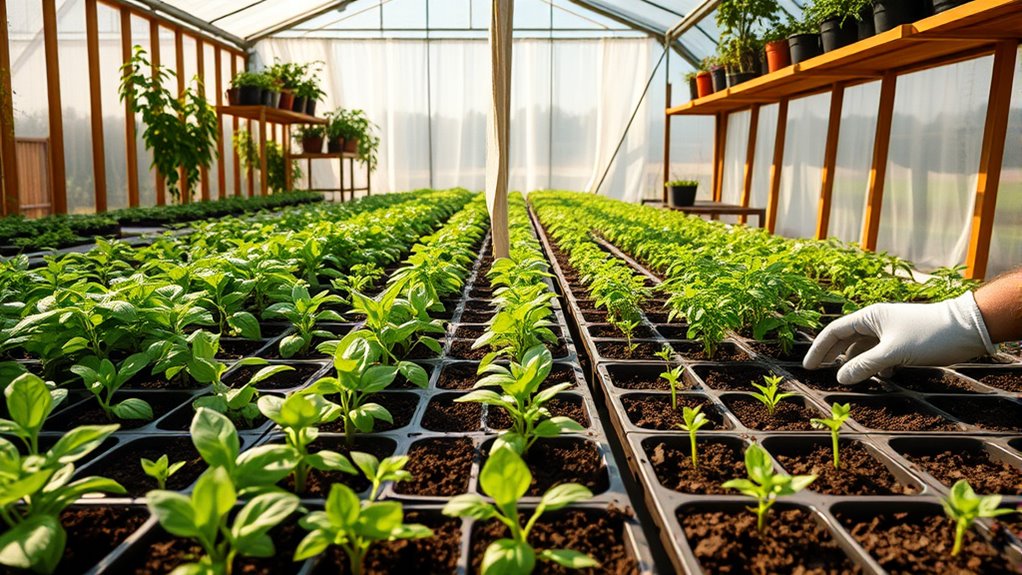
Are you ready to embrace the season of renewal? Spring is the perfect time to start fresh with your gardening plans, especially inside your greenhouse. With the right approach, you can maximize your growing season and enjoy fresh, homegrown produce for months. One effective strategy to keep your greenhouse productive is succession planting. By staggering your sowing times, you ensure a continuous harvest instead of a burst of crops all at once. For example, plant new batches of lettuce or herbs every couple of weeks to maintain a steady supply. This technique not only boosts your yield but also helps you manage space efficiently. Additionally, succession planting can reduce the risk of pests taking over an entire crop, as you’re constantly rotating different plants and avoiding monocultures that pests love.
Speaking of pests, pest management is critical during spring planting. Your greenhouse provides a controlled environment, but it’s still vulnerable to common pests like aphids, whiteflies, and spider mites. To keep these pests at bay, start with preventative measures—inspect new seedlings carefully before transplanting and keep the greenhouse clean. Introducing beneficial insects, such as ladybugs or predatory mites, can help naturally control pest populations. Regularly monitor your plants for signs of trouble, and act swiftly if you notice any pest activity. Using organic pest control methods, like neem oil or insecticidal soap, can be effective without harming your plants or the environment. Remember, early intervention is key to avoiding infestations that can devastate your crops. Proper ventilation and temperature control are essential to prevent disease and promote healthy growth in your greenhouse.

HOME GROWN Lettuce Seeds 5 Variety Mix 3950+ Bulk Pack Heirloom Non-GMO, High Germination, Romaine, Bibb, Buttercrunch, Iceberg, Black Seeded Simpson, Indoor Outdoor Hydroponic Garden (Lactuca sativa)
FIVE FLAVORFUL VARIETIES FOR A COMPLETE SALAD GARDEN SOLUTION. This lettuce seed pack includes black seeded simpson, red…
As an affiliate, we earn on qualifying purchases.
As an affiliate, we earn on qualifying purchases.
Frequently Asked Questions
How Do I Control Pests in My Greenhouse During Spring?
You should start by selecting pest-resistant varieties to reduce infestations. Maintain good hygiene, like cleaning and removing debris, to prevent pests. Use natural pest control methods, such as introducing beneficial insects or applying organic sprays, to keep pests in check. Regularly inspect your plants for early signs of pests, and act quickly to minimize damage. Combining these strategies helps you effectively control pests during spring in your greenhouse.
What Soil Amendments Are Best for Spring Planting?
You should start by testing your soil to identify nutrient deficiencies and pH levels. Based on the results, enrich your soil with compost to improve fertility and structure. Incorporate organic amendments like aged manure or worm castings for added nutrients. These steps guarantee your plants get the ideal environment for healthy growth, helping you achieve a productive and vibrant spring greenhouse season.
How Often Should I Water My Greenhouse Crops in Spring?
You should water your greenhouse crops consistently, generally every 1-2 days, depending on the moisture management needs of your plants and environmental conditions. Check the soil moisture regularly by feeling the top inch; if it feels dry, it’s time to water. Avoid overwatering, which can lead to root rot. Adjust your watering frequency based on temperature, humidity, and plant type to keep your crops healthy and thriving during spring.
Can I Grow Tropical Plants Indoors in Spring?
Did you know that tropical plants can thrive indoors with proper care? Yes, you can grow them in spring, but you’ll need to focus on tropical plant care, especially indoor humidity control. Maintain humidity levels around 60-80% to mimic their natural environment, and make certain they get bright, indirect light. With consistent watering and proper temperature management, your tropical plants will flourish indoors during spring.
What Lighting Adjustments Are Needed for Spring Planting?
You should adjust your lighting schedules to accommodate spring planting by providing more hours of light each day, typically 12-16 hours. If natural sunlight is limited, use supplemental lighting like grow lights to make certain your plants get enough light for healthy growth. Keep the lights on during the brightest part of the day and for a consistent period, mimicking longer daylight hours, which encourages robust development and better yields.
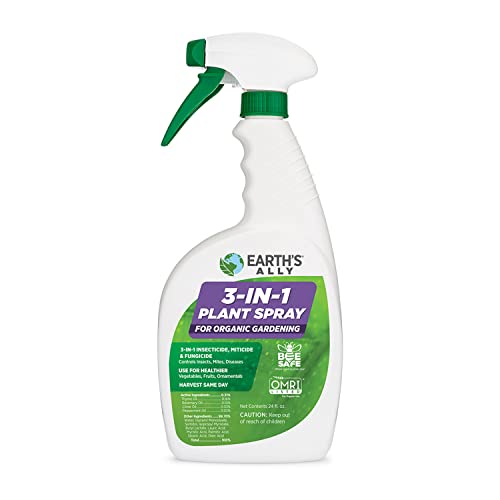
Earth's Ally 3-in-1 Plant Spray for Pests and Disease – Organic Insecticide, Fungicide and Spider Mite Control – OMRI Listed Indoor Outdoor Garden Spray – Safe for Pollinators, Kids and Pets – 24 oz
READY-TO-USE NATURAL SOLUTION – Earth's Ally 3 in 1 Plant Spray is a multi-purpose pest and fungus spray…
As an affiliate, we earn on qualifying purchases.
As an affiliate, we earn on qualifying purchases.
Conclusion
As you start planting this spring, remember that over 80% of home gardeners report increased satisfaction when growing their own vegetables. Choosing the right crops for your greenhouse not only boosts your harvest but also enhances your gardening experience. Whether you’re growing tomatoes or herbs, each seed you sow brings you closer to fresh, delicious produce. So get your greenhouse ready and enjoy the rewarding process of nurturing your top crops this season!

BioLogic's Scanmask Steinernema Feltiae (Sf) Beneficial Nematodes for Natural Insect Pest Control, 5 Million Size
NATURAL PEST CONTROL: Kills over 230 different pests. Safe for people, pets, plants and beneficials!
As an affiliate, we earn on qualifying purchases.
As an affiliate, we earn on qualifying purchases.

Edward Tools Bulb Planter – Bend Free Tool for Planting Bulbs, Depth Marker for More consistent Planting Tulips, Daffodils, Dahlias (Assorted)
Automatic soil release mechanism for quicker planting
As an affiliate, we earn on qualifying purchases.
As an affiliate, we earn on qualifying purchases.