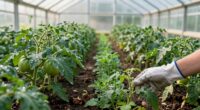
To think smart about spring starts and winter holds, pay close attention to your local climate and soil conditions. Avoid rushing into planting too early, as cold snaps and unready soil can damage young plants. Instead, monitor weather forecasts and soil temperatures, and consider starting seedlings indoors or choosing hardy varieties. Patience and flexibility are key. If you stay attentive to these factors, you’ll set your garden up for success—more tips await as you explore further.
Key Takeaways
- Assess local climate and soil temperatures to determine ideal planting windows, avoiding premature starts.
- Use weather forecasts and soil condition monitoring to time planting decisions carefully.
- Start seedlings indoors or in protected environments to extend the growing season safely.
- Select hardy plant varieties resistant to late frosts and cold snaps.
- Be flexible and patient, waiting for truly suitable conditions to ensure healthy growth and higher yields.
Have you ever wondered whether it’s better to rush into spring planting or hold off during lingering winter holds? Deciding when to start your planting depends heavily on understanding both your local climate and the current winter weather conditions. Jumping the gun might seem tempting, especially if you’re eager to get your garden growing, but premature spring planting can backfire if winter weather suddenly returns or if the soil isn’t ready. On the other hand, waiting too long can delay your harvest and reduce your yields. The key is finding a balance that considers the specific patterns of your region, including how winter weather impacts your planting schedule.
Timing your spring planting wisely ensures healthier crops and better yields. Patience and observation are key.
Spring planting is an exciting milestone, signaling new beginnings and growth, but it’s crucial to time it right. You want to ensure the soil has warmed sufficiently and that the risk of frost has diminished. If you plant too early, cold snaps can damage young plants, delay growth, or even kill seedlings. Conversely, if you wait too long, you might miss the optimal window for certain crops, which can impact their development and your overall harvest. Monitoring local weather forecasts and soil temperatures provides valuable clues about when conditions are truly suitable for planting. Remember, soil warming is a gradual process, and patience often pays off in the long run.
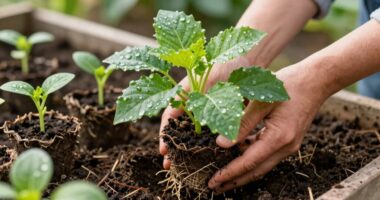
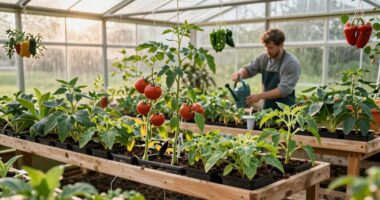
Winter weather can be unpredictable, and it often extends its hold well past the official start of spring. Sudden cold snaps, late frosts, or unexpected snowfalls can undo early planting efforts. That’s why it’s essential to stay informed about upcoming weather patterns and to adapt your plans accordingly. You might consider starting your seedlings indoors or in protected areas if you’re eager to get a jump on the season. This approach allows you to extend your growing season without risking damage from lingering winter weather. Also, selecting hardy plant varieties that can withstand cooler temperatures can give you a head start without putting your entire crop at risk. Understanding climate patterns and how they influence your planting schedule can help you make informed decisions and avoid setbacks. Recognizing the importance of local climate in planning your planting timeline is crucial for success. Being aware of soil conditions and how they change over time can significantly improve your planting results. Additionally, understanding soil temperature trends can help you better gauge the right moment to plant. A careful assessment of winter weather patterns can also provide insight into the likelihood of late cold spells and frost risks.
In the end, the smart approach to spring starts involves patience, careful observation, and flexibility. By paying attention to local winter weather patterns and soil conditions, you can time your planting more effectively. This way, you avoid unnecessary setbacks caused by premature planting and make the most of the growing season ahead. Remember, rushing into spring planting during lingering winter holds can lead to more setbacks than successes, so it’s wiser to wait until conditions are truly right. When you do, you’ll set the stage for healthier plants, better yields, and a more satisfying gardening season.
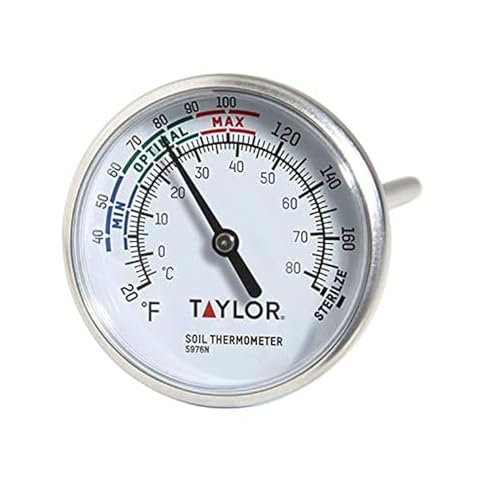
Taylor Soil Testing Thermometer, Gardening Tool for Plant Care, Gardening, Lawn, Farm, Outdoor Use, 4" Inch Stem
- Soil Temperature Measurement: Measures 2 inches below surface
- Planting Planning Tool: Helps determine optimal planting times
- Wide Temperature Range: 20°F to 180°F / 0°C to 80°C
As an affiliate, we earn on qualifying purchases.
As an affiliate, we earn on qualifying purchases.
Frequently Asked Questions
How Do Weather Patterns Influence Spring Start Timings?
Weather patterns directly influence spring start timings by causing temperature fluctuations that trigger or delay spring growth. When temperatures rise steadily, plants and trees sense it’s time to awaken, leading to earlier spring growth. Conversely, unpredictable weather or lingering cold spells can hold back growth, delaying spring’s arrival. You’ll notice that consistent warm weather generally signals the proper time for spring to start, while sudden cold snaps can postpone it.
What Are Common Mistakes When Transitioning From Winter Holds?
When shifting from winter holds, you often make mistakes like rushing into spring activities without prioritizing spring safety. You might neglect proper gear preparation, which can lead to accidents. Always check weather conditions, update your gear, and gradually ease into warmer weather. Taking these steps helps prevent injuries, guarantees a smoother changeover, and keeps you safe while enjoying spring adventures. Remember, patience and preparation are key.
How Can I Predict the Best Time for Spring Starts?
You can predict the best time for spring starts by paying close attention to your winter preparation and observing local weather patterns. Keep an eye on soil temperatures, as they need to reach a comfortable level for planting. Generally, when the risk of frost is minimal, it’s a good time for spring planting. Trust your instincts, stay informed with weather forecasts, and you’ll find the perfect window to welcome new growth.
Are There Specific Tools to Track Winter Holds Accurately?
Yes, you can use seasonal forecasting tools to track winter holds accurately. These tools analyze historical weather patterns, snowpack data, and temperature trends to predict potential hold periods. By leveraging these forecasts, you can optimize your planning and decision-making processes. Keep in mind that combining multiple data sources improves accuracy. Regularly updating your information guarantees you stay ahead of winter hold trends and plan your activities effectively.
How Do Climate Changes Affect Spring and Winter Scheduling?
Climate changes considerably impact spring and winter scheduling by making seasonal patterns less predictable. You need to focus on climate adaptation strategies and utilize seasonal forecasting tools to adjust schedules proactively. By monitoring evolving climate data, you can better anticipate delays or early starts, reducing disruptions. Staying flexible and informed helps you manage winter holds and spring starts more effectively in a changing climate.
Conclusion
As you navigate spring starts and winter holds, remember to remain resilient and ready. Embrace the evolving energy of the seasons, shifting smoothly from cold, cautious holds to confident, fresh starts. Stay steadfast, steady, and strategic, seizing each seasonal shift with skill and spirit. Let the changing climate inspire your courage, cultivating a cycle of seamless transitions. With a sharp, spirited mindset, you’ll master the art of seasonal shifts, turning challenges into charming chapters of your journey.