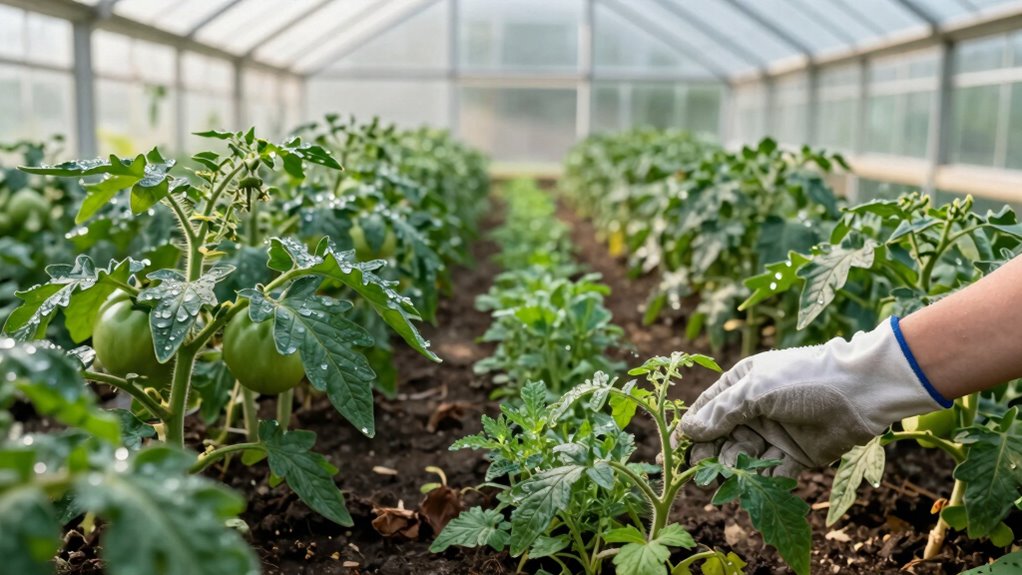

Relying on surface cleaning alone isn’t enough because pests, pathogens, and weed seeds can hide in soil and equipment, posing ongoing threats to your greenhouse. Surface cleaning might remove visible dirt, but it doesn’t eliminate these hidden dangers. Without thorough sterilization, pests and diseases can quickly spread, weakening your plants and reducing yields. Implementing proper sanitation and soil sterilization creates a healthier environment. To discover the key steps for effective greenhouse hygiene, keep exploring this essential topic.

Get garden gear delivered free with Prime
- Fast, free delivery on millions of items
- Prime Video, Amazon Music and more included
- Member-only deals all year
Key Takeaways
- Surface cleaning misses hidden pests, pathogens, and eggs lurking in soil and equipment, risking reinfestation.
- Soil sterilization is essential to eliminate soil-borne diseases and prevent ongoing pest issues.
- Relying on minimal cleaning allows harmful microbes and pests to persist and multiply.
- Proper sanitation breaks pest and disease cycles, ensuring healthier, more resilient plants.
- Shortcuts in cleaning compromise long-term greenhouse productivity and plant health.
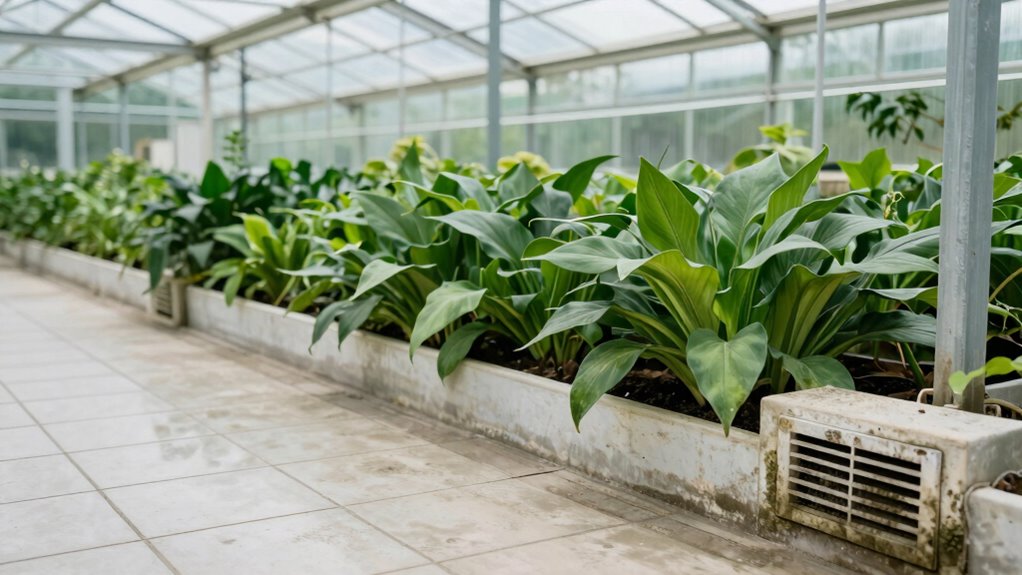
Have you ever wondered how maintaining a clean greenhouse impacts plant health and productivity? Keeping your greenhouse spotless isn’t just about appearances; it’s a crucial step in ensuring healthy growth and maximizing yields. One key aspect often overlooked is soil sterilization. If you neglect this, pests and diseases can linger in the soil, waiting to attack your plants at the first opportunity. Simply removing visible dirt isn’t enough—thorough soil sterilization helps eliminate pathogens, weed seeds, and harmful microorganisms that can compromise your entire crop. When soil remains contaminated, pests such as root maggots or soil-borne fungi can quickly spread, making pest management more difficult and less effective. This initial step is vital because it reduces the need for chemical interventions later on, creating a healthier environment for your plants.
A common mistake is settling for “clean enough” when it comes to greenhouse sanitation. But in reality, surface cleaning doesn’t address the hidden threats lurking in the soil or on equipment. Pests and their eggs can hide in corners, on benches, or within soil containers, waiting to hatch and infest your plants. When you cut corners, you give pests a foothold, and they multiply rapidly. Effective pest management begins with a rigorous cleaning routine—disinfecting tools, wiping down surfaces, and sterilizing soil and growing media. This reduces the pest population to manageable levels and prevents outbreaks that can devastate your crop. If you think a quick sweep is enough, you’re risking a cycle of recurring pests and plant diseases that can be tough to control later. Additionally, understanding soil sterilization techniques and their importance can significantly improve your overall pest and disease control efforts. Proper sanitation practices are also essential in preventing the spread of microbes that can cause plant illnesses, further emphasizing the importance of going beyond surface cleaning. Regular sanitation routines—including disinfection and sterilization practices—are critical in maintaining a resilient greenhouse environment. Incorporating comprehensive sanitation methods, including targeted sterilization procedures, can greatly enhance your success in maintaining a healthy greenhouse environment.
Furthermore, a clean environment directly impacts plant health by reducing microbial competition and disease pressure. When you fail to go beyond “clean enough,” you may inadvertently foster conditions that favor harmful organisms. Proper soil sterilization ensures that your plants don’t have to compete with pathogenic microbes for nutrients, leading to stronger, healthier growth. It also minimizes the risk of spreading diseases through contaminated tools or containers. The truth is, maintaining a high standard of cleanliness isn’t just about aesthetics; it’s about creating an ideal environment where plants can thrive without constant intervention. When you invest in thorough sanitation practices, you’re setting a foundation for consistent productivity and healthier crops. Cutting corners might seem easier in the short term, but in the long run, it compromises your greenhouse’s success.
As an affiliate, we earn on qualifying purchases.
Frequently Asked Questions
How Often Should I Deep Clean My Greenhouse?
You should deep clean your greenhouse at least once every season to maintain ideal conditions. Incorporate this into your seasonal cleaning schedule, focusing on sanitizing surfaces, vents, and tools to prevent disease and pests. Regular greenhouse maintenance isn’t just about routine cleaning; deep cleaning guarantees a healthier environment for your plants. Set reminders to thoroughly clean, especially after planting or harvesting, to keep your greenhouse in top shape year-round.
What Cleaning Products Are Safest for Plants?
Imagine your greenhouse as a delicate dance floor, where every step matters. Use biodegradable cleaners and plant-safe disinfectants to keep that dance pristine without harming your plants. These products break down naturally and are gentle on your greenery, ensuring a safe environment. Avoid harsh chemicals, as they can damage your plants or linger in the soil. Stick to these eco-friendly options for a healthy, thriving greenhouse.
Can Improper Cleaning Harm My Crops?
Improper cleaning can definitely harm your crops. If you don’t thoroughly sterilize soil or properly eradicate pests, diseases can spread and damage plants. Residual chemicals from cleaning products can also contaminate soil and hinder plant growth. To protect your crops, make sure you follow proper soil sterilization methods and pest eradication techniques. This helps create a healthy environment, reducing disease risk and promoting strong, healthy plants.
How Do I Prevent Mold and Pests During Cleaning?
To prevent mold and pests during cleaning, you should thoroughly remove debris and dead plant material, which attract pests. Use a mixture of water and a mild disinfectant to clean all surfaces, ensuring mold prevention. Regularly inspect for signs of pests and apply natural pest control methods if needed. Proper ventilation also helps keep humidity low, reducing mold growth and pest habitats, creating a healthier environment for your crops.
What Tools Are Best for Greenhouse Sanitation?
You’ll want sturdy brushes, spray bottles, and disinfectant tools to start your sanitation. Use biological controls to naturally combat pests, and maintain a strict sanitation schedule to prevent buildup. A scrub brush cuts through stubborn grime, while a sprayer evenly applies cleaning solutions. Together, these tools create a rhythm of cleanliness, ensuring your greenhouse stays healthy and pest-free, with each step reinforcing your vigilant defense against mold and pests.
Conclusion
Ultimately, aiming for “clean enough” in your greenhouse can jeopardize plant health and productivity. Studies show that even small amounts of pathogen residue can lead to costly outbreaks, with some infections reducing yields by up to 30%. To safeguard your investment, it’s essential to adopt rigorous cleaning standards rather than settling for minimal effort. A thorough approach not only keeps your plants healthier but also maximizes your crop yield and profitability in the long run.
Halloween Picks
halloween
As an affiliate, we earn on qualifying purchases.