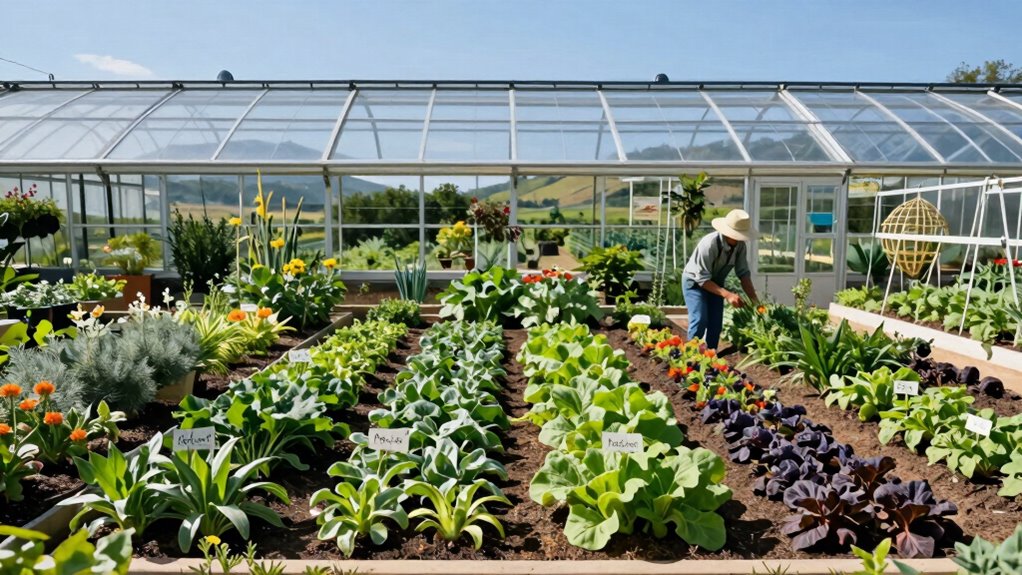
By adopting a seasonal planning method, you can align your gardening activities with natural cycles, making year-round growing achievable. This approach involves crop rotation, soil enrichment, and strategic scheduling to optimize harvests and maintain healthy soil. It helps you anticipate seasonal changes, prevent soil depletion, and extend your growing seasons. Consistently applying these techniques creates a resilient, productive garden. Stay with us, and you’ll discover how to turn seasonal shifts into gardening opportunities all year long.
Listen free for 30 days with Audible
Thousands of audiobooks and originals — cancel anytime.
As an affiliate, we earn on qualifying purchases.
Key Takeaways
- Aligns planting activities with natural cycles for continuous growth throughout the year.
- Implements crop rotation and soil enrichment to maintain soil health and productivity year-round.
- Uses detailed seasonal planning to optimize resource use and extend harvest periods.
- Incorporates cover crops and organic amendments to sustain soil fertility across seasons.
- Promotes resilience against weather fluctuations through proactive scheduling and adaptive techniques.
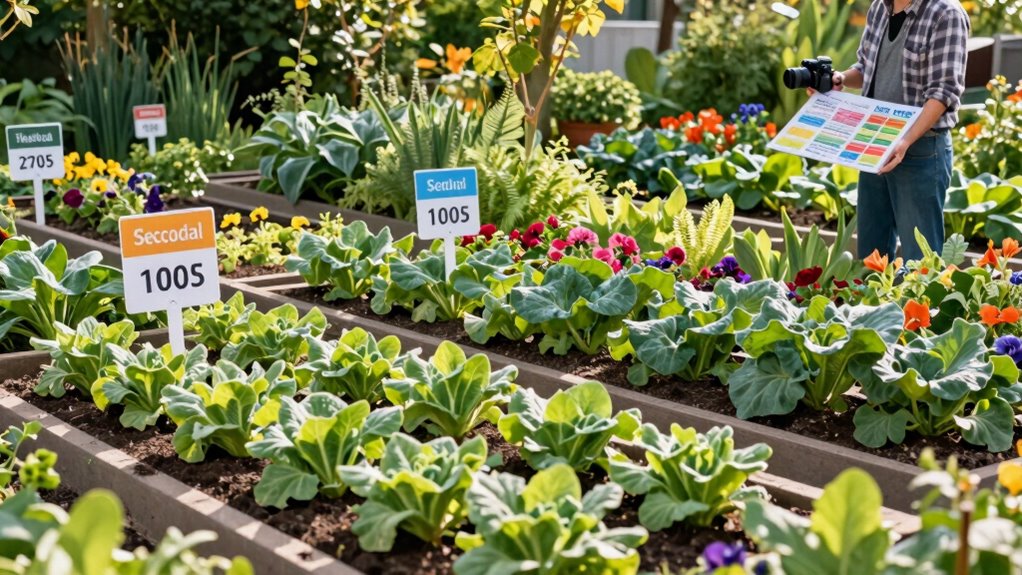
Have you ever wondered how to stay organized and maximize productivity throughout the year? The secret lies in adopting a seasonal planning method that aligns with your garden’s natural cycle. This approach isn’t just about planting at the right time; it’s about creating a sustainable system that promotes healthy growth and continuous harvests. By breaking the year into manageable periods, you can anticipate your needs, prevent soil depletion, and keep your garden thriving regardless of the season.
One of the most important strategies in this method is crop rotation. Rotating your crops each season prevents the build-up of pests and diseases specific to certain plants. It also helps maintain soil health by avoiding the exhaustion of nutrients that some crops tend to deplete. For instance, after planting nitrogen-hungry vegetables like tomatoes, you can switch to legumes such as beans or peas, which naturally fix nitrogen in the soil. This rotation keeps your soil balanced and reduces the need for chemical fertilizers, making your garden more sustainable over time.
Soil enrichment plays a vital role in supporting year-round growth. As you plan your seasonal cycle, think about enriching the soil before each planting phase. Compost, organic matter, and cover crops can significantly improve soil structure, retain moisture, and supply essential nutrients. Incorporating crop rotation with soil enrichment strategies ensures that your soil remains fertile and resilient. For example, planting cover crops like clover or vetch during fall and winter not only shields the soil from erosion but also adds organic matter that boosts soil fertility for upcoming seasons. This ongoing process of soil enrichment creates a healthy foundation for your plants, reducing the need for synthetic inputs and fostering a more eco-friendly garden.
A seasonal planning method also encourages you to be proactive rather than reactive. By mapping out your planting calendar ahead of time, you can allocate resources efficiently, stagger plantings to extend harvests, and prepare for seasonal changes. This foresight helps you stay organized, reduces waste, and prevents last-minute scrambling. It’s about creating a rhythm that matches your local climate and your personal schedule, ensuring you’re making the most of each season. Additionally, understanding the importance of soil health can help you make informed decisions that benefit your garden’s long-term sustainability. Incorporating soil testing into your planning can further refine your approach, ensuring optimal conditions for your plants throughout the year. Moreover, understanding climate adaptation strategies can help you better prepare for unexpected weather patterns, enhancing your garden’s resilience.
In short, adopting a seasonal planning method centered around crop rotation and soil enrichment makes year-round growing not only feasible but enjoyable. It transforms gardening from a reactive chore into a strategic, sustainable practice. With a clear plan, you’ll find yourself harvesting fresh produce throughout the year, all while maintaining healthy soil and reducing environmental impact. It’s the kind of organized approach that turns your garden into a resilient, productive space that flourishes season after season.

Farmer’s Secret Soil Revitalizer – Organic (OMRI Listed) Dirt Health Booster – Liquid Compost Soil Amendment – Activated Humic Acid (32oz)
- Soil microbial stimulation: Boosts microbial activity in soil
- Monthly application recommended: Apply monthly during growing season
- Organic, chemical-free formula: Contains OMRI-listed activated humic acids
As an affiliate, we earn on qualifying purchases.
As an affiliate, we earn on qualifying purchases.
Frequently Asked Questions
How Do I Start Implementing This Seasonal Planning Method?
Start by mapping out your growing calendar, focusing on crop rotation to optimize soil health and reduce pests. Plan your planting schedules around seasonal changes, ensuring you rotate crops to prevent pest buildup. Incorporate pest management strategies early, like companion planting or natural controls. Keep detailed records of planting dates and outcomes, and adapt your plan as you learn what works best for your climate and crop varieties.
What Tools Are Recommended for Year-Round Planning?
You should use planning tools like spreadsheets or specialized garden planning apps to organize your year-round schedule. Incorporate crop rotation strategies to optimize soil health and reduce pests, and plan pest management tactics ahead of time. These tools help you track planting dates, rotations, and pest control measures, ensuring you stay on top of your seasonal schedule. Regularly update your plans to adapt to weather changes and crop needs for continuous growth.
Can This Method Be Adapted for Small-Scale Gardens?
Yes, you can adapt this method to small-scale gardens. Use composting techniques to enrich your soil year-round, boosting plant health and yields. Incorporate pest management strategies like crop rotation and natural deterrents to protect your crops without chemicals. Planning planting schedules, considering seasonal changes, and using compact tools will help you maximize space and efficiency, making year-round growing practical and rewarding even in a small garden.
How Does Climate Influence Seasonal Planning Strategies?
Climate influences your seasonal planning strategies profoundly. You need to account for climate variability, which can cause unexpected weather changes affecting planting and harvesting times. Relying on weather forecasting helps you adapt, allowing you to choose the right planting windows and protect crops from adverse conditions. By closely monitoring local climate patterns, you can fine-tune your schedule, ensuring a successful, year-round growing experience regardless of seasonal shifts.
What Are Common Mistakes to Avoid in Year-Round Growing?
You should avoid neglecting crop rotation, as it helps prevent soil depletion and reduces pest buildup. Don’t overlook pest management strategies, since pests can quickly ruin your crops if unmanaged. Also, steer clear of overplanting or planting too early, which can stress plants and lead to disease. Keep a balanced schedule, monitor soil health regularly, and adapt your pest control methods to guarantee consistent, healthy harvests all year-round.
Conclusion
With this seasonal planning method, year-round growing becomes not only possible but enjoyable. You might worry it’s too complex or time-consuming, but breaking it down into manageable steps makes it simple. Embrace the process, and you’ll find you’re consistently harvesting fresh produce, no matter the season. Don’t let fear hold you back—start small, stay organized, and enjoy the rewarding journey of continuous, vibrant gardening all year long.
College move-in / dorm season Picks
dorm essentials
As an affiliate, we earn on qualifying purchases.