A 15-minute weekly greenhouse walk helps you catch pests, equipment issues, and plant stress early, saving you thousands on repairs later. Focus on checking soil moisture, inspecting for pests or mold, and watching for signs of over- or under-watering. Developing a consistent routine guarantees you spot problems before they escalate. Keep track of your findings and use this data to prevent costly repairs—continue for expert tips to optimize your walkthrough.
Key Takeaways
- Establish a fixed weekly schedule focused on soil moisture, pest signs, and equipment checks.
- Use a detailed checklist to ensure all critical areas are inspected within 15 minutes.
- Monitor for early pest indicators like webbing, holes, or sticky residue to prevent infestations.
- Review environmental controls and equipment for irregularities or malfunctions during each walkthrough.
- Record inspection data to identify recurring issues and adjust maintenance proactively.
Why a Weekly Greenhouse Walkthrough Saves You Money and Keeps Plants Healthy

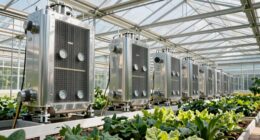
Regularly walking through your greenhouse each week allows you to catch problems early before they escalate. By checking soil moisture levels, you ensure plants aren’t over or underwatered, which can stress them and lead to disease. Consistent soil moisture monitoring helps you adjust watering before roots rot or plants wilt, saving money on repairs and replacements. Additionally, this routine enables quick pest detection, so you can identify infestations before they spread. Spotting pests early means you can take targeted action, avoiding costly chemical treatments or losing entire crops. A brief weekly walkthrough keeps you informed about your plants’ health, allowing you to make timely adjustments. Incorporating energy-efficient technology into your greenhouse setup can further enhance your ability to maintain optimal conditions and reduce operational costs. Smart sensors can provide real-time data, making your weekly check even more effective. Implementing climate control systems ensures a stable environment, preventing issues caused by temperature and humidity fluctuations. This proactive approach reduces long-term costs and keeps your plants thriving, making your greenhouse more productive and profitable. Additionally, environmental monitoring devices can help you optimize resource use and improve overall plant health.
What to Check During Your Quick Greenhouse Inspection

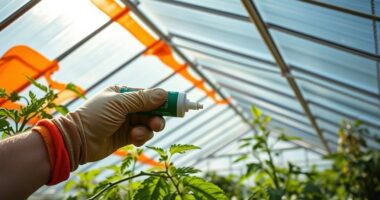
During your quick greenhouse inspection, focus on key areas that reveal your plants’ overall health and growing conditions. Check for signs of pests, such as holes or sticky residue, to stay ahead of infestations. Verify your watering schedules are consistent; overwatering can lead to root rot, while underwatering stresses plants. Look for any discolored or wilted leaves, which may indicate watering issues or pest problems. Also, examine the soil surface for mold or fungal growth, which can signal moisture imbalances. Regularly inspecting these areas helps you catch problems early and maintain a healthy environment. Keeping pest control measures in check and sticking to your watering schedule are essential for preventing big repairs down the line.
How to Recognize Early Signs of Plant or Equipment Problems
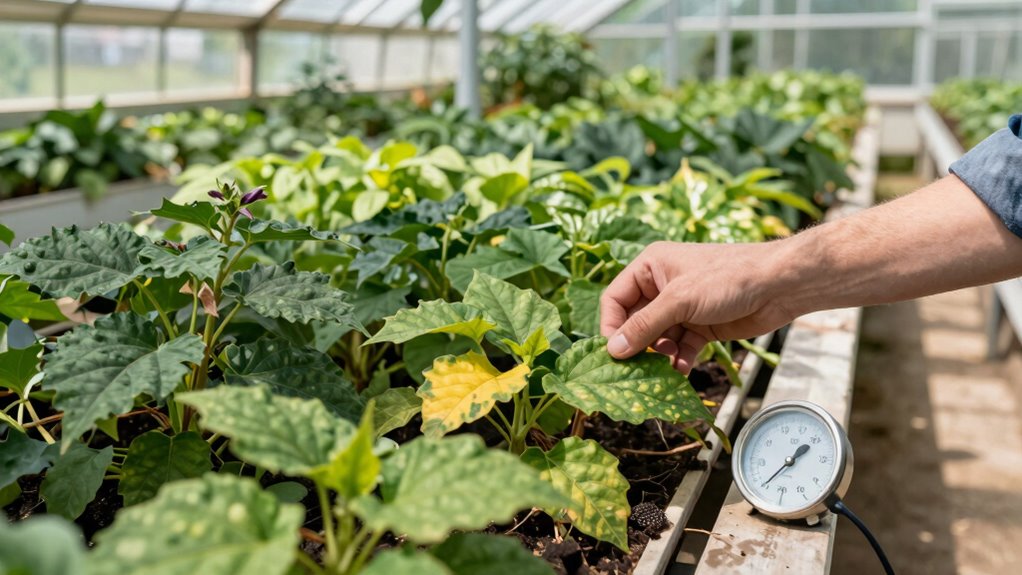
Early signs of plant or equipment problems can be subtle, but noticing them quickly is key to preventing more serious issues. Pay close attention to pest detection, such as tiny insects or webbing, which can indicate an infestation that spreads rapidly. Look for discolored, wilting, or stunted plants, as these may signal watering issues or root problems. Keep an eye on leaves for spots, holes, or unusual markings, which often point to pests. Check equipment like vents, fans, and irrigation systems for irregular operation or leaks. Regular visual inspections can help detect issues before they become critical. Catching these early signs allows you to address problems before they escalate, saving time and resources. A quick, attentive walkthrough helps maintain a healthy greenhouse environment and prevents costly repairs down the line. Incorporating regular inspections can also reinforce preventative maintenance practices, reducing the likelihood of unexpected breakdowns.
How to Establish a Consistent Routine for Your Greenhouse Walkthroughs

Establishing a consistent routine for your greenhouse walkthroughs guarantees you catch issues early and maintain ideal conditions. Set a specific day and time each week to walk through your greenhouse, making it a non-negotiable part of your schedule. During your walk, focus on key tasks like checking your watering schedule to prevent over- or under-watering. Regular pest monitoring helps you identify infestations before they spread, saving you time and resources. To stay organized, create a simple checklist to ensure you cover all critical areas each week. This routine helps you develop a keen eye for early signs of problems, enabling quick action and promoting healthier plants. Consistency is your best tool for preventing major repairs down the line.
How to Use Inspection Results to Prevent Major Repairs

Using the results from your regular greenhouse inspections is essential for preventing major repairs before they become costly problems. Review your notes on soil moisture levels to identify areas that are too dry or too wet, which can lead to plant stress or root rot. Address these issues early by adjusting watering schedules or improving drainage. Pay close attention to pest detection; catching pests early helps prevent infestations that could damage crops or require costly treatments. Use your inspection data to spot patterns or recurring problems, and develop proactive solutions. Keeping detailed records allows you to track improvements and identify warning signs before they escalate. Additionally, understanding indoor air quality concepts can help you create a healthier environment that supports plant health and reduces the risk of issues stemming from poor ventilation or humidity. Regularly monitoring and adjusting ventilation systems can further promote optimal conditions, and incorporating environmental controls like humidity and temperature sensors can also provide real-time data to help you make precise adjustments. Properly managing air circulation ensures even distribution of temperature and humidity, which is crucial for preventing issues such as mold or fungal growth. Applying these insights ensures healthier plants and reduces the likelihood of major repairs down the line.
Frequently Asked Questions
What Tools Are Best for a Quick Greenhouse Inspection?
You should grab a reliable soil moisture meter and a good pest detection mirror or hand lens for your inspection. These tools help you quickly check soil moisture levels to prevent overwatering and catch pests early before they spread. A flashlight can also improve visibility in shaded areas. With these tools, your weekly walkthrough becomes efficient, helping you spot problems early and keep your greenhouse healthy.
How Often Should I Adjust My Greenhouse Maintenance Routine?
You should adjust your greenhouse maintenance routine at least weekly to stay ahead of problems. This isn’t just about routine checks; it’s about catching issues like pest prevention and seasonal pruning before they explode into disasters. By staying proactive, you prevent costly repairs and keep your plants thriving. Treat your routine as a crucial lifeline, not a chore—your greenhouse depends on this consistent attention to avoid chaos!
Can a Weekly Walkthrough Prevent All Greenhouse Issues?
A weekly walkthrough can critically reduce greenhouse issues, but it won’t prevent all problems. You actively identify pest management concerns and fine-tune ventilation strategies, catching issues early. Regular checks help you spot pests, mold, or ventilation problems before they escalate. While a weekly walkthrough is essential, combining it with ongoing monitoring and maintenance guarantees a healthier greenhouse environment, minimizing costly repairs and crop losses over time.
What Are Common Mistakes During Greenhouse Inspections?
Think of missing signs of plant disease or pests as ignoring a small leak that turns into a flood. Common mistakes during inspections include rushing through checks, overlooking hidden spots, or ignoring early warning signs. You might miss early pest activity or subtle plant disease symptoms, which can quickly escalate. Stay attentive, check all areas thoroughly, and prioritize early detection to prevent costly repairs down the line.
How Do I Prioritize Repairs Based on Inspection Findings?
You should prioritize repairs based on plant health and pest management risks. Address urgent issues like severe pest infestations or diseased plants first to prevent spread. Next, fix minor pest hotspots and structural problems that could lead to bigger issues if ignored. Regularly monitor for signs of stress or disease, and schedule routine maintenance to keep your greenhouse running smoothly, reducing costly repairs down the line.
Conclusion
A quick weekly walkthrough acts like a vigilant guardian for your greenhouse, catching problems before they grow into full-blown crises. With just 15 minutes, you’ll keep your plants thriving and your equipment singing in harmony. Think of it as tending a delicate garden—regular attention guarantees everything blooms beautifully without costly surprises. Make this routine your secret weapon, turning everyday care into a fortress that shields your green oasis from unexpected troubles.