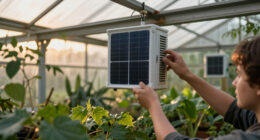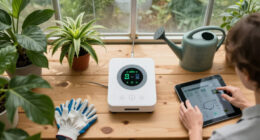
To maintain your greenhouse structures, start by inspecting frames for mold or rot and protecting wood with coatings. Check glazing for cracks and ensure sealants are used for any gaps. Regularly clean gutters and inspect drainage systems to prevent blockages. Assess the structural integrity, looking for corrosion or cracks, and lubricate moving parts. Finally, don’t forget to calibrate environmental control systems for optimal growth. Keep these tips in mind, and you’ll discover more essential maintenance steps.
Play games included with Prime
Start a Prime free trial and play with Amazon Luna on your devices.
As an affiliate, we earn on qualifying purchases.
Key Takeaways
- Regularly inspect wood and aluminum frames for signs of wear, rot, or corrosion, addressing issues promptly for structural integrity.
- Biannually check glazing materials for cracks, and replace broken panes to maintain optimal light transmission and prevent heat loss.
- Clean and maintain gutters to prevent blockages, ensuring proper drainage and protecting the greenhouse from water damage.
- Calibrate environmental control systems, including sensors and actuators, to ensure accurate temperature, humidity, and air circulation management.
- Keep a detailed log of all maintenance activities to track inspections and repairs for future reference and improved greenhouse management.
As an affiliate, we earn on qualifying purchases.
Greenhouse Frame Maintenance
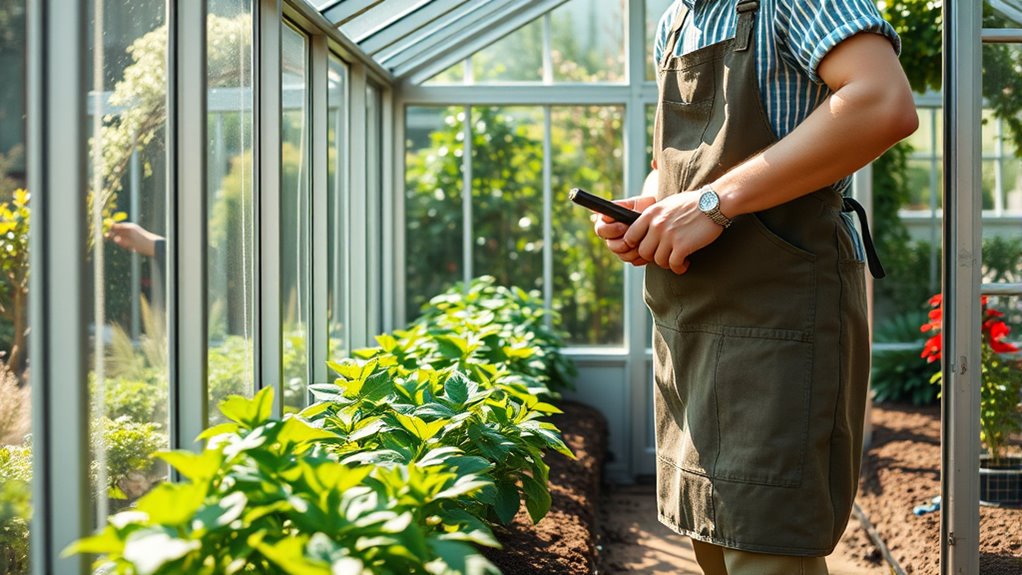
Maintaining your greenhouse frame is crucial for ensuring its longevity and structural integrity.
If you have a wood frame, regularly inspect it for mold or rot, especially in low areas. Apply protective coatings to prevent moisture damage.
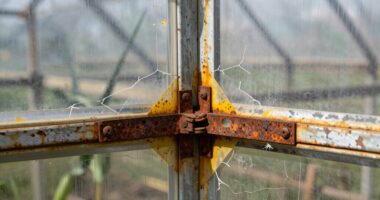
For aluminum frames, check for corrosion and wear; addressing these issues promptly keeps your structure strong.
Remember, the choice of frame material—wood, aluminum, or steel—affects maintenance needs and costs.
Inspect joints and connections for wear, and replace damaged components immediately.
Tighten bolts and lubricate moving parts to ensure smooth operation.
Keep a log of your maintenance activities for future reference.
Implementing these practices will help you maintain a sturdy and efficient greenhouse for years to come.
Glazing Inspection and Repair
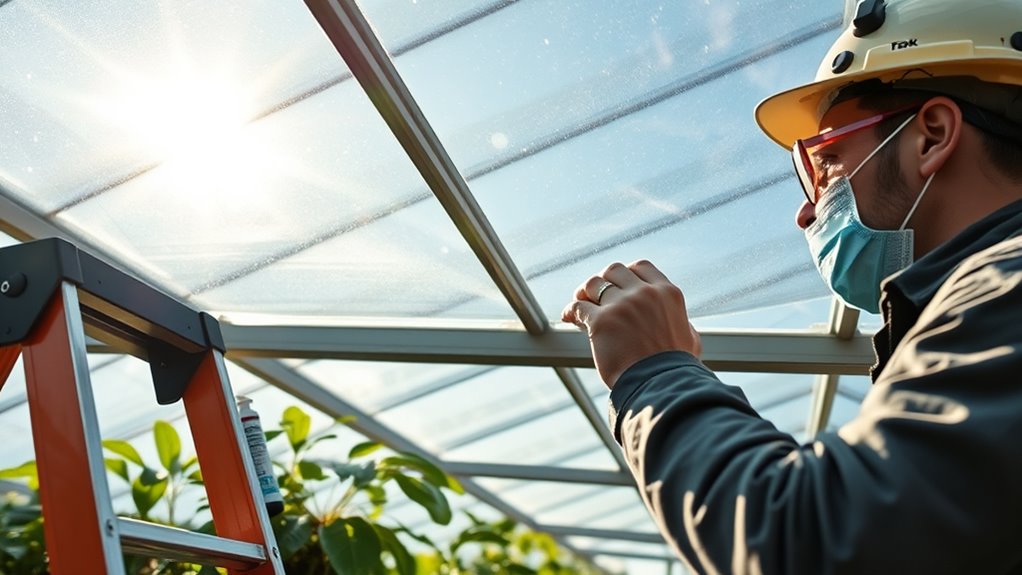
While your greenhouse frame provides essential support, the glazing plays a vital role in protecting your plants and ensuring optimal light transmission.
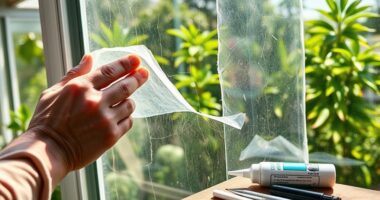
Start by inspecting your glazing materials at least twice a year for cracks, discoloration, and gaps. Cracks can compromise light transmission, while yellowing indicates UV degradation. If you find broken panes, replace them immediately to prevent heat loss.
Inspect your glazing materials biannually for cracks and discoloration to ensure optimal light transmission and prevent heat loss.
Use suitable sealants for any gaps to stop air leaks and pest entry. When selecting repair materials, ensure they match the existing glazing type.
Conduct light transmission tests to maintain ideal growing conditions, and keep your glazing clean to maximize efficiency. If repairs seem complex, don’t hesitate to hire professionals for assistance.
Gutter and Drainage System Maintenance

To ensure your greenhouse operates efficiently, regular maintenance of the gutter and drainage systems is essential.
Start by selecting durable materials like galvanized steel for your gutters, ensuring they’re thick enough to support loads. Regularly clean your gutters to prevent debris buildup and blockages; consider installing gutter guards to minimize maintenance.
Inspect downspouts and drainage lines frequently to guarantee water flows away from the greenhouse. Design your gutter system for easy access, making inspections simpler.
Seasonal adjustments might be necessary to optimize water flow and protect your plants.
Structural Integrity Checks

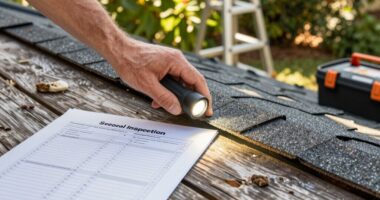
Regular structural integrity checks are vital for ensuring your greenhouse remains safe and functional.
Start by inspecting the frame, whether it’s metal or wood. Metal frames need corrosion-resistant coatings, while wooden frames require sealants to protect against decay. Ensure the frame can support the weight of glazing materials and withstand environmental stresses.
Next, examine the covering material for cracks or UV degradation, as damaged glazing can compromise climate control.
Don’t forget to check your foundation and flooring for stability and drainage issues. Look for erosion in soil floors and cracks in hard surfaces.
Finally, inspect joints and connections for wear, lubricate moving parts, and maintain a log of your checks to track repairs and schedule future inspections. Additionally, understanding greenhouse maintenance practices will help prolong the life of your structure and enhance its efficiency.
Environmental Control Systems Calibration

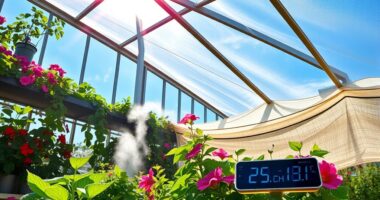
Accurate calibration of your greenhouse’s environmental control systems is essential for maximizing plant health and growth. Your setup might include thermostats, timers, and advanced integrated systems, each requiring attention. Simple devices may drift over time, leading to inaccurate readings.
Ensure precise temperature control by regularly checking and calibrating sensors and actuators that govern heating, cooling, and ventilation. Utilize data-driven models for adjustments, and validate system performance by comparing measured values against expected outcomes.
Incorporating IoT technology can enhance remote monitoring and automation, reducing labor while maintaining optimal conditions. Remember to account for humidity, CO2 levels, and air circulation, as these factors significantly impact your plants’ development.
Regular updates will keep your systems efficient and responsive to changing environmental conditions.
Frequently Asked Questions
How Often Should I Inspect My Greenhouse Structure?
You should inspect your greenhouse structure every six months for optimal performance.
This regular check-up helps you catch minor issues before they turn into costly repairs. If that’s too frequent, consider at least once a year, aligning with seasonal changes.
Skipping too long can lead to expensive downtimes and unexpected problems.
What Tools Do I Need for Greenhouse Maintenance?
Imagine your greenhouse as a treasure chest, housing vibrant plants. To keep this treasure safe, you’ll need some essential tools.
Grab your hand trowel for planting, pruning shears for trimming, and gloves to protect your hands.
Don’t forget rakes for leveling soil and wheelbarrows for easy transport.
With these tools in hand, you’ll be ready to maintain your greenhouse, ensuring it continues to flourish like a well-tended garden.
Can I Paint My Greenhouse Frame?
Yes, you can paint your greenhouse frame! Choose the right paint for the material—wood or metal—and make sure to prep the surface well.
Clean it thoroughly and apply a primer for better adhesion. Use brushes, rollers, or a sprayer for application, and don’t forget to allow each coat to dry completely.
Opt for nature-inspired colors to enhance aesthetics, and protect surrounding areas with drop cloths to catch any splatters.
How Do I Prevent Pests in My Greenhouse?
To prevent pests in your greenhouse, start by installing insect screens on intakes and keeping a vegetation-free zone around the structure.
Regularly clean surfaces and remove dead plant material to eliminate breeding sites. Use beneficial insects like ladybugs and sticky traps for monitoring.
Ensure proper ventilation and humidity control, and quarantine new plants before introducing them to your greenhouse.
These steps will help create an environment that discourages pest infestations.
What Is the Best Time of Year for Maintenance?
When it comes to giving your greenhouse a little TLC, timing’s everything!
Winter’s your golden opportunity for deep cleaning and equipment fixes, while early spring sets the stage for a vibrant growing season.
Late fall’s perfect for winter prep, ensuring your greenhouse stays cozy against the chill.
And don’t forget those post-storm check-ups!
Keeping a seasonal routine not only prolongs your equipment’s life but also boosts your plants’ health and productivity.
Conclusion
Maintaining your greenhouse is like nurturing a delicate plant; it thrives only with attention and care. Just as you wouldn’t let a wilting flower go unwatered, you shouldn’t overlook the frame, glazing, or drainage systems. By regularly checking and calibrating your environmental controls, you’re ensuring a healthy, productive space. Remember, a well-maintained greenhouse is the difference between a thriving garden and a struggling one—so keep your structure in top shape, and watch your plants flourish!
NFL season / tailgating Picks
team gear
As an affiliate, we earn on qualifying purchases.