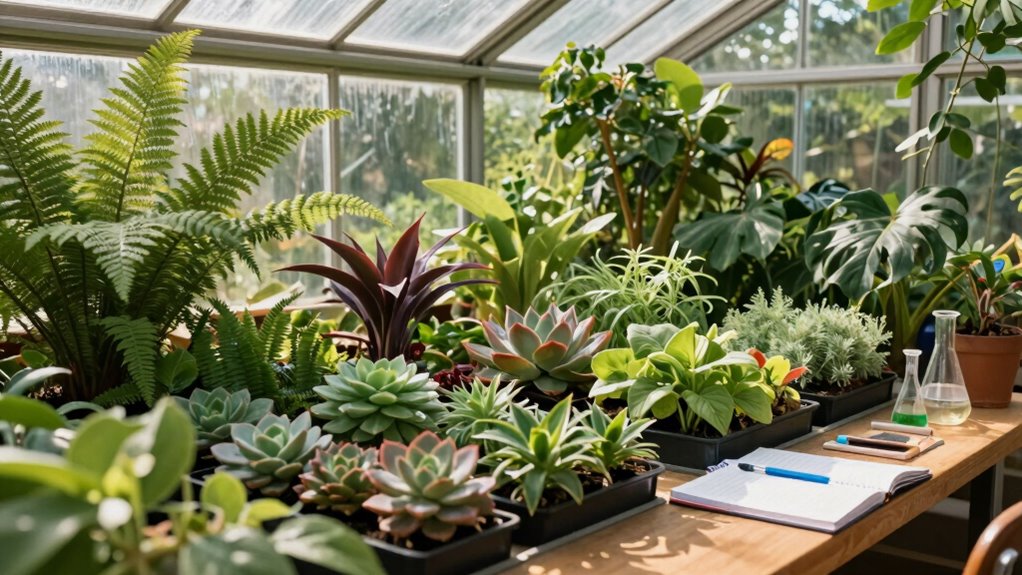

Greenhouses make excellent teaching spaces because you can create versatile environments that go beyond basic plant care. They encourage hands-on learning, allowing you to observe plant growth factors and explore biological concepts in real time. With dedicated zones and technological controls, you can tailor activities for groups or individual students, supporting scientific inquiry and collaboration. Plus, greenhouses connect lessons to environmental issues, helping you foster ecological awareness and responsibility. Keep exploring to discover how they transform education.

Get garden gear delivered free — and shop member deals
- Fast, free delivery on millions of items
- Access to Prime Big Deal Days deals on October 6–7
- Prime Video, Amazon Music and more included
Key Takeaways
- Greenhouses provide hands-on, experiential learning environments that make complex biological concepts tangible and memorable.
- They can be customized for various activities, encouraging active participation and practical skill development.
- Environmental controls and technology enable precise experimentation, fostering inquiry and scientific understanding.
- Greenhouses promote collaboration, teamwork, and communication skills through group projects and shared observation.
- Their connection to natural ecosystems enhances ecological awareness and emphasizes sustainability lessons.
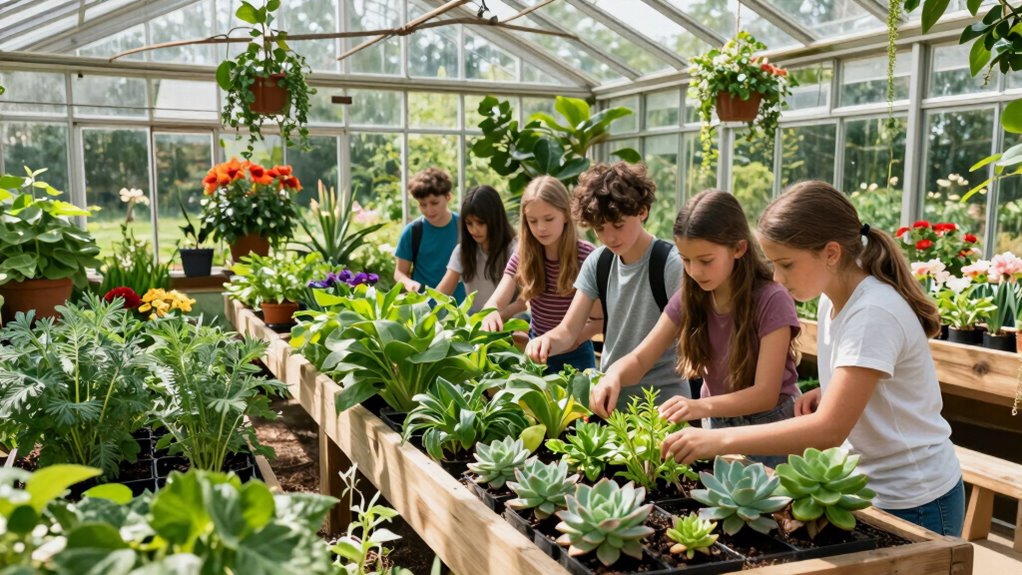
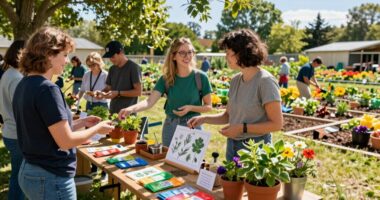
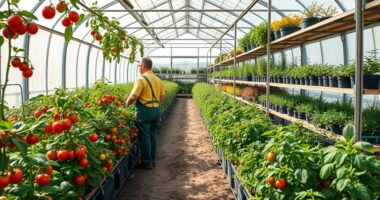
Have you ever considered how greenhouses can serve as dynamic teaching spaces? These versatile environments are more than just places to grow plants; they’re engaging classrooms that foster curiosity and hands-on learning. When you step into a greenhouse, you’re immediately immersed in a setting where plant growth becomes a living lesson. Students can witness firsthand how different factors like light, temperature, and water influence plant development, making abstract biology concepts tangible. This real-time observation helps deepen understanding in ways that textbooks alone can’t achieve. The design of a greenhouse naturally supports interactive learning, allowing students to get close to the plants, examine them, and ask questions. Unlike traditional classrooms, greenhouses encourage exploration, making lessons more memorable and meaningful.
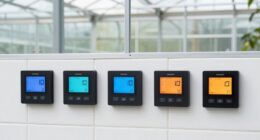
Classroom design plays a crucial role in maximizing the educational potential of a greenhouse. You can tailor the space to suit various learning activities, from individual projects to group experiments. For example, you might set up designated zones for seed starting, hydroponics, or composting, each offering different insights into plant growth processes. The flexible layout invites students to take ownership of their learning and develop practical skills in plant care, observation, and data collection. Incorporating benches, shelves, and writable surfaces allows for easy access and note-taking, fostering an environment where students can engage actively with their experiments. The physical design of a greenhouse also helps create a controlled environment, where variables can be manipulated and monitored, leading to a deeper understanding of scientific methods. Additionally, the use of environmental controls ensures that conditions can be precisely managed, enhancing the effectiveness of experiments and observations. Understanding how to manage these controls aligns with principles of sustainable living and environmental stewardship. Implementing such controls can also teach students about the importance of climate management in sustainable agriculture. Moreover, integrating smart technology into greenhouse systems can further optimize environmental conditions and provide valuable data for student analysis.
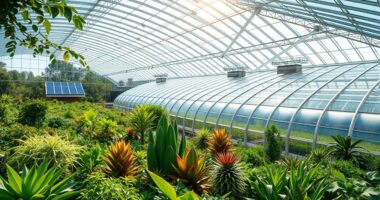
In addition, the design of greenhouses as teaching spaces encourages collaboration and communication among students. Group projects become more interactive when students work together to design experiments, record results, or troubleshoot issues related to plant growth. This cooperative approach not only enhances their understanding of the subject matter but also builds teamwork skills. Furthermore, because greenhouses are often located outdoors or near natural settings, they serve as gateways to broader environmental education. They can also be used to demonstrate the benefits of biodiversity in maintaining healthy ecosystems, thereby enriching students’ ecological awareness. You can incorporate lessons about ecosystems, conservation, and sustainability directly into your curriculum, making learning relevant and connected to real-world issues.
greenhouse educational kit for schools
As an affiliate, we earn on qualifying purchases.
As an affiliate, we earn on qualifying purchases.
Frequently Asked Questions
How Do Greenhouses Impact Student Engagement in Science Lessons?
Greenhouses boost your student engagement in science lessons by actively involving them in plant growth and environmental monitoring. Students get hands-on experience, observing how different conditions affect plant development. This interactive approach sparks curiosity and encourages questions. By working directly with plants and monitoring tools, students stay motivated and interested in science, making lessons more dynamic. Greenhouses turn theoretical concepts into real-world learning, deepening their understanding and enthusiasm for science topics.
What Safety Precautions Are Necessary for Greenhouse-Based Activities?
As you step into the greenhouse, you notice the importance of hazard identification and safety training. To stay safe, you wear protective gear like gloves and goggles, and you’re aware of slippery surfaces and sharp tools. You guarantee proper ventilation and handle chemicals carefully. Regular safety briefings help you recognize potential dangers, making sure everyone understands procedures. By taking these precautions, you create a safe environment for all greenhouse activities.
Can Greenhouses Be Adapted for Different Age Groups or Curricula?
Yes, you can adapt greenhouses for different age groups or curricula by focusing on plant adaptation and soil management. For younger students, simplify concepts and use smaller, safe plants to teach basic growth. For older students, introduce complex topics like soil health and plant adaptation strategies. Adjust tools and activities to match their skills, making the greenhouse a versatile space that fosters hands-on learning across various educational levels.
How Do Greenhouses Support Outdoor Learning in Various Weather Conditions?
Greenhouses support outdoor learning in various weather conditions by offering climate control, allowing you to maintain ideal temperatures and humidity levels. This creates a comfortable environment regardless of rain, wind, or cold. You can explore plant diversity more effectively, as students observe a wide range of species thriving under controlled conditions. This adaptability helps keep lessons engaging and productive, no matter what the weather’s doing outside.
What Are the Costs Involved in Setting up a Greenhouse for Education?
You’ll need to conduct a cost analysis to understand the expenses of setting up a greenhouse for education. This includes costs for materials, construction, heating, and ventilation systems. Funding options like grants, school budgets, and community sponsorships can help cover these costs. By exploring these options and planning carefully, you can make the investment manageable and create a valuable outdoor learning space that benefits students long-term.
Conclusion
In wrapping up, you can see how greenhouses gently invite curiosity and hands-on learning, creating a nurturing environment where students can truly grow. They’re like quiet guides, encouraging exploration and patience in a setting that feels more like a comforting retreat than a traditional classroom. When you choose to embrace the greenhouse, you’re subtly opening doors to inspiration and understanding — a small step that can lead to big, blooming ideas.
Fall Picks
fall essentials
As an affiliate, we earn on qualifying purchases.