
TL;DR

Get garden gear delivered free with Prime
- Fast, free delivery on millions of items
- Prime Video, Amazon Music and more included
- Member-only deals all year
Many homeowners unknowingly attract flies through everyday habits. Experts identify five common mistakes and provide practical solutions to keep flies at bay during summer.
Homeowners are often unaware that certain everyday habits and household conditions are attracting flies into their homes and outdoor spaces. Experts warn that five common mistakes significantly increase fly presence, especially during summer, and provide actionable advice to prevent infestations.
According to pest control specialists, the primary mistakes include neglecting proper waste management, leaving food exposed, maintaining unclean outdoor areas, failing to seal entry points, and overwatering plants near the house. These factors create ideal breeding grounds and attract flies seeking food and moisture.
For example, unsealed trash cans with leftover food or organic waste can attract flies from miles around. Similarly, outdoor dining areas with uncovered food or spilled drinks are magnets for flies, especially in warm weather. Experts emphasize that routine cleaning, sealing entry points, and managing outdoor spaces can greatly reduce fly populations.
Additionally, overwatering garden plants or leaving standing water around the property creates additional breeding sites for flies, including species like the common housefly and cluster fly. Pest control professionals recommend inspecting and sealing gaps around windows and doors, removing organic debris, and maintaining dry outdoor areas to keep flies away.
Why Avoiding These Mistakes Is Important for Your Home
Reducing fly attraction is vital for maintaining a clean and hygienic living environment. Flies can carry diseases and contaminate food, posing health risks especially during the summer months when outdoor activity increases. Effective prevention also reduces the need for chemical pest control, promoting safer household practices.
As an affiliate, we earn on qualifying purchases.
Common Causes of Fly Infestations in Residential Areas
Fly problems tend to spike during warmer months when breeding conditions are ideal. Historically, improper waste disposal and outdoor food exposure have been the leading causes of increased fly populations in residential settings. Recent advice from pest control experts highlights that many of these issues are preventable with simple household management practices.
Previous studies show that neglected trash cans, uncovered compost, and stagnant water are primary attractants. The summer season often exacerbates these issues, prompting increased public awareness campaigns about fly prevention.
“Most homeowners don’t realize that small habits, like leaving food outside or neglecting trash, can create perfect breeding sites for flies.”
— Dr. Emily Carter, Pest Control Specialist
Unclear Aspects of Fly Prevention Effectiveness
While experts agree on common causes, the precise impact of specific prevention measures varies depending on local conditions and house layouts. It is not yet confirmed how effective some methods are in different climates or urban settings, and ongoing studies aim to quantify these differences.
Next Steps for Homeowners and Pest Control Efforts
Homeowners are encouraged to review and implement recommended practices, such as sealing entry points and managing outdoor waste. Pest control companies plan to offer targeted treatments and educational campaigns before peak fly season. Further research is expected to refine prevention strategies and quantify their effectiveness in diverse environments.
Key Questions
What are the most common mistakes that attract flies?
The most common mistakes include leaving food uncovered, neglecting trash management, overwatering plants, leaving standing water outside, and not sealing entry points around the house.
How can I prevent flies from entering my home?
Sealing gaps around windows and doors, keeping trash covered, cleaning up food spills immediately, and removing standing water outside are effective prevention steps.
Are there natural methods to repel flies?
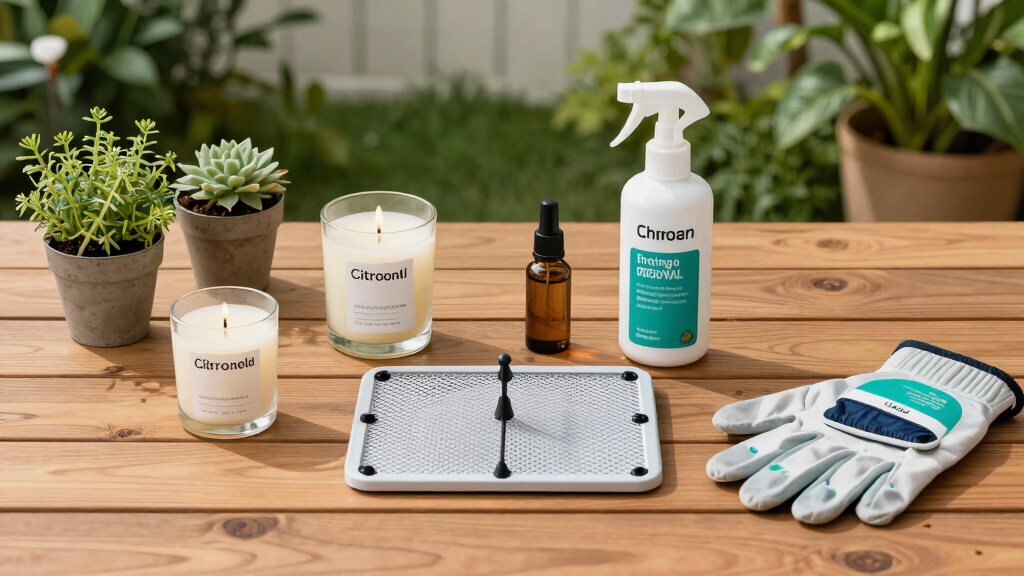
Yes, using natural repellents like basil, mint, or citronella plants near entry points can help deter flies, along with maintaining cleanliness and dry outdoor spaces.
When is the best time to start fly prevention measures?
Prevention should begin early in the spring and continue through the summer, especially before peak fly breeding seasons occur.
Do prevention strategies vary by region?
Yes, climate, local insect populations, and outdoor conditions influence which strategies are most effective. Consulting local pest control experts can provide tailored advice.
Source: rss
Fall Picks
fall essentials
As an affiliate, we earn on qualifying purchases.