To quickly contain aphids in your greenhouse, start by inspecting your plants closely, focusing on new growth and undersides of leaves for tiny, soft-bodied insects. Use physical barriers like insect screens and quarantine affected plants away from healthy ones. Apply biological controls like ladybugs or organic sprays such as neem oil. Regular monitoring and good hygiene help prevent future infestations. Keep moving forward, and you’ll discover more effective strategies to protect your greenhouse environment.
Key Takeaways
- Immediately isolate infested plants using plastic bags or containers to prevent aphid spread.
- Implement physical barriers like insect screens and reinforce with regular inspections for early detection.
- Use organic treatments such as neem oil or insecticidal soap combined with releasing beneficial insects.
- Remove affected plant parts, clean debris, and improve airflow to reduce aphid attraction and breeding sites.
- Conduct consistent monitoring, track pest activity, and adjust control measures promptly for effective containment.
How to Recognize Aphid Infestations in Your Greenhouse

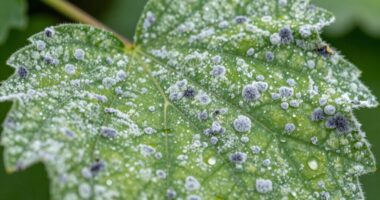
Aphid infestations often start subtly, making early detection essential for effective control. To recognize them, focus on aphid identification and visual signs. Look closely at your plants, especially new growth and undersides of leaves, where aphids tend to cluster. They are tiny, soft-bodied insects, usually green, black, or yellow, measuring about 1-3 millimeters. Visual signs include distorted or curled leaves, sticky residue known as honeydew, and the presence of tiny insects moving slowly or clustered in groups. Sometimes, you might notice a sooty mold growing on the honeydew. Regular inspections are vital because early signs can be easy to miss. Spotting these visual signs promptly allows you to react quickly and prevent a full-blown infestation. Integrated pest management strategies can help in establishing sustainable control methods that minimize chemical use while effectively managing aphids.
Take Immediate Action: Physical and Cultural Steps to Stop Aphids

You need to act quickly to control aphids, starting with physical barriers like screens or row covers to prevent their spread. Adjust your cultural practices by removing infested plant parts and improving airflow to make the environment less inviting for pests. These immediate steps can considerably reduce aphid populations and protect your greenhouse plants. Additionally, understanding exquisite post concepts can help in developing comprehensive pest management strategies.
Physical Barriers Implementation
Could physical barriers be the quickest way to prevent aphids from infiltrating your greenhouse? Yes, installing physical barriers like insect screens can create a strong defense. These screens are designed to block tiny pests while still allowing airflow and light. Make certain all entrances, vents, and windows are fitted with fine-mesh insect screens to eliminate gaps where aphids can enter. Regularly inspect and maintain these barriers, repairing any tears or holes immediately. Using physical barriers provides a passive, chemical-free method of prevention, reducing the likelihood of aphid invasion. Proper mesh size selection ensures maximum effectiveness against tiny pests like aphids. This approach is quick to implement and offers continuous protection, giving your plants a secure environment. Combining sturdy physical barriers with vigilant monitoring can considerably slow or prevent aphid infestations in your greenhouse.
Cultural Practice Adjustments
Implementing cultural practice adjustments can markedly reduce aphid populations by disrupting their preferred environment and breeding conditions. Start by choosing pest resistant varieties to make plants less attractive to aphids. Maintain strict greenhouse sanitation—remove plant debris, weeds, and fallen leaves regularly—to eliminate hiding spots. Adjust watering schedules to avoid excess humidity, which fosters aphid growth. Proper ventilation also discourages humidity buildup. To visualize, consider this table:
| Environment Factor | Adjustment | Result |
|---|---|---|
| Plant Variety | Use pest resistant types | Less attractive to aphids |
| Cleanliness | Regular sanitation | Fewer hiding spots |
| Humidity & Airflow | Control humidity & airflow | Less favorable for aphid breeding |
These steps help create an inhospitable environment, preventing aphid infestations. Additionally, understanding free-floating pests can aid in developing comprehensive control strategies.
Use Biological and Organic Methods to Control Aphids Effectively

You can effectively control aphids by releasing beneficial insects like ladybugs and lacewings, which naturally prey on them. Applying organic sprays such as neem oil or insecticidal soap helps target aphids without harmful chemicals. Additionally, planting companion species nearby can repel aphids and create a balanced, pest-resistant environment. Incorporating art care principles can also help monitor and maintain a healthy greenhouse environment to prevent infestations.
Beneficial Insects Release
Releasing beneficial insects is an effective biological method to control aphids in a greenhouse. By introducing natural predators like ladybugs and lacewings, you can reduce aphid populations without harming your plants. These beneficial insects also promote pollinator benefits, supporting healthy flowering and fruiting. Additionally, their presence enhances insect biodiversity, creating a balanced ecosystem that naturally suppresses pest outbreaks. When you release these insects, guarantee you do so early in the infestation to maximize impact. Proper timing and monitoring help maintain a healthy population of predators, preventing aphids from spreading. Using beneficial insects aligns with organic practices and minimizes chemical use, making your greenhouse a safer environment for both plants and beneficial insects. This approach offers a sustainable, eco-friendly way to manage aphids effectively. Biodiversity plays a crucial role in supporting resilient and balanced greenhouse ecosystems.
Organic Spray Applications
Organic spray applications are a practical and effective way to control aphids in a greenhouse when used properly. You can target pests with botanical extracts like neem oil or insecticidal soap, which disrupt aphid feeding and reproduction. Incorporating natural predators, such as ladybugs or lacewings, enhances the spray’s effectiveness. To visualize options, consider this table:
| Treatment Type | Ingredients | Application Tips |
|---|---|---|
| Botanical extracts | Neem oil, insecticidal soap | Spray early morning or late evening |
| Natural predators | Ladybugs, lacewings | Release during active pest periods |
| Organic insecticides | Pyrethrin, spinosad | Follow label instructions |
| Combination approach | Botanical + predators | Use for quick, sustainable control |
Additionally, consulting integrated pest management strategies can help optimize your control methods and ensure environmental safety.
Companion Planting Strategies
Implementing companion planting strategies can markedly reduce aphid populations by attracting natural predators and creating unfavorable conditions for pests. By selecting the right pest repellent plants, you enhance your greenhouse’s defenses organically. Consider these approaches:
- Plant marigolds or nasturtiums near target crops to repel aphids and attract beneficial insects.
- Use herbs like basil or dill, which serve as natural pest repellents and attract predatory insects.
- Incorporate flowering plants that lure ladybugs, lacewings, and hoverflies, key aphid predators.
- Rotate companion plants regularly to prevent pests from adapting and to maintain a healthy ecosystem.
These companion planting methods leverage biological control, reducing reliance on chemicals and promoting a balanced, pest-resistant environment.
Isolate Affected Plants to Prevent the Spread of Aphids?

When you notice aphids on a plant, isolating the affected individual is one of the most effective steps you can take to prevent the infestation from spreading. You should perform a plant quarantine by moving the infested plant away from healthy ones. This pest isolation limits contact and reduces the risk of aphids spreading to other plants. Use a container or plastic bag to prevent escape. Regularly monitor the quarantined plant for signs of aphids or eggs. Keep a close eye on nearby plants, and remove any fallen foliage. Here’s a quick guide:
| Step | Action | Tool Needed |
|---|---|---|
| Identify affected | Look for aphids and eggs | Hand lens |
| Isolate plant | Move to separate area | Container or bag |
| Monitor regularly | Check for new signs | Visual inspection |
| Clean surroundings | Remove fallen debris | Cloth or brush |
| Continue treatment | Follow pest control plan | Insecticide or soap |
Additionally, understanding the biology of aphids can help optimize your control strategies and prevent future outbreaks.
Monitor Your Treatments to Ensure Aphid Containment Success

To guarantee your aphid containment efforts are successful, it’s essential to consistently monitor your treatments. Using effective monitoring techniques helps you assess treatment efficacy and determine if additional action is needed. First, regularly inspect affected plants for remaining aphids or new infestations. Second, use sticky traps to catch flying aphids and gauge population levels. Third, compare plant health and pest presence over time to identify if treatments are working. Fourth, keep detailed records of application dates and observed results to track progress. Fifth, understanding pest lifecycle can help you time your treatments more effectively. By staying vigilant, you ensure your treatments continue to be effective and prevent aphids from re-establishing. Monitoring allows you to adjust your approach quickly, maintaining a pest-free greenhouse environment.
Long-Term Prevention Tips to Keep Aphids Out of Your Greenhouse

Preventing aphids from invading your greenhouse requires proactive strategies that establish a strong barrier against pests. One effective method is choosing pest resistant varieties, which are bred to withstand aphid attacks and reduce the likelihood of infestation. Consistently maintaining good greenhouse hygiene is equally important; remove plant debris, clean surfaces regularly, and disinfect tools to eliminate potential breeding grounds for aphids. Keep your plants healthy by providing proper watering, nutrition, and airflow, making them less attractive to pests. Regularly inspect your plants so you can catch early signs of aphids before they spread. Incorporating preventive maintenance routines such as monitoring airflow and humidity levels can also help deter pests. Combining pest resistant varieties with diligent hygiene and monitoring creates a robust defense, helping you keep aphids out of your greenhouse long-term.
Frequently Asked Questions
What Are the Best Natural Predators for Aphids in Greenhouses?
You should introduce beneficial insects like ladybugs, lacewing larvae, and parasitic wasps to control aphids naturally. These predator species target and feed on aphids effectively, reducing their numbers quickly. By releasing these beneficial insects, you create a biological control system that keeps aphid populations in check without chemicals. Make certain to monitor their activity regularly to ensure they’re thriving and effectively managing the aphid problem.
How Often Should I Inspect My Plants for Aphid Signs?
You should inspect your plants at least twice a week, though daily checks are even better—because nothing says “I love my plants” like catching aphids early. Stick to a regular pest monitoring schedule, especially during peak growing seasons, to catch signs of infestation before they spread. Regular inspections help you stay ahead of pests, saving you time and trouble, and keeping your greenhouse thriving.
Can Aphids Transmit Plant Diseases in a Greenhouse Setting?
Yes, aphids can transmit plant viruses in a greenhouse. Their feeding behavior involves piercing plant tissues and feeding on sap, which makes it easy for them to carry and spread plant virus transmission. As they move from plant to plant, they inadvertently transfer pathogens, increasing the risk of disease outbreaks. Regular inspection and control are essential to prevent these viruses from spreading through aphid activity, protecting your plants’ health.
What Are the Environmental Conditions That Favor Aphid Outbreaks?
You’ll notice aphid outbreaks thrive when temperature fluctuations are frequent and mild, creating ideal conditions for their reproduction. High humidity levels also boost their survival and make plants more vulnerable. To prevent infestations, keep temperature stable and humidity controlled. Regularly monitor your greenhouse environment, as sudden changes can trigger aphid population explosions. Maintaining consistent, perfect conditions helps keep aphids at bay and protects your plants effectively.
Are There Specific Plant Varieties Resistant to Aphid Infestations?
Yes, some plant varieties offer better plant resistance and pest tolerances against aphids. When choosing plants, look for those specifically bred for pest resistance, such as certain cultivars of peppers, tomatoes, or nasturtiums. These varieties naturally deter aphids or tolerate their presence, reducing the need for chemical controls. Incorporating resistant plants into your greenhouse helps you manage infestations more effectively and keeps your overall pest population in check.
Conclusion
Just like catching a small leak before it floods the house, quick action against aphids saves your greenhouse from disaster. When you spot the signs early, act fast with physical, biological, and cultural methods. I once saw a gardener save her entire crop by catching an aphid outbreak early—proving that swift, decisive steps turn potential chaos into controlled success. Stay vigilant, act promptly, and your greenhouse will thrive free of aphids.