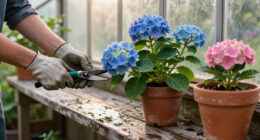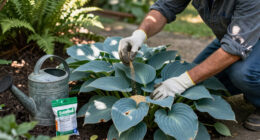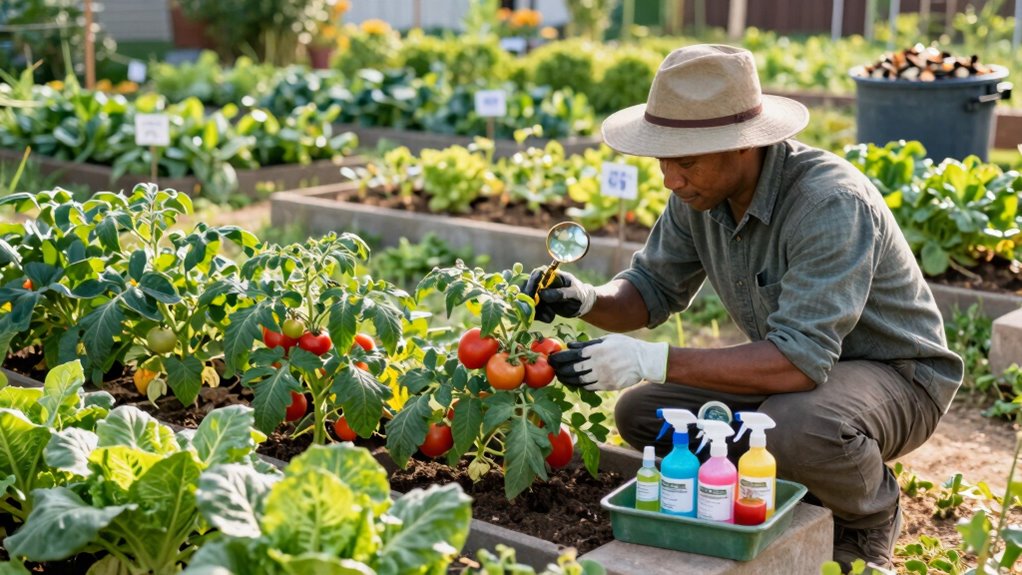

To build a pest and disease routine you’ll actually stick to, start by incorporating regular inspection and garden hygiene into your schedule. Use natural remedies early and often, applying them in the morning or evening when pests are active. Practice proper watering, soil care, and select resistant plant varieties to enhance resilience. Consistently monitor your plants, adjust your approach as needed, and stay committed to these steps. Keep going, and you’ll discover even more effective strategies to protect your garden long-term.

Get garden gear delivered free — and shop member deals
- Fast, free delivery on millions of items
- Access to Prime Big Deal Days deals on October 6–7
- Prime Video, Amazon Music and more included
Key Takeaways
- Incorporate regular, scheduled inspections and treatments into your weekly routine for consistency.
- Use natural remedies and resistant plant varieties to create a proactive, eco-friendly pest management plan.
- Maintain garden hygiene by removing debris and practicing proper watering to reduce pest hideouts and disease spread.
- Monitor pest activity during peak times and adjust your routine based on seasonal pest and disease patterns.
- Keep your routine simple and flexible to ensure you stick with it consistently over time.
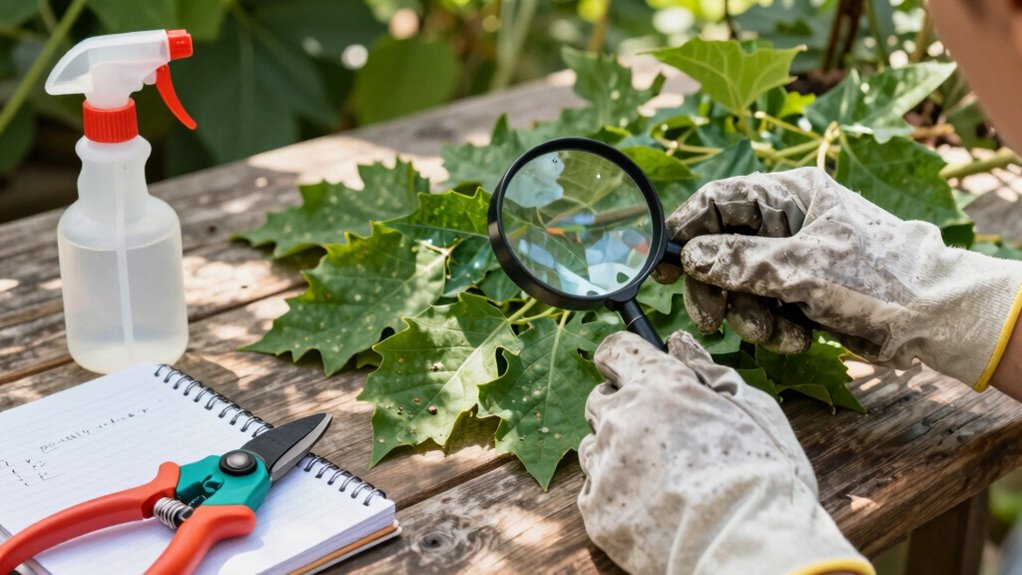
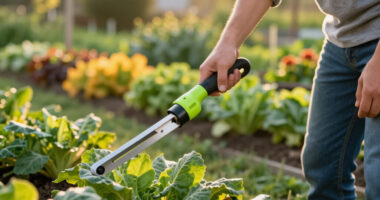
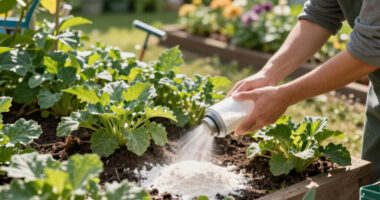
Creating a pest and disease routine that you’ll actually stick to can feel overwhelming, but it’s crucial for healthy plants. The key is to develop a plan that’s simple, manageable, and proactive. Start by understanding that prevention is your best defense. Implementing preventative measures early on can save you time, effort, and frustration later. This includes regularly inspecting your plants for early signs of trouble and maintaining good garden hygiene. Remove fallen leaves and debris, which can harbor pests and diseases. Keeping your garden tidy reduces hiding spots for unwanted visitors, making it easier to catch problems before they escalate. Incorporating garden hygiene practices such as removing debris and maintaining cleanliness is essential for a healthy garden. Additionally, understanding the importance of proper watering practices** can significantly reduce the likelihood of disease development, as overwatering and underwatering both stress plants and create vulnerabilities. Natural remedies play an essential role in your routine because they’re safer for your plants, your family, and the environment. Using homemade sprays with ingredients like neem oil, garlic, or soap solutions can effectively deter pests without the harsh chemicals found in many commercial products. Incorporate these natural remedies into your weekly or bi-weekly schedule, applying them early in the morning or late in the evening when pests are most active. Regular treatments will build a protective barrier** around your plants and help them resist infestations.
Regular inspections and garden hygiene are key to preventing pests and diseases early.
Furthermore, integrating pest-resistant plant varieties into your garden can reduce the need for frequent interventions and create a more resilient ecosystem. Preventative measures extend beyond natural remedies. Choosing resistant plant varieties, providing proper spacing for airflow, and ensuring well-draining soil all contribute to a healthier, less vulnerable garden. Proper watering practices are equally important—overwatering can create the perfect environment for fungi and root rot, while underwatering stresses plants and makes them more susceptible to pests. Soil health is fundamental in creating a resilient garden, supporting overall plant vigor and disease resistance. Mulching helps regulate soil moisture and temperature, further reducing disease risk.
natural pest control sprays for garden
As an affiliate, we earn on qualifying purchases.
As an affiliate, we earn on qualifying purchases.
Frequently Asked Questions
How Often Should I Check for Pests and Diseases?
You should check for pests and diseases at least once a week to catch issues early. During your inspections, incorporate companion planting and crop rotation strategies to naturally deter pests and prevent disease buildup. Look closely at leaves, stems, and soil, especially around vulnerable plants. Regular checks help you catch problems early, making it easier to manage pests and diseases without chemicals and keep your garden healthy and productive.
What Tools Are Essential for Pest and Disease Management?
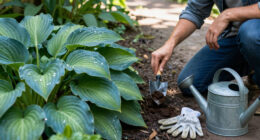
Your pest management toolkit should be a powerhouse. Essential tools include a magnifying glass to spot tiny pests early, organic insecticidal soaps for quick action, and traps for monitoring. An integrated pest approach combines beneficial insects like ladybugs and predatory mites, which naturally control pests. Keep a journal to track issues, and always have a spray bottle ready. These tools make pest control effective and eco-friendly, ensuring your plants stay healthy.
Can Natural Remedies Effectively Replace Chemical Treatments?
Natural remedies, especially organic alternatives, can be quite effective, but they often don’t match the potency of chemical treatments. You should consider their chemical comparison—organic options tend to be gentler and safer for your environment and health. While they work well for minor issues or prevention, severe infestations might still require traditional chemical solutions. Balancing both methods based on pest severity guarantees you protect your plants effectively.
How Do I Identify Early Signs of Pests and Diseases?
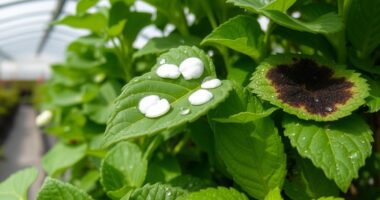
Ever wondered how to catch pests and diseases early? You should regularly inspect your plants, looking for discolored leaves, spots, or holes—signs of trouble. Use integrated pest management techniques and disease prevention methods like proper spacing and sanitation to stay ahead. Early signs include wilting or sticky residue. Spotting these signs early helps you act quickly, preventing infestations and keeping your garden healthy and productive.
What Should I Do if My Routine Fails to Prevent Problems?
If your routine fails, start by inspecting your plants for pests and diseases, then improve garden sanitation by removing debris and fallen leaves. Consider implementing companion planting to naturally deter pests and promote healthy growth. Adjust your routine by increasing monitoring frequency and using targeted organic treatments if necessary. Staying proactive guarantees you catch issues early, maintaining a healthy garden ecosystem and preventing minor problems from escalating into major ones.
Conclusion
Stick to your pest and disease routine like your garden’s survival depends on it—because, honestly, it does! Neglect it, and those tiny invaders can turn your lush paradise into a battlefield faster than you can say “infestation.” With consistency, you’ll outsmart pests before they even think about attacking. Make it your superpower, and watch your garden thrive like a paradise on steroids. Trust me, your plants will thank you with a bumper harvest you’ll brag about for years!
Fall yard work Picks
leaf blowers
As an affiliate, we earn on qualifying purchases.